
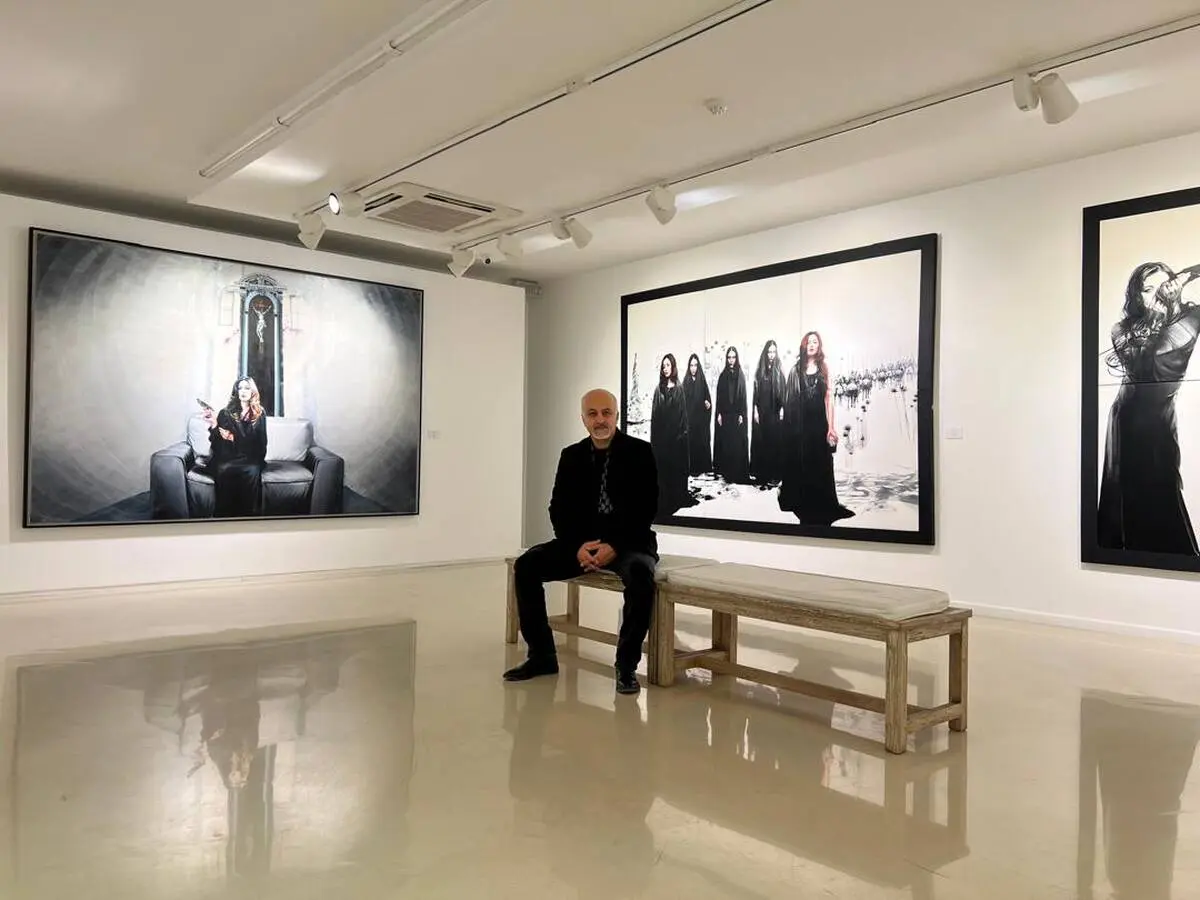
Hamidreza Shafiei and the Distinctive Women in the Paintings of Afshin Pirhashemi at Boom Gallery, Tehran
CEO of Vesta Color : Afshin Pirhashemi is a singular figure in the Middle Eastern art scene. For three consecutive years, he was listed among the world’s 500 most expensive artists by the Paris-based institutions Artprice and FIAC. At the same time, the conceptual core of his painting reflects an unprecedented narrative of the Middle East—most notably through his powerful and unconventional depictions of Middle Eastern women.
ArtDayMe | Hamidreza Shafiei, CEO of Vesta Color:
The retrospective exhibition of paintings by the late Afshin Pirhashemi, held at Boom Gallery on the first anniversary of his passing, clearly demonstrates how a personal visual language can be both aesthetically compelling and firmly established within the professional sphere and the art market. Pirhashemi was among those artists who succeeded in striking an intelligent balance between individual expression, social concerns, and the mechanisms of the art market—whether during the years of his collaboration with Boom Gallery in Tehran or later, when his works were presented at Ayyam Gallery in Dubai.
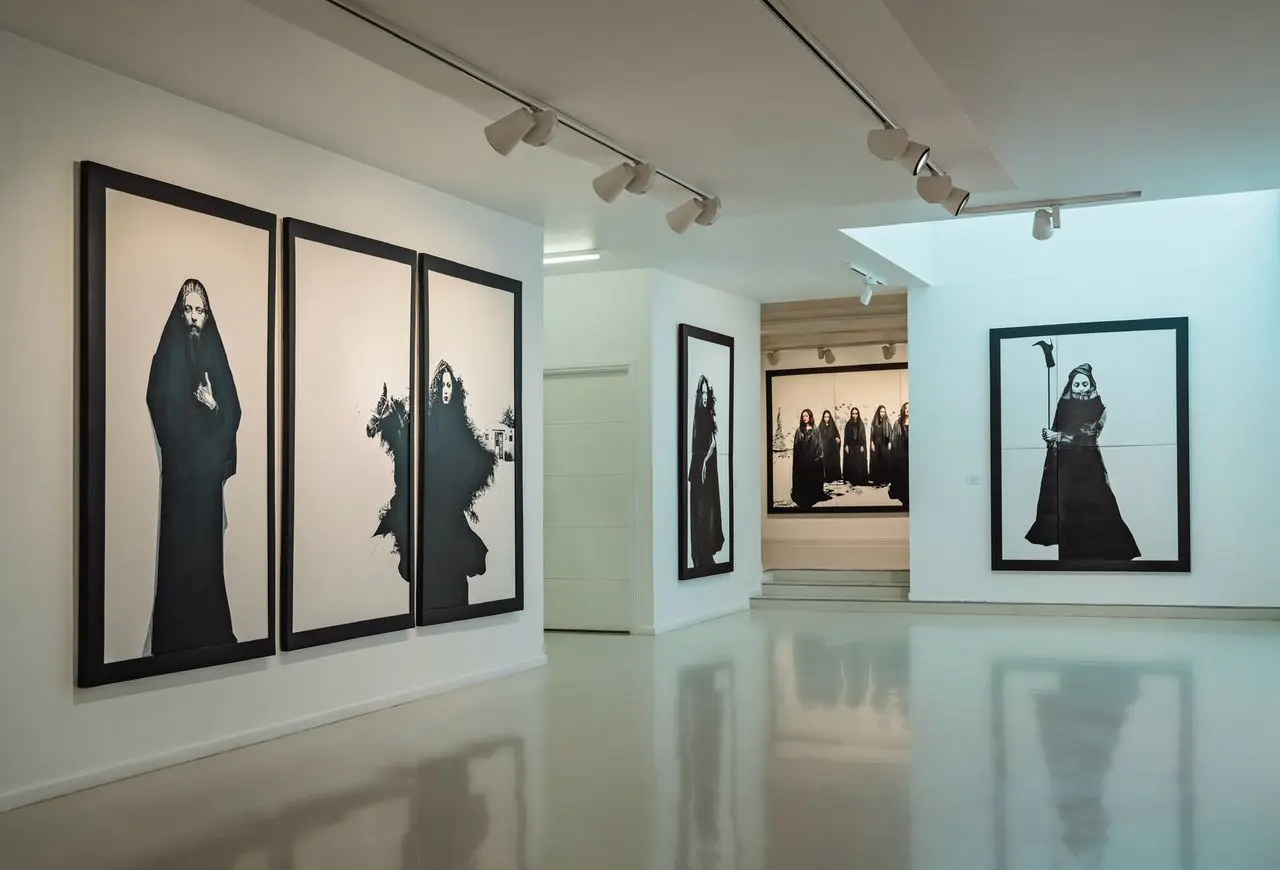
At the center of Pirhashemi’s visual universe, the figure of woman holds a decisive and pivotal presence. Yet the women in his paintings are neither decorative portraits nor narrators of a specific story; above all, they represent a state of being. They embody the human condition of the contemporary woman—situated within confined, sometimes closed and often neutral spaces—who, with a silent yet penetrating gaze, invites the viewer into an unmediated confrontation.
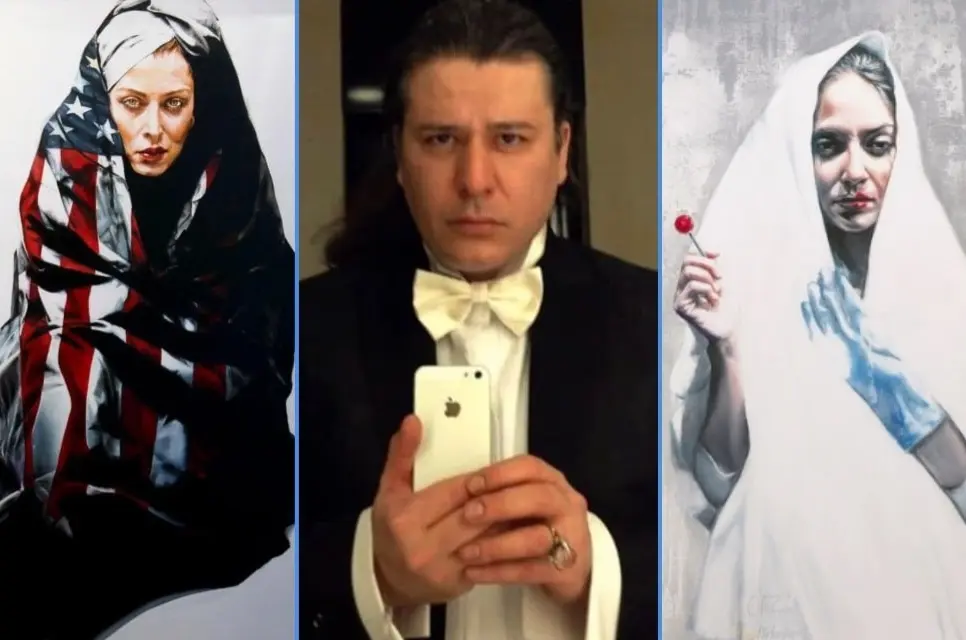
Afshin Pirhashemi
These women are neither seductive nor positioned in weakness; they stand alert and self-aware, using silence itself as a form of power.
The women we encounter in these paintings are not merely pictorial subjects; they are signs of the era in which we live. It is precisely this quality that transforms Pirhashemi’s works—despite the artist’s absence—into a lasting and resonant experience.
By eliminating narrative elements and superfluous details, Pirhashemi directs attention toward the body, gesture, and gaze. The bodies are often static and restrained, as if external pressures have accumulated within them. This stillness, contrary to expectation, is not a sign of passivity but rather evokes a sense of inner resistance.
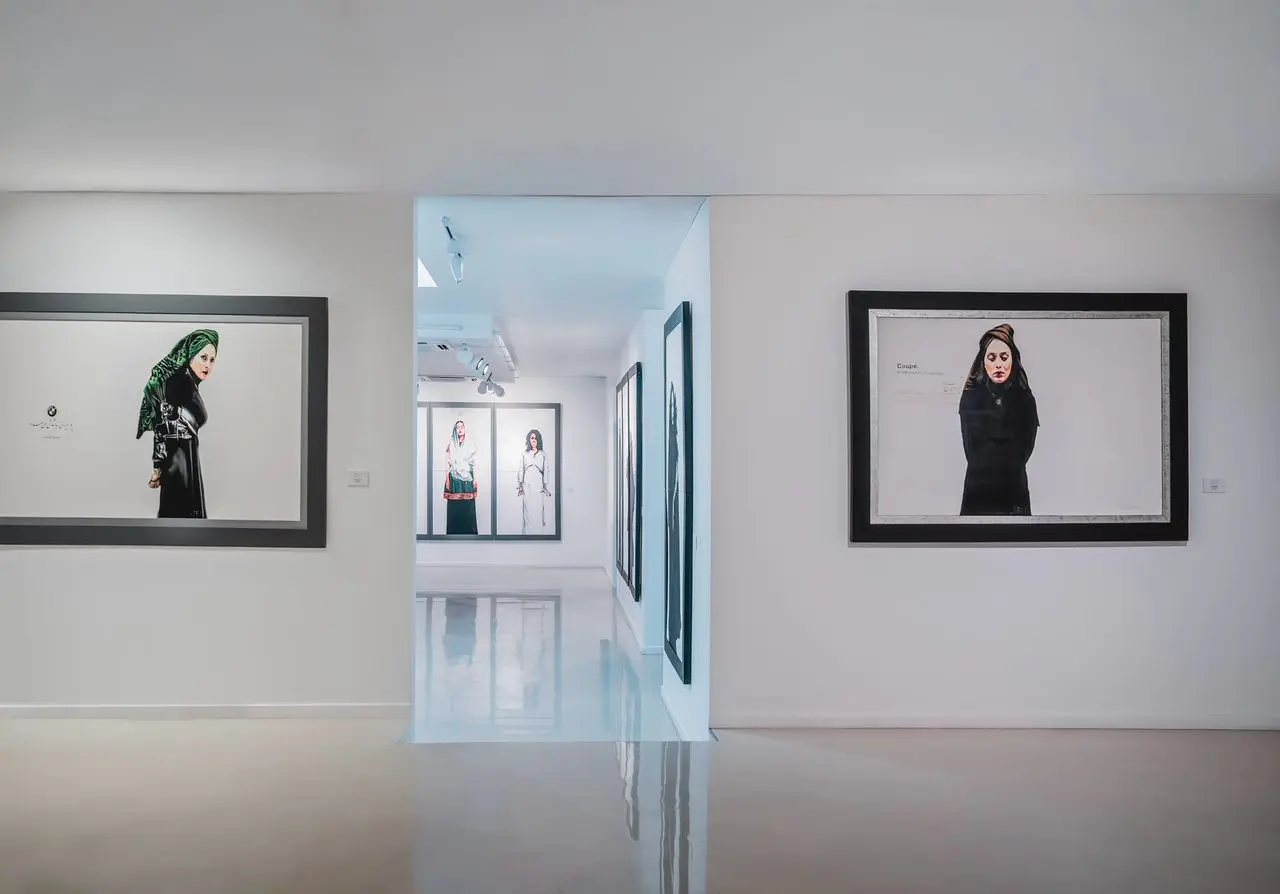
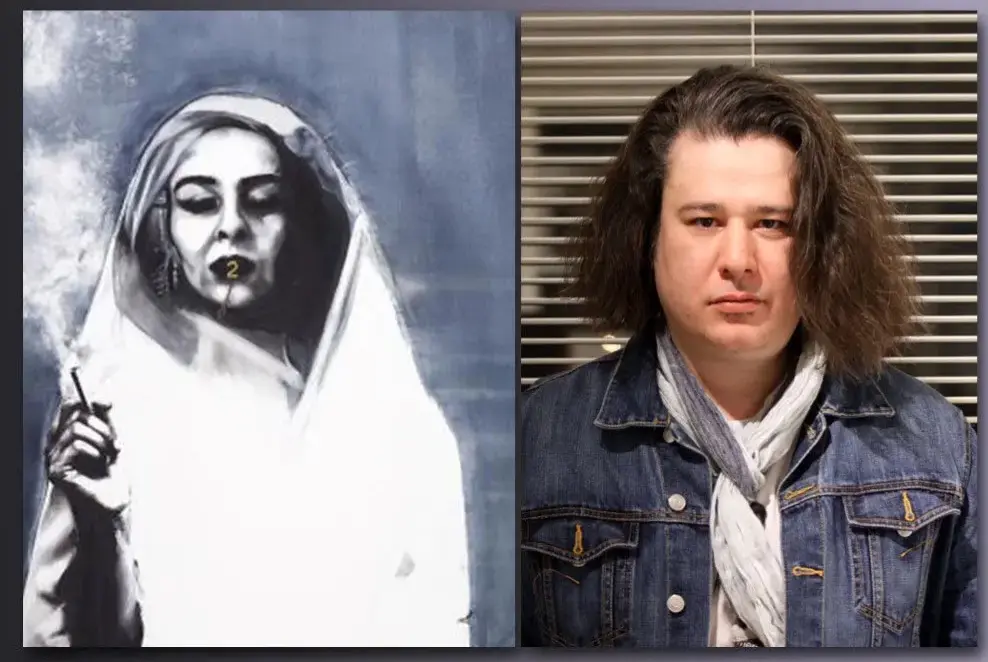
In Pirhashemi’s works, woman becomes the bearer of a lived experience that is both personal and collective—an experience that can easily overlap with the realities of today’s audience.
Color and technique play a crucial role in this body of work. The deliberate limitation of the color palette, mastery over dark–light contrasts, and precise use of texture all contribute to conveying the psychological atmosphere of the paintings. Color in Pirhashemi’s oeuvre is not employed for decoration; it is used to regulate emotion and guide the viewer’s gaze. This visual intelligence is what grants his works enduring power and distances them from fleeting visual excitements.
Alongside these aesthetic dimensions, Pirhashemi’s position within the art market cannot be overlooked. Born in 1974, he first drew widespread attention by winning awards at the Fifth and Sixth Tehran Painting Biennials, followed by receiving the top prize at the Second Beijing International Biennial in 2004. He subsequently achieved major successes at international auctions, including Christie’s Middle East, setting two records at the half-million-dollar level while still under the age of forty.
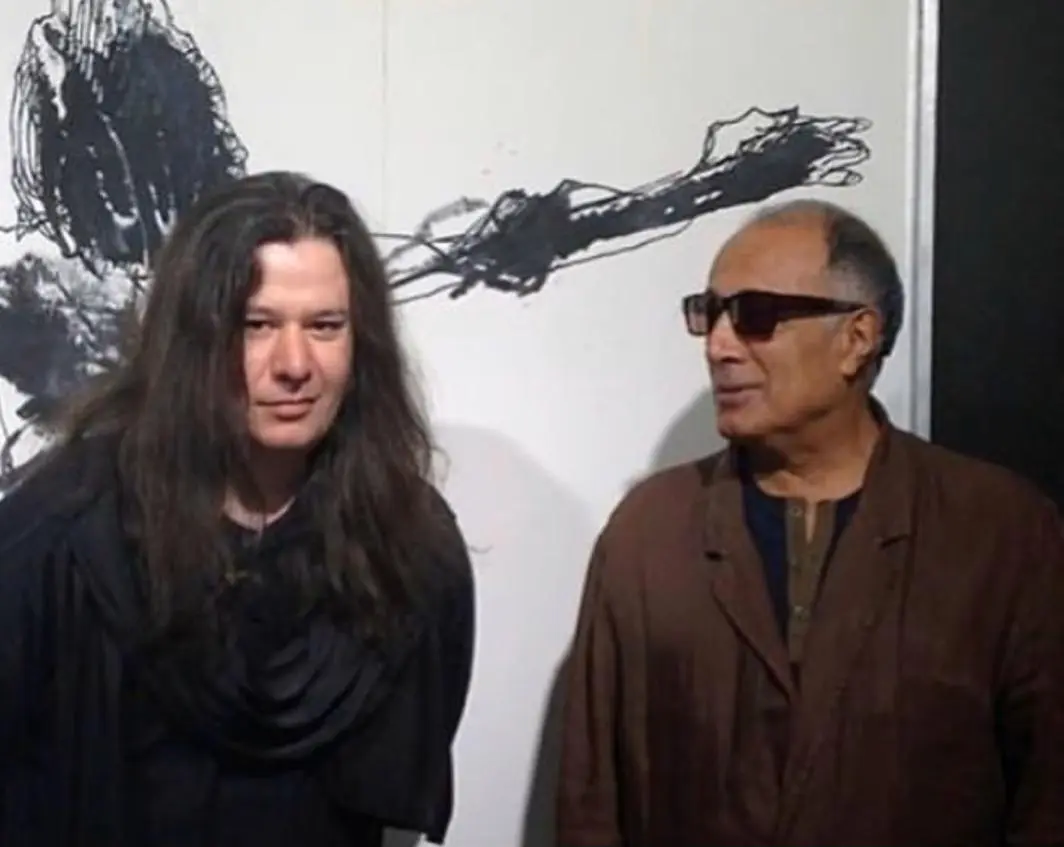
Afshin Pirhashemi Alongside Abbas Kiarostami at Boom Gallery, Tehran
In October 2015, the renowned American publication The Huffington Post selected Afshin Pirhashemi as one of six inspiring artists from the Middle East—a distinction granted in light of his three consecutive appearances on the list of the world’s top 500 artists, as well as sales statistics reported by the Paris-based institutions Artprice and FIAC.
Pirhashemi’s success in the art market, while indicative of his precise understanding of its professional mechanisms, never came at the expense of his artistic authenticity. He consistently preserved woman as the central axis of his thought and imagery, avoiding superficial repetition or purely market-driven production. This approach has enhanced—and continues to enhance—the value of his works, both artistically and economically.
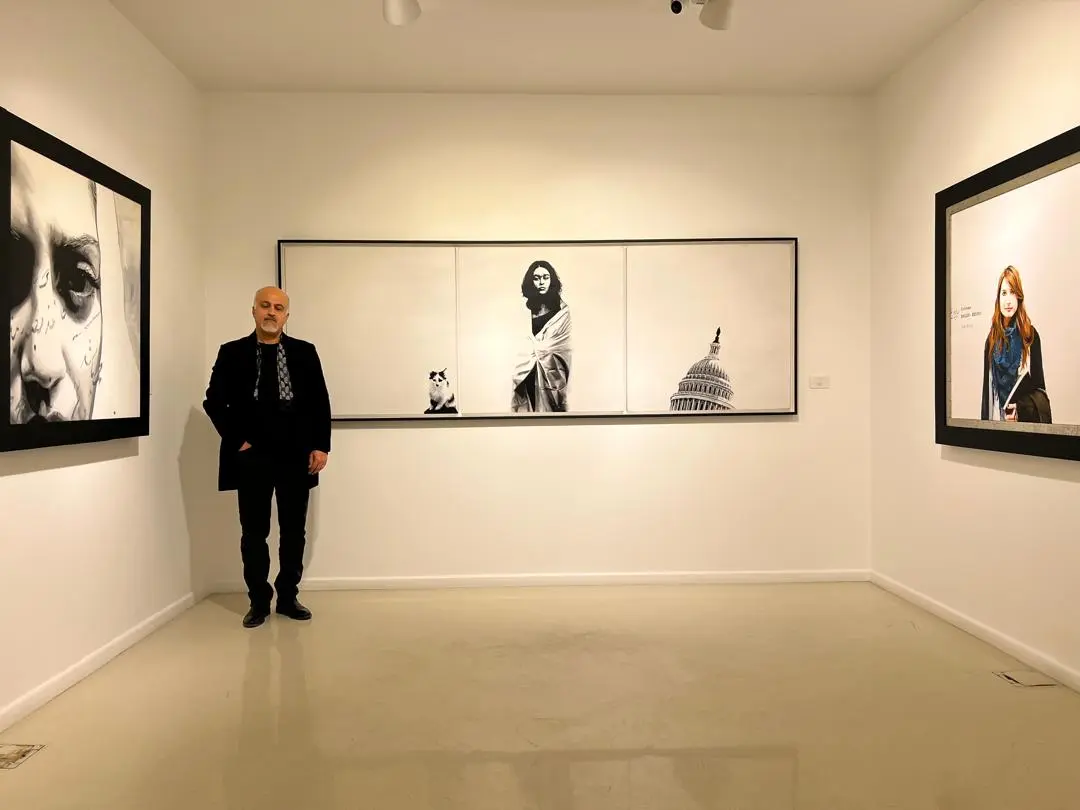
Hamidreza Shafiei at Boom Gallery
The exhibition of Afshin Pirhashemi at Boom Gallery in Tehran thus offered an opportunity to witness the convergence of three essential elements: a profound human perspective on the contemporary woman, a distinctive and signature painterly practice, and a firmly established position within the art market.
LEAVE A RELPY