
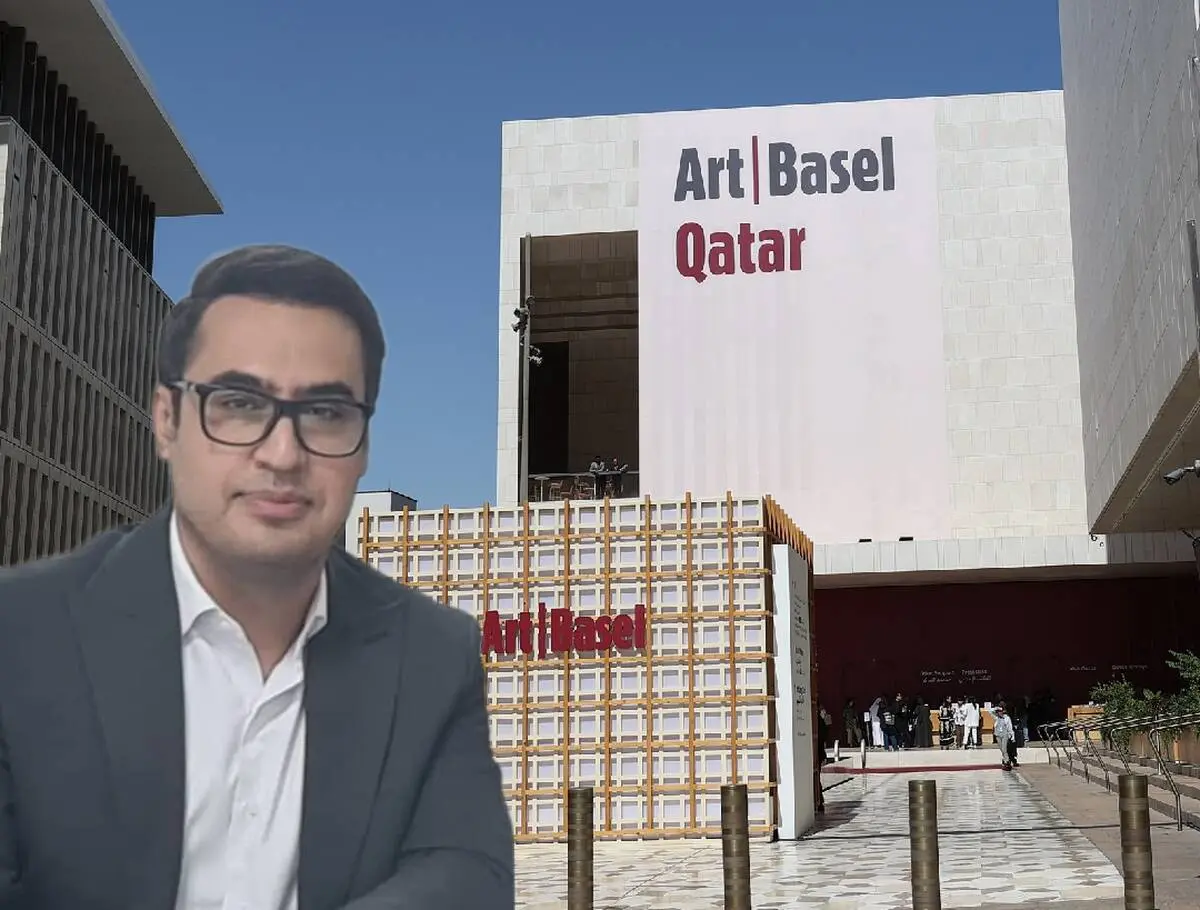
Analysis by Seyedmohammad Omrany Art Basel Doha: A New Turning Point in the Middle East Art Economy
Analysis by Seyedmohammad Omrany Art Basel Doha: A New Turning Point in the Middle East Art Economy
ArtDayMe – Seyedmohammad Omrany, Art Economy Expert:
The hosting of Art Basel in Doha, Qatar—currently underway—can be considered one of the most significant structural developments in the Middle East art economy over the past decade. This event not only elevates the region’s position on the global art market map, but also ushers power relations, capital flows, and artistic authority into a new phase. As the most prestigious art fair brand in the world, Art Basel has consistently played a decisive role in directing investment flows, selecting reference artists, and consolidating new art hubs. Its arrival in Doha is therefore a clear sign of the gradual maturation of the Middle East’s art economy.
Despite economic fluctuations and geopolitical tensions in recent years, the global art market has maintained substantial financial volume. According to international reports, the global art market in 2023 was valued at approximately USD 65–68 billion, with art fairs accounting for nearly 30–35 percent of this turnover. With four major editions in Basel, Miami, Hong Kong, and now Doha, Art Basel alone generates billions of dollars in direct and indirect sales. Its presence in Qatar will, in effect, redirect a portion of this financial flow toward the Middle East.
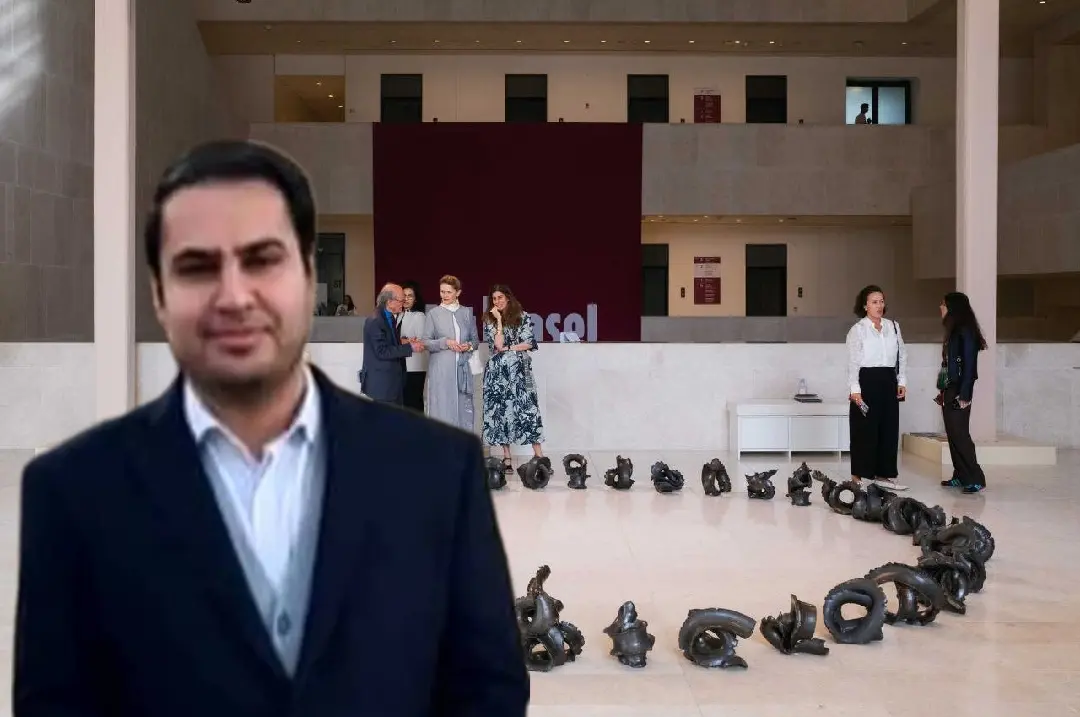
Over the past two decades, Doha has emerged as a key cultural player in the region, driven by large-scale state investment and sovereign wealth funds. Institutions such as the Museum of Islamic Art, the National Museum of Qatar, and the strategic collecting practices of the ruling family have created an infrastructure that is now entering a broader phase of economic utilization through Art Basel.
The experience of cities like Hong Kong demonstrates that the establishment of Art Basel can significantly increase regional art sales within a short period. For example, following the consolidation of Art Basel Hong Kong, Asia’s share of the global art market rose from around 20 percent to over 30 percent in less than a decade. A localized version of this model could well be replicated in the Middle East.
The significance of Art Basel Doha extends beyond sales figures alone. The fair attracts a network of leading international galleries, major collectors, museum directors, and art advisors to the region, offering Middle Eastern artists greater exposure to both the primary and secondary global markets. Estimates indicate that sales of works by Middle Eastern artists at international auctions grew by 30–40 percent between 2013 and 2023. Art Basel Doha has the potential to accelerate this trend and even reshape market structures by reducing reliance on auctions and strengthening a gallery-centered market.
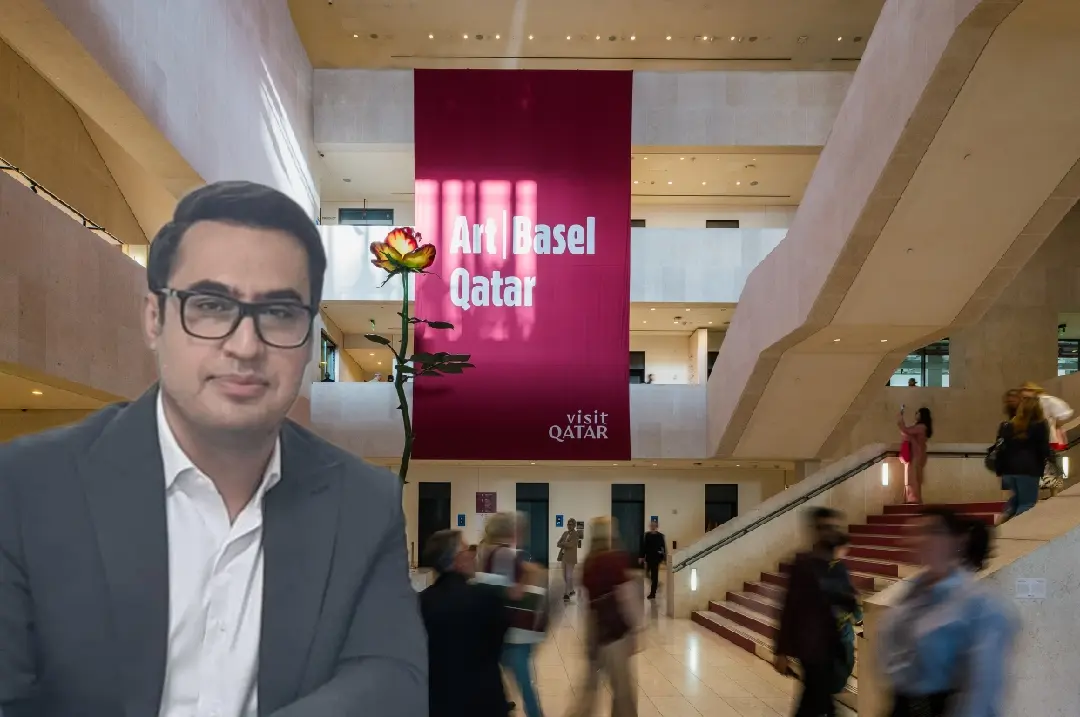
From a macroeconomic perspective, this art fair will directly contribute to the development of cultural tourism, art-related financial services, specialized logistics, and even the art insurance market. Experiences in Miami and Basel show that every dollar of direct sales at art fairs generates multiple times its value in indirect economic impact at the city and national levels. For Qatar, Art Basel serves as a strategic tool for post-energy economic diversification and for consolidating the country’s position as a regional cultural and artistic hub.
The implications of Art Basel Doha for neighboring countries, including Iran, are also noteworthy. Strengthening the regional art market infrastructure can open new pathways for Iranian artists, galleries, and collectors to gain visibility. However, meaningful benefit from this opportunity requires addressing structural barriers, facilitating financial connections, and ensuring active participation in professional art networks. Experience shows that the stronger the regional market becomes, the greater the bargaining power and visibility of independent players.
Art Basel Doha should therefore be viewed as more than a symbolic or purely cultural event. This art fair represents the entry of the Middle East art economy into a new phase of consolidation, competition, and global influence. If this process is accompanied by market transparency, genuine support for artists, and the development of professional institutions, the Middle East could secure a share far exceeding its current one percent of the global art market in the coming decade—a share reflected not only in sales figures, but also in cultural authority and the region’s soft power.
LEAVE A RELPY