
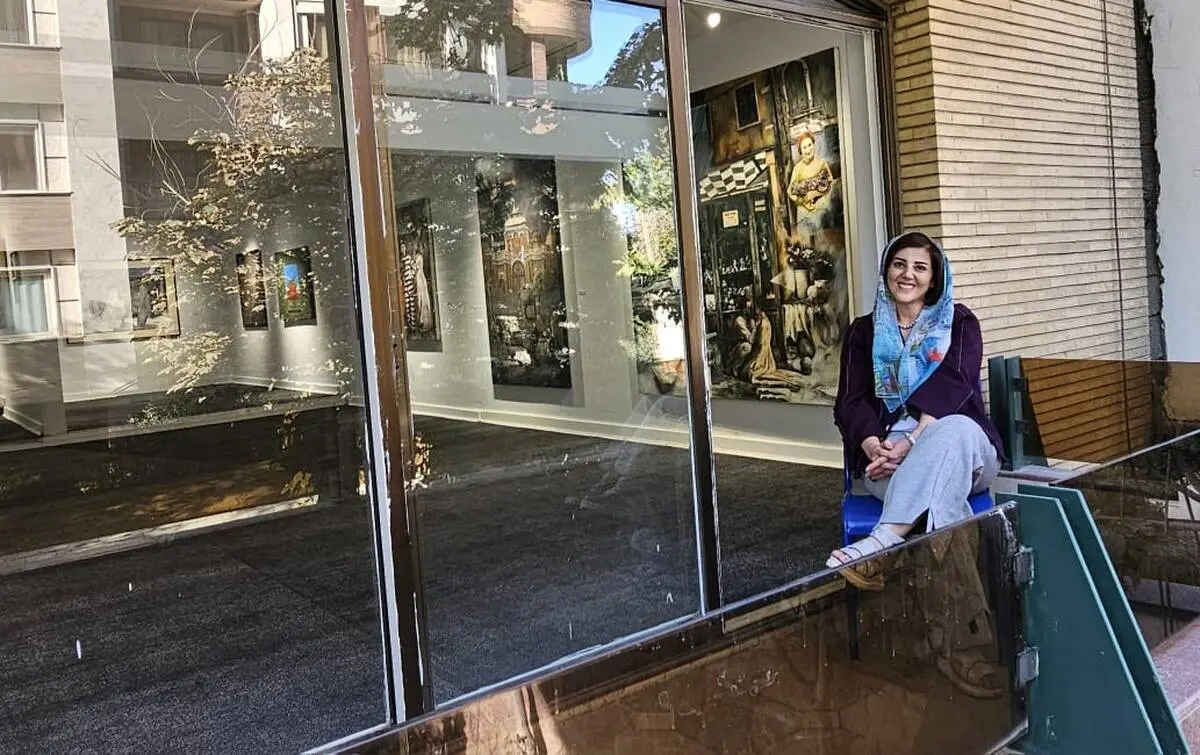
Zohreh Mehraban: From Frieze Abu Dhabi to Art Basel Qatar, the Middle East Is Positioning Itself on the Global Art Map
Zohreh Mehraban, Founder and Director of Maad Gallery: The presence of global brands is an opportunity for galleries in the region, but it is also a responsibility. We must be able to present our artists to international standards, translate local narratives into a global language, and demonstrate that art from the region is not a “special subject” for a global audience, but part of the contemporary conversation of world art.
ArtDayMe : Zohreh Mehraban, founder and director of Maad Gallery, writes:
Sometimes, the arrival of a brand in a city is not simply the arrival of a new name; it is a sign that the city’s position is changing on a larger map.
That is why I do not see the arrival of Frieze Abu Dhabi merely as the addition of another art fair to the region’s cultural calendar. What is taking shape in Abu Dhabi could be part of a much broader transformation: a shift in the Middle East’s position within the global economy, culture, and circulation of art.
Frieze Abu Dhabi will take place from November 19 to 22, 2026, at Manarat Al Saadiyat, at the heart of a region that is becoming an international cultural hub more than ever before. The inaugural edition will bring together more than 80 galleries from 64 cities and 37 countries and territories, ranging from regional galleries to major international names such as Gagosian, Pace Gallery, Thaddaeus Ropac, and Victoria Miro.
But the real significance of these numbers does not lie in the numbers themselves.
The question is what is being placed alongside what.
When galleries from the UAE, Saudi Arabia, Lebanon, Iran, Türkiye, Egypt, Tunisia, India, and other parts of the region stand alongside leading galleries from Europe, the United States, and Asia, something important happens: the region’s art market is no longer merely a place where Middle Eastern art is presented to the world. It is gradually becoming a space for an equal dialogue between different art markets across the globe.
That distinction matters enormously.
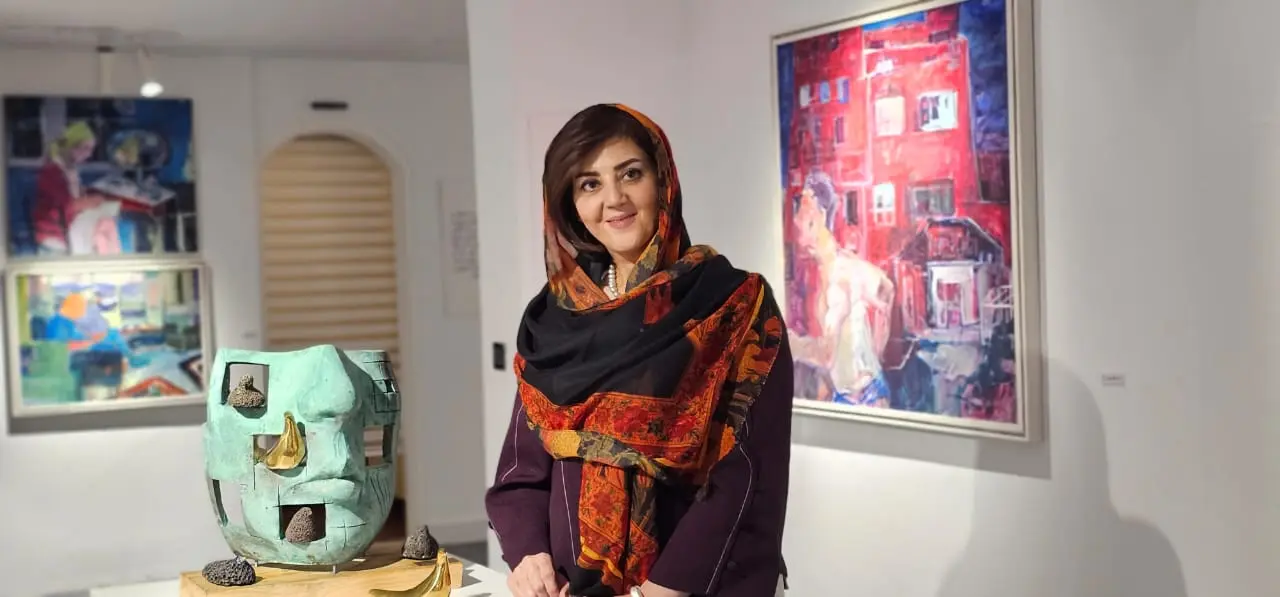
The Art Economy: Markets Grow When Infrastructure Grows
The art economy is not built simply through rising artwork prices or auction records. A strong market requires a network of interconnected elements: artists, galleries, collectors, museums, curators, cultural institutions, investors, media, professional exhibitions, and, of course, events capable of connecting these elements on an international scale.
From this perspective, the significance of Frieze Abu Dhabi lies in its potential to create a new economic and communications infrastructure for the region’s art market.
Abu Dhabi has already been pursuing such a path through Abu Dhabi Art, an event that over 17 years has succeeded in building connections among artists, galleries, collectors, and institutions across the region. Frieze is now emerging on the foundation of that history and network, while connecting it to its own global network.
This is particularly important from a gallerist’s perspective.
For a regional gallery, participating in an international art fair is not simply about selling a few artworks. An art fair is a place where credibility, relationships, visibility, and markets are built simultaneously.
A collector who comes to Abu Dhabi today to see artworks may travel tomorrow to Dubai, Beirut, Istanbul, Tehran, or Delhi to visit an artist’s exhibition. A curator who encounters an artist in Abu Dhabi may introduce that artist into a museum exhibition several months later. A gallery that becomes visible within this network may gain access to new markets.
The economic impact of a professional art fair, therefore, extends far beyond the sales figures generated by its booths.
Its real value lies in the network it creates.
Abu Dhabi, Dubai, and Doha: Three Points, One Ecosystem
I see the future of the region’s art scene not in competition among Middle Eastern cities, but in their potential for synergy.
In recent years, Dubai, through Art Dubai, has become one of the most important points of connection between the Middle Eastern art market and the world.
Doha, through Art Basel Qatar, is building a new center of gravity for art in the region, while Abu Dhabi is now entering a new phase with Frieze Abu Dhabi.
Although these three events each have their own distinct identities and structures, together they could create something much larger:
the formation of a new art circuit in the Middle East.
A circuit in which a collector can travel to Dubai for one season of the art calendar, continue to Doha for another major event, and encounter another part of the global art scene in Abu Dhabi.
Under such circumstances, international audiences will no longer perceive the Middle East as a collection of small, disconnected markets. Instead, they may begin to experience it as an interconnected cultural and economic region.
This is precisely the point at which the art economy can evolve from a fragmented market into an ecosystem.
But Art Is Not Only About Economics
Perhaps more important than the market is what is happening culturally.
The Middle East is a region shaped by extraordinarily complex histories, diverse civilizations, ancient trade routes, migration, war, displacement, and cultural exchange. Contemporary art from the region is likewise nourished by these very historical and social layers.
From this perspective, Frieze Abu Dhabi has an important characteristic: it is not intended merely to be an international art fair taking place in the Middle East.
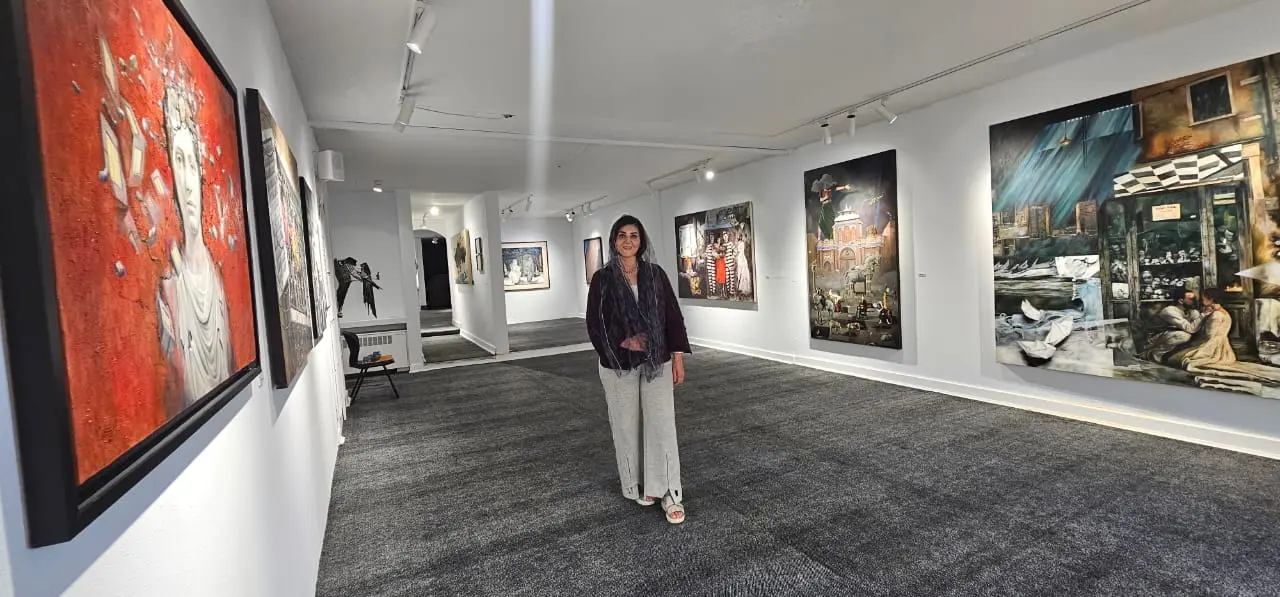
Its announced structure places dialogue with the region at its core from the outset. Global Futures focuses on artists whose practices engage with the histories and cultural ideas of the UAE and the wider region, while Frieze Masters Abu Dhabi, with its focus on the Indian Ocean, explores the movement of objects, people, and ideas through trade and cultural exchange.
This curatorial approach is particularly meaningful to me.
It moves the Middle East beyond the position of a “periphery” and reconsiders it as part of the history through which global cultural connections have been formed.
This region has always been a place of passage.
Today, however, it can become a place of convergence.
An Opportunity for Regional Art — and a Serious Test
Of course, we should not view this transformation through an excessively optimistic lens.
The arrival of major global brands in the region does not, by itself, guarantee the growth of regional art.
If the market simply becomes a place for selling the works of international artists, the greatest opportunity will be lost.
The significance of **Frieze Abu Dhabi — as well as Art Basel Qatar and Art Dubai — will multiply when the presence of global brands can also contribute to the growth of regional artists, galleries, and institutions; in other words, when capital and attention do not simply flow into the region, but also flow outward from the region to the world.
In this context, the presence of galleries from the UAE, Iran, Lebanon, Saudi Arabia, Türkiye, Egypt, Tunisia, and India alongside international galleries is particularly significant.
For us, as regional galleries, this is an opportunity; but it is also a responsibility.
We must be able to present our artists to international standards, translate local narratives into a global language, and demonstrate that art from the region is not a “special subject” for a global audience, but part of the contemporary conversation of world art.
The Real Competition Is No Longer About Hosting an Art Fair
In my view, the more important development in the coming years will be that cities across the region no longer compete merely over the number of galleries or visitors they attract.
The real competition is about building an ecosystem.
Which city can attract more collectors?
Which city can introduce more artists to the global network?
Which city can bring museums, galleries, universities, foundations, and investors together?
Which city can generate cultural tourism?
And, most importantly, which region can persuade global audiences to travel there to experience art — not simply to buy it?
If Abu Dhabi, Dubai, and Doha can move beyond seeing one another as competitors and instead operate as three nodes within a larger network, they have the potential to transform the face of the region’s art market in less than a decade.
Frieze Abu Dhabi could be an important catalyst in this process.
The Middle East and the Redefinition of Its Place in the Art Market
Perhaps the best way to describe what is happening is through a change in a single word.
For years, the Middle East was a destination for the global art world — a place to discover, observe, buy, or invest.
Now, however, the region can become a center: a center that itself generates cultural, economic, and intellectual currents.
This transformation is far greater than the arrival of a single art fair.
Alongside Art Dubai and Art Basel Qatar, Frieze Abu Dhabi can offer three different yet complementary windows onto the region — windows through which artists, galleries, collectors, and cultural institutions from the Middle East can connect with the world, while the world, in turn, encounters the region’s diverse narratives.
And perhaps this is the most important development of all:
The Middle East should no longer be merely a place where the art of the world is exhibited. It should become one of the places where the future of world art is shaped.
Frieze Abu Dhabi has not yet begun. But its significance can already be understood.
Because some events should not be judged by what they present on their opening day, but by the changes they have the potential to create in the years that follow.
From this perspective, Frieze Abu Dhabi could become one of the most significant milestones in a new chapter for art in the Middle East.
LEAVE A RELPY