
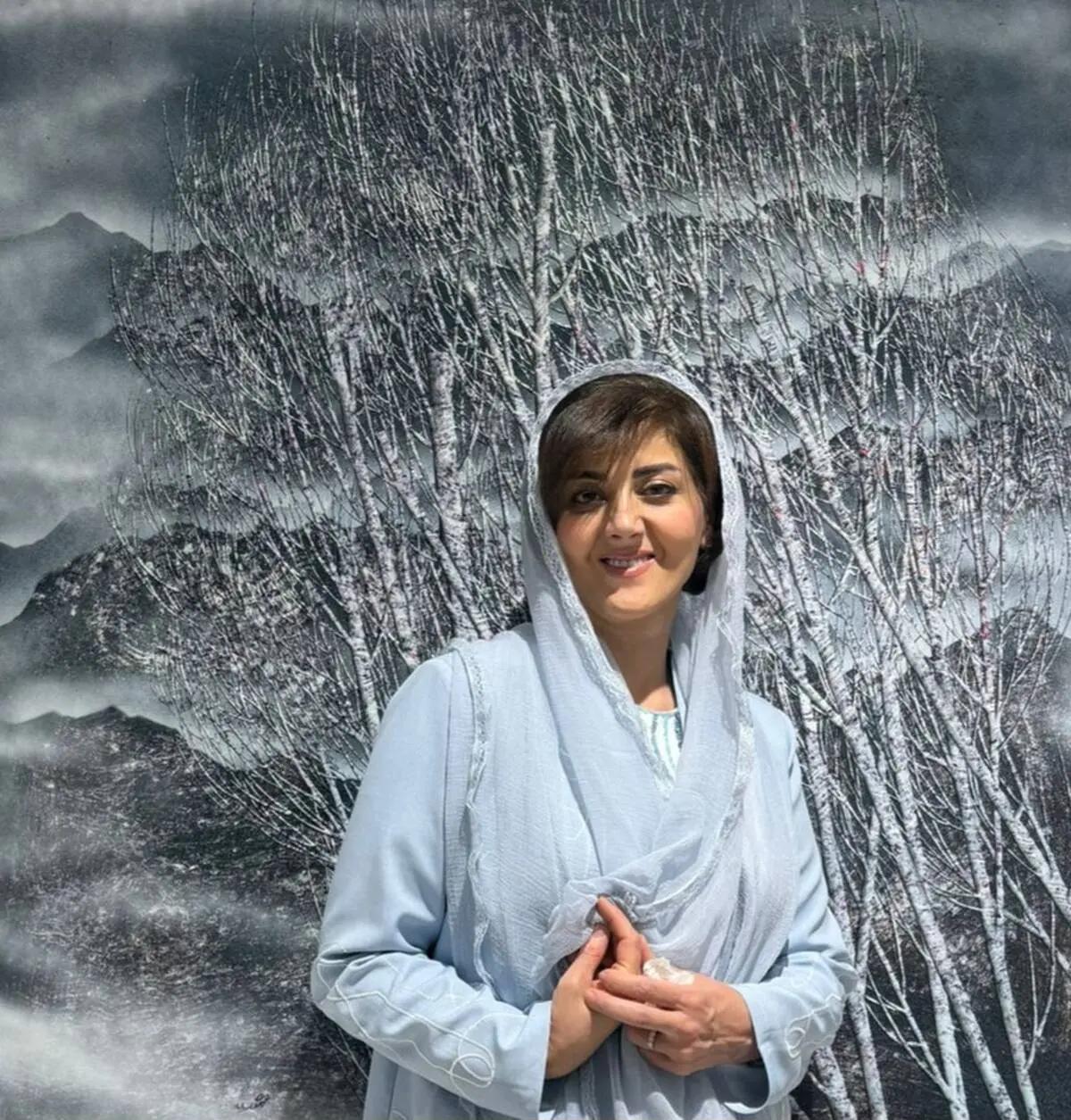
Zohreh Mehraban: The Art Market Has Evolved from a Luxury Commodity into a Safe-Haven Asset
The founder and director of MAAD Gallery believes that, from New York and London to Dubai, Doha, Jeddah, Beirut, Abu Dhabi, and Tehran, art is no longer merely a cultural icon—it has become an investment asset.
ArtDayMe : Zohreh Mehraban, Founder and Director of MAAD Gallery in Tehran, says:
"Over the past decade, the global art market has undergone one of the most significant transformations in its history—a shift that has elevated art from being solely a cultural commodity to becoming a safe-haven asset with substantial value appreciation potential. Today, many affluent families, investment funds, private banks, and major corporations regard artworks as an integral component of their investment portfolios, alongside gold, real estate, and equities."
According to Mehraban, this transformation is no longer a prediction or a theoretical assumption; it has become an established reality within the global economy.
She explains:
"If acquiring art was once primarily a cultural decision, today it has increasingly become an economic one as well. Beyond its social prestige, art has demonstrated its capacity to preserve wealth over the long term and, in many cases, generate substantial appreciation.
Global evidence clearly supports this reality. During the height of the COVID-19 pandemic, when many sectors of the world economy experienced severe downturns, online auctions held by Sotheby's, Christie's, and Phillips achieved record-breaking results. In 2021 alone, the global art market reached an estimated value of approximately US$65 billion, with a significant share of transactions conducted through digital platforms."
Zohreh Mehraban further notes:
"In recent years, despite the war in Ukraine, the prolonged crisis across the Middle East—with its evident impact on oil and gold prices and repeated volatility in U.S. financial markets—as well as broader geopolitical tensions and market instability, blue-chip artworks have continued to maintain their position as one of the world's safest alternative assets.
Unlike many highly speculative markets, art is generally acquired with a medium- to long-term investment horizon, a characteristic that naturally mitigates extreme price volatility."
The Director of MAAD Gallery emphasizes that the Middle East itself provides compelling evidence of this trend.
"In less than two decades, Dubai has established itself as one of the world's leading art-market hubs through the consolidation of Art Dubai, the development of exceptional cultural destinations such as Alserkal Avenue and Foundry by EMAAR at Boulevard Crescent, the expansion of the DIFC's arts ecosystem, the Al Quoz Creative Zone, the flourishing gallery districts of Jumeirah, the emergence of new creative streets such as Al Khayat Avenue, the growing presence of international galleries, and the increasing participation of major global collectors.
Even more exciting is the fact that Dubai now faces remarkably strong competitors across the region.
Abu Dhabi continues its cultural ascent through multi-billion-dollar investments in Louvre Abu Dhabi, Guggenheim Abu Dhabi, and the cultural institutions of Saadiyat Island—soon to be further strengthened by the highly anticipated arrival of Frieze.
Doha has regained international momentum with the arrival of Art Basel, alongside the remarkable Qatar Museums network, Katara Cultural Village, and Msheireb Downtown Doha.
Saudi Arabia's rapidly expanding cultural landscape is being driven by the remarkable rise of Jeddah, Riyadh, and now AlUla.
Lebanon and Syria continue to contribute their extraordinary artistic heritage to the region's cultural identity.
And, of course, there is Iran—with a population of nearly 90 million—whose artists, from classical and traditional masters to modern and contemporary creators, are represented in many of the region's most distinguished collections.
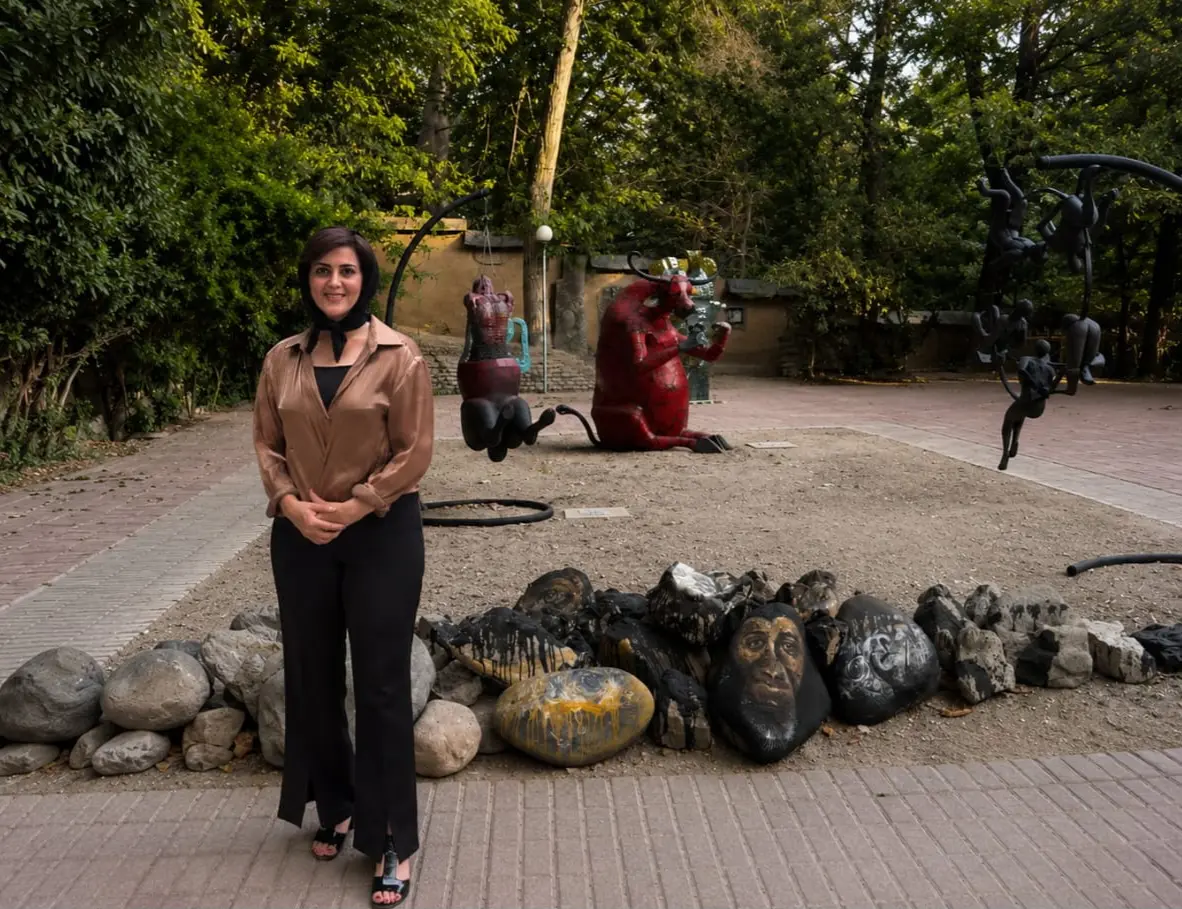
Together, these developments demonstrate that art today has become an essential component of national economic development strategies, rather than merely a cultural activity."
Zohreh Mehraban believes the value of art extends far beyond financial performance.
"No other asset is capable of simultaneously generating economic value, social prestige, cultural identity, and aesthetic pleasure while enriching its surrounding environment with beauty and serenity."
In conclusion, Zohreh Mehraban states:
"Purchasing an artwork is no longer simply an act of supporting an artist. It is an investment in an asset capable of creating cultural value while also providing capital preservation and long-term growth for collectors and investors.
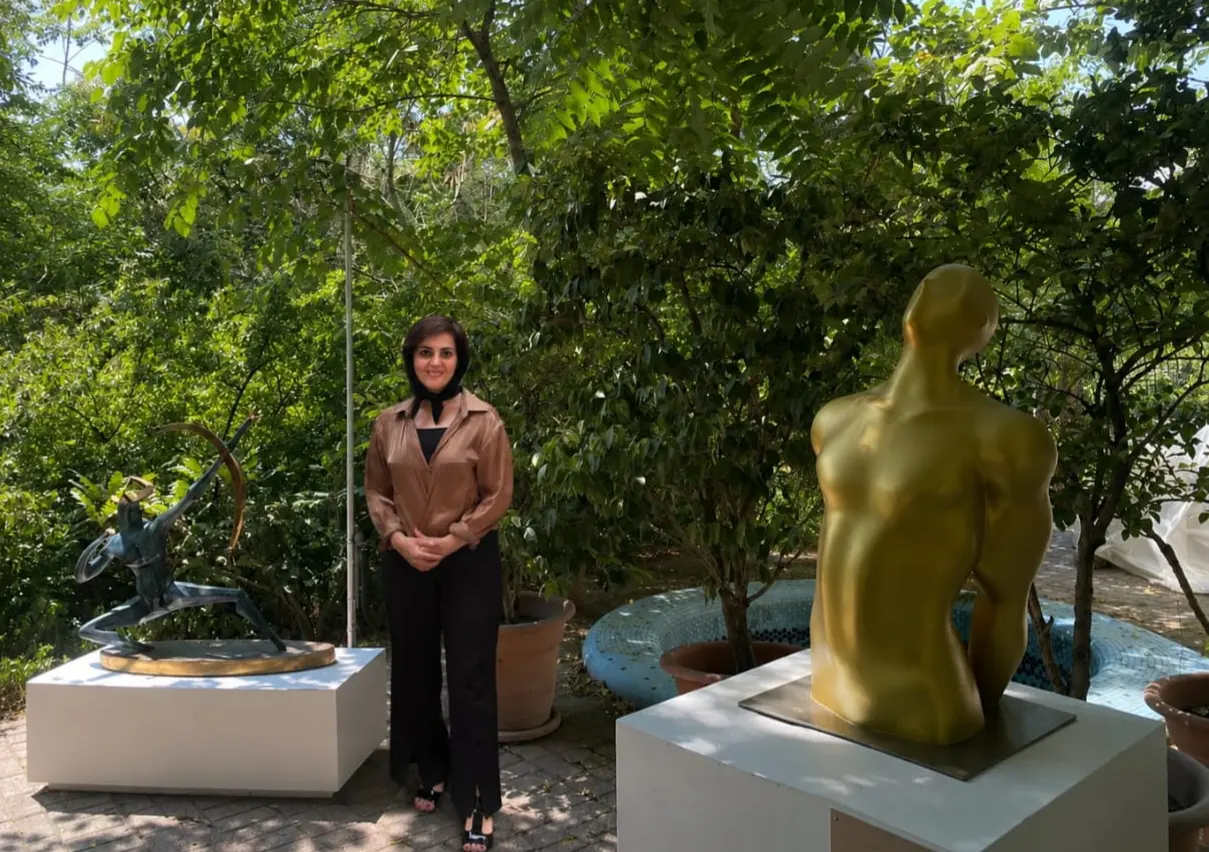
More than ever before, the art market has demonstrated its resilience, even amid global crises. The value of an artwork is never determined solely by its current price; it is rooted in its rarity, authenticity, historical significance, and documentary provenance.
Perhaps this is why an increasing number of economic theorists no longer regard art as a luxury commodity, but rather as one of the most resilient and enduring asset classes of the twenty-first century."
LEAVE A RELPY