
The Holy Quran Handwritten by Mohammad Ehsaei Unveiled at Tehran Museum of Contemporary Art / Photos
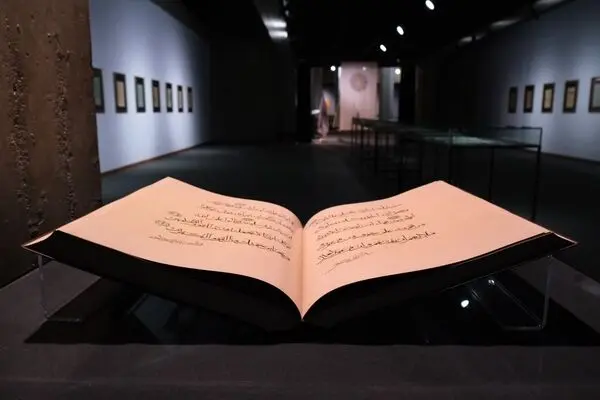
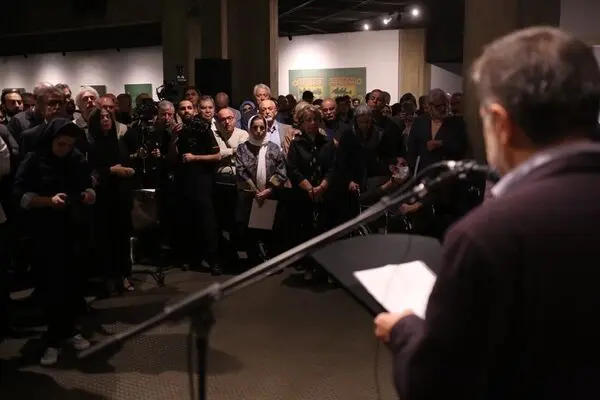
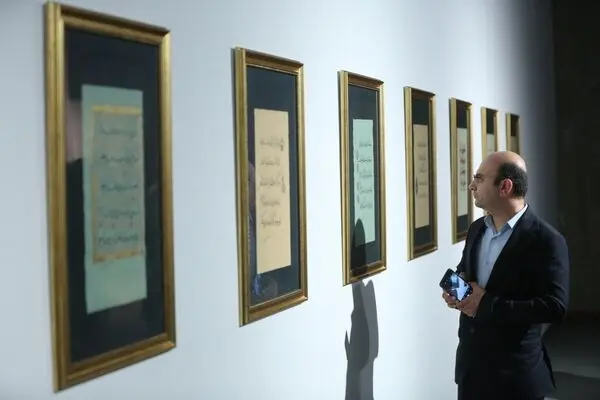
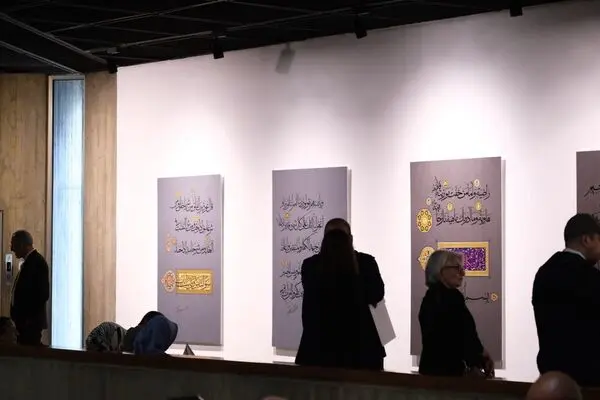
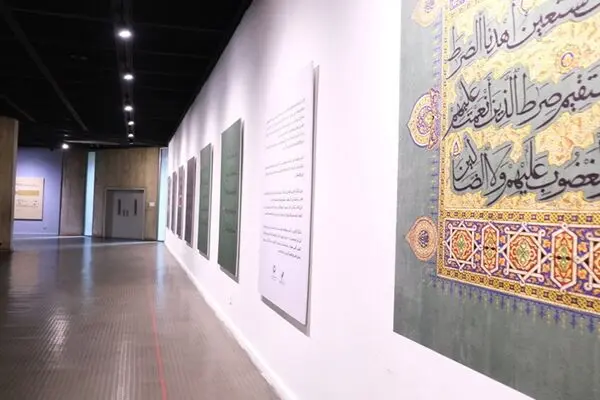
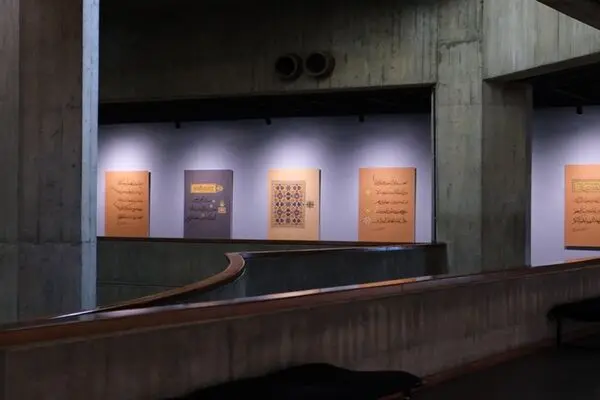
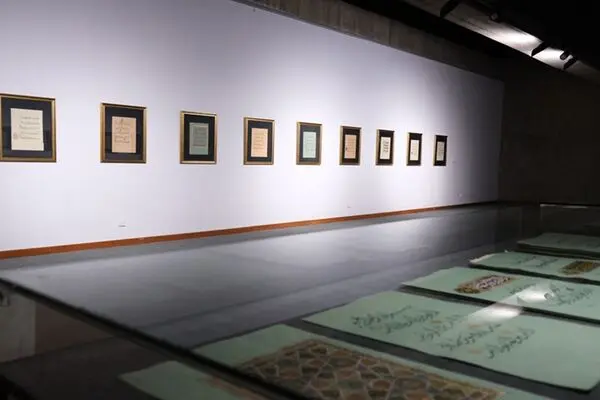
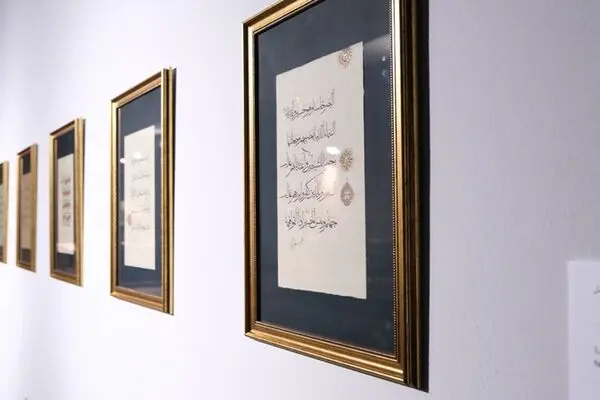
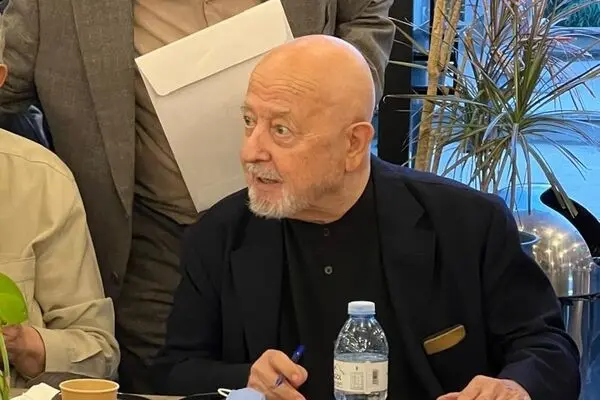
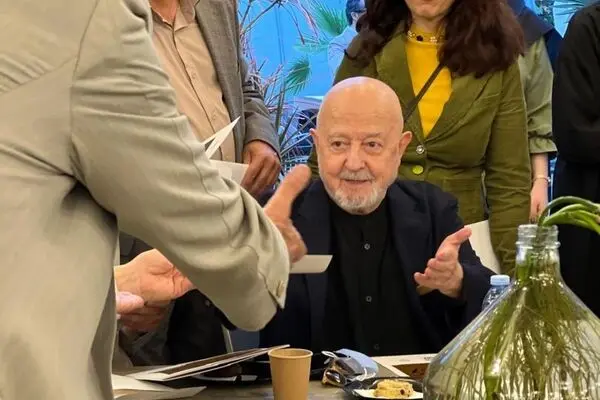
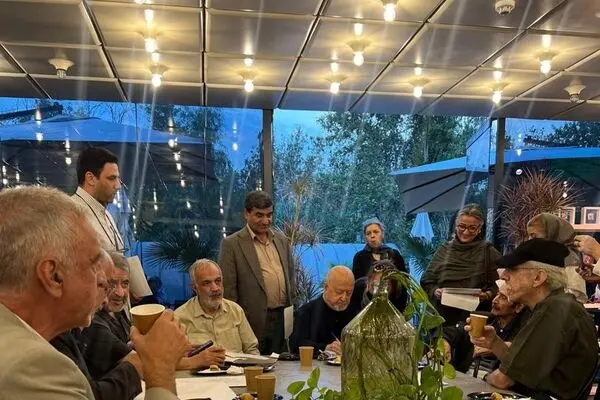
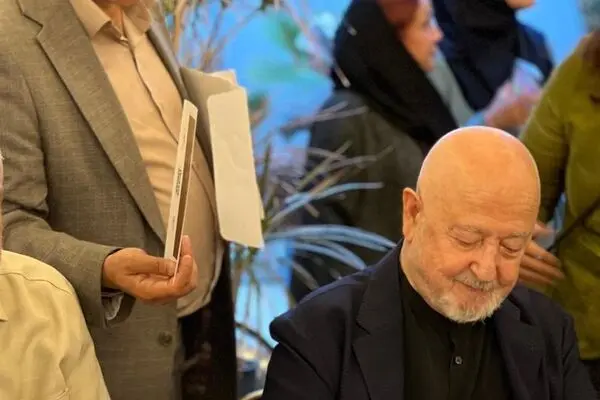
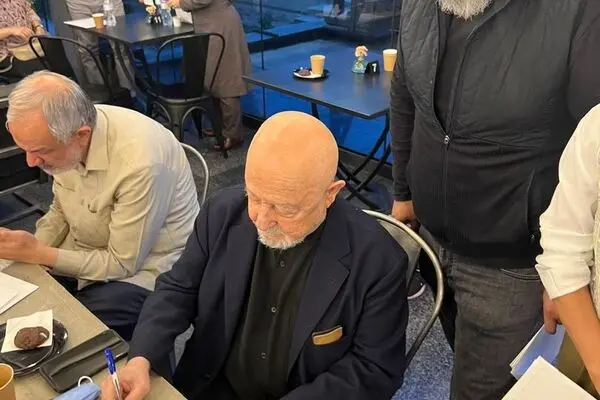
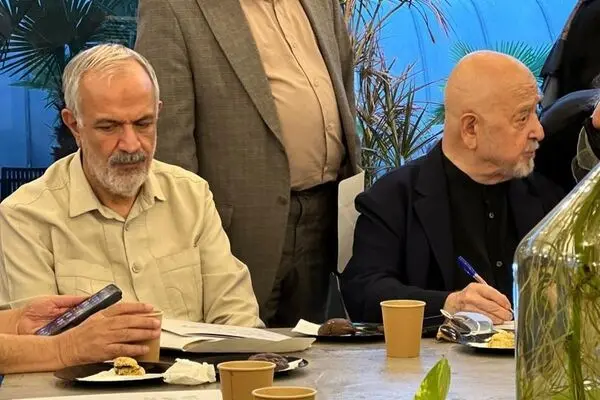
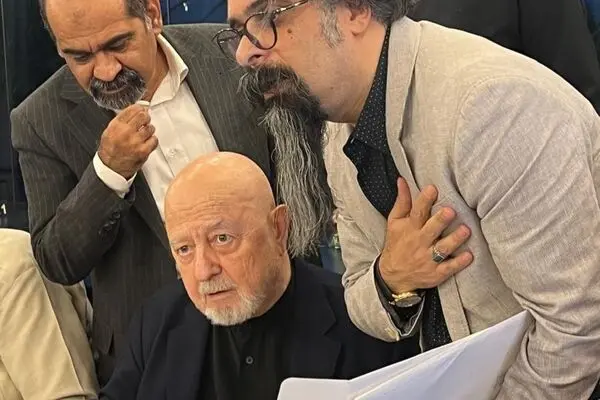
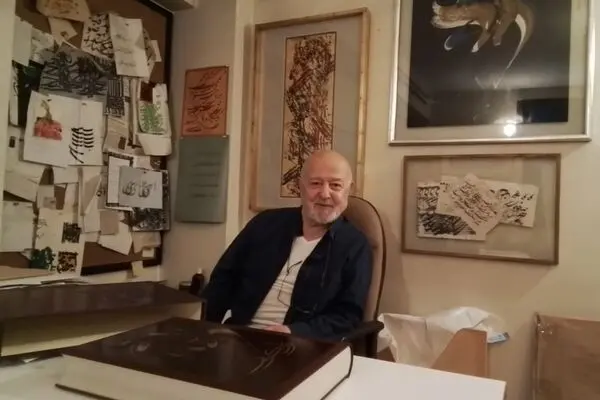
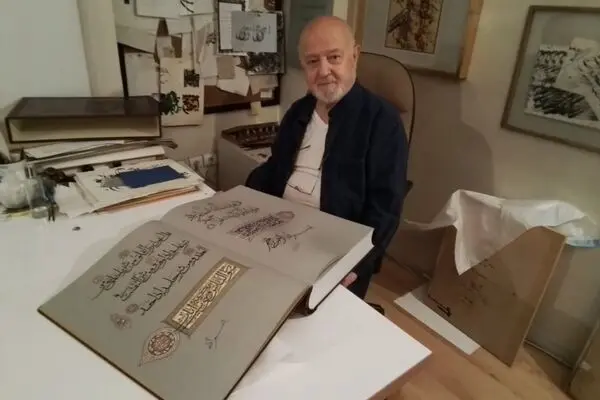
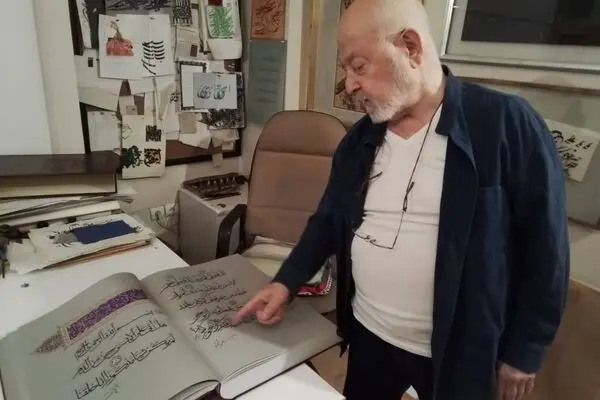
A grand unveiling ceremony for the Holy Quran handwritten by Master Seyed Mohammad Ehsaei (Mohammad Ehsaei), an eminent figure in Middle Eastern calligraphy and art, was held on the evening of Wednesday, October 21, at the Tehran Museum of Contemporary Art.
ArtDayMe : A grand unveiling ceremony for the Holy Quran handwritten by Master Seyed Mohammad Ehsaei (Mohammad Ehsaei), an eminent figure in Middle Eastern calligraphy and art, was held on the evening of Wednesday, October 21, at the Tehran Museum of Contemporary Art.
Master Ehsaei devoted approximately 12 years to writing this exquisite Quran. Throughout this period, there was hardly a day when he did not write at least one line of the Holy Book.
In an interview with IranArt on November 30, 2021, Master Ehsaei said:
“I asked the Creator and the Revealer of this Book to provide the means Himself, and He did. I asked Him to grant me the strength, and He did that, too. ...
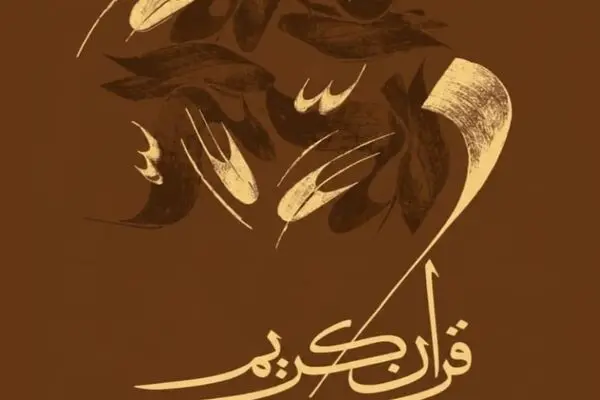
“For 40 years, I have been concerned with the transcription of the Noble Quran, and I wanted to revive the Muhaqqaq script alongside this undertaking. I have heard that in Arab countries, this script is known as Iranian Naskh. If it bears this name and is widely recognized, then we should feel a responsibility to work on it.
“I was interested in the Muhaqqaq script, and because no one was pursuing it, I became eager to study it and revive it through a contemporary interpretation of my own. Bear in mind that this script already existed, and I had to observe its established rules. For instance, I could not add to or subtract from the work of the renowned Yaqut al-Musta'simi.
“Nevertheless, my personal interpretation and my habit of painting inevitably influenced the work. At the same time, it is self-evident that I wrote the Quran for publication and reading. This is not merely a personal or purely artistic endeavor. The Quran is a book meant to be used, and others must be able to read it.”
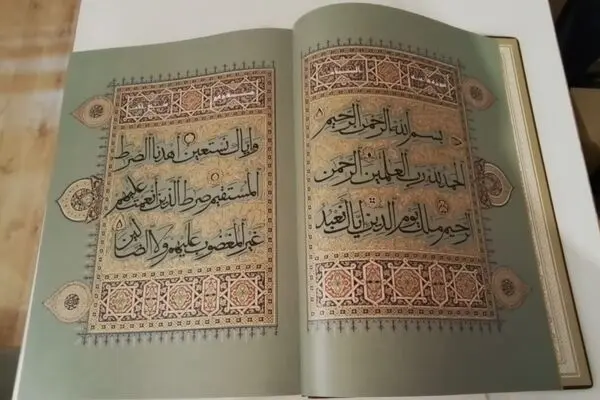
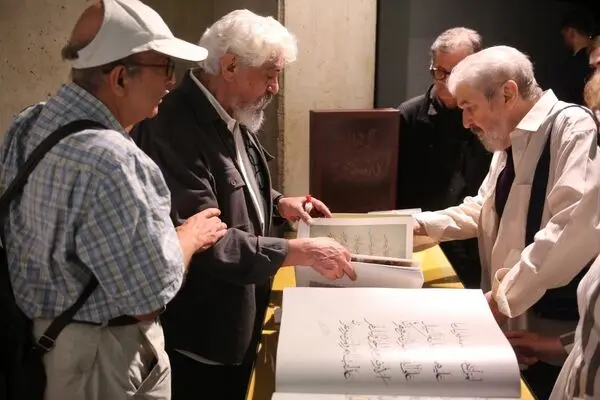
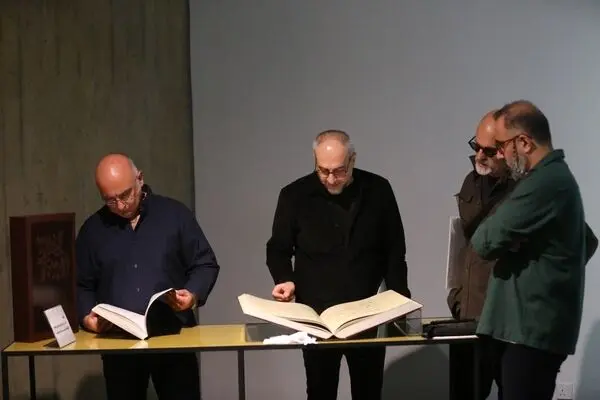
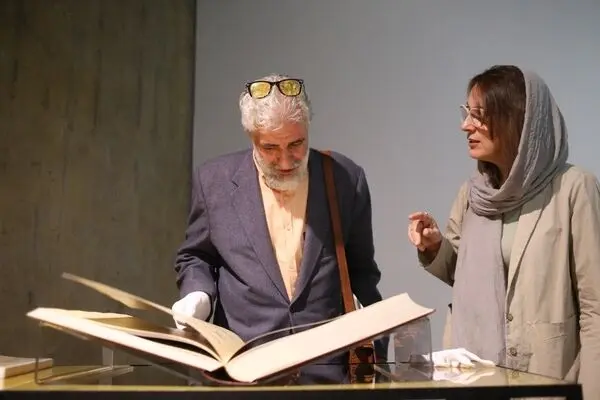
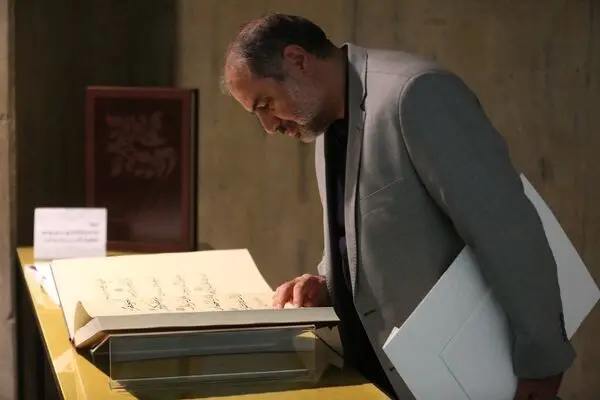
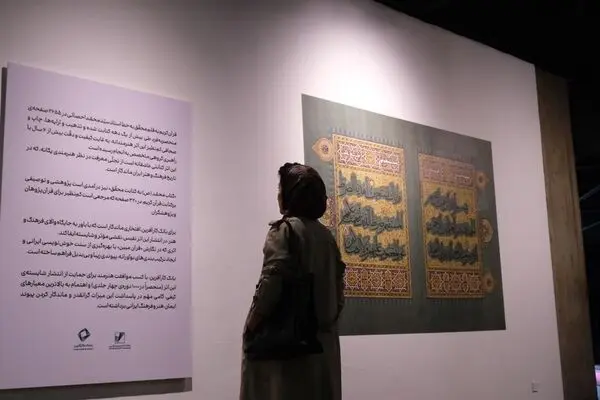
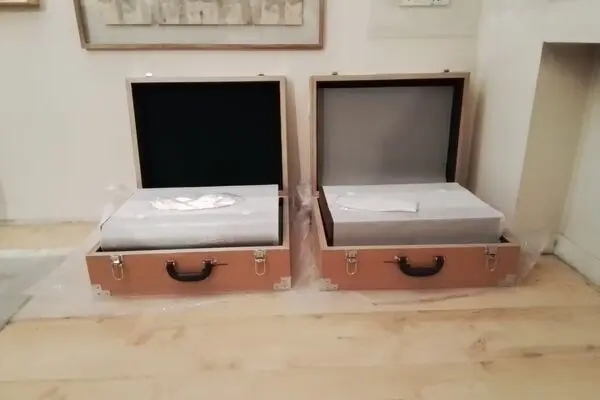
This magnificent four-volume Quran, comprising 2,650 pages with five lines on each page, has now been published with the support of Karafarin Bank and made available to the public.
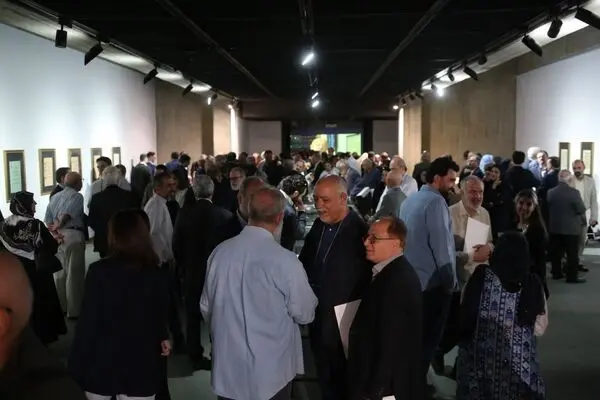
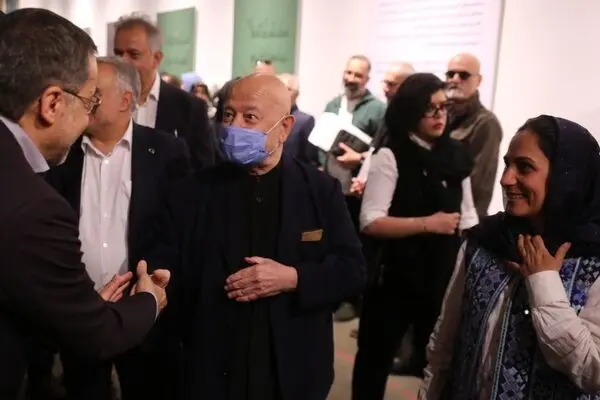
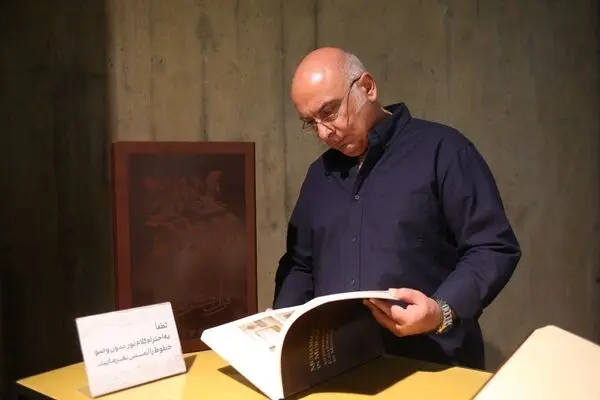
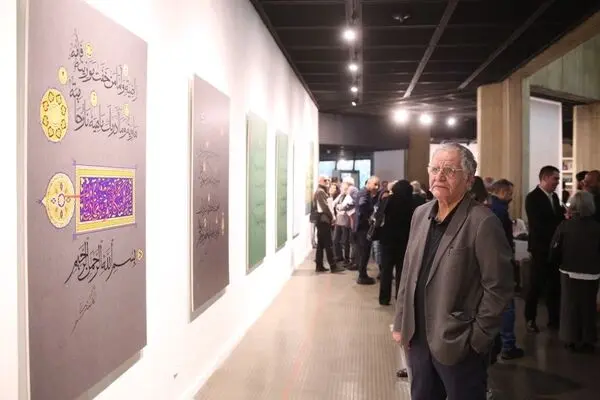
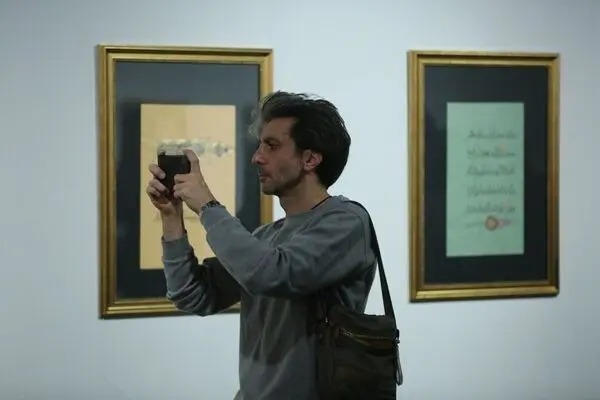
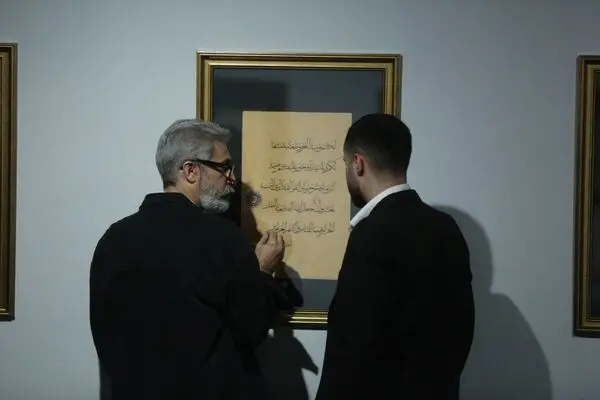
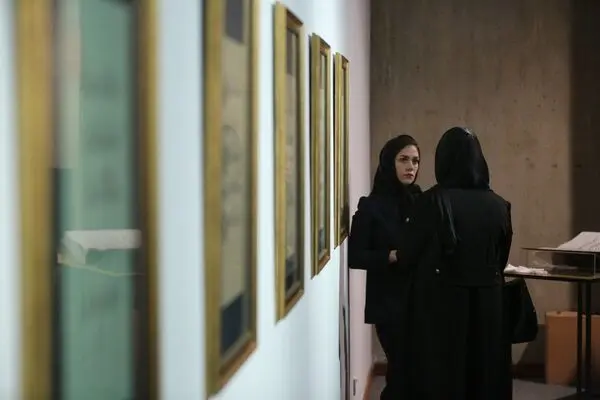
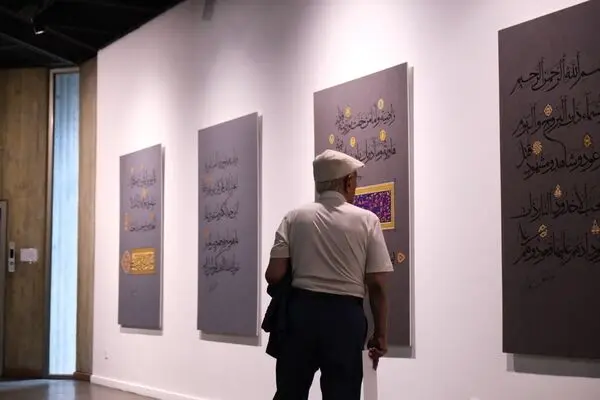
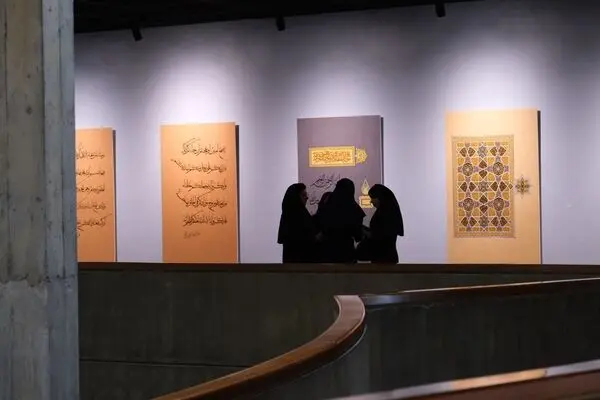
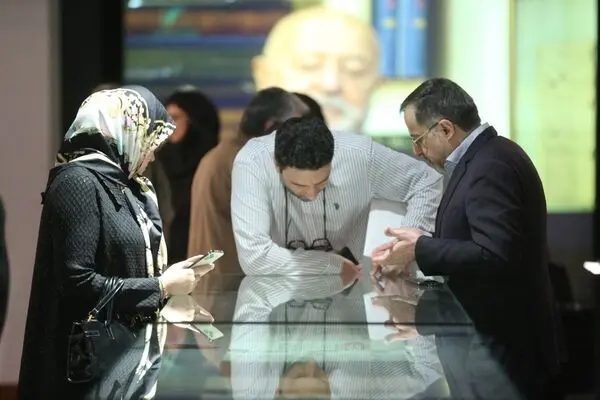
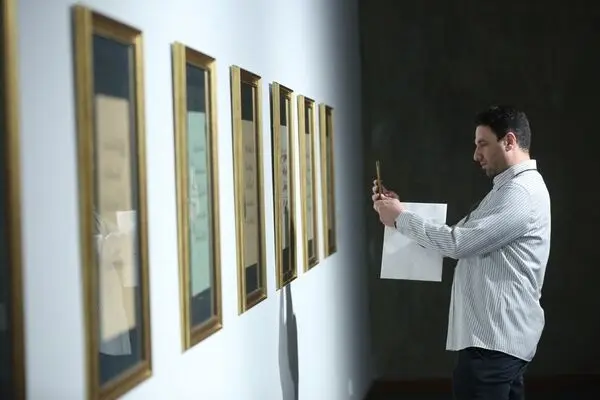
A large gathering of devotees of the Divine Word, researchers, and admirers of Master Seyed Mohammad Ehsaei's art visited the Tehran Museum of Contemporary Art to view this distinctive and beautiful work. The opportunity to see the Quran remains open to the public today and tomorrow.
Amrollah Farhadi, a prominent Iranian graphic designer and professor, who served as the project director for the printing and production of the Holy Quran, shared fascinating insights into the creation of this enduring work during the unveiling ceremony.
Farhadi said that the transcription of the Quran by Master Seyed Mohammad Ehsaei took approximately 12 years. The earliest marginal note by the artist concerning his work on the Quran dates back to January 2010. On average, Ehsaei wrote four pages a day, recording the place and time of writing alongside each page. These annotations provide a remarkable documentary record of the manuscript's creation.
“For example, it is possible to determine whether a page was written at his home, in his office, or while traveling to Paris, Venice, or Vancouver. This is particularly fascinating,” Farhadi explained.
“We all know that the master's specialty is the Nasta'liq script. To achieve proficiency in Muhaqqaq, he needed to practice, and part of those ten to twelve years was devoted to this training. It may be interesting to know that, in order to master the intricacies of Muhaqqaq calligraphy, he first transcribed Surahs Al-Baqarah and Al Imran as exercises. Once he felt he had grasped the essence and spirit of the script, he began writing the Quran itself. Interestingly, he transcribed Al-Baqarah and Al Imran again from the beginning as part of the final manuscript. We therefore have a practice version of these two surahs, which remains in the artist's possession.”
The artistic production of the Quran began in 2019 under the supervision of Majid Fadaeian. At that time, Ehsaei entrusted substantial portions of the handwritten manuscript to Fadaeian for the creation of its decorative elements and illumination. Fadaeian subsequently coordinated the work of three teams of specialists, who carried out the project with exceptional precision and delicacy. The volumes showcase the artistry of masters Esrafili and Alireza Akbari Javid.
Andisheh Bartar was responsible for prepress and printing, Shahab Matin Reza oversaw the bookbinding, the Toranj team handled cover production, and Mani Nouraei supervised color management and printing.
“On August 13, 2023, I joined the project as director of printing and production, with the support of Karafarin Bank,” Farhadi said. “The finest materials were selected for this publication. For example, we imported gold ink from Germany and Mont Blanc paper to ensure that every aspect of the project met the highest standards.”
Coinciding with the unveiling of the four-volume Quran handwritten by Master Mohammad Ehsaei, a research and descriptive publication titled Muhammad (PBUH) in the Muhaqqaq Script has also been published.
In addition to a biography and professional résumé of Ehsaei, the book features an article by Morteza Karimi-Nia, accompanied by 210 images. The study catalogues and reviews Quranic manuscripts published over the years across numerous countries, offering a broad survey of this tradition."
Amrollah Farhadi concluded by expressing his gratitude to the many individuals who contributed to and supported the creation of this major historical project. Foremost among them were the management and senior executives of Karafarin Bank, as well as Sahar Forouzan and Alireza Keshavarz, Director of Afarin Art Gallery, among others.
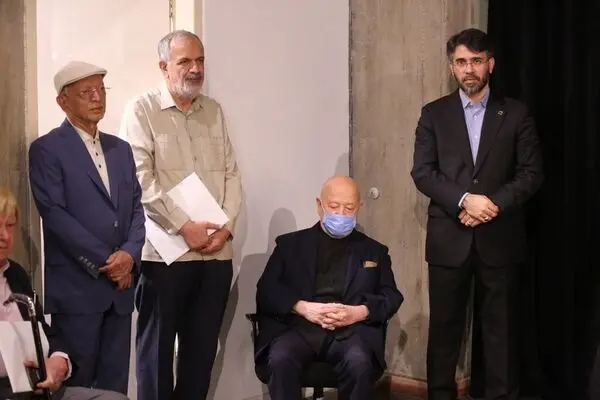
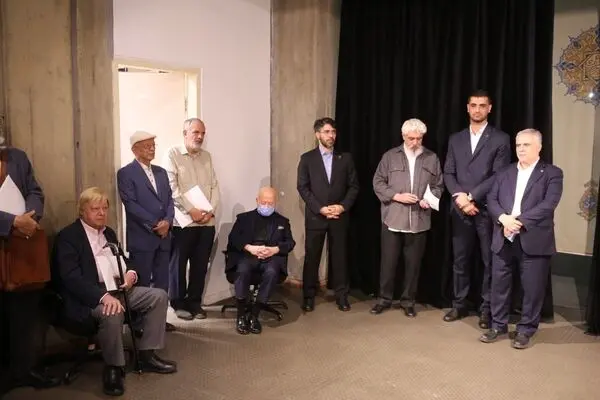
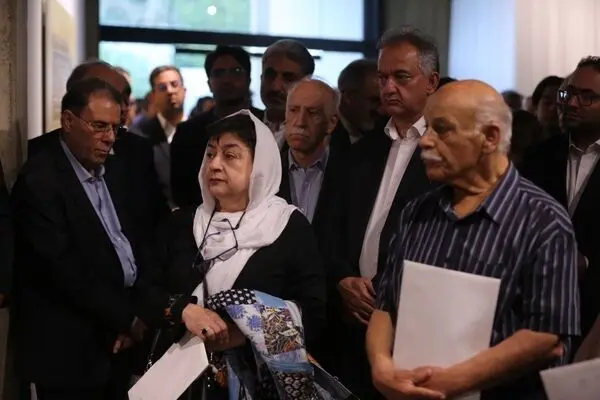
Notable figures from Iran's cultural, artistic, and economic communities attended the unveiling ceremony for the Noble Quran handwritten by Master Seyed Mohammad Ehsaei.
LEAVE A RELPY