
Mojdeh Tabatabaei and the Book In Search of Meaning: A Semiotic and Semio-Semantic Analysis of Mehdi Sahabi’s Visual Artworks
Mojdeh Tabatabaei and the Book In Search of Meaning: A Semiotic and Semio-Semantic Analysis of Mehdi Sahabi’s Visual Artworks / Exploring the Meaning Behind Mehdi Sahabi’s Picture Series
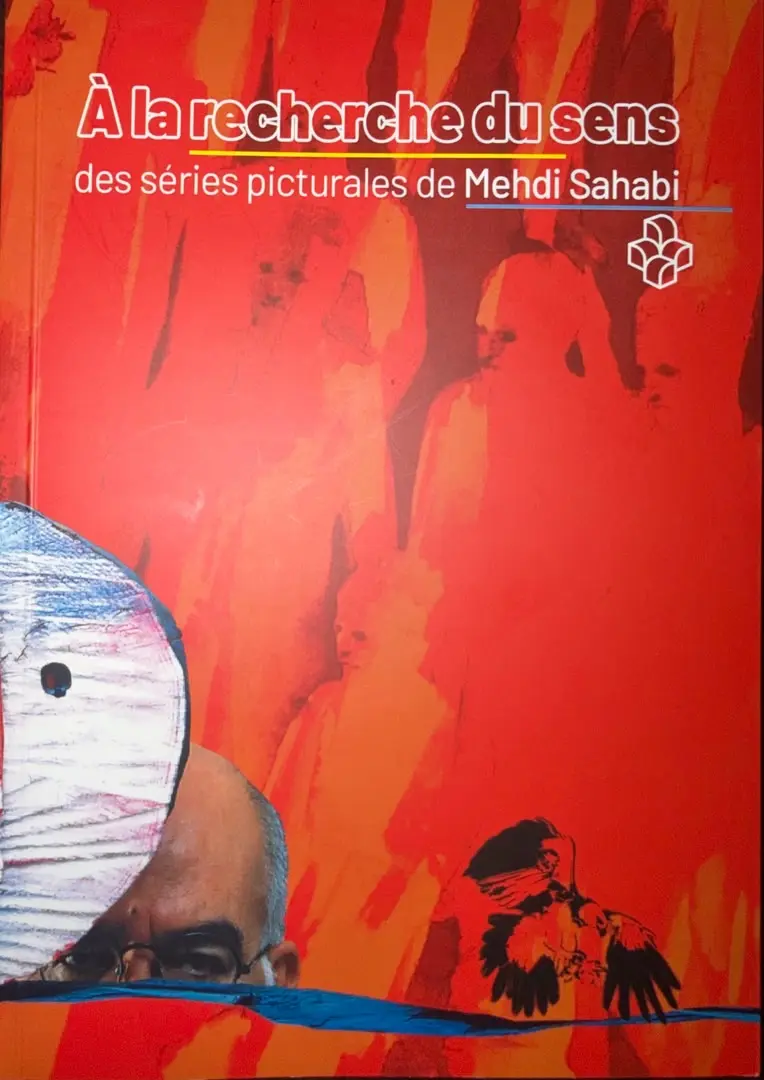
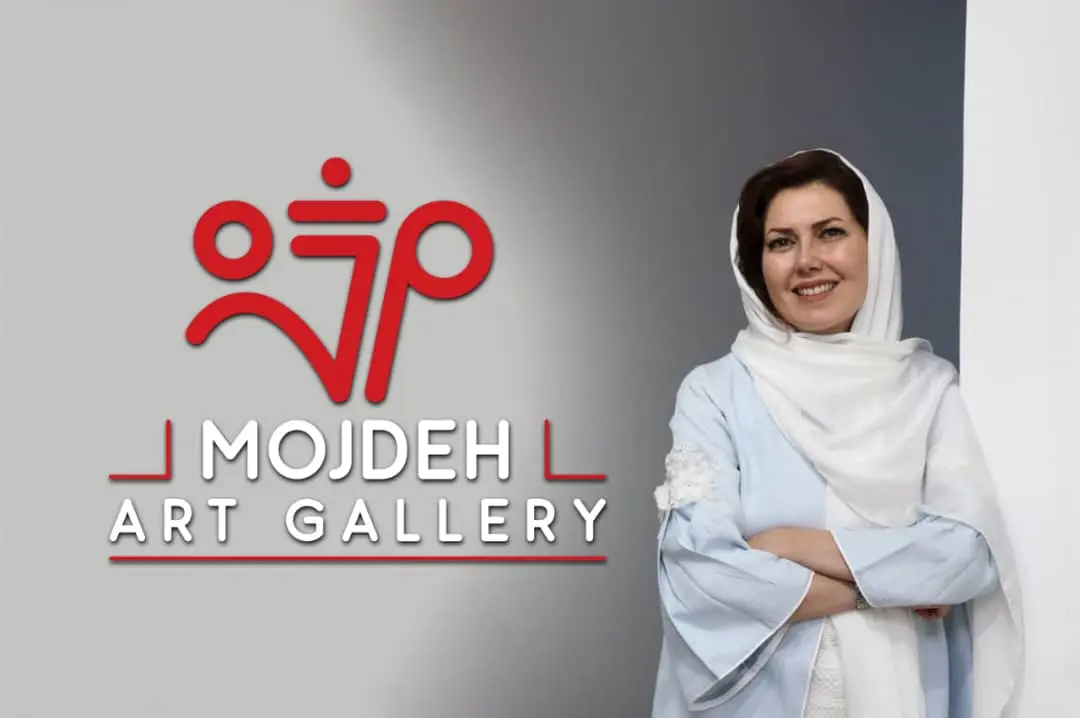
ArtDayMe: Mojdeh Tabatabaei, Founder and Director of Mojdeh Gallery in Tehran , will soon travel to Paris for the unveiling of the book In Search of Meaning: A Semiotic and Semio-Semantic Analysis of Mehdi Sahabi’s Visual Artworks (A la recherche du sens des séries pictures de Mehdi Sahabi).
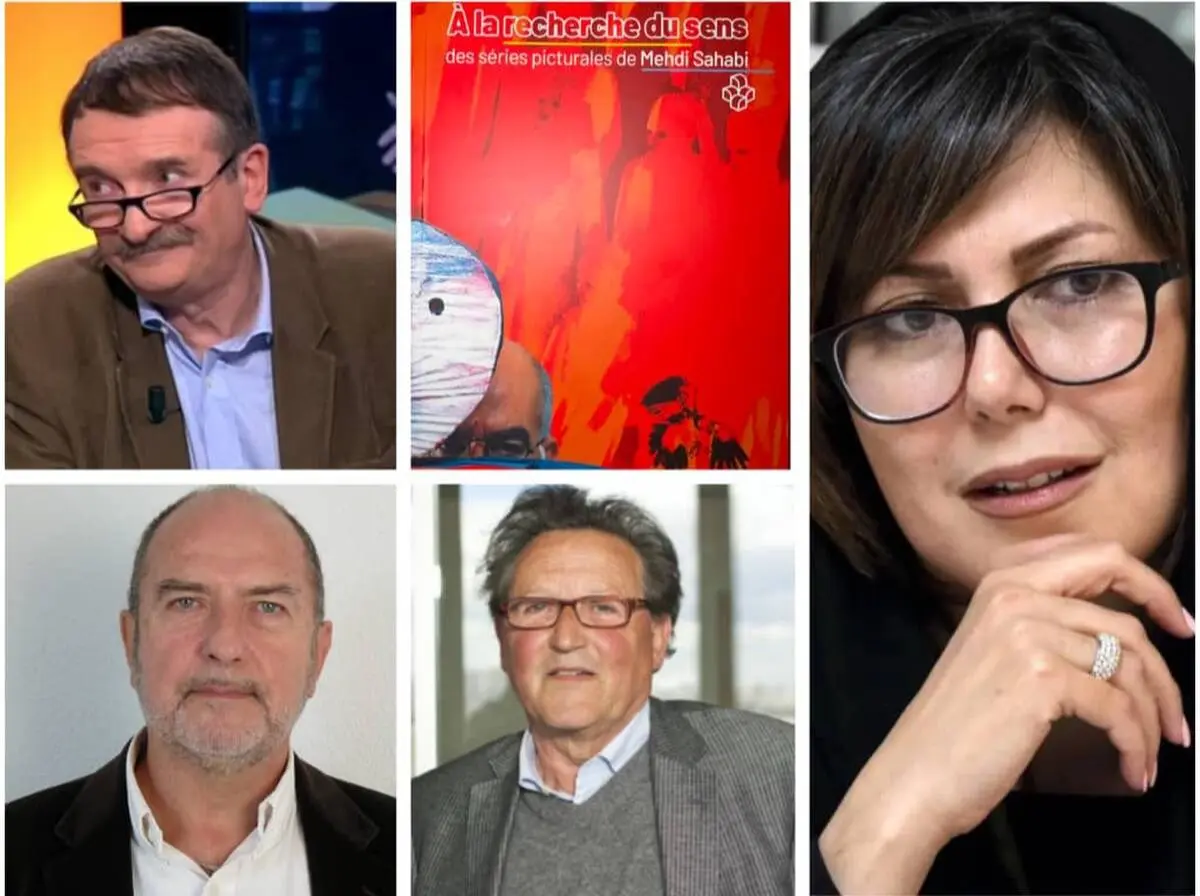
Published through the joint efforts of Mojdeh Gallery, the Sahabi Foundation, and the Tehran Museum of Contemporary Art, this bilingual Persian–French volume brings together three scholarly essays on the works of Mehdi Sahabi. The essays are authored by three distinguished French semioticians: Jacques Fontanille, Denis Bertrand, and Ivan Darrault Harris.
This publication stands out in the Iranian art landscape for at least two reasons:
First: The book contains research essays by three internationally renowned French semioticians dedicated to the work of an Iranian artist. As Dr. Bahman Namvar Motlagh, then-President of the Iranian Academy of Arts, remarked during the book’s unveiling ceremony:
“In my opinion, what Mojdeh Gallery has accomplished through the publication of this book is unparalleled. You succeeded in introducing one of our artists to some of the world’s foremost semioticians, who subsequently wrote about his work. This is of great importance because these scholars are global references in semiotics, and when they discuss an artist, that artist gains significant international recognition.”
Second: The book emerged from a series of specialized academic sessions organized alongside a major museum exhibition devoted to a single artist.
For this reason, revisiting the story behind the creation of this publication is particularly compelling.
_ A Retrospective Exhibition of Mehdi Sahabi at the Tehran Museum of Contemporary Art, Curated by Mojdeh Tabatabaei
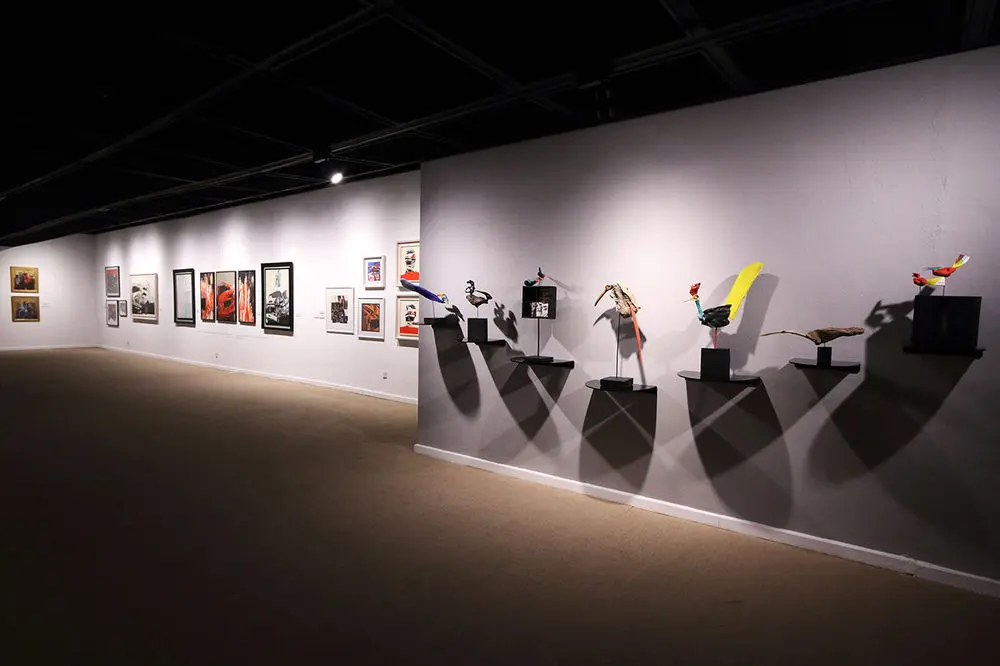
Everything began with the retrospective exhibition of Mehdi Sahabi’s works at the Tehran Museum of Contemporary Art, curated by Mojdeh Tabatabaei. In the autumn of 2021, this leading Middle Eastern museum, in collaboration with Mojdeh Gallery and the Mehdi Sahabi Foundation, presented 126 works by the artist. The exhibition was met with remarkable acclaim from artists, critics, and the media.
In addition to displaying Sahabi’s paintings, photographs, and sculptures, the exhibition included two supplementary sections: a literary section and a research section. Given Sahabi’s prominent role as a translator, the literary component creatively introduced and examined his published books along the museum’s entrance ramp. The research section featured a series of scholarly discussions exploring lesser-known dimensions of Sahabi’s artistic practice, bringing together leading art professionals and researchers.
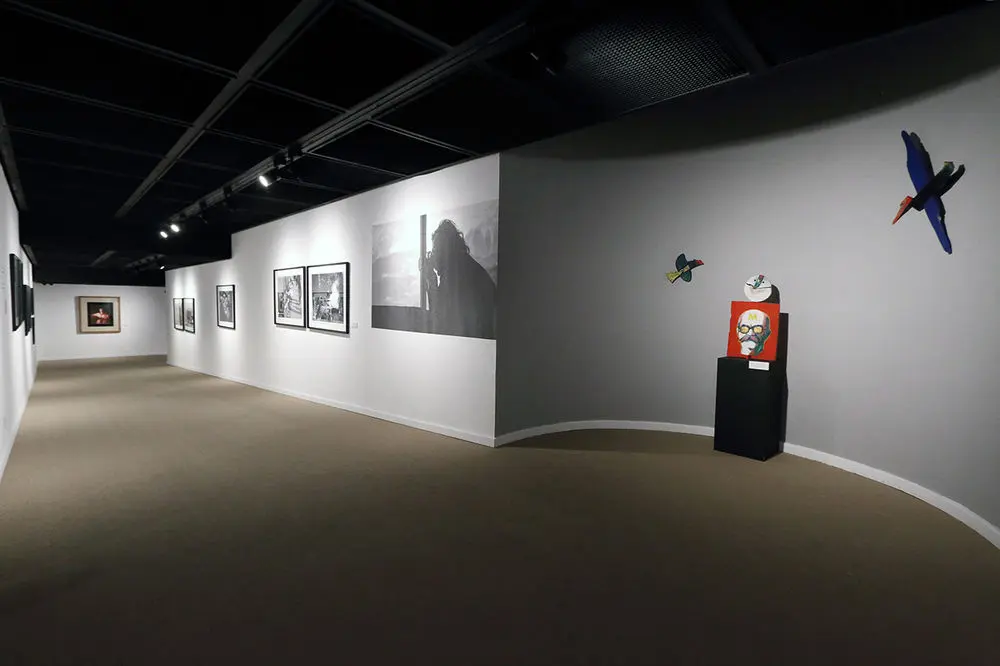
Notably, the exhibition also launched two publications: A Retrospective of Mehdi Sahabi’s Works, featuring 310 artworks, and The Quest of Words, a collection of essays examining Sahabi’s visual and literary perspectives.
_ A Semiotics Symposium with Three French Professors
On November 30, 2021, at the height of the Mehdi Sahabi exhibition, a landmark semiotics symposium was held online with the participation of three French professors. This event ultimately became the foundation for the book.
The symposium took place at the library of the Tehran Museum of Contemporary Art and was moderated by Dr. Hamidreza Shairi, Professor of Semio-Semantics at Tarbiat Modares University.
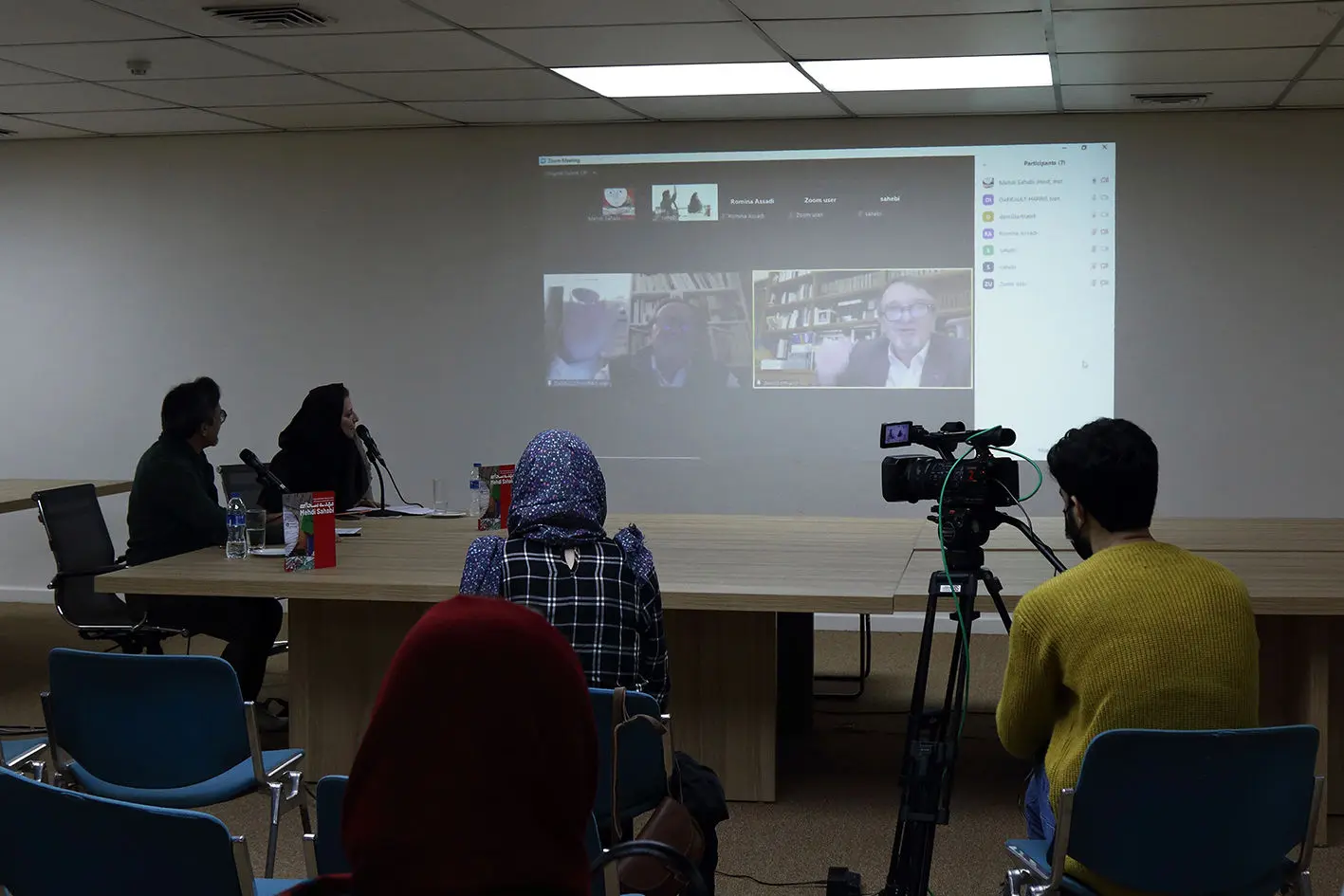
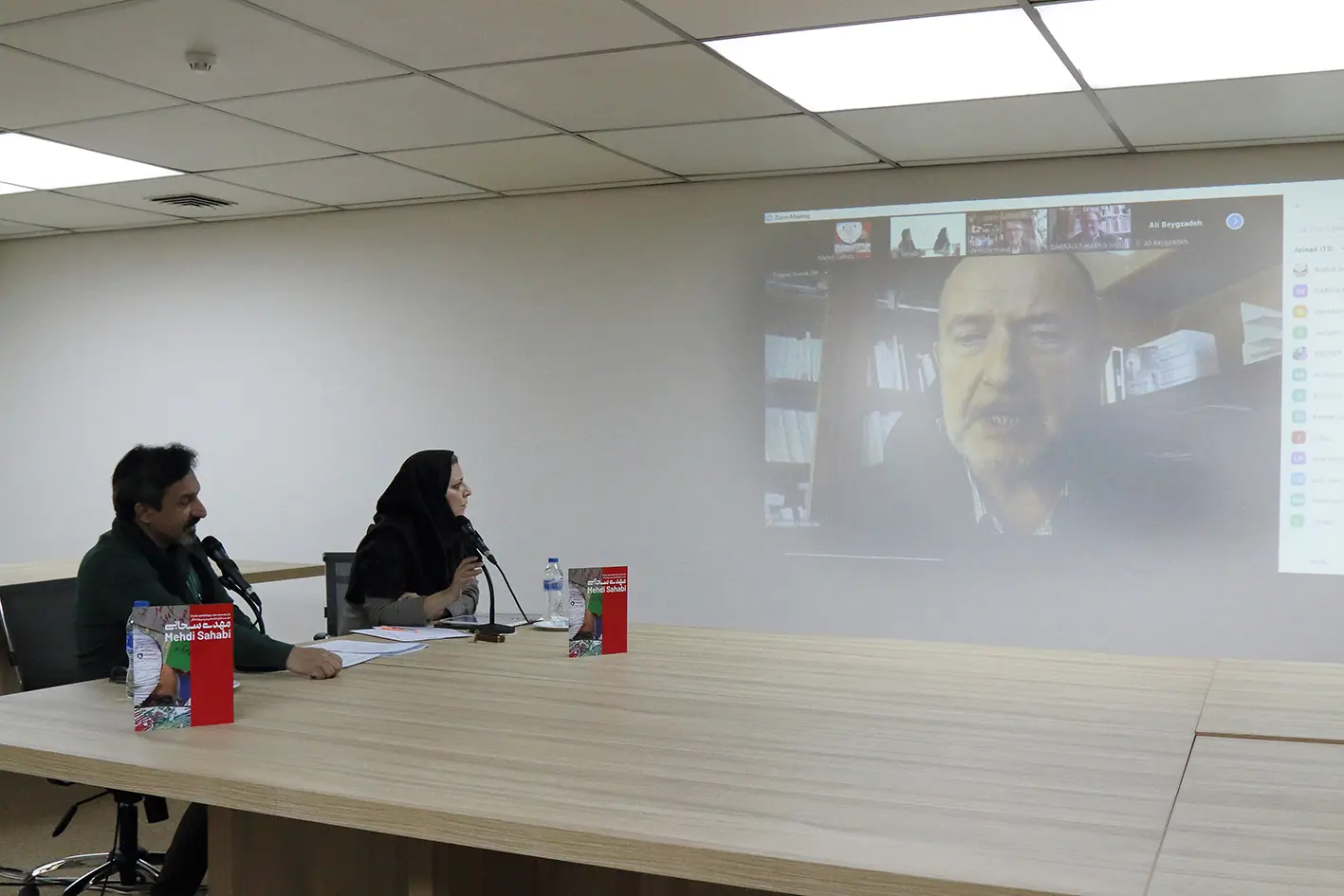
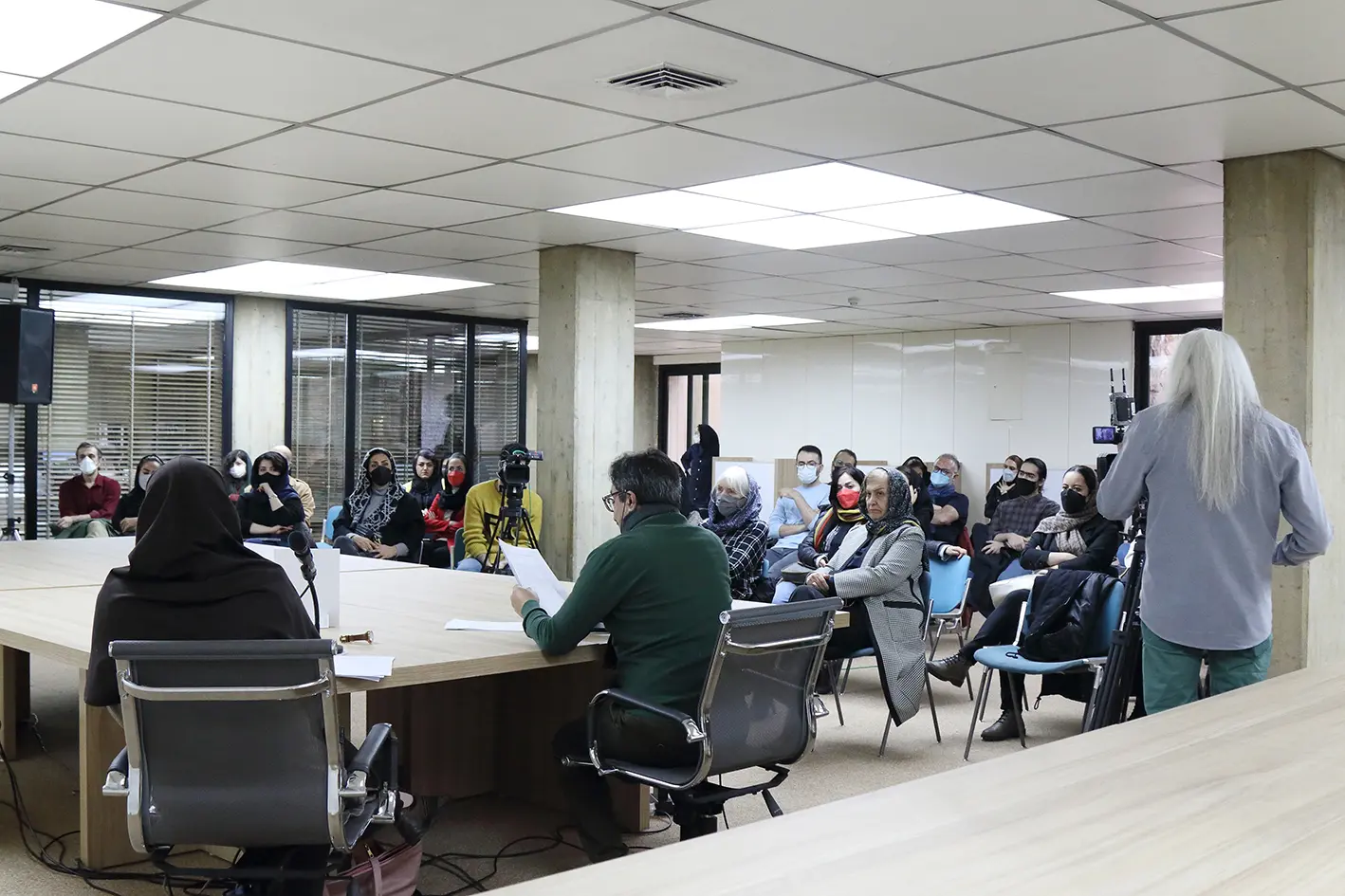
At the time, media outlets reported:
“Three professors from Paris 8 University and the University of Limoges participated online in the third specialized session accompanying the Mehdi Sahabi retrospective exhibition under the title ‘Semiotics and Meaning,’ where they analyzed the underlying themes of Sahabi’s paintings.”
_ Part One: Professor Jacques Fontanille
The first lecture, titled “The Enigmatic Nature of Mehdi Sahabi’s Serial Works: A Semiotics of Artistic Effect,” was delivered by Professor Jacques Fontanille, semiotician and Professor Emeritus at the University of Limoges.
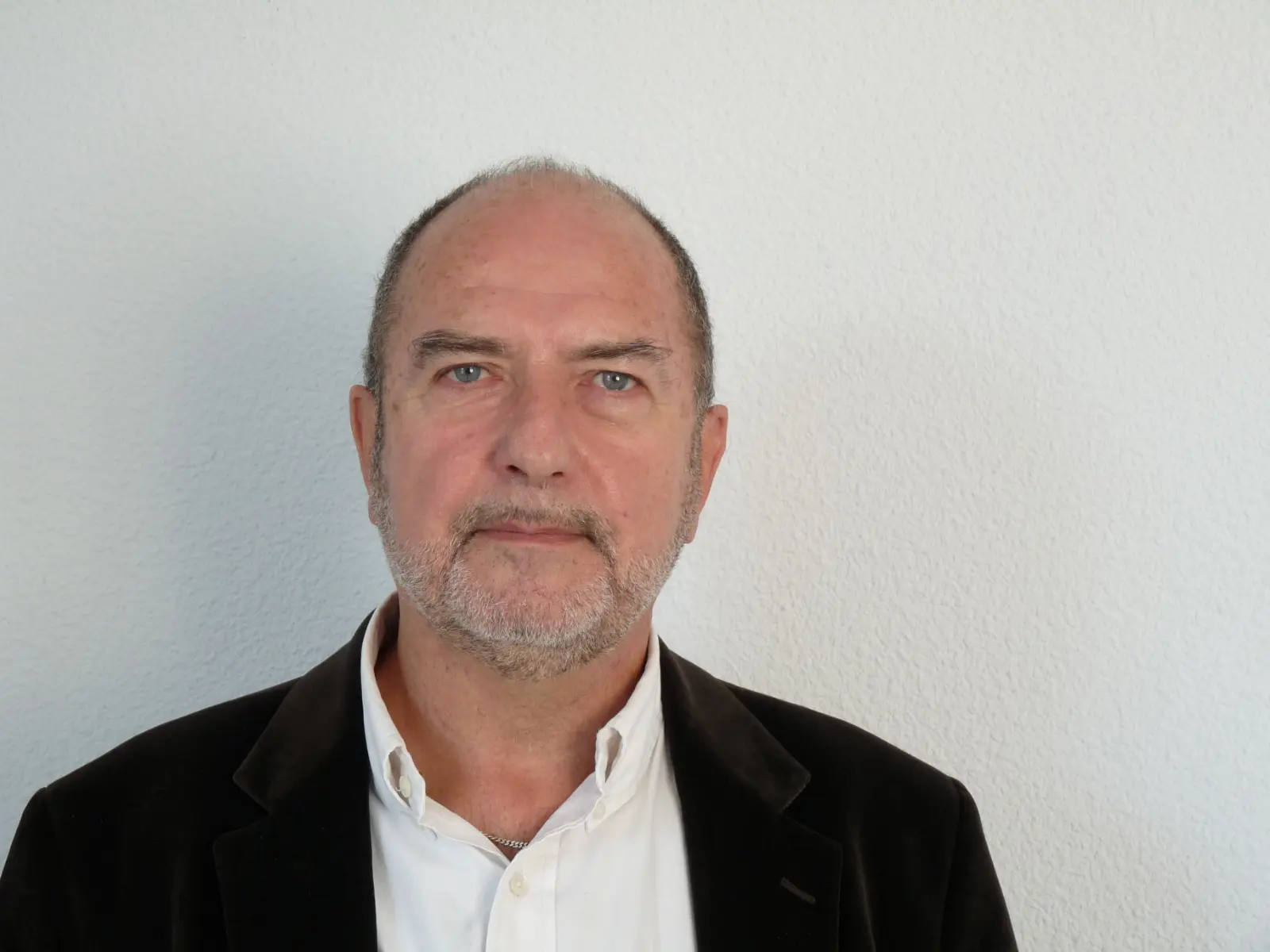
Fontanille explained that from a semio-semantic perspective, art is fundamentally a producer of meaning. Artistic emotions, sensations, and perceptions constitute aesthetic, emotional, and cognitive events present in every artwork. This production of meaning results from a process that can be reconstructed and understood as “artification.”
To achieve this understanding, one must move beyond the object itself to examine the process of becoming art. A painting is not limited to its imagery; rather, it is a semiotic object composed of multiple layers and dimensions, including process, medium, materiality, energy, and the various existential aspects through which the work functions within culture and society.
He emphasized that this description applies perfectly to Mehdi Sahabi’s oeuvre. A Sahabi artwork is almost always part of a series, reflecting his fundamental artistic method. According to Fontanille, three defining characteristics emerge in these series:
The distinctive tension between innovative image-making and practical intervisual expression.
Sahabi’s attention to the homogeneity and heterogeneity of visual signs.
The multiple visual and actorial layers of his works, reflecting the artist’s dynamic imagination.
_ Part Two: Professor Denis Bertrand
The second lecture, “Face and Faciality: A Persistent Metaphor in the Work of Mehdi Sahabi,” was presented by Professor Denis Bertrand, semiotician and Professor Emeritus at Paris 8 University.
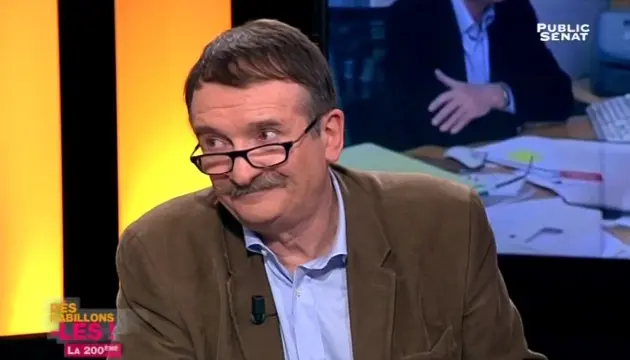
Bertrand observed that the motif of the face occupies a central position throughout Sahabi’s work. Sometimes it appears directly and frontally, as seen in series such as Portraits, Achaemenids, Figures, and Documentary Photography.
At other times, the face appears indirectly or from alternative perspectives, as in the series Murals, Totems, Puzzle Cars, and Scrap Cars. In these bodies of work, facial representation becomes blurred, distorted, and transformed.
According to Bertrand, faciality functions as a recurring motif between figurality and figurativity, forming one of Sahabi’s central artistic concerns. He stressed that each manifestation of the face in Sahabi’s work possesses cultural and social origins, and that through analyzing these faces—from faded to fragmented forms—one can gain deeper insight into the artist’s intellectual vision.
_ Part Three: Professor Ivan Darrault Harris
The final lecture was delivered by Professor Ivan Darrault Harris, semiotician, psychoanalyst, and Professor Emeritus at the University of Limoges.

His presentation focused on “Out-of-Genre: The Constitutive Concept of a Constant Element in Reading Paintings – An Analysis of Mehdi Sahabi’s Scrap Cars Series.”
Darrault Harris argued that identifying “out-of-genre” perspectives—instances in which a work belongs to no specific genre—offers a methodological approach to understanding visual composition through semiotic relationships. Such analysis can be grounded in purely formal criteria derived from textual and morphological structures rather than solely conceptual interpretations.
Formal concepts, he noted, can themselves carry meaning and become vehicles of interpretation, ensuring that critical readings are not merely subjective constructions of the observer.
He further explained that Sahabi’s Scrap Cars series occupies a unique position: while it cannot be fully categorized as figurative painting, neither does it completely belong to abstract art. The series contains recognizable elements of vehicles, enabling viewers to identify parts of automobiles despite the absence of conventional representation.
Consequently, the concept of “out-of-genre” allows critics to perceive additional dimensions of meaning through unlikely spatial configurations that the eye recognizes immediately, even before interpretive meaning begins to emerge.
_ Unveiling of In Search of Meaning: A Semiotic and Semio-Semantic Analysis of Mehdi Sahabi’s Visual Artworks at the Tehran Museum of Contemporary Art
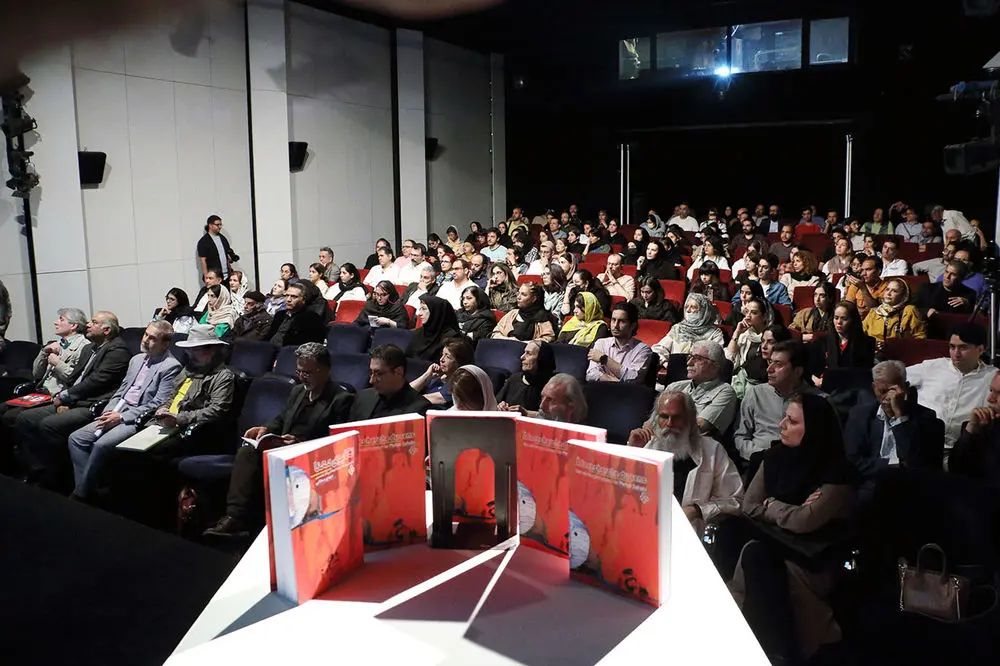
On May 9, 2023, the Tehran Museum of Contemporary Art hosted the official unveiling ceremony of In Search of Meaning: A Semiotic and Semio-Semantic Analysis of Mehdi Sahabi’s Visual Artworks. The event attracted an impressive audience of artists, scholars, and art enthusiasts.
The book was translated into Persian by Marzieh Athari Nik-Azm and Sohrab Ahmadi.
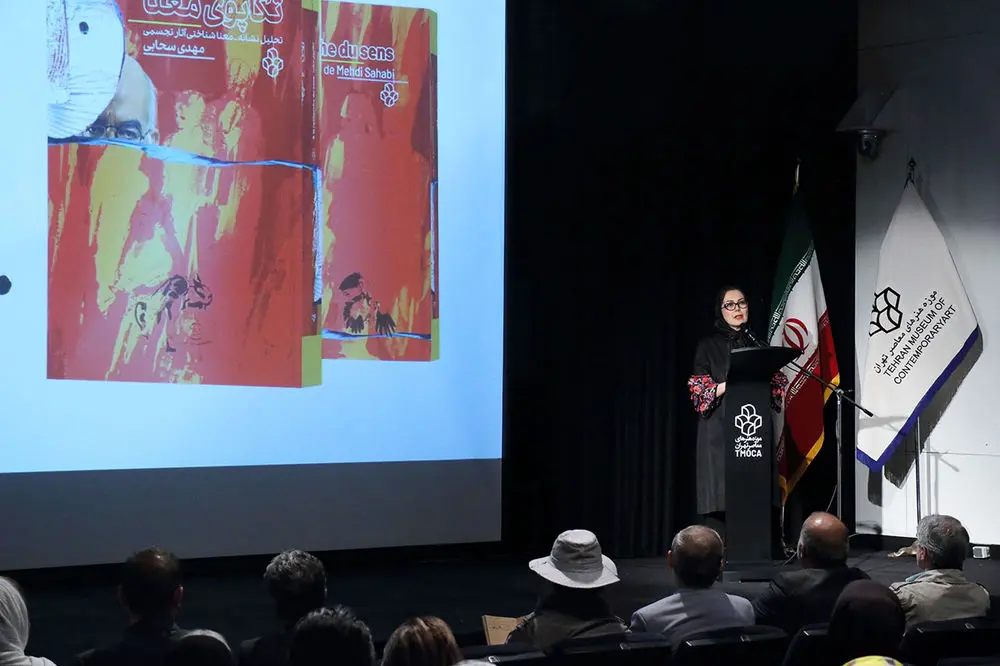
Speaking at the ceremony, Mojdeh Tabatabaei, Founder and Director of Mojdeh Gallery and curator of the Sahabi exhibition, explained the origins of the publication:
“In December 2021, we organized the Mehdi Sahabi exhibition at the Tehran Museum of Contemporary Art and simultaneously published a book of his works accompanied by related texts. Throughout the exhibition, we also held three specialized sessions examining different aspects of Sahabi’s artistic practice. During one of these sessions, a French guest discussed the semiotics of Sahabi’s works. Following that event, we received essays from three French semioticians whose unique perspectives on Sahabi’s art could be highly enlightening for Iranian audiences. We therefore decided to translate these texts and make them available to interested readers.”
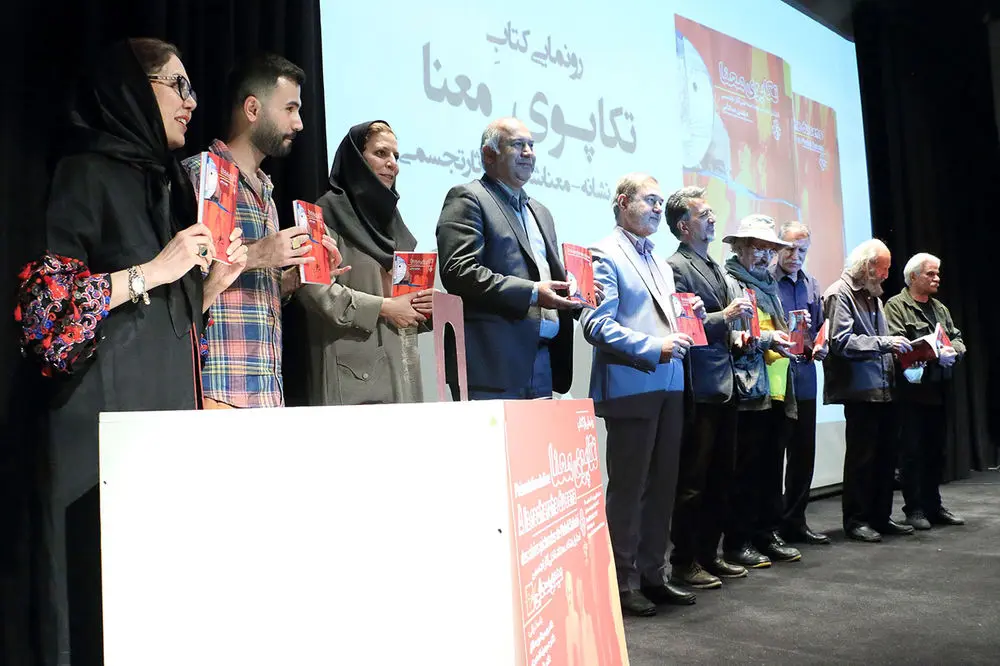
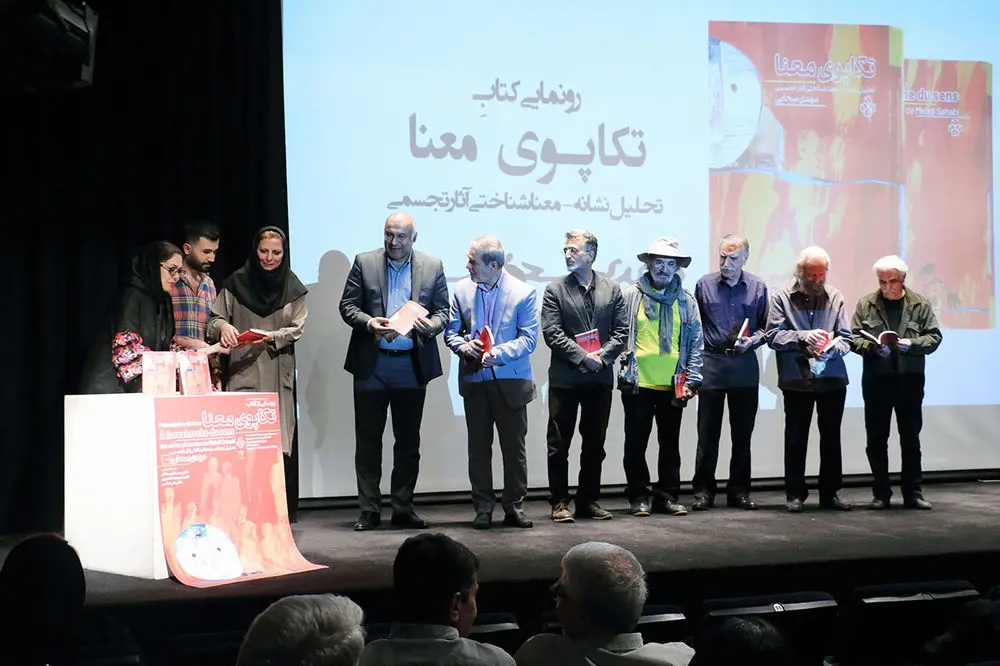
It is worth noting that Jacques Fontanille, Denis Bertrand, and Ivan Darrault Harris each sent separate messages for the unveiling ceremony.
LEAVE A RELPY