
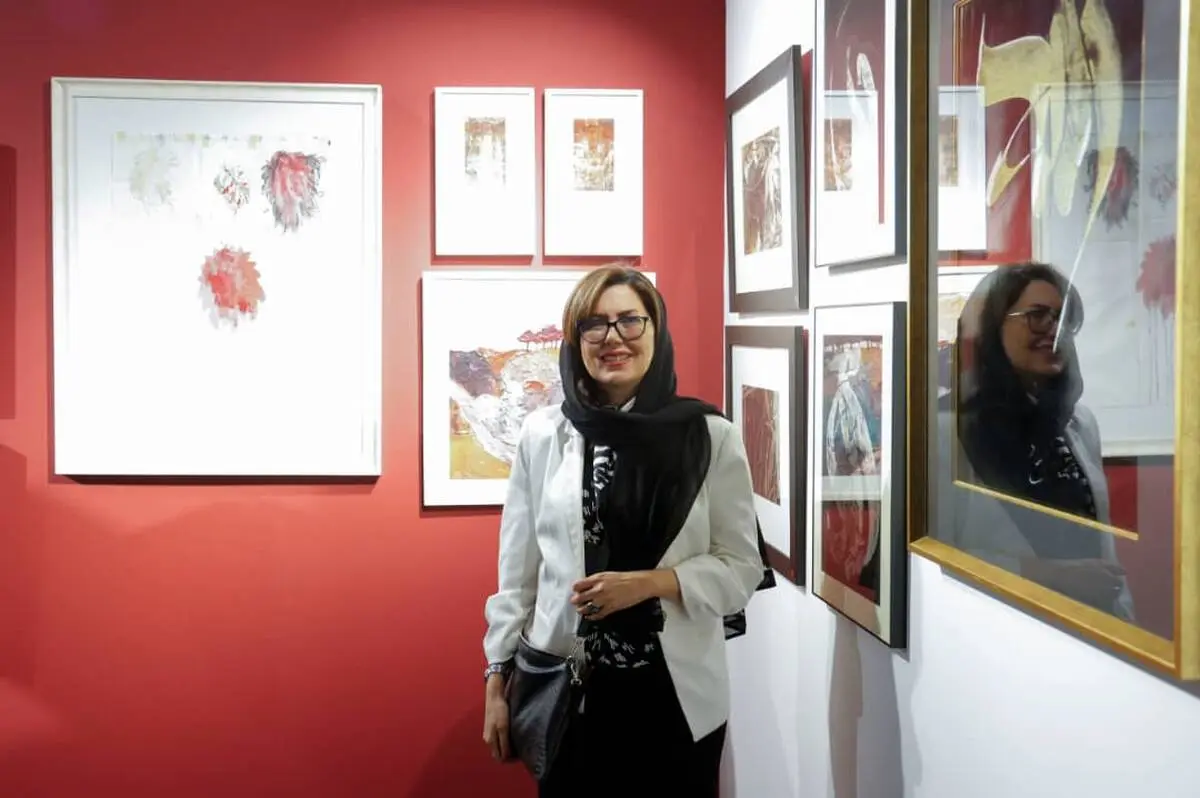
Mojdeh Tabatabaei — Director of Mojdeh Gallery and Founding Figure of the First Tehran Art Fair
Mojdeh Tabatabaei, Director of Mojdeh Gallery, emphasizes that over the past decade, art fairs have become the most powerful engines driving the global art market. According to her, statistics clearly show that regional countries, through a strategic and intelligent use of art fairs, have secured their position on the global cultural map. Iran, she notes, lacks nothing in terms of artistic capacity; it only needs a standardized infrastructure to reclaim its rightful share of the rapidly expanding cultural economy.
ArtDayMe :Mojdeh Tabatabaei, Director of Mojdeh Gallery and Chairperson of the Tehran Gallery Association
According to Mojdeh Tabatabaei, the First Tehran Art Fair, held 5–12 December 2025 (14–21 Azar 1404), marks a new chapter in Iran’s contemporary art geography. Titled “Open Paper”, this event is the first material-based art fair in Iran and the Middle East, initiated by the Tehran Gallery Association.
Tabatabaei explains that this beginning is far more than the opening of an exhibition; it signifies Iran’s entry into a new model of organization, dialogue, art economy, and professional presence within the global network of art fairs—today one of the most influential structures shaping the art world.
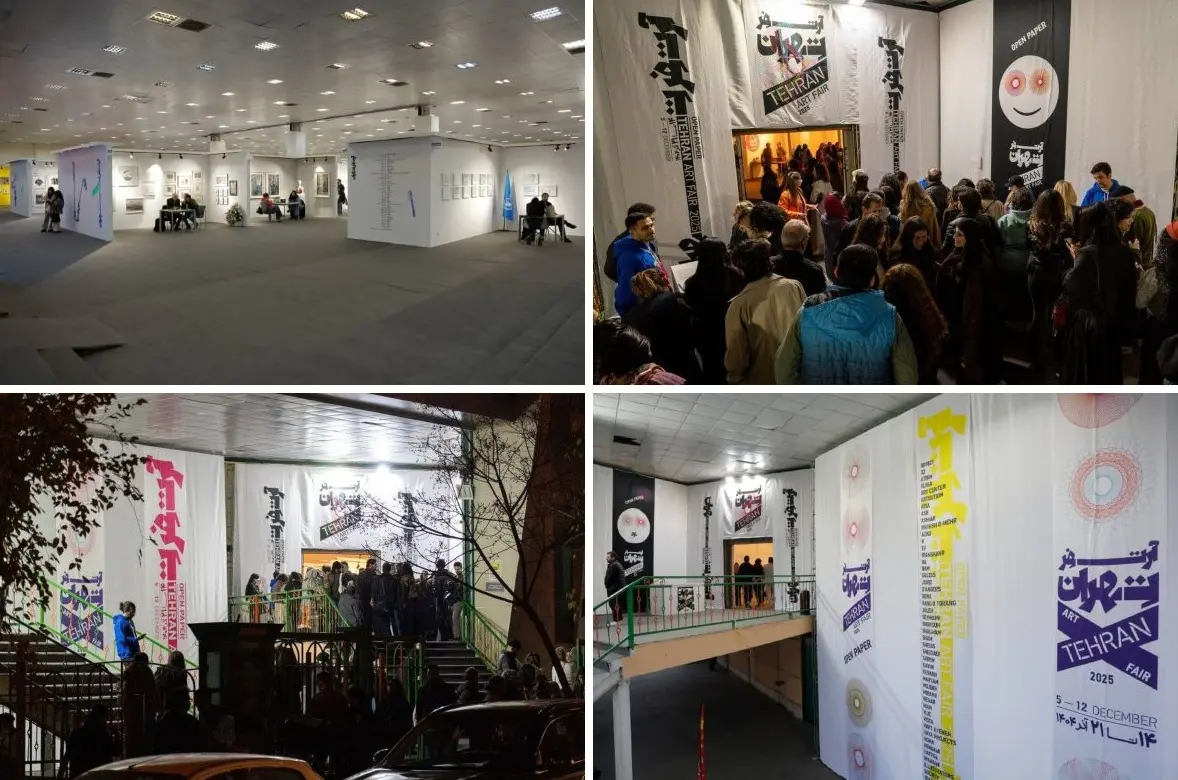
_ The Importance of Art Fairs in the Global Art Economy
Mojdeh Tabatabaei states:
“Over the past decade, art fairs have become the most significant driving force behind the art market—spaces where galleries, museums, curators, investors, and in some cases governments come together, turning art diplomacy into a concrete reality.”
To illustrate this significance, she refers to several leading examples:
• Art Basel, Basel (Switzerland)
Annual visitors: 93,000
Reported sales volume: approx. USD 2.2 billion
• Frieze London
Annual visitors: 60,000 specialized attendees
• Art Basel Miami Beach
Annual visitors: 80,000
“These figures,” Mojdeh Tabatabaei stresses, “show that art fairs are not merely exhibition events, but essential infrastructures of the cultural economy and one of the most effective tools for securing global recognition for a nation’s artistic output.”
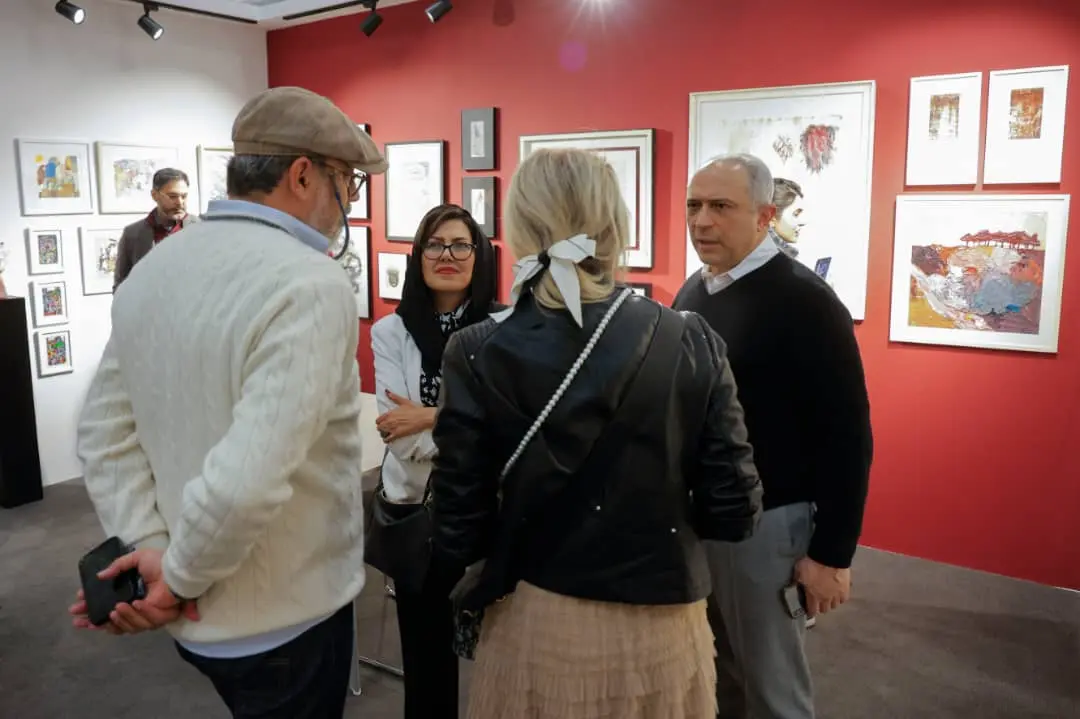
_The Growing Power of Dubai and Abu Dhabi
Mojdeh Tabatabaei points to the rapid rise of Gulf-region art fairs, fueled by strategic cultural investment:
Art Dubai
Visitors (recent editions): over 30,000
Participating galleries: 75–100 from more than 40 countries
Focus: Middle East, Africa, South Asia
Position: The most significant art fair of the Global South.
Abu Dhabi Art
Visitors: over 40,000
Participating galleries: approx. 90 from across the world
“These numbers,” Mojdeh Tabatabaei explains, “make it clear that regional countries have used art fairs strategically to secure their place on the global cultural map. Iran, with its immense artistic capacity, lacks nothing except a standardized platform that can reclaim its rightful share of this rapidly expanding economy.”
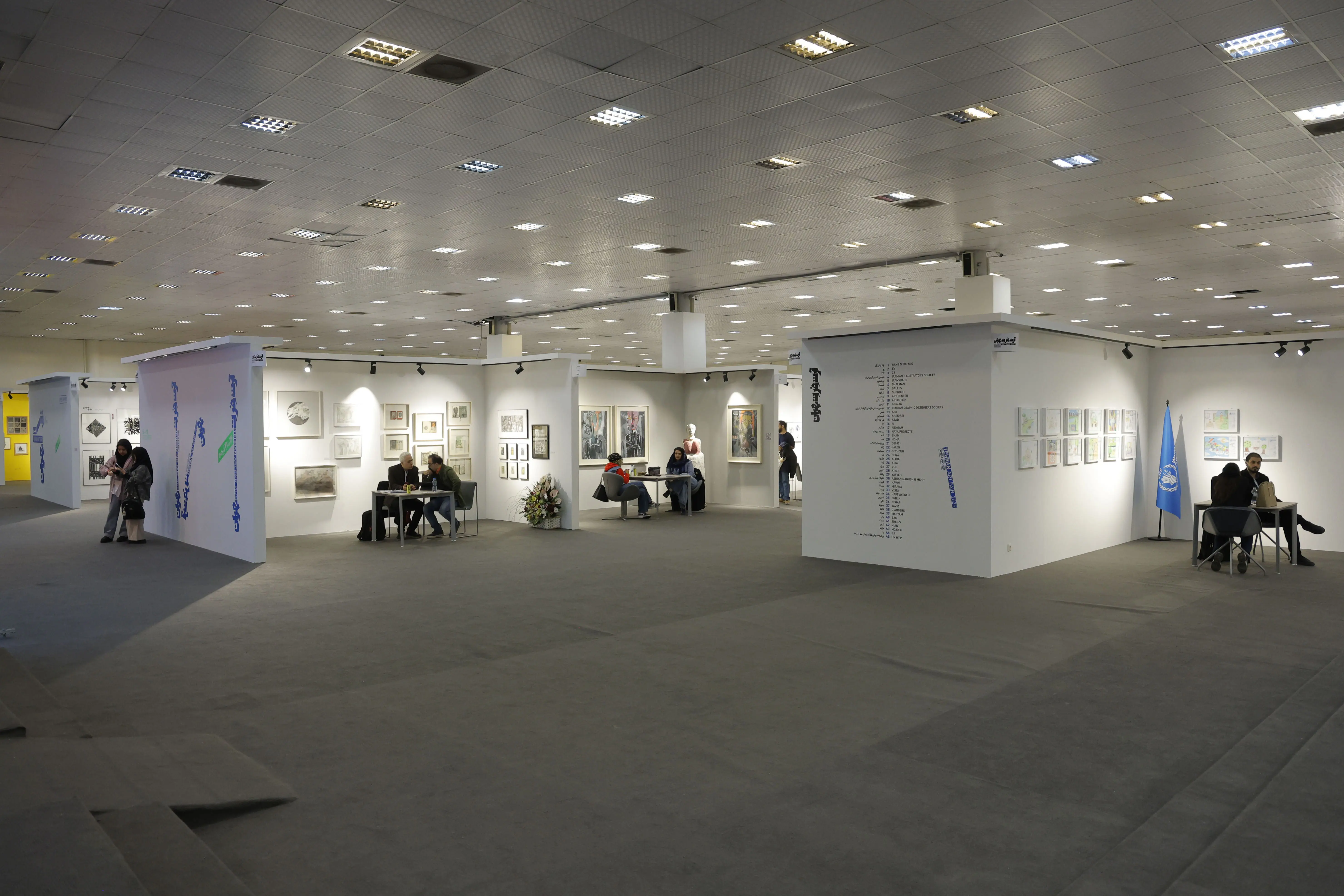
_Why Open Paper Matters for Iran
According to Mojdeh Tabatabaei, “In the absence of a standard, independent art fair in Iran, the global presence of Iranian galleries and artists has always been fragmented and dependent on foreign events.”
She identifies Open Paper as the first serious national attempt to:
• build a unified platform,
• organize the mechanisms of supply and demand,
• establish institutional trust,
• and provide the continuous structure required for an international art fair in Iran.
_Why Paper?
Mojdeh Tabatabaei, who founded Mojdeh Gallery 26 years ago in Tehran, explains the reasoning behind choosing paper as the central material:
• durability, transparency, and the ability to register artistic process
• reasonable production costs for artists and collectors
• easier logistics and transportation
• alignment with global sustainability standards
“In a world where economic and environmental pressures shape artistic production,” she says, “the return to paper has become an ethical and conscious choice—one that Open Paper elevates to an institutional level.”
_ Open Paper: A Laboratory for New Collaborations
More than forty galleries, two professional associations, publishers, studios, and practitioners of paper-based arts have joined forces in this event.
The significance of this gathering, Mojdeh Tabatabaei notes, lies in its ability to promote:
• new models of collaboration between galleries,
• innovative structures for networking and the art economy,
• and a research-driven approach alongside sales.
Open Paper is not just a marketplace; it is a prototype for the future structure of a national Iranian art fair.
_Defining Features of the First Tehran Art Fair
According to Mojdeh Tabatabaei,
“The high quality of artworks—from drawing and painting to paper sculptures—professional presentation and standardized booth installations, the introduction of young and lesser-known artists who had lost hope after the 12-day war, the strong participation of galleries from cities beyond Tehran, and the solid sales across booths are among the key achievements of this first edition of Open Paper in the Iranian capital.”
_ Full List of Participating Galleries
Mojdeh Tabatabaei, as Chairperson of the Tehran Gallery Association, also released the full list of participating galleries:
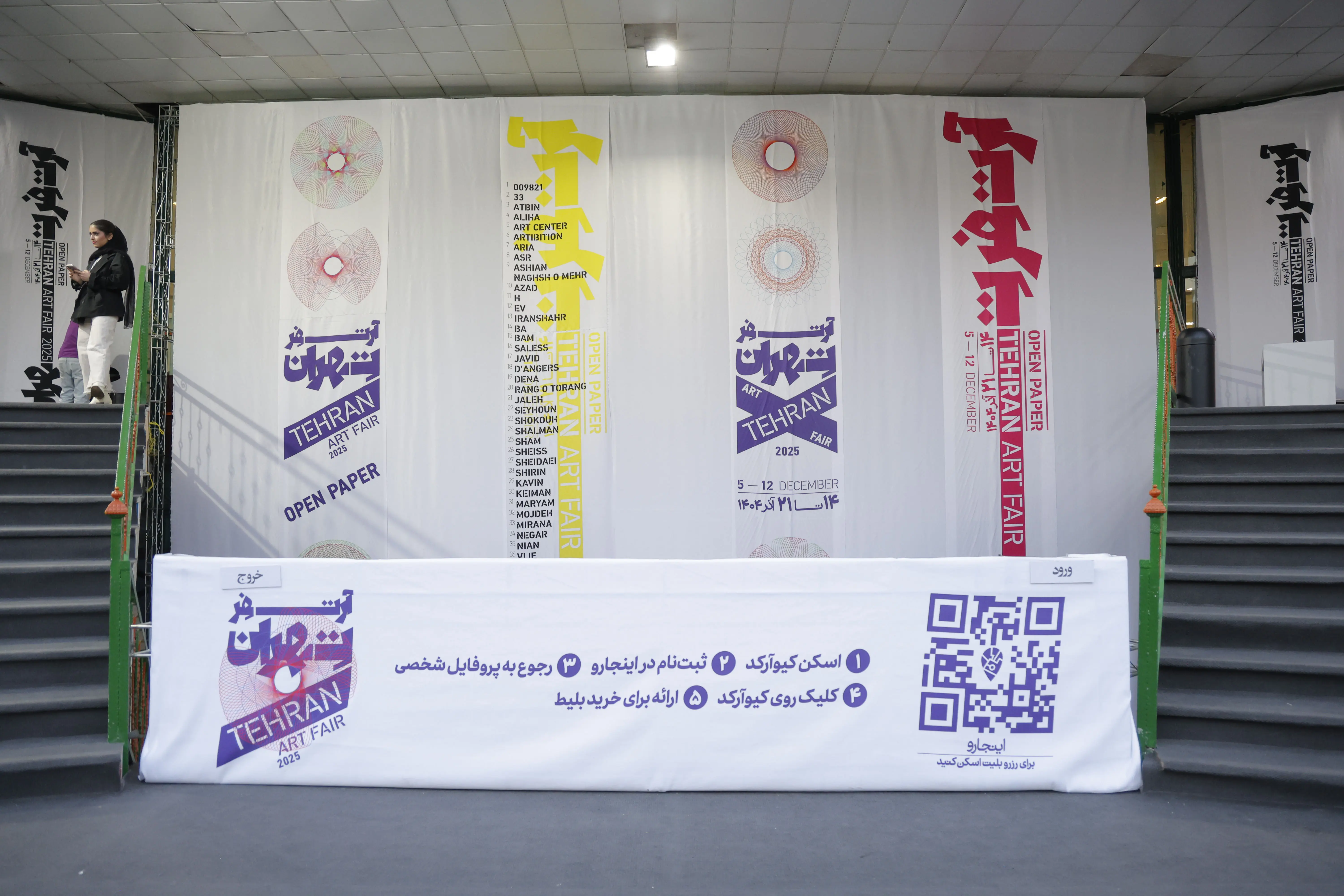
33, Atbin, Art Center, Artibition, Aria, Ashian Naghsh o Mehr, H, Ev, Iranshahr, Ba, Bam, 009821, Haya Projects, Saless, Javid, D'ngers, Dena, Rang o Torang, Jaleh, Seyhoun, Shokouh, Shalman, Sham, Sheiss, Sheidaei, Shirin, Asr, Aliha, Azad, Kavin, Keiman, Maryam, Mojdeh, Mirana, Negar, Nian, Vije, Vista, Haft Ayeneh, Homa, Hengam, Yafteh.
as well as Vesta Colour, Iranian Graphic Designers society, Iranian Illustrators society, and the art publications: Herfeh Honarmand, Karnameh, and Vista Honar accompanied this first edition of the fair.
_Looking Ahead
In closing, Mojdeh Tabatabaei, Director of Mojdeh Gallery, emphasizes:
“If this event succeeds as the first episode of a broader, long-term art fair structure, Tehran can reclaim its long-lost position on the region’s artistic map. Today’s art fairs are the engines shaping standards, movements, and economic opportunities—and Open Paper is Iran’s first step toward reconnecting with this global network.”
LEAVE A RELPY