
Kavian Auction on the Path to Building a Private Marketplace for Art and Collectible Assets
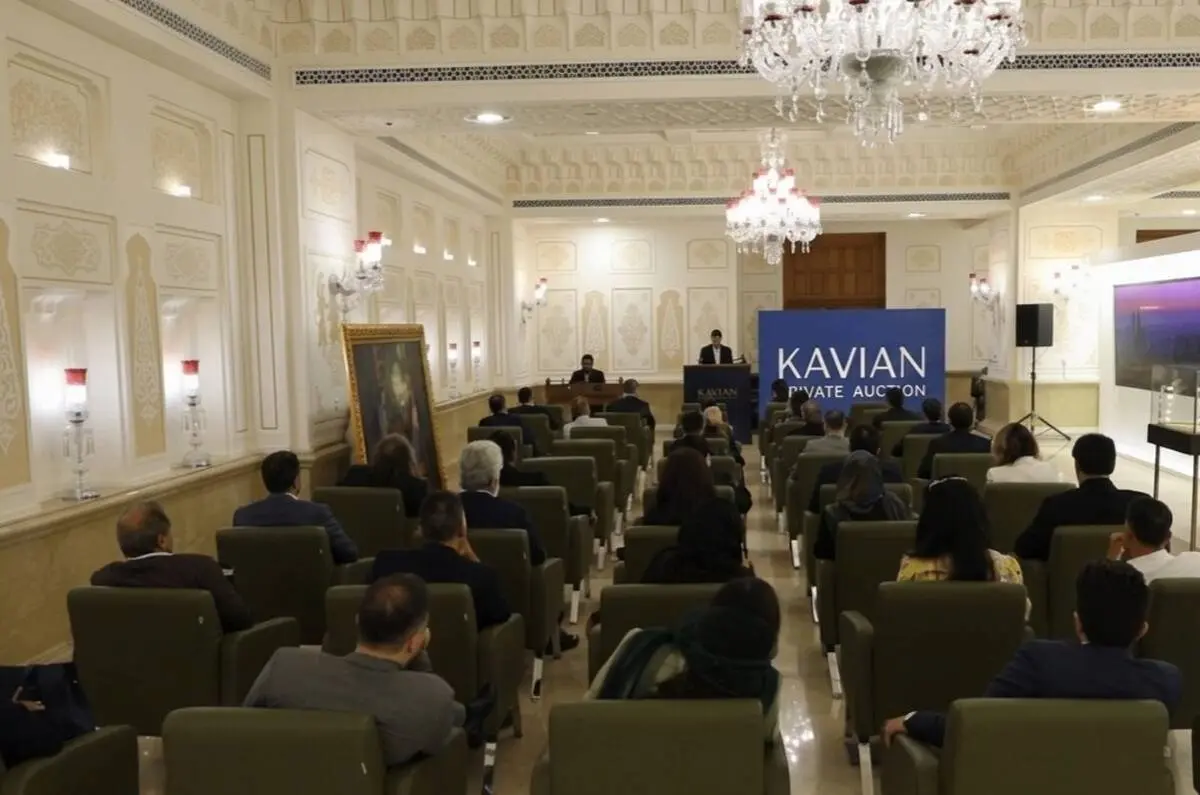
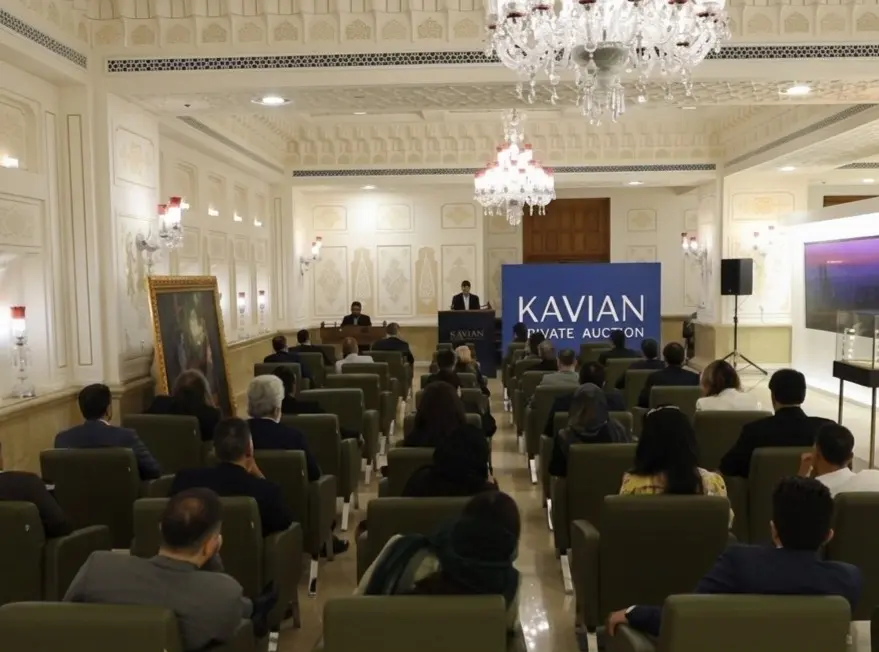
The inaugural edition of the Kavian Private Auction was held at Maher Gallery in Iran Mall, presenting 30 artworks and collectible objects. According to the organiser, the sale generated nearly US$3 million, with more than half of the lots successfully sold.
ArtDayMe : The first edition of the Kavian Private Auction took place on 12 June 2026 at Maher Gallery in Iran Mall, Tehran. Organised as an invitation-only event, the auction brought together a carefully selected group of collectors, art buyers, investors, and business leaders. The sale featured a curated selection of works by prominent Iranian artists alongside meteorite collectibles and high-value jewellery, presented to a specialised audience.
A total of 30 artworks and collectible objects were offered. According to figures released by the organiser, more than 50 per cent of the lots were sold. All bidding and transactions were conducted in US dollars, with the total sales value reported at nearly US$3 million.
Using the US dollar as the pricing benchmark enables collectors to compare values more readily with international market records and provides a more stable basis for evaluating prices. Nevertheless, a comprehensive assessment of the auction's economic performance will depend on the publication of detailed sales results, including the final price of each lot and the methodology used to calculate the overall sales value.
_ Works by Leading Iranian Artists
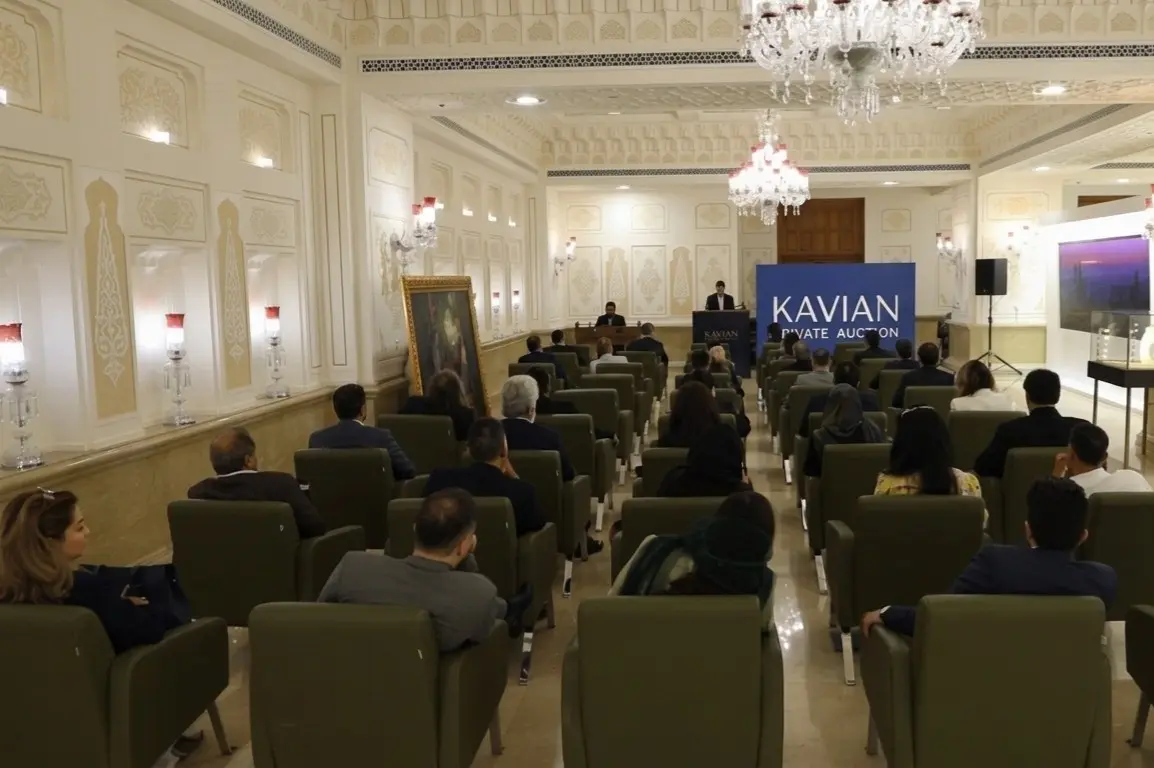
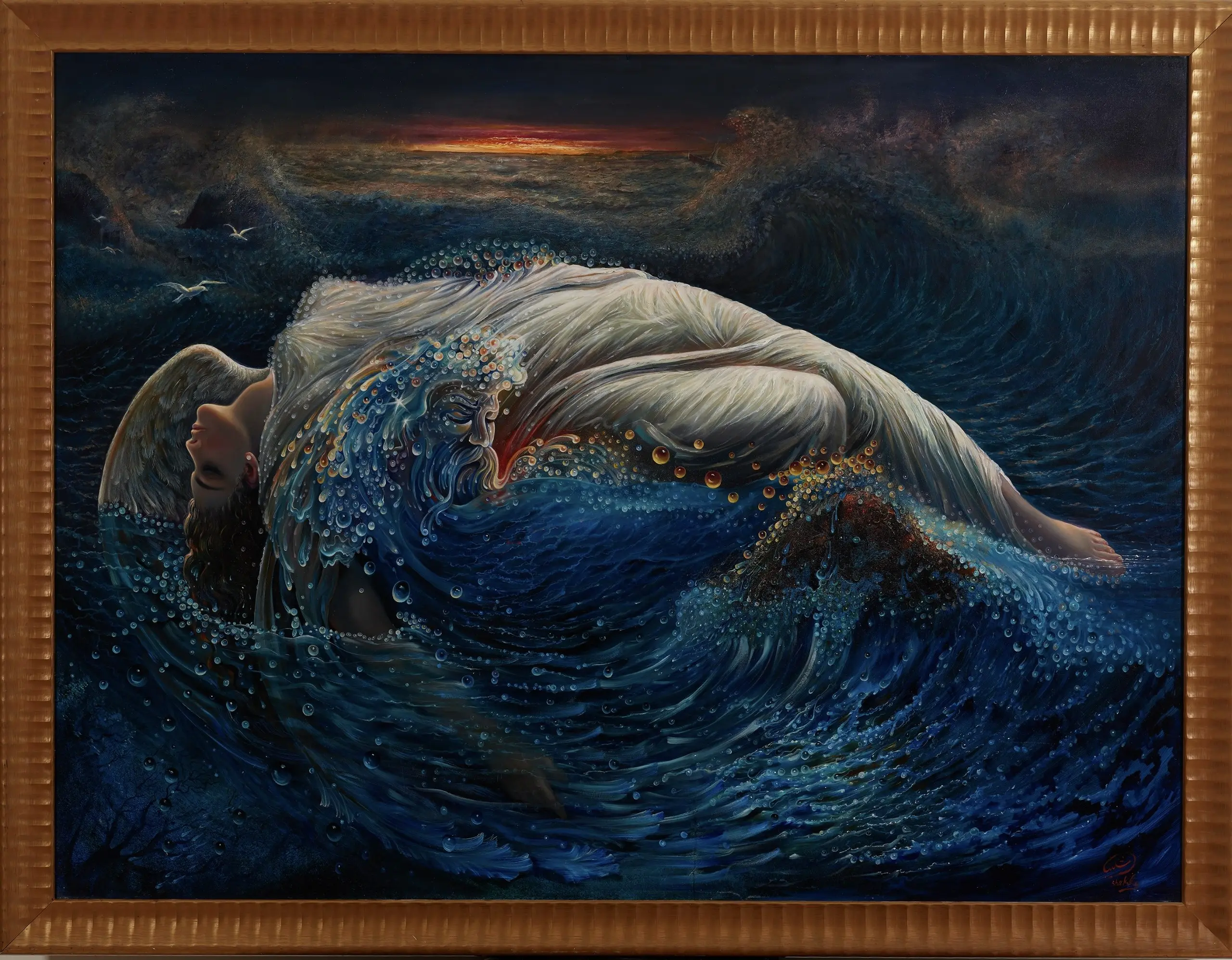
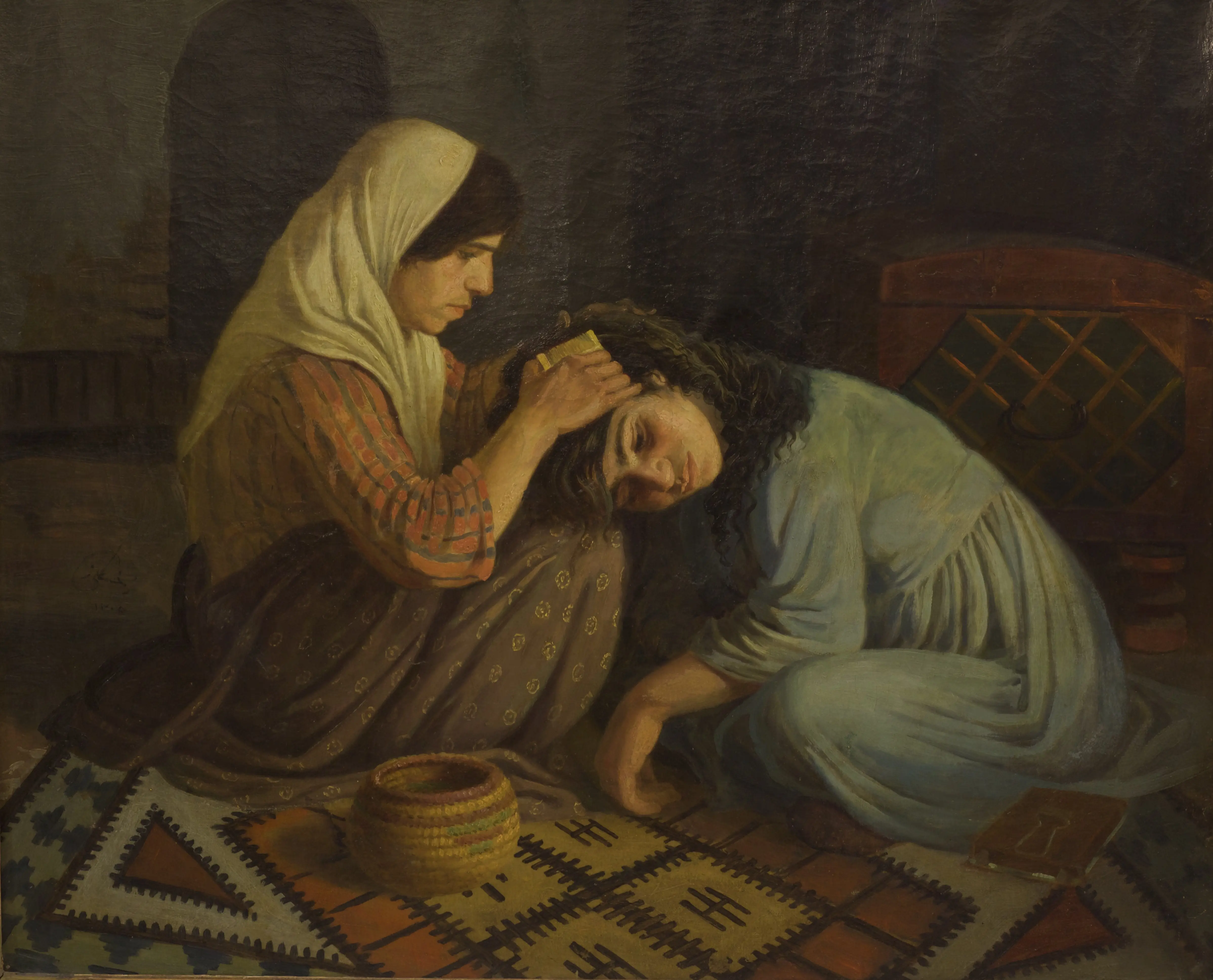
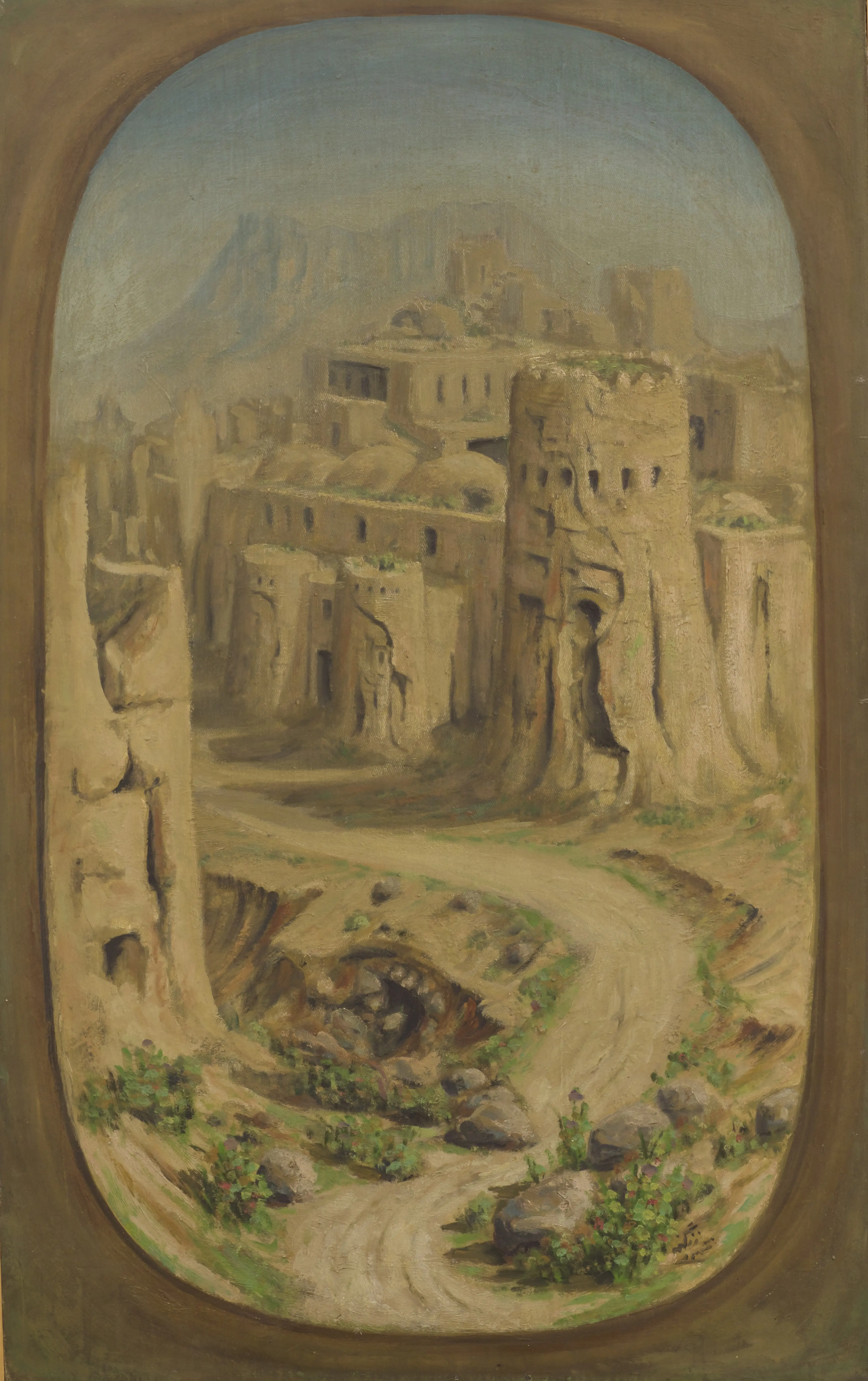
The inaugural Kavian Private Auction included works by Mahmoud Farshchian, Hossein Mahjoubi, Hojat Shakiba, Jazeh Tabatabai, Nasser Ovissi, Parvaneh Etemadi, Mansour Ghandriz, Abbas Kiarostami, Kourosh Shishegaran, Nasrollah Afjei, Gholamhossein Amirkhani, and Ali Shirazi.
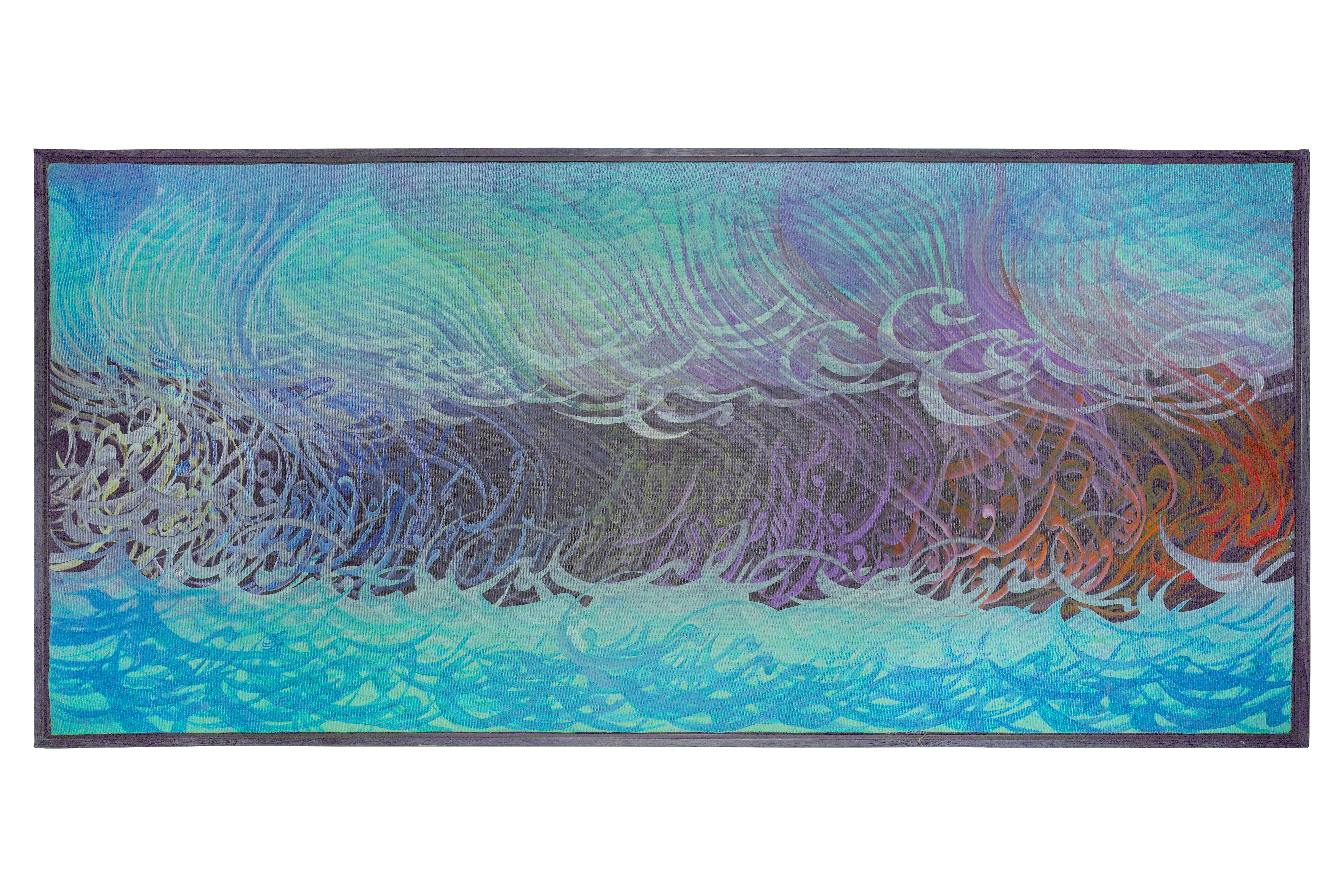
One of the defining characteristics of the auction was the simultaneous presentation of artists representing different generations and movements within Iranian art—from traditional Persian miniature painting and calligraphy to modern painting, Naqqashi-Khat (calligraphic painting), and contemporary art. This broad selection appealed to a diverse range of collectors and demonstrated Kavian's intention, from its very first edition, to introduce a carefully curated rather than expansive offering.
Presenting works by established artists enhances the appeal of an inaugural auction while strengthening its credibility. Within the art market, both the quality of the selection and the reputation of participating artists are fundamental to building collectors' confidence. At the same time, the value of any individual work depends not only on the artist's name but also on factors such as authenticity, date of execution, artistic quality, dimensions, technique, provenance, and physical condition.
_ Expanding into the Wider Collectibles Market
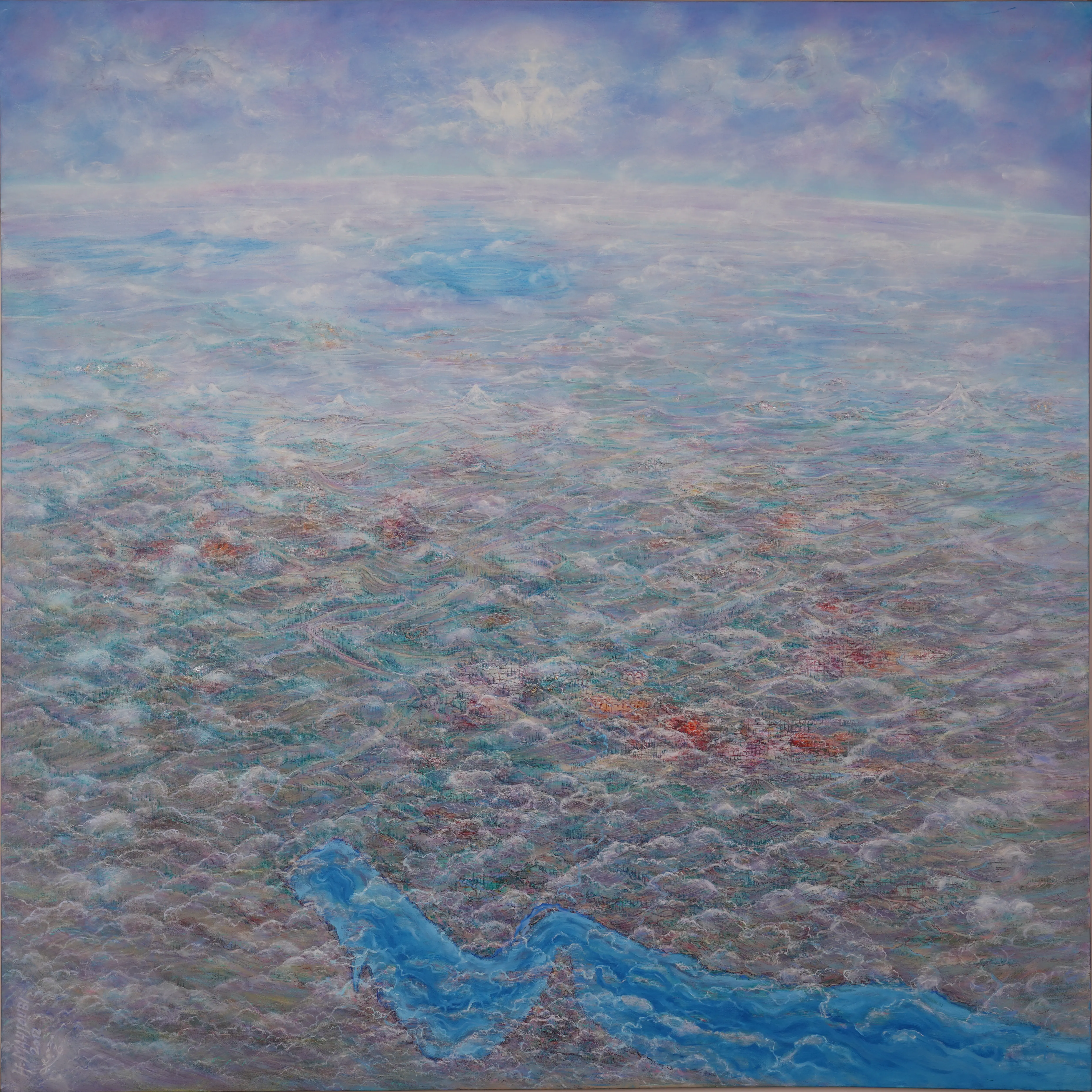
Alongside fine art, the auction featured a pair of candlesticks by Hossein Alaghehmandan, a meteorite sphere, a meteorite prayer bead (tasbih), and two high-value jewellery pieces. Their inclusion reflects Kavian's ambition to broaden its activities beyond the visual arts into the wider market for collectible assets.
This strategy has the potential to expand the auction's audience beyond traditional art collectors to include buyers of jewellery, rare objects, and other exceptional collectibles. When supported by rigorous expertise and comprehensive documentation, the combination of artworks and collectible assets can foster an interdisciplinary marketplace in which art, collecting, and investment intersect within a professional framework.
However, the assessment of provenance, authenticity, composition, and value for meteorite objects, collectibles, and jewellery requires expert reports, scientific certification, and reliable documentation. Continued expansion into these sectors should therefore be supported by independent specialists, transparent valuation procedures, and clearly defined acquisition criteria.
_Private Auctions as Part of the Art Economy Infrastructure
Specialised auctions should not be regarded merely as cultural events or sales occasions. When organised consistently and according to professional standards, they can contribute to financial circulation within the market, strengthen the secondary market, establish transaction records, and expand networks among collectors, sellers, and investors.
The secondary market refers to the resale of artworks that have already entered private ownership. Its development enables collectors to realise the value of their holdings while providing new buyers with access to works by established artists.
By concentrating on a targeted audience and a limited number of carefully selected lots, the Kavian Private Auction has adopted a model distinct from public exhibitions or large-scale commercial sales. Such an approach encourages closer dialogue with buyers, a better understanding of collectors' needs, and the cultivation of long-term relationships between the auction house and its specialised clientele.
Confidentiality, controlled guest lists, and an exclusive experience are central characteristics of private auctions. These features are particularly valuable for collectors and investors who prefer to evaluate and acquire works within a discreet, professional environment removed from public attention.
_ Expert Assessment: A Promising Step for Iran's Private Art Market
From the perspective of the art economy, the sale of more than half of the 30 lots offered in the first edition of a private auction—provided that all transactions are completed and fully settled—may be regarded as a positive indication of demand for carefully curated, invitation-only events.
“Iran's art market requires platforms that prioritise trust, documentation, and long-term relationships with collectors alongside the quality of the artworks themselves. The inaugural Kavian Auction represents a promising step towards expanding Iran's private art market, particularly as the integration of fine art with collectible assets has the potential to attract a new segment of buyers. Sustained continuity and the regular publication of sales results will further strengthen Kavian's position within the market.”
At the same time, artworks and collectible assets should not be presented as risk-free investments or as assets offering guaranteed returns. Limited liquidity, valuation challenges, changing market demand, storage costs, insurance requirements, and authentication risks remain important considerations for prospective buyers.
The value created by auction houses extends well beyond the sale of artworks. Professional services—including valuation, authentication, documentation, insurance, specialised logistics, conservation, restoration, legal advisory services, and collection management—form an integral part of their economic contribution to the art market.
_Kavian: Building a Specialist Brand
Through its inaugural edition, Kavian has sought to define its identity around carefully selected works, an exclusive client experience, confidentiality, and the intersection of art and investment. If maintained, this strategic direction has the potential to establish Kavian as a specialist brand within Iran's private art market.
A successful auction marks the beginning—not the culmination—of a branding journey. Kavian's long-term reputation will depend on the consistent quality of its offerings, rigorous expertise, transparent transaction procedures, sound financial governance, client satisfaction, and the development of a reliable archive of sales results.

_Statement by Founder Ali Kavian
Ali Kavian, Founder and Director of the Kavian Auction, commented: "Launching the auction is a continuation of our broader vision to bring art closer to the economy and to create meaningful connections between artists, collectors, and the business community. We believe that the development of the art market cannot be achieved solely through exhibitions; it requires infrastructure capable of strengthening trust, professional transactions, documentation, and lasting relationships with collectors.
Kavian Auction was not established simply to organise a one-off event. Our long-term vision is to build a credible and sustainable marketplace for the exchange of artworks and collectible assets—one founded on four core principles: professional selection, collectors' trust, transactional confidentiality, and enduring relationships with both buyers and sellers.
The positive response from our specialised audience and the results of the inaugural edition have reinforced our responsibility to raise professional standards even further in future sales."
_ Opportunities for Collaboration with Corporate and Luxury Brands
Kavian's invitation-only model and its highly specialised audience also present opportunities for collaboration with financial institutions, major corporations, and luxury brands.
Banks, insurance companies, wealth management firms, jewellery houses, luxury automobile brands, premium real estate developers, hospitality groups, and providers of bespoke services all serve client bases that overlap significantly with serious collectors and art buyers.
For such organisations, partnerships with private auctions extend well beyond conventional sponsorship. Exclusive hospitality programmes, art economy forums, collection management services, specialist content production, and curated networking opportunities can transform sponsorship into long-term cultural and commercial partnerships.
Supporting events of this nature may also form part of a company's corporate social responsibility initiatives in the fields of culture and the arts, while simultaneously providing access to a highly targeted audience with significant purchasing power.
_A Vision for Seasonal Auctions
According to the organisers, the Kavian Private Auction is intended to take place at the end of every season. Establishing a consistent annual calendar could strengthen relationships with collectors, facilitate the acquisition of high-quality consignments, and contribute to the development of a sustained transactional market.
The success of a seasonal model, however, will depend on the auction's ability to secure a continuous supply of high-quality works while maintaining buyer demand. To preserve its reputation, Kavian must prioritise careful selection over increasing the frequency of sales and strike an appropriate balance between continuity and exclusivity.
The inaugural Kavian Auction may therefore be viewed as the beginning of a long-term endeavour within Iran's private market for art and collectible assets. Total sales approaching US$3 million, the sale of more than half of the offered lots, and the participation of leading Iranian artists all represent encouraging indicators for a first edition.
Ultimately, however, Kavian's standing within Iran's art market will not be determined by a single sale, but by its sustained commitment to quality, the continued development of professional expertise, the publication of reliable market information, and its ability to maintain the confidence of collectors. If managed according to international professional standards, Kavian has the potential to become one of Iran's most significant private platforms linking art, collecting, and investment.
LEAVE A RELPY