
22 New Works Created on the Curator’s Commission for MAAD Gallery at Tehran Art Month
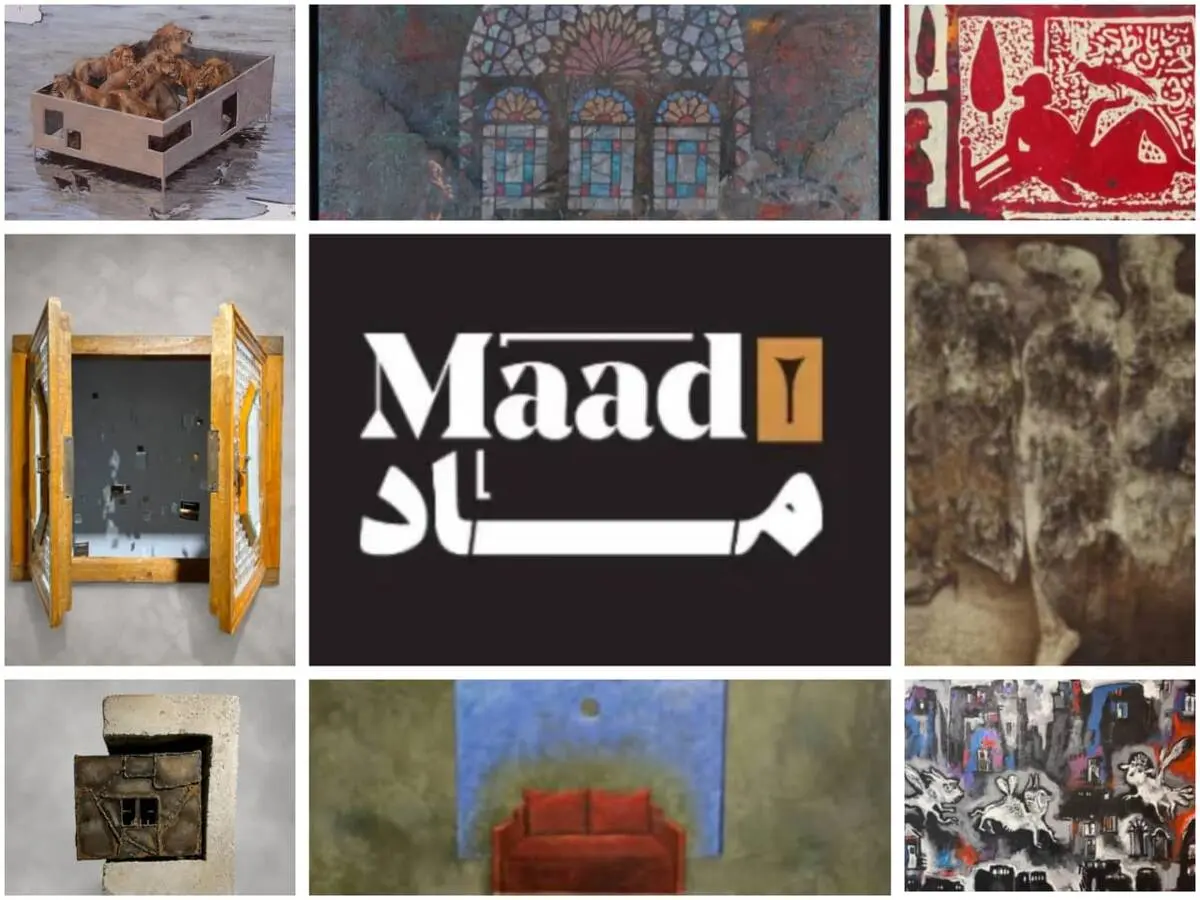
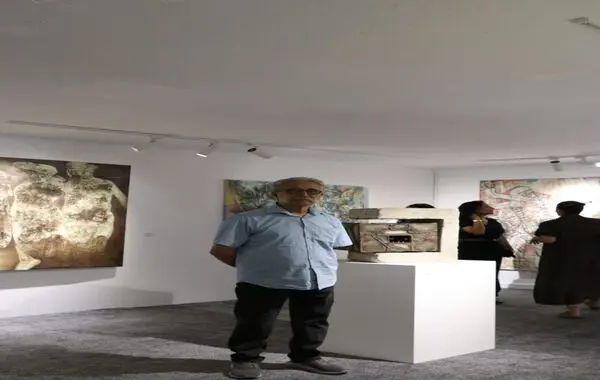
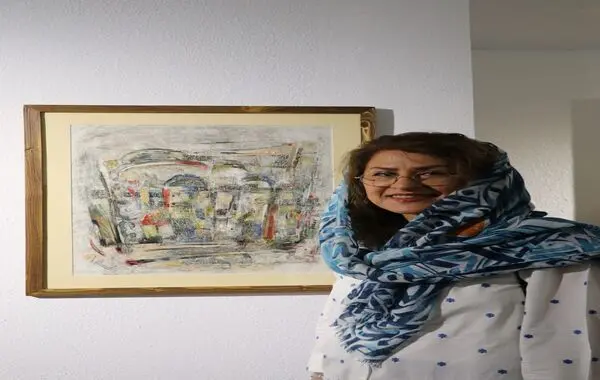
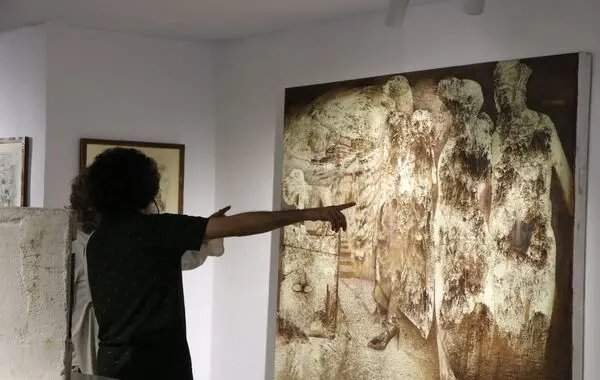
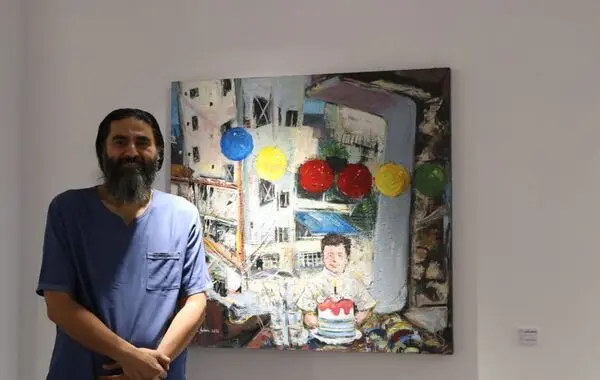
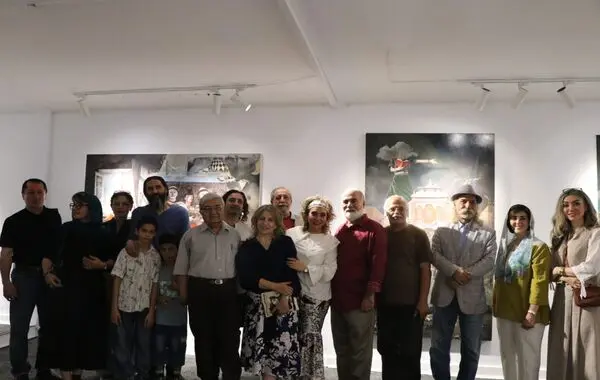
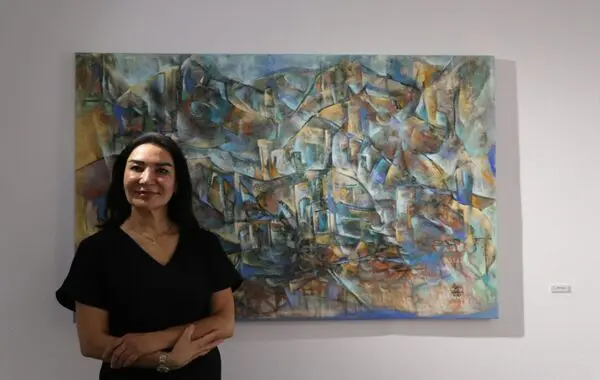
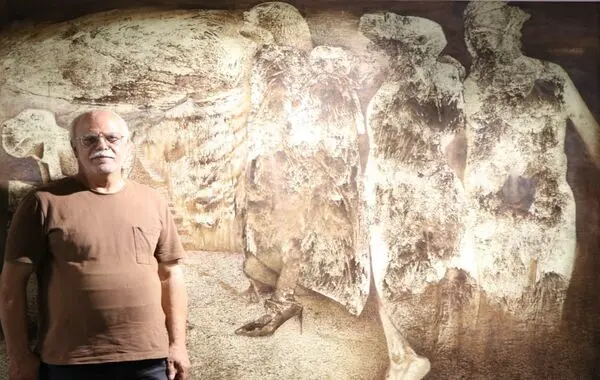
The curator of “Beyond the Wall, This Side of the Window” at MAAD Gallery, Tehran, Sepideh Zarrat, has commissioned 22 new works from 16 artists in order to complete and expand the exhibition’s conceptual, formal, and chromatic palette, while introducing works that have not previously been exhibited. The newly created works are being presented at MAAD Gallery for the first time, with each offering an individual interpretation of the central idea of this curatorial project.
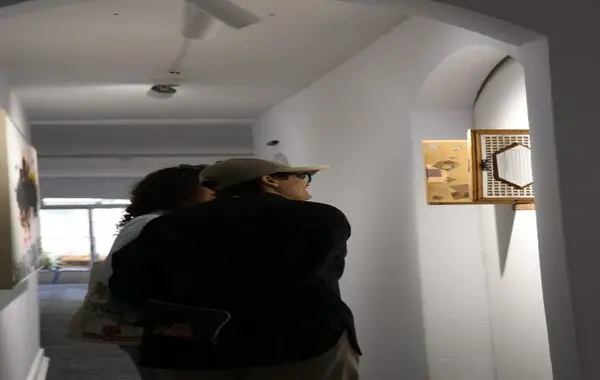
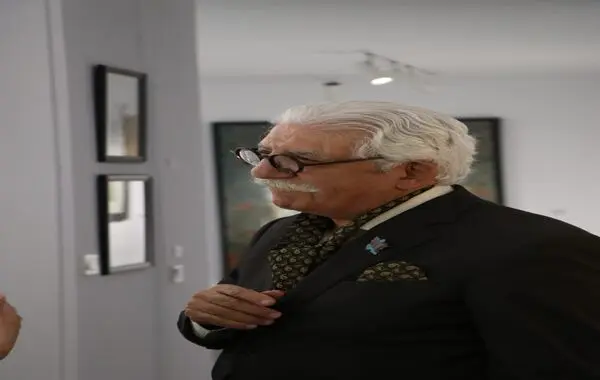
ArtDayMe: These days, “Beyond the Wall, This Side of the Window” is on view at MAAD Gallery in Tehran as part of Tehran Art Month.
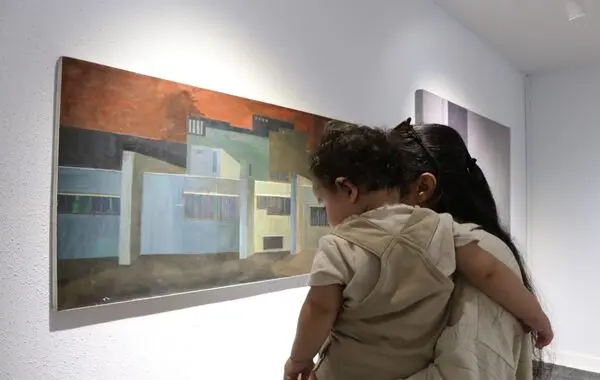
Conceived as a curatorial exhibition, the project offers a fresh encounter with the relationship between the human being, the city, and lived space.
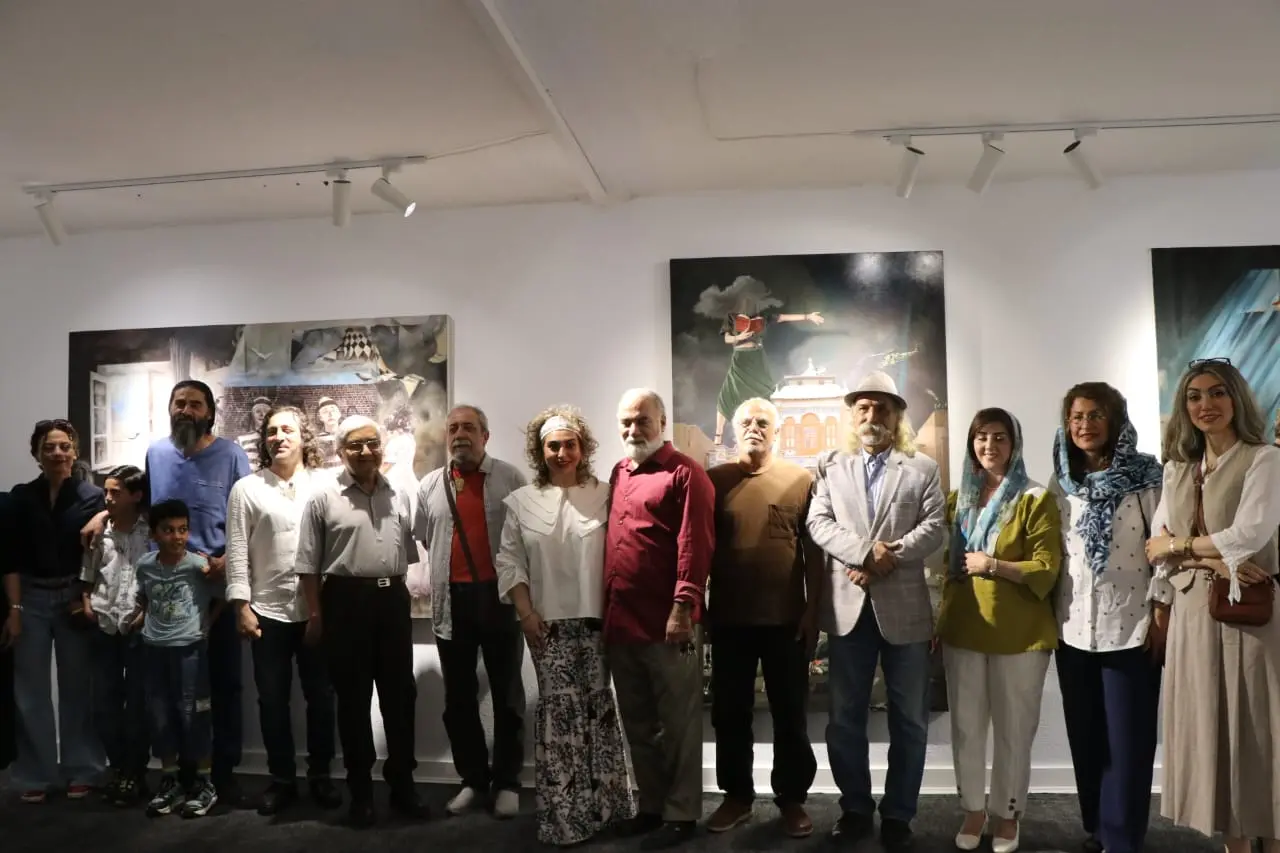
In this project, curator Sepideh Zarrat has gone beyond simply selecting and juxtaposing existing works. By commissioning 22 new works from 16 artists, she has shaped part of the exhibition through an interactive process between curator and artist. These commissions seek to broaden the exhibition’s conceptual and visual readings while introducing a diversity of formal languages, chromatic registers, media, and artistic experiences. Presented at MAAD Gallery for the first time, the works contribute, alongside the existing pieces, to the multilayered narrative of “Beyond the Wall, This Side of the Window.”
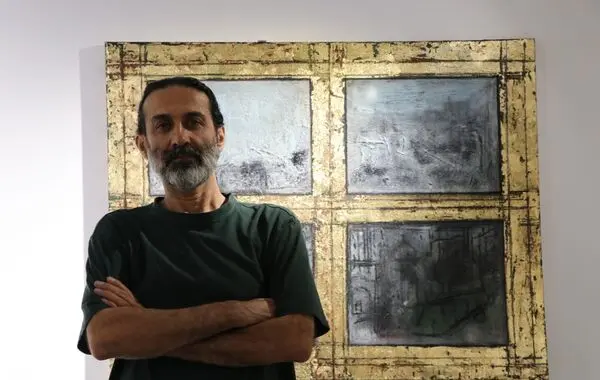
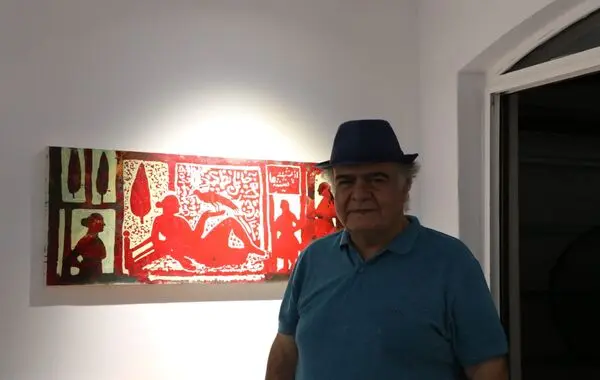
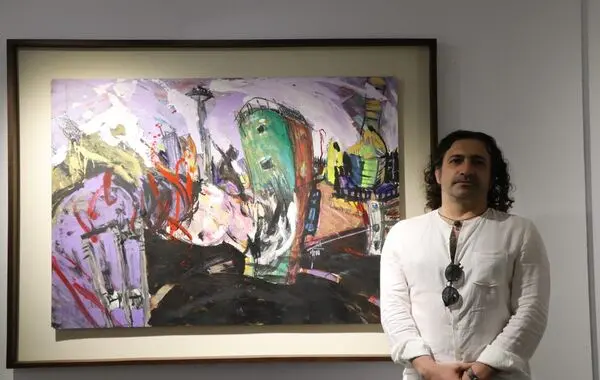
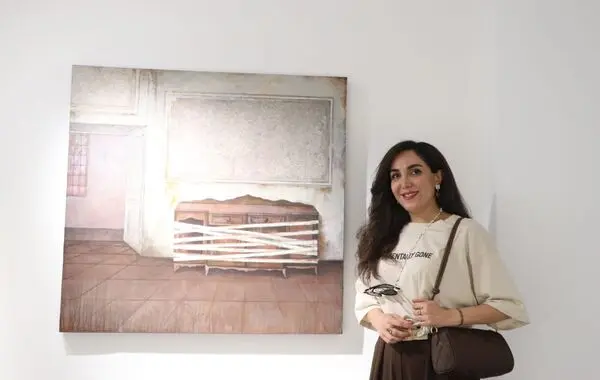
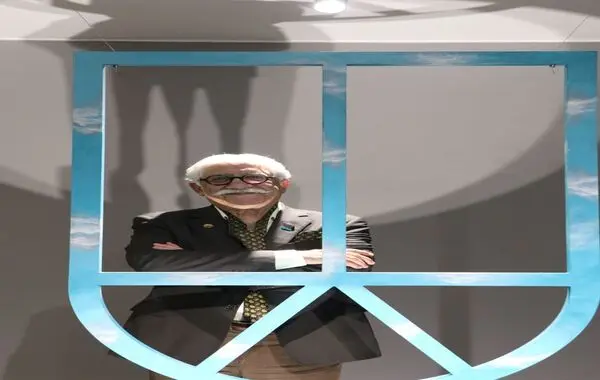
The commissioned artists are Reza Hedayat, Keyumars Harpa, Abdolnasser Giv, Majid Kamrani, Siavash Zarrat, Mahyar Charmchi, Faramarz Khani, Rasoul Younan, Farzaneh Bahram-Nouri, Mostafa Ghorbani, Zahra Asali, Nasrin Atiqachi, Bahareh Shahidi, Mohsen Nasirian, Fereydoun Omidi, and Sadegh Adham.
These works are being presented at MAAD Gallery for the first time.
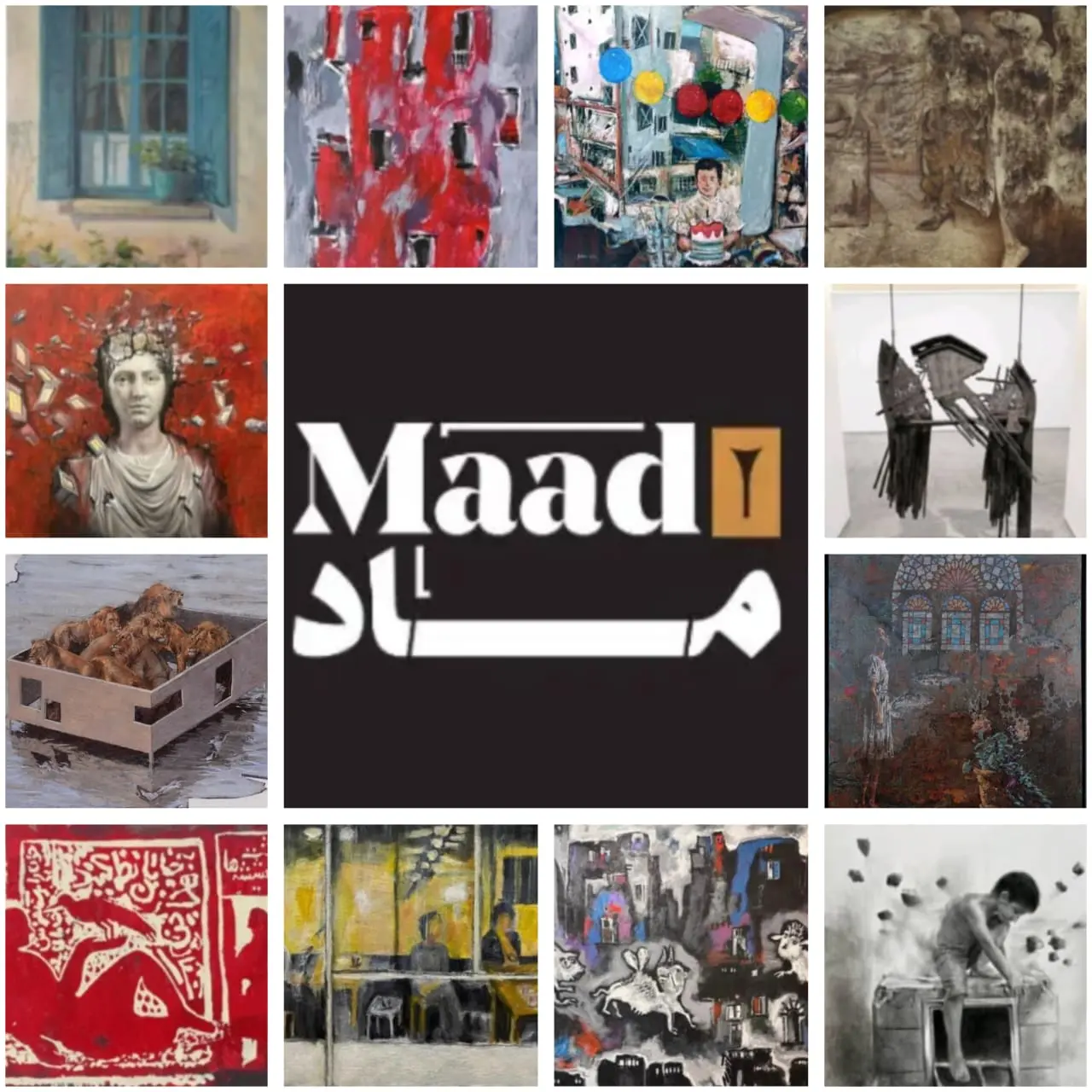
Beyond the considerable significance of creating 22 new works specifically for the exhibition, the curator’s attention to the process through which these works have taken shape, as well as the establishment of a shared conceptual framework, is particularly noteworthy.
Zarrat has also adopted a multilayered approach in her selection of artists. The selection brings together different generations of artists while preserving differences in experience, visual language, and modes of thinking. Diversity of media has been another important element in this approach.
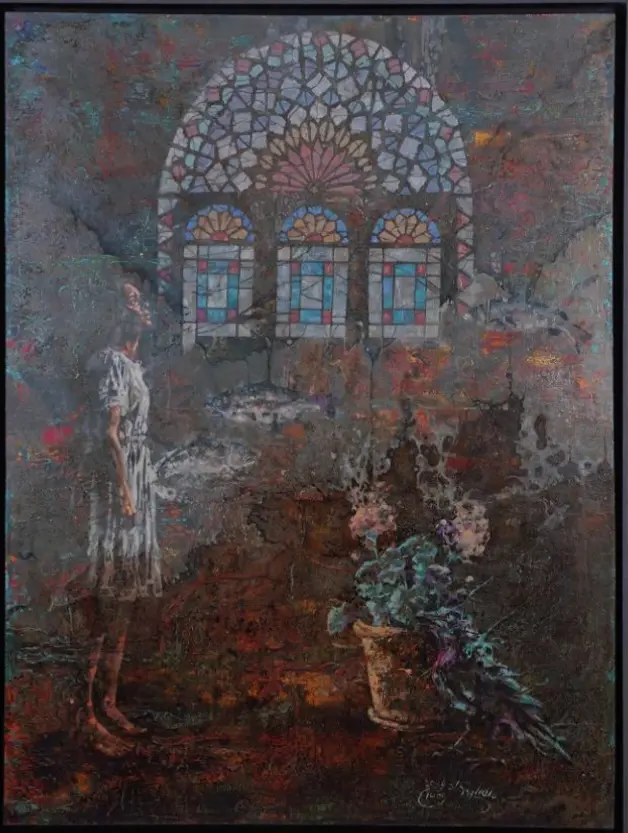
As a result, the commissioned works are not confined to a single visual language. Each artist has been given the opportunity to articulate an individual reading within the central conceptual framework of the project. This has, in turn, expanded the formal and media diversity of the exhibition.
From this perspective, “Beyond the Wall, This Side of the Window” is thematically coherent while remaining diverse in its modes of expression. The works occupy a shared conceptual field, while differences in perspective, generation, medium, and artistic language remain intact.
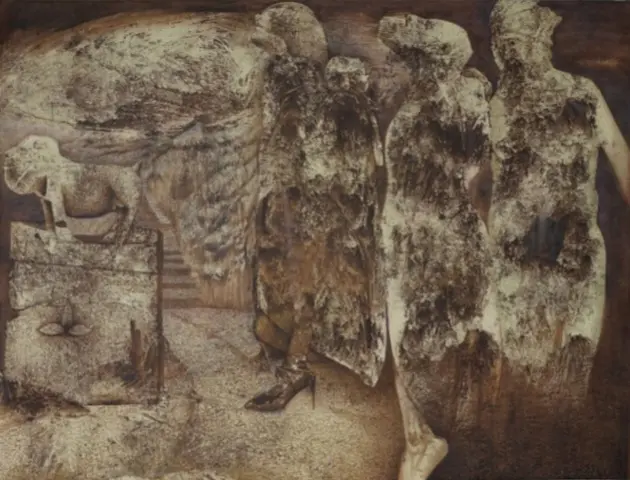
This quality allows the exhibition to establish a balance between conceptual coherence and plurality of artistic approaches. Rather than attempting to erase the differences between the works, the project incorporates these differences into the very structure of the exhibition.
The central idea of the project is built around two elements: the “wall” and the “window.” Here, however, these are not merely architectural elements; they become conceptual devices through which human experience can be examined.
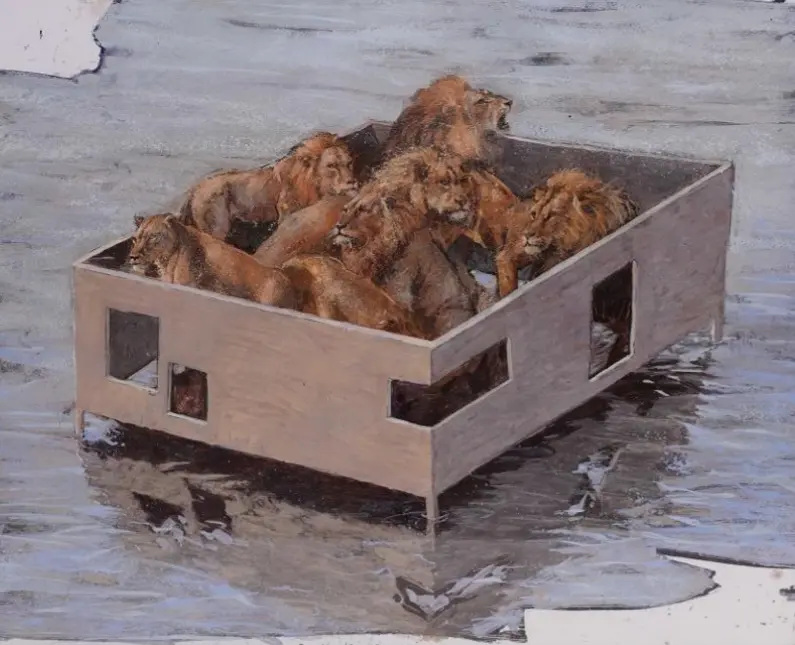
The wall may signify boundary, separation, limitation, and distance. The window, meanwhile, can suggest the possibility of seeing, connecting, and allowing the gaze to pass beyond a boundary. The tension between these two elements creates a framework for reconsidering the human experience of the city.
The project seeks to revisit these concepts within the context of contemporary Iranian art. The city, therefore, is not merely a backdrop in this exhibition; it becomes part of the question itself and an integral component of the experience of the artwork.
The project has been developed with the collaboration of Zohreh Mehraban, founder and director of MAAD Gallery, and Yasaman Ramezanmahi, art theorist and artistic director of MAAD Gallery.
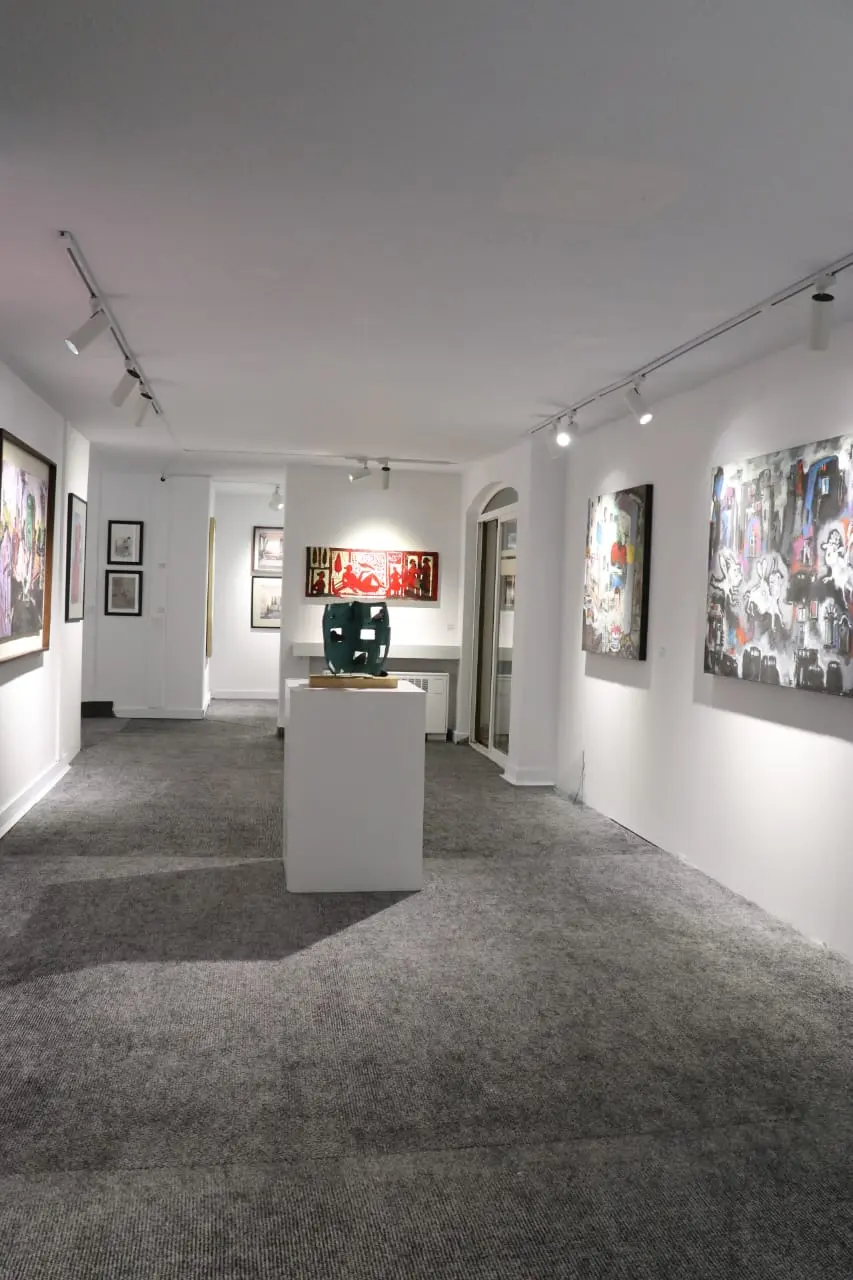
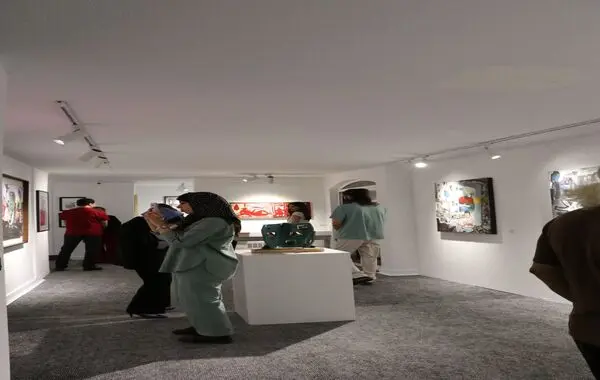
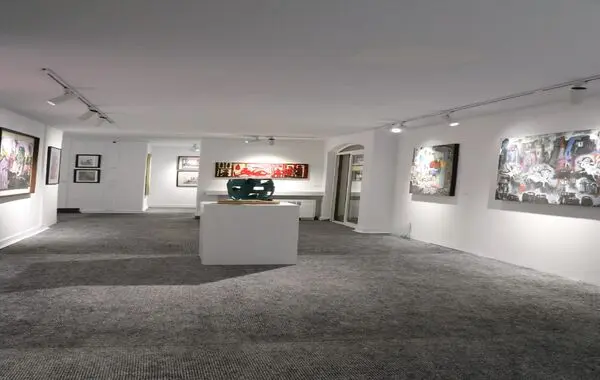
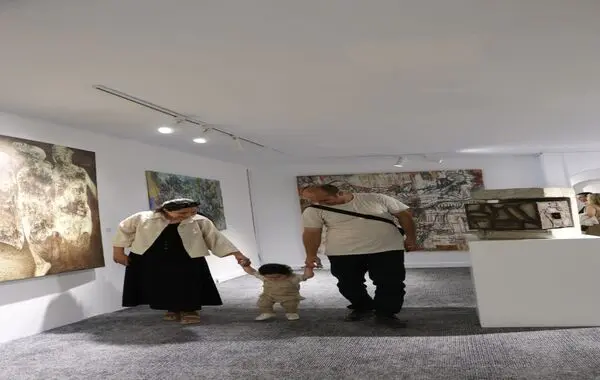
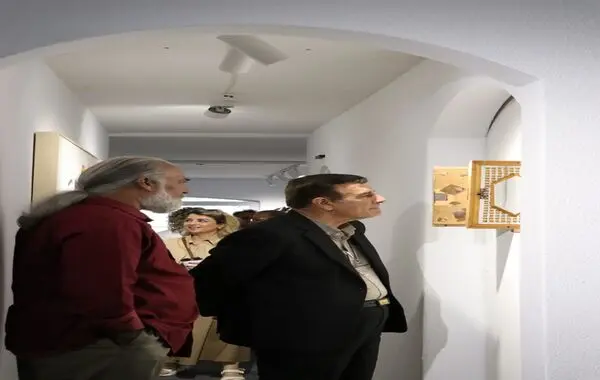
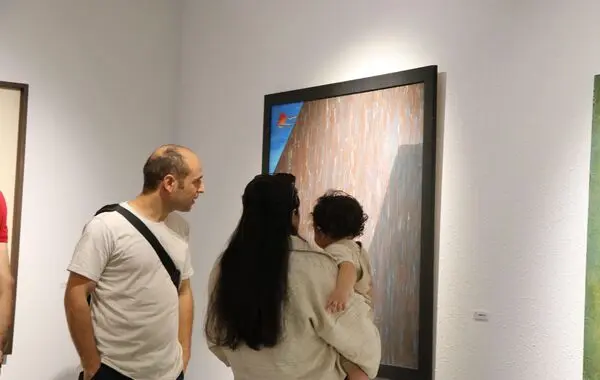
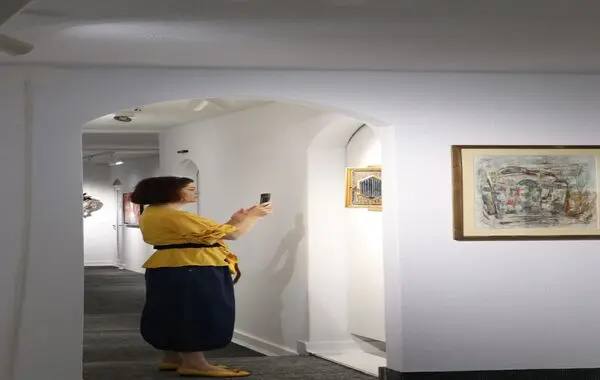
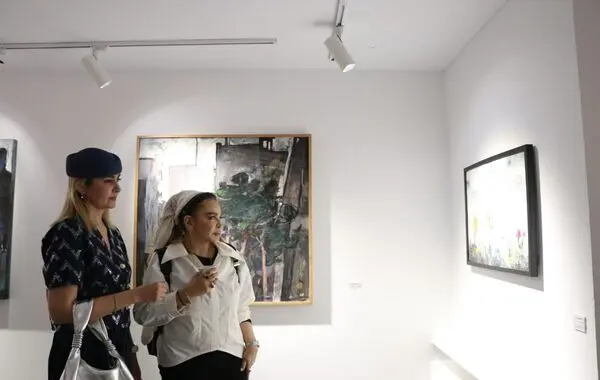
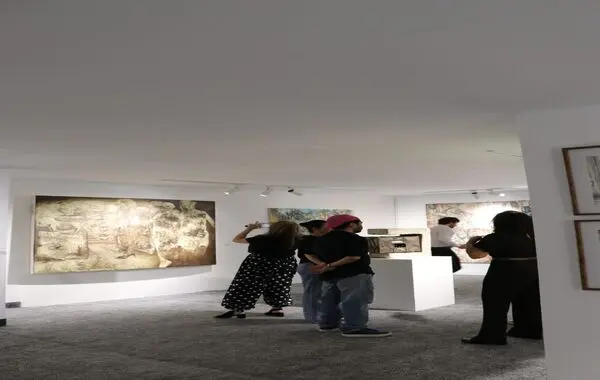
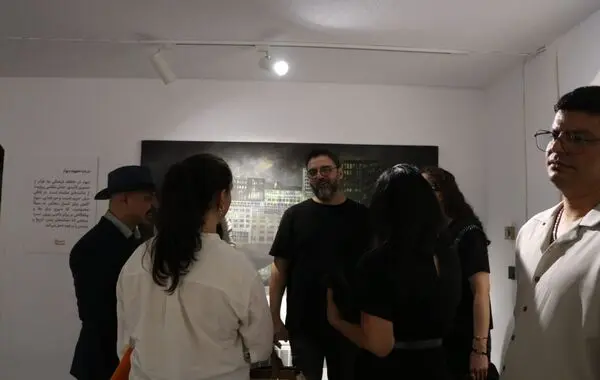
The exhibition has not been designed around a linear viewing path. Its structure is non-linear and based on conceptual relationships between the works. Rather than confronting viewers with a predetermined narrative, the exhibition allows them to establish their own personal and conceptual connections among the works.
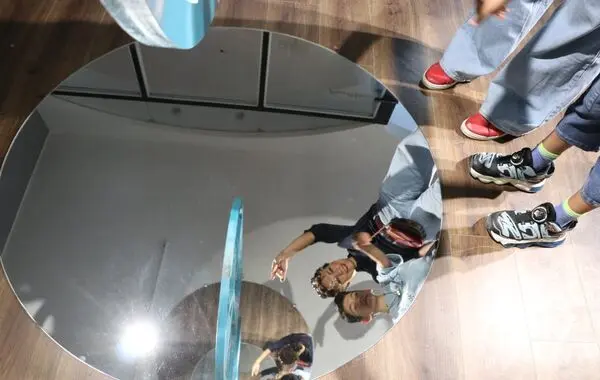
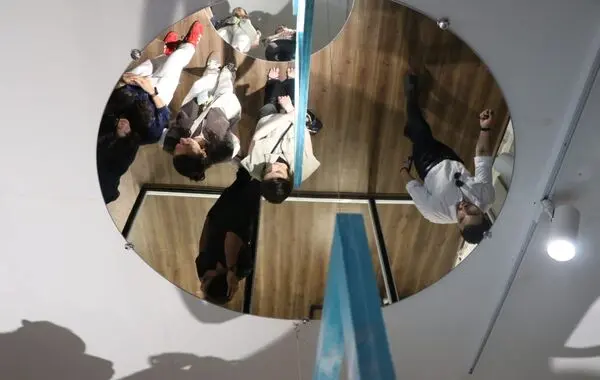
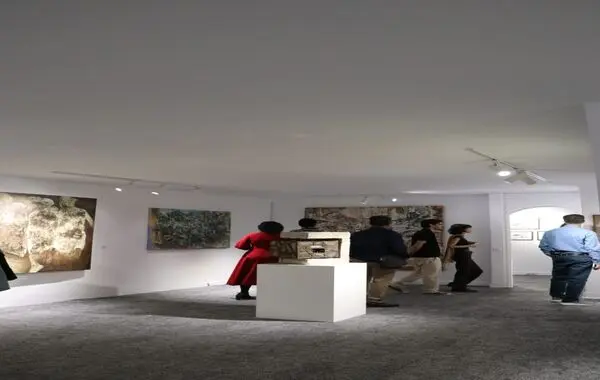
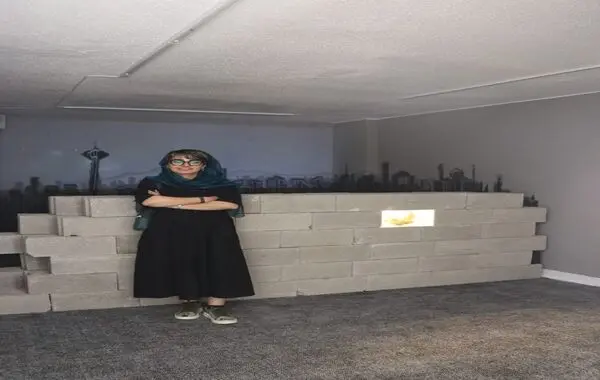
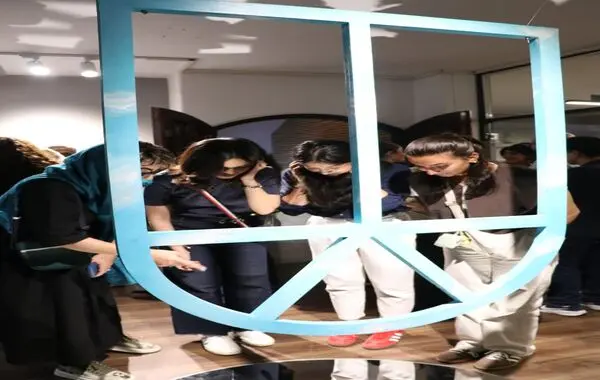
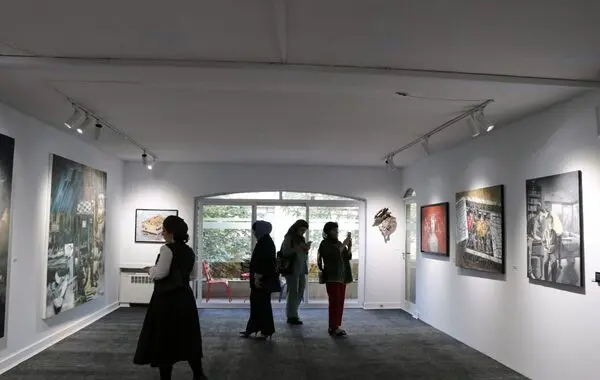
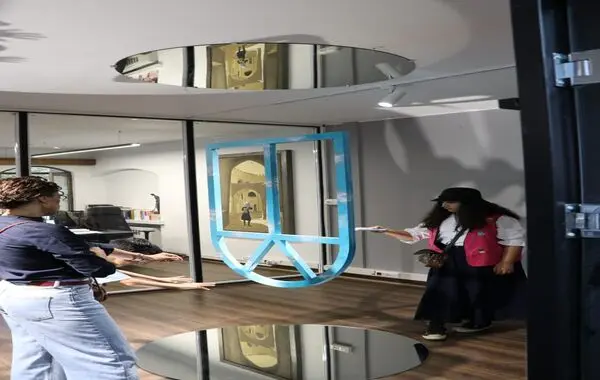
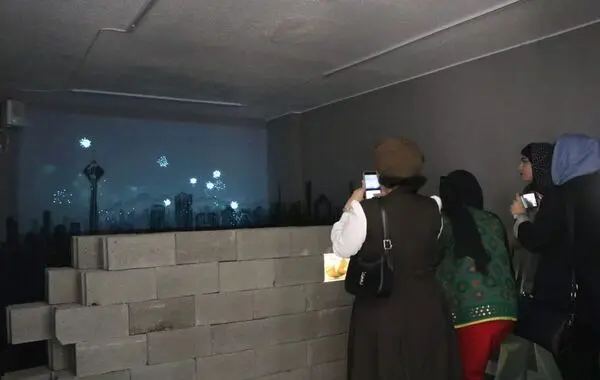
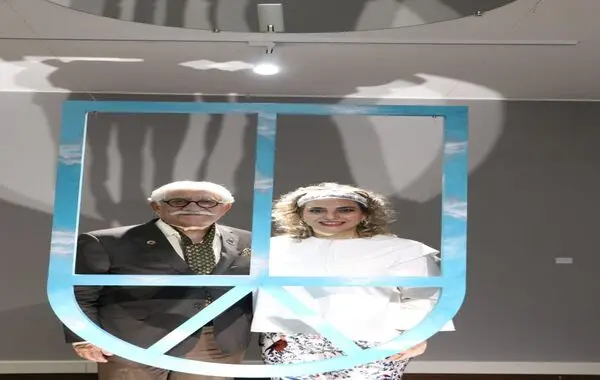
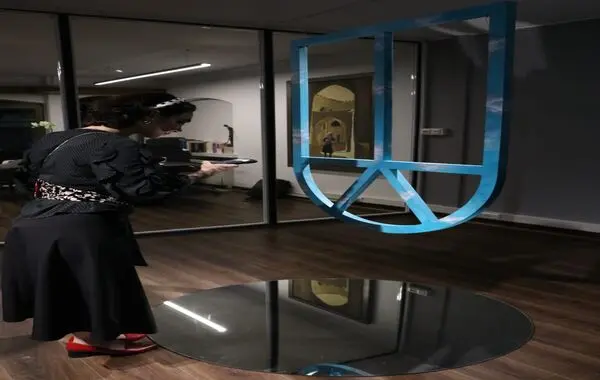
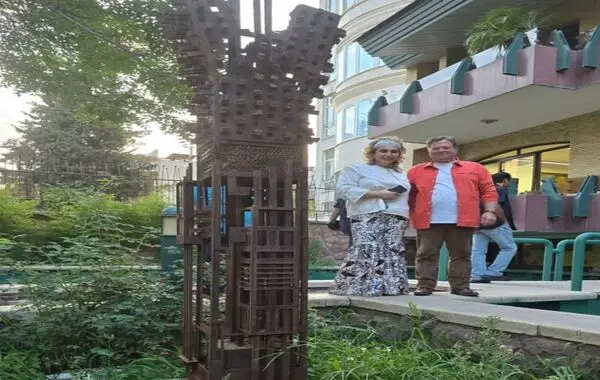
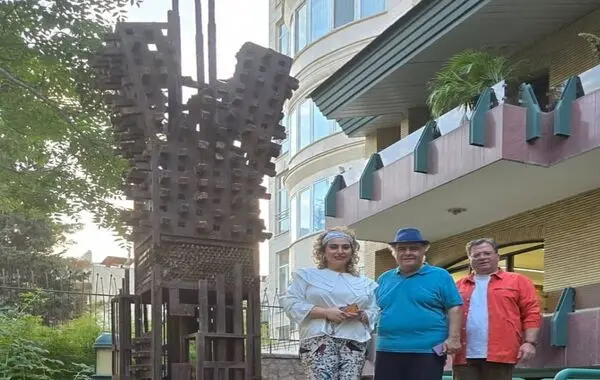
The installations also play an important role within this structure. They are not simply autonomous works placed within the gallery space; they also contribute to shaping the viewer’s spatial experience. From this perspective, the gallery itself becomes part of the project’s curatorial structure.
Alongside the 16 commissioned artists, works by 23 additional artists are also presented at MAAD Gallery:
Alireza Adambakan, Shahal Armin, Mitra Ebrahimi, Firouzeh Akhlaghi, Iraj Eskandari, Shahpari Behzadi, Zohreh Hatamipour, Kambiz Derambakhsh, Ataollah Zeynouri, Taher Sheykholhokama, Sahar Salehi, Hamed Sadr Arhami, Manouchehr Sefarzadeh (Mash Sefar), Ghodratollah Aghili, Ali Ghaemi, Maryam Ghazvineh, Parviz Kalantari, Ali Mirfatah, Ardeshir Mirmangereh, Niloufar Mohammadi, Sobhan Sajjadieh, Ahmad Vakili, and Mahta Moeini.
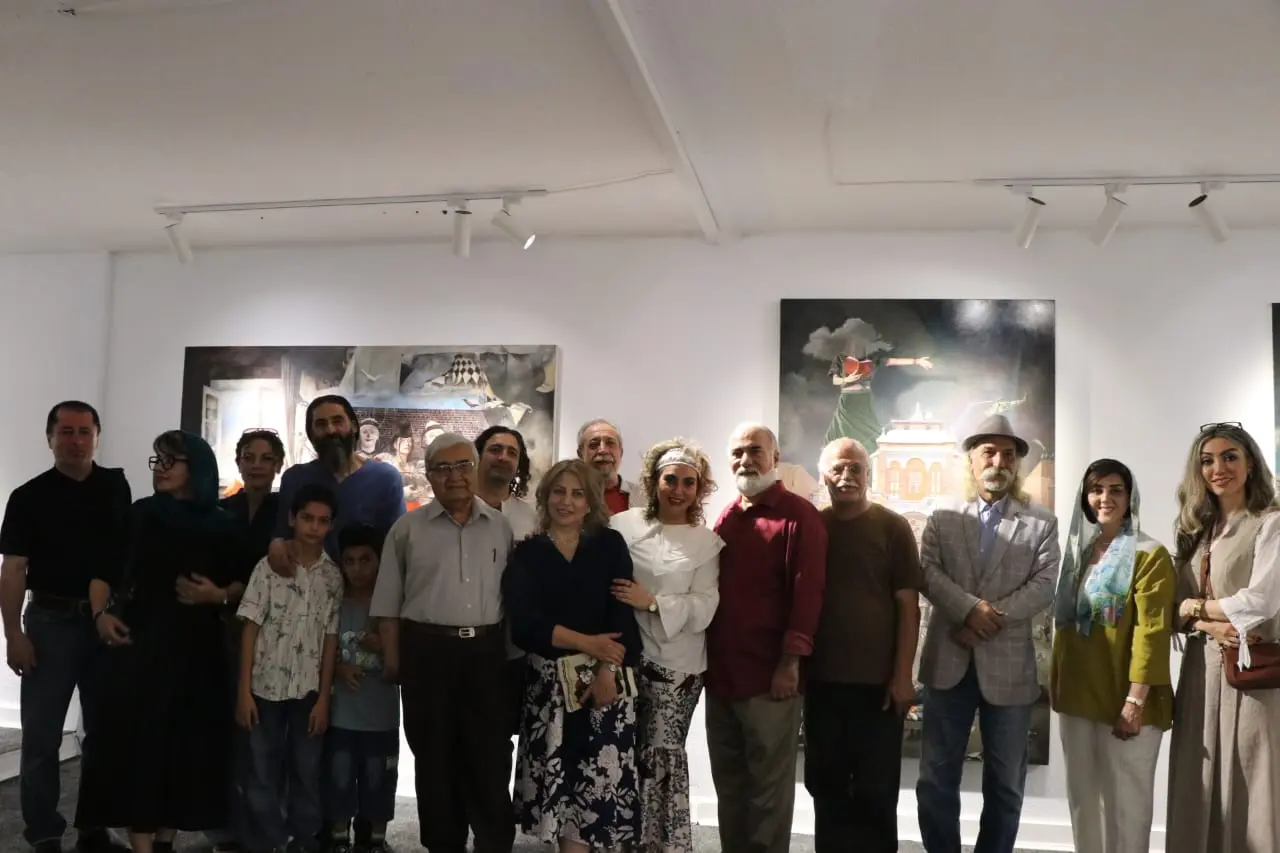
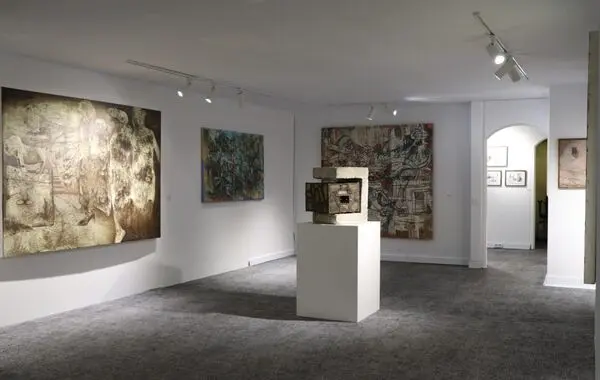
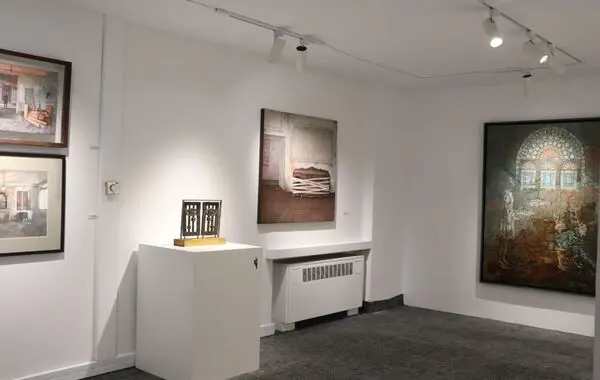
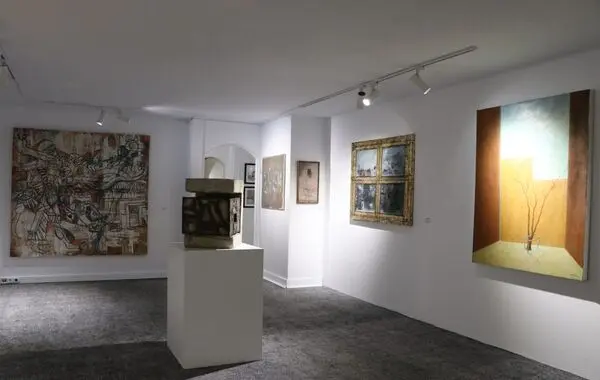
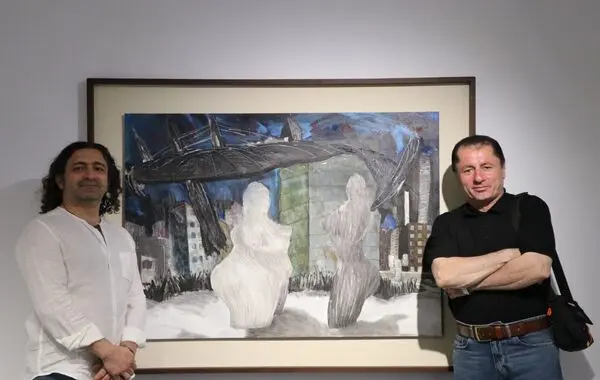
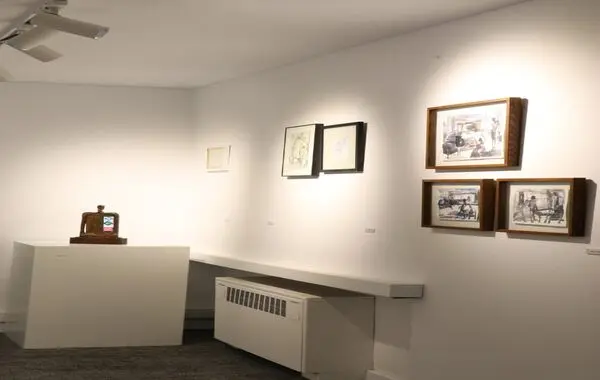
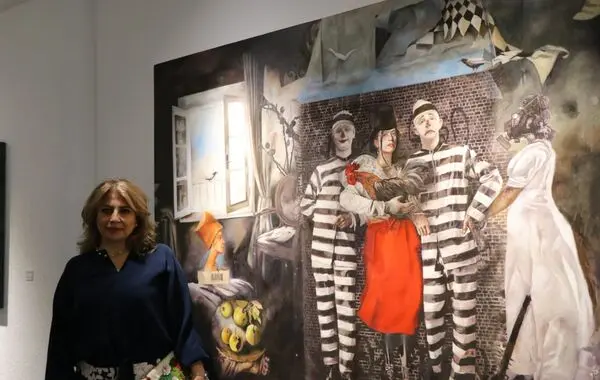
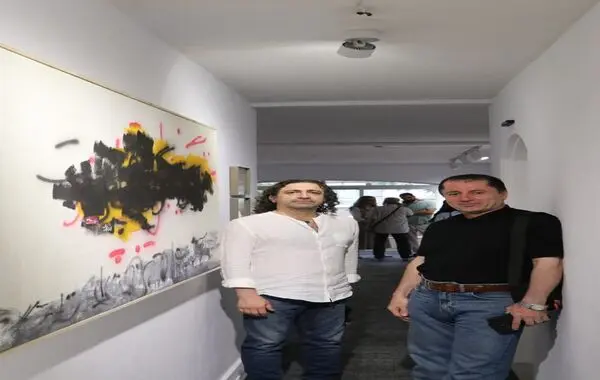
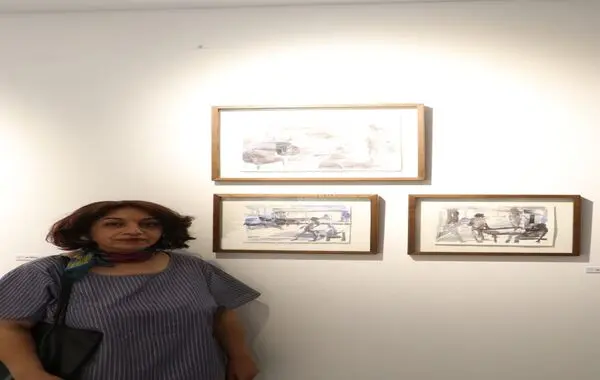
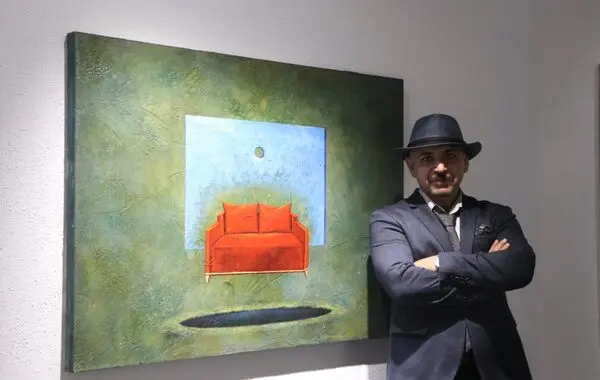
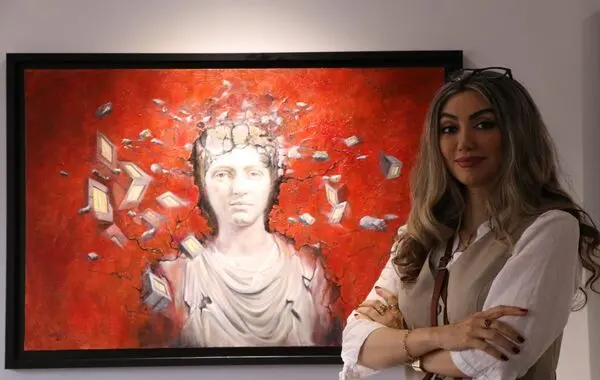
Overall, the exhibition is notable for its considerable media diversity. Painting, drawing, sculpture, installation, and collage/assemblage are presented alongside one another within the exhibition space.
This diversity extends beyond medium to encompass a wide range of materials and techniques. Oil paint, acrylic, mixed media, rapidograph, and graphite pencil appear alongside bronze, basalt stone, iron, wood, mirror, and video.
This breadth of media opens the exhibition to multiple modes of interpretation. Rather than encountering a single visual language, the viewer is presented with a range of different responses to a shared curatorial question.
In this sense, “Beyond the Wall, This Side of the Window” can be understood as a project concerned with boundaries and the possibility of crossing them—boundaries between inside and outside, the individual and the city, memory and the present, observation and experience.
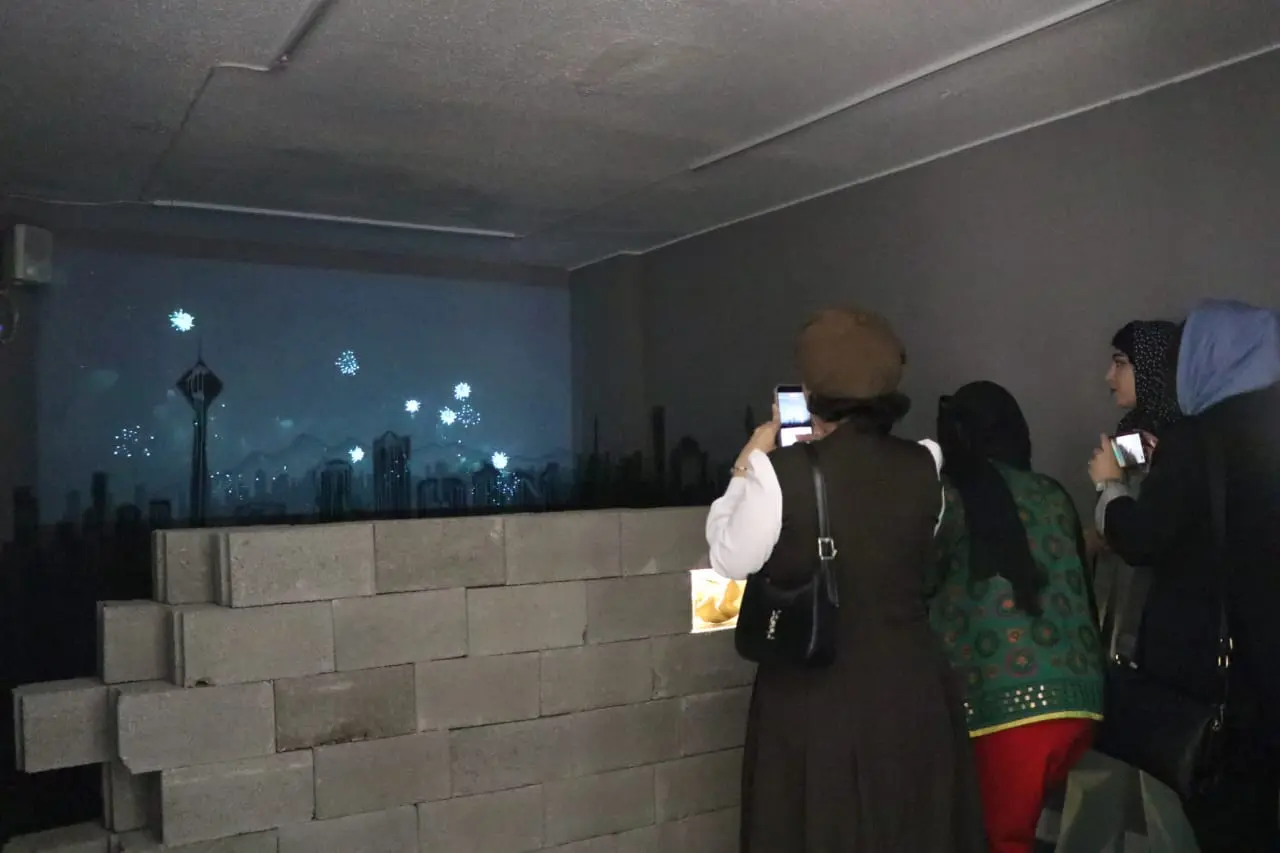
It is precisely at this point that the commissioning of new works assumes particular significance. Some of the works have not simply been selected from existing bodies of work; they have been created in response to a curatorial proposition. This process places greater emphasis on the relationship between curator and artist and makes that dialogue an integral part of the exhibition’s formation.
As part of Tehran Art Month, MAAD Gallery is presenting this curatorial project, featuring 39 artists and 70 works, through September 11, 2026.
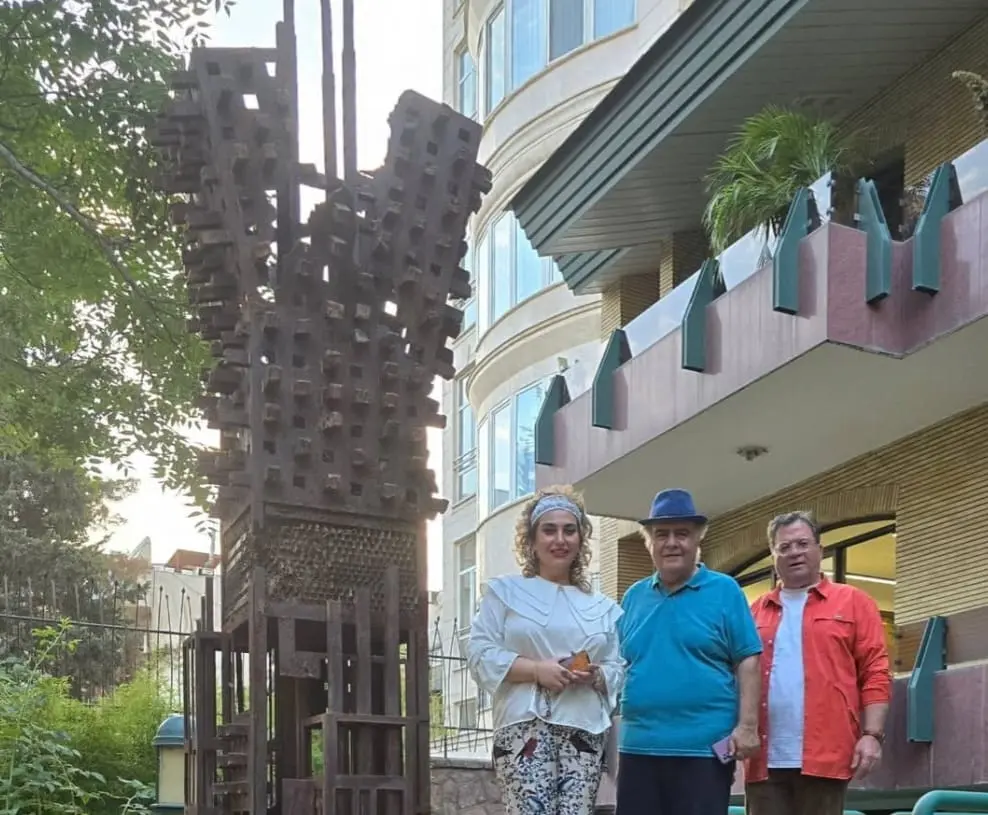
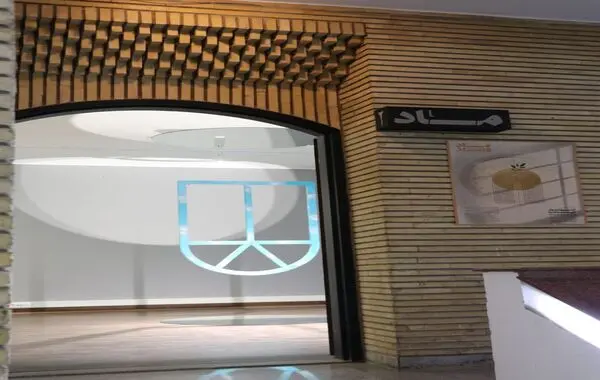
MAAD Art Gallery is located in Zafaraniyeh, at the end of Shahid Fallahi Street, Firoozkuh Street, Niyaz-Zadeh Street, Kooh-Peykar Alley, No. 3. The exhibition is open to visitors daily except Saturdays, from 4 to 8 p.m.
LEAVE A RELPY