
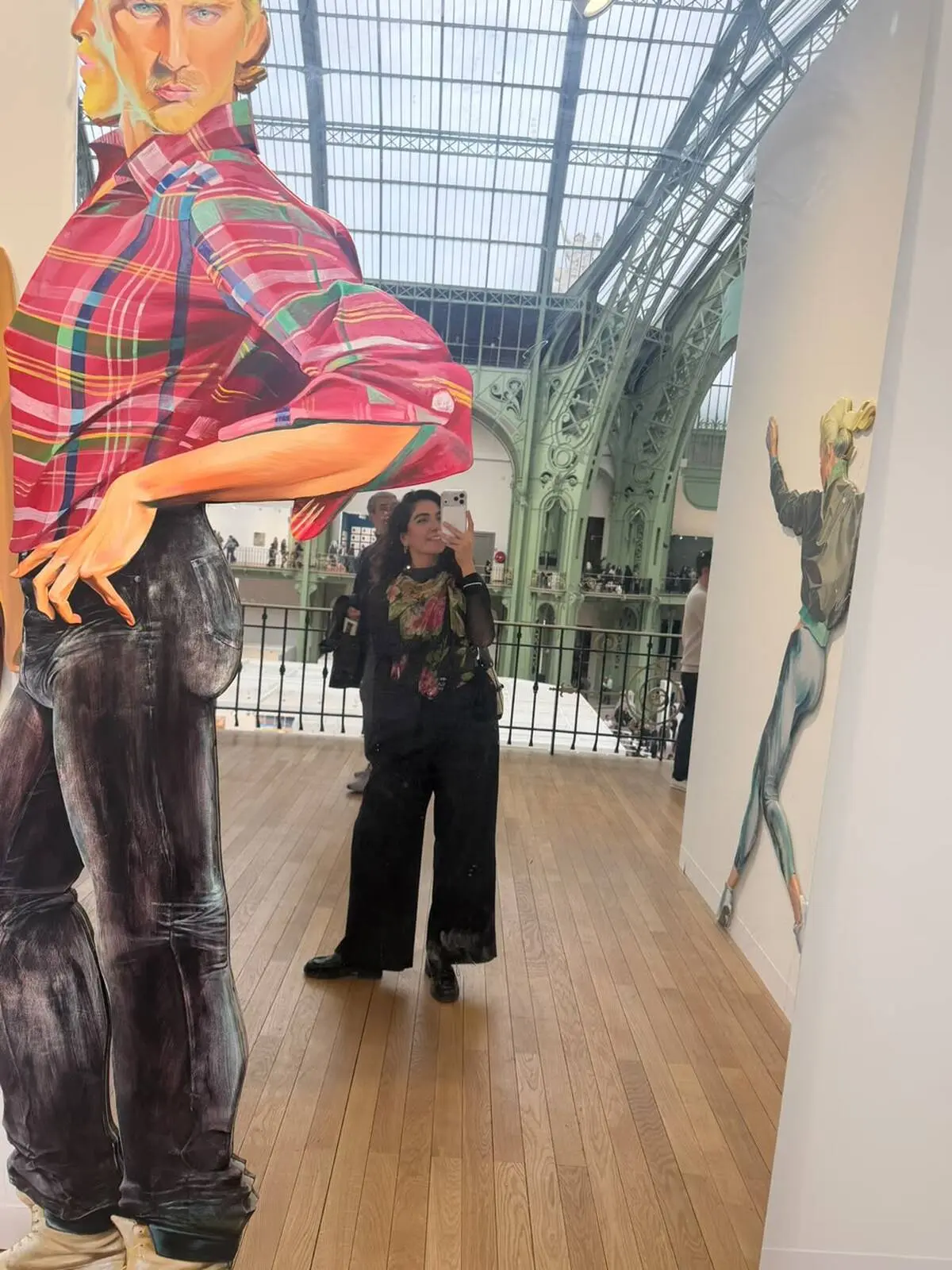
ArtDayMe Report from Basel Paris 2026 / Kimia Nakhaei Reports
Art Basel Paris 2026: The Geography of Visibility and the Uneven Landscape of the Global Art Market.
For observers of the Middle Eastern art scene, one particularly relevant issue was the absence of galleries based in Iran from the official exhibitor list.
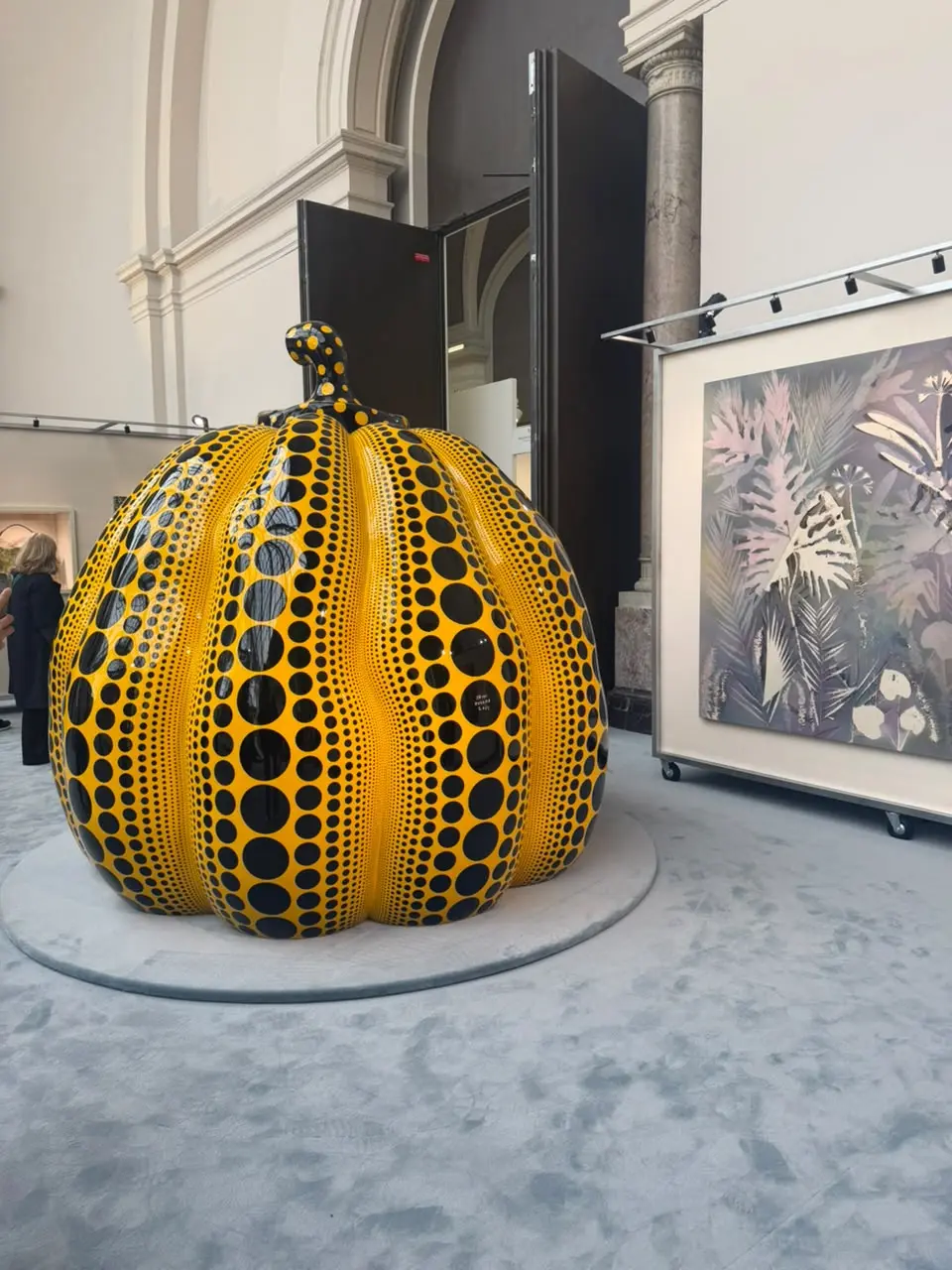
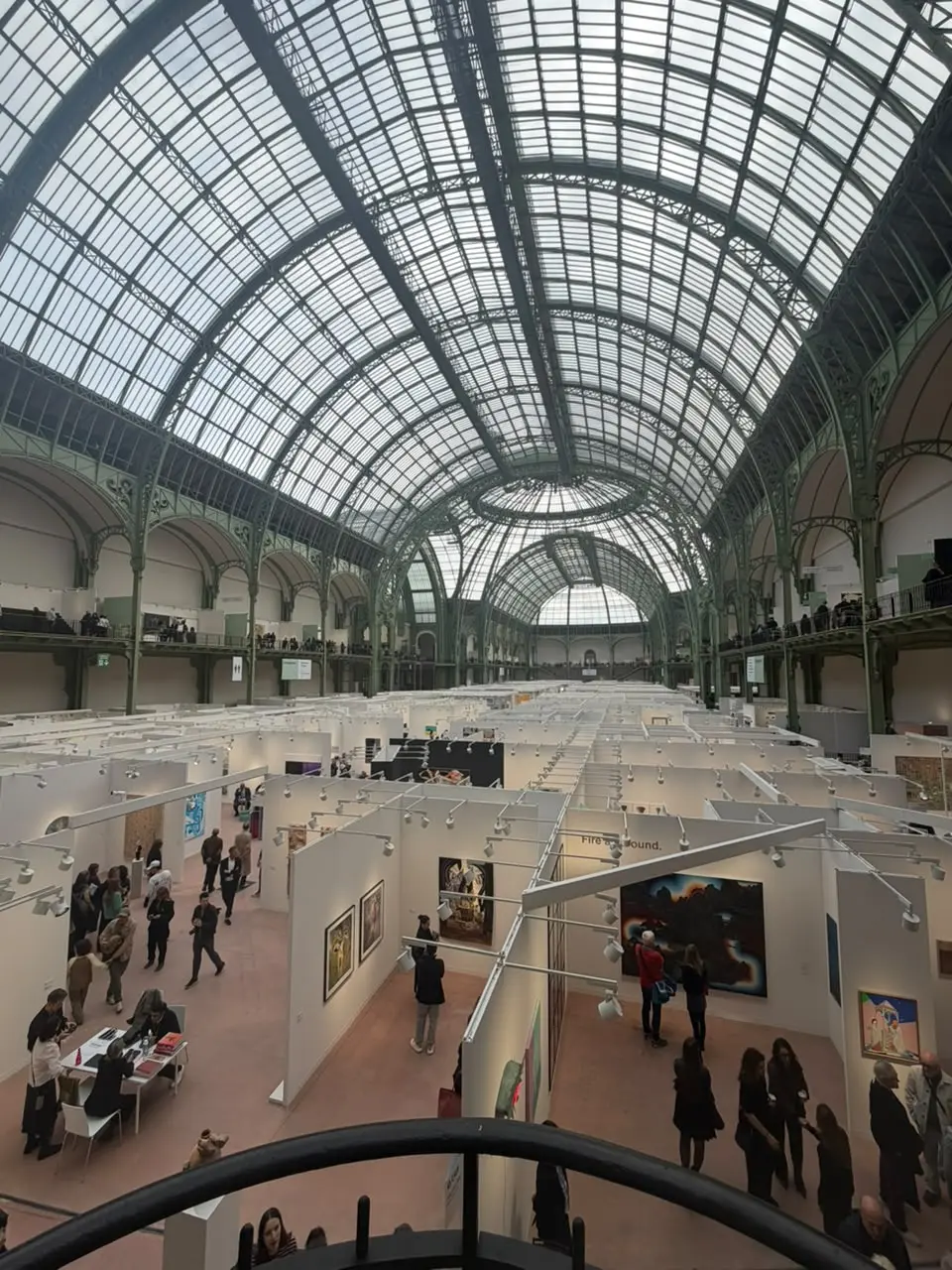
Art Basel Paris has rapidly established itself as an important meeting point for the international art community. Its location at the Grand Palais places it within a cultural environment shaped by museums, galleries, foundations, auction houses and independent art spaces.
The 2026 edition was structured around three sectors: Galeries, presenting established international gallery programmes; Emergence, dedicated to emerging galleries and artists; and Premise, offering historically and conceptually distinctive presentations.
Nearly 30 galleries participated for the first time, reflecting the fair's interest in expanding its international network. Alongside the commercial programme, public initiatives and institutional collaborations sought to position the event within the wider cultural life of Paris.
This combination illustrates the evolving role of international art fairs. They are no longer simply temporary marketplaces but influential platforms where professional relationships, collecting priorities and institutional recognition intersect.
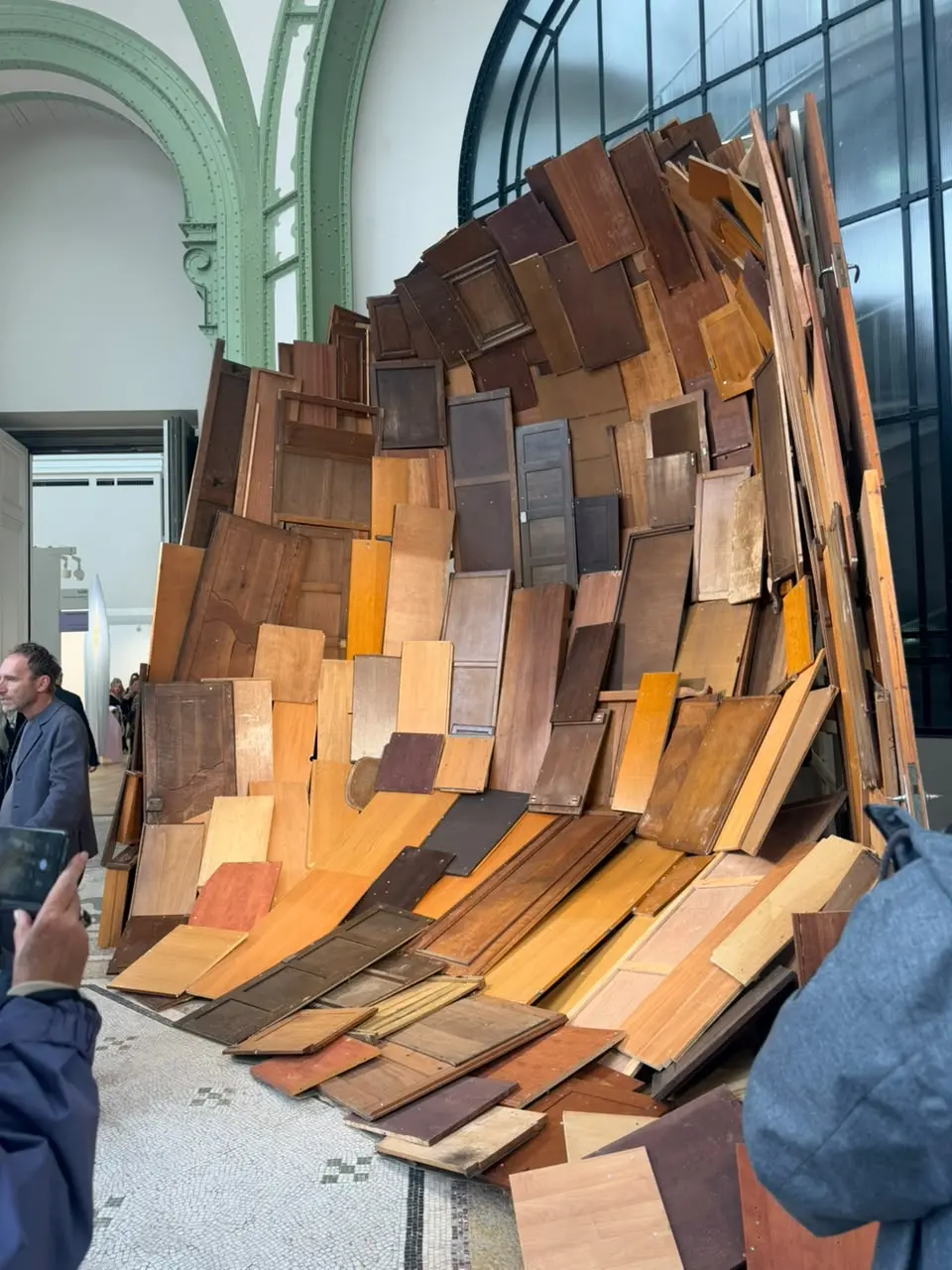
The presence of galleries connected to the Middle East and North Africa was an important feature of the 2026 exhibitor landscape.
Among the participants were Athr Gallery, with its presence in Saudi Arabia; Green Art Gallery in Dubai; Sfeir-Semler Gallery, operating between Beirut and Hamburg; and Marfa' Projects in Beirut.
Their participation reflects the growing international circulation of artistic practices emerging from the region. Artists working across the Middle East and North Africa increasingly engage with questions of identity, historical memory, urban transformation, political experience and cultural heritage through a wide range of media and conceptual approaches.
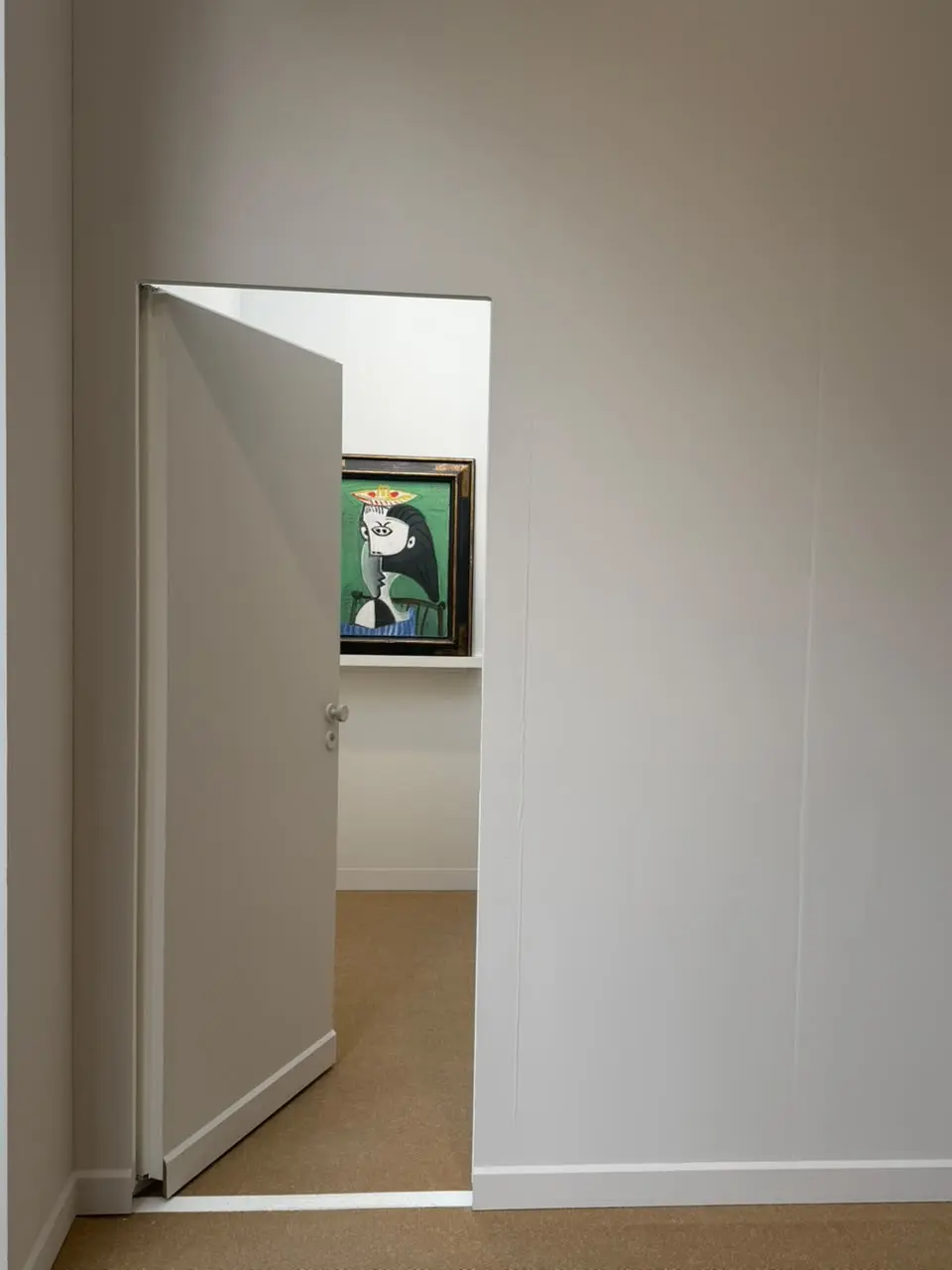
However, the international visibility of these practices also raises a broader question: to what extent are regional artistic scenes represented through their own institutions, and to what extent are they mediated by galleries and organisations operating elsewhere?
The distinction is important. The presence of artists from a particular region does not necessarily indicate the strength or accessibility of the gallery ecosystem within that region.
The question of representation is closely connected to the broader relationship between artistic value and market power.
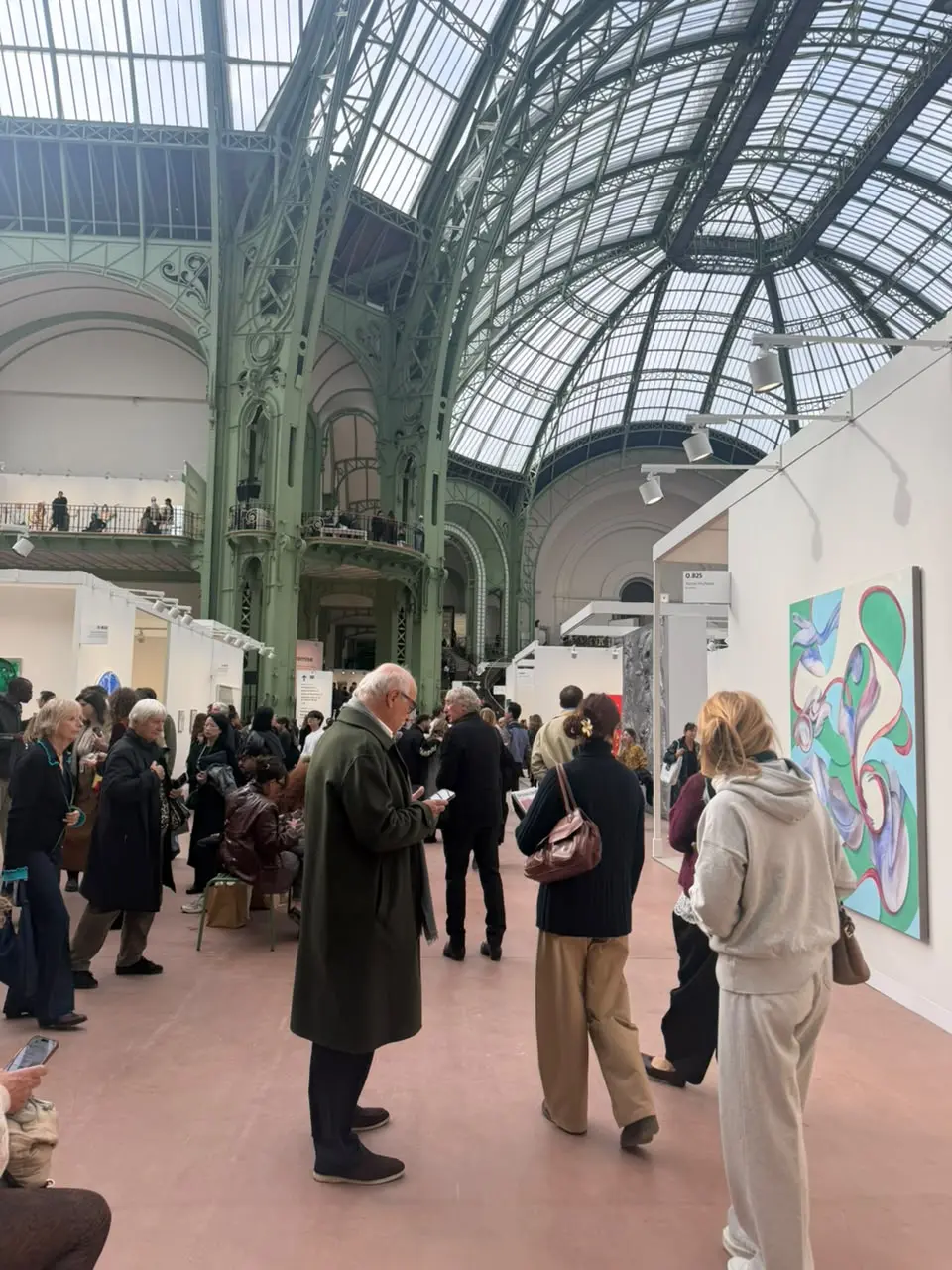
Major international fairs concentrate influential galleries, collectors, advisers and institutional representatives within a limited period of time. Participation can provide artists and galleries with access to professional networks that might otherwise take years to establish.
At the same time, the cost of participation, the competitive nature of the market and the concentration of influential commercial networks can create barriers for smaller galleries and less-established artistic communities.
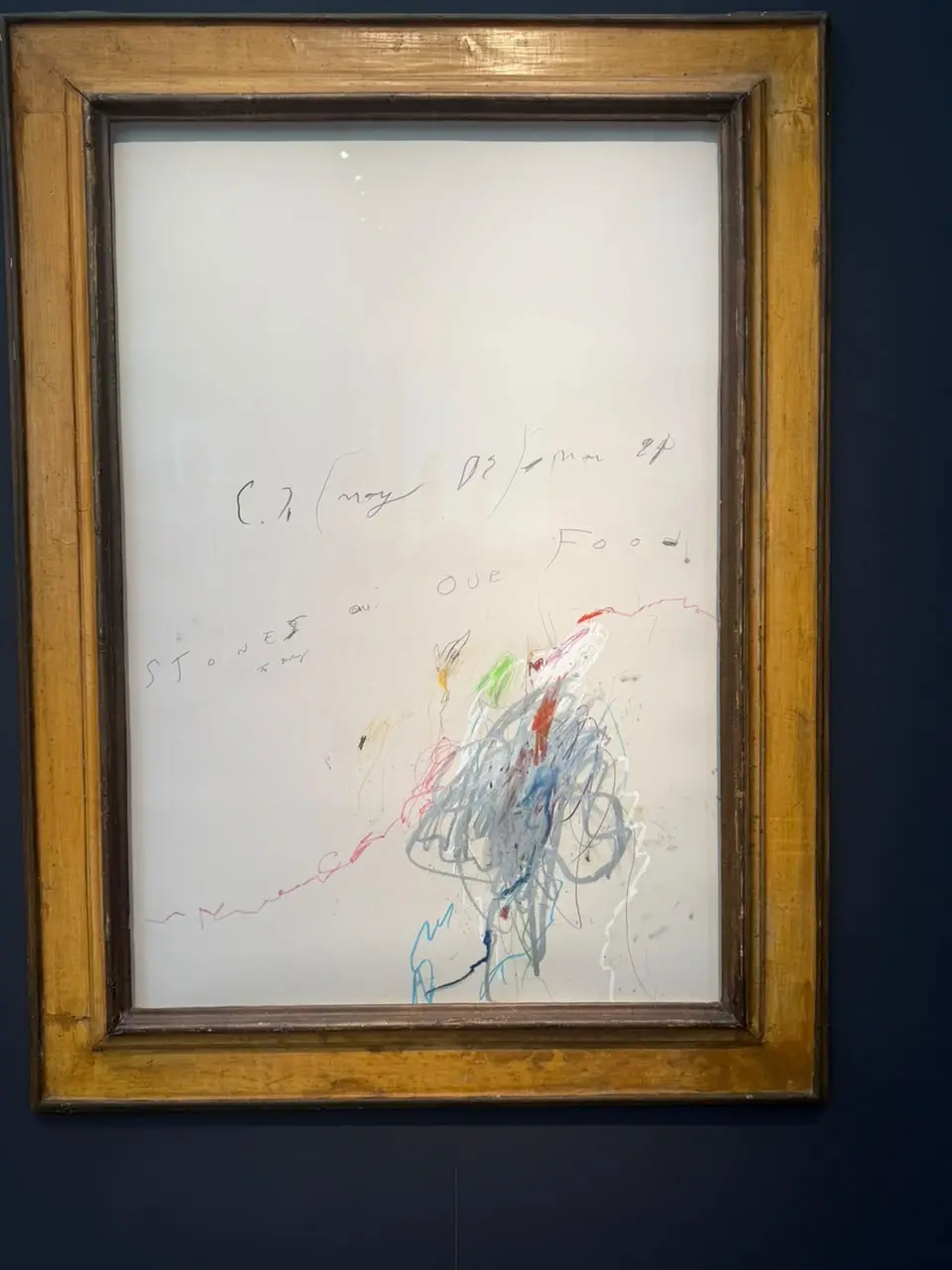
Artistic recognition, however, cannot be measured exclusively through commercial success. Important artistic practices frequently develop through independent initiatives, research-based projects and cultural institutions outside the conventional market structure.
For artists working in Iran and other regions facing barriers to international circulation, alternative forms of exchange, including institutional partnerships, independent curatorial collaborations and international residencies, remain particularly important.
The challenge is therefore not simply to secure a place at an international art fair, but to develop sustainable structures through which artistic practices can circulate and be understood on their own terms.
The 2026 edition also encountered an unexpected interruption.
On 22 October, organisers announced that the fair would close at 7 p.m. on Friday, 23 October, rather than continuing until Sunday, 25 October, as originally scheduled. The decision followed concerns about potential demonstrations and unrest in Paris and was presented as a security measure to protect visitors, exhibitors, staff and artworks.
The announcement generated considerable concern among participating galleries. International art fairs require substantial financial investment, from transportation and insurance to booth construction, staffing and accommodation. Losing an important part of the scheduled exhibition period can therefore have significant consequences, particularly for smaller galleries.
The early closure highlighted the vulnerability of the international art market to circumstances beyond its control. It also demonstrated how the economic structures of major art events remain closely connected to wider political and social realities.
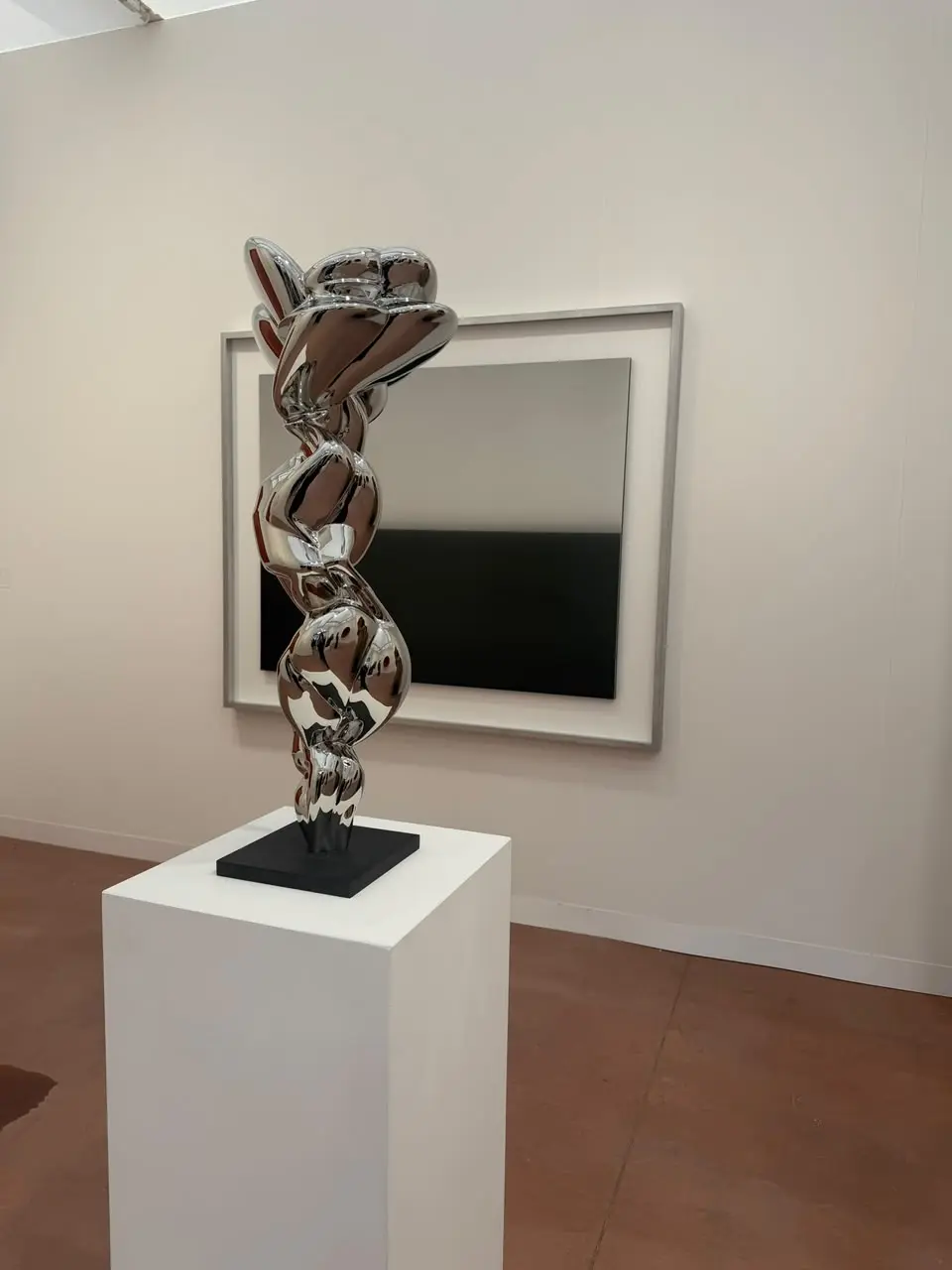
Art Basel Paris 2026 demonstrated the continuing importance of international art fairs as spaces of commercial exchange, cultural influence and institutional networking. Its diverse exhibitor list reflected a global art market that increasingly engages with artistic practices beyond traditional Western centres.
Nevertheless, the question of geographical representation remains unresolved.
For Iranian art, the absence of galleries based in the country is not evidence of a lack of artistic production or international relevance. Rather, it points to the distance that can exist between a vibrant artistic environment and the institutional and economic mechanisms required to access the global market.
A more inclusive international art ecosystem would require more than the occasional appearance of artists from underrepresented regions. It would also involve stronger gallery networks, more accessible professional structures, sustainable institutional partnerships and opportunities for cultural exchange.
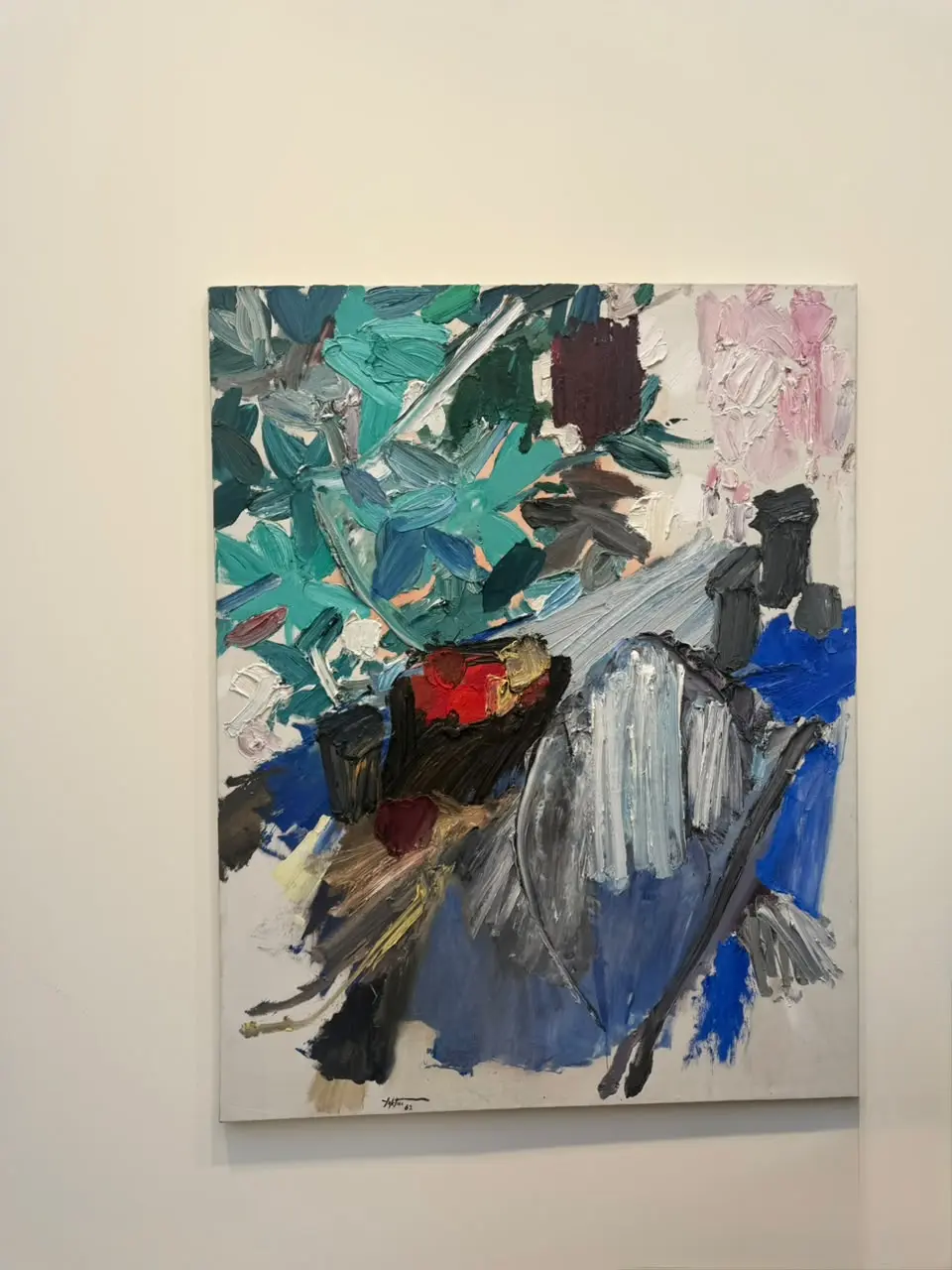
Ultimately, the significance of Art Basel Paris lies not only in the artworks displayed or the transactions conducted, but also in the questions it raises about the organisation of the contemporary art world. Who has the resources to participate? Who determines which artists become internationally visible? And how can artistic value be recognised beyond the limits of commercial power?
LEAVE A RELPY