
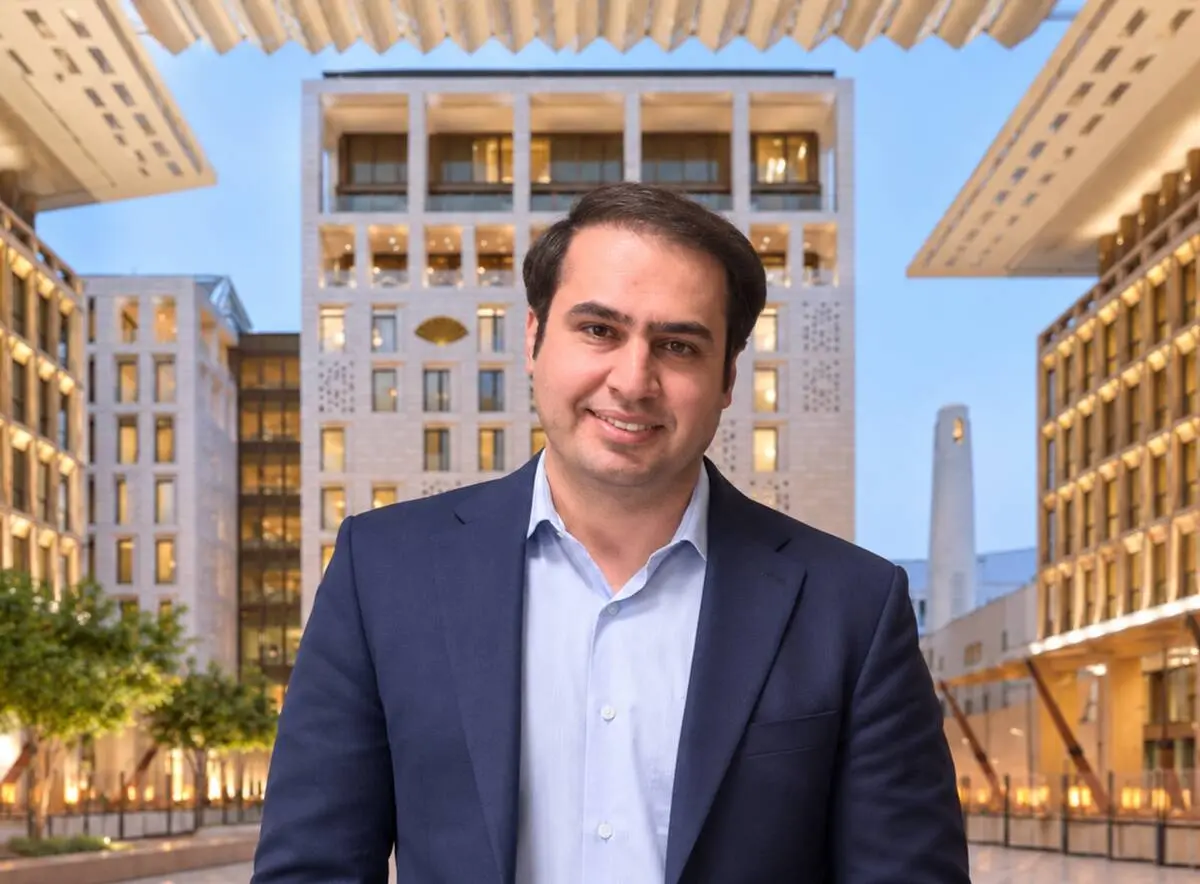
Seyed Mohammad Omrany: The Economics of Trust — The Hidden Capital of the Global Art Market
Art Market Economist: If capital is the fuel of the art economy, trust is its driving force: an invisible form of capital built over decades and sometimes centuries, without which no sustainable art market can emerge.
IranArt : Seyed Mohammad Omrany, Art Market Economist:
The global art market cannot be explained solely through figures, sales records, or the prices of artworks. Behind the billions of dollars circulating through this market lies an asset whose value may exceed that of many works of art themselves: trust.
If capital is the fuel of the art economy, trust is its driving force: an invisible form of capital built over decades and sometimes centuries, without which no sustainable art market can emerge.
Unlike many commodity markets, the value of an artwork depends not only on its raw materials, production costs, or even the artist's technical skill. What transforms an artwork into a cultural and economic asset is a network of trust connecting the artist, gallery, museum, collector, art expert, auction house, insurer, and buyer. The more cohesive and transparent this network becomes, the greater the economic value of the artworks it supports.
This is why the world's leading art centres are, before they become marketplaces, institutions that build and sustain trust. London, New York, Paris, Basel, and Hong Kong, as well as emerging centres such as Tehran, Dubai, Doha, Jeddah, and Abu Dhabi, are not merely places where artworks are bought and sold. They are ecosystems that generate credibility, authenticity, and transparency. In such environments, buyers are not simply purchasing a painting or sculpture; they are placing their confidence in the credibility of an entire network of professional institutions.
Over recent decades, many countries have come to recognise that developing an art economy cannot be achieved simply by building a museum or organising an art fair. Physical infrastructure is only one part of the equation.
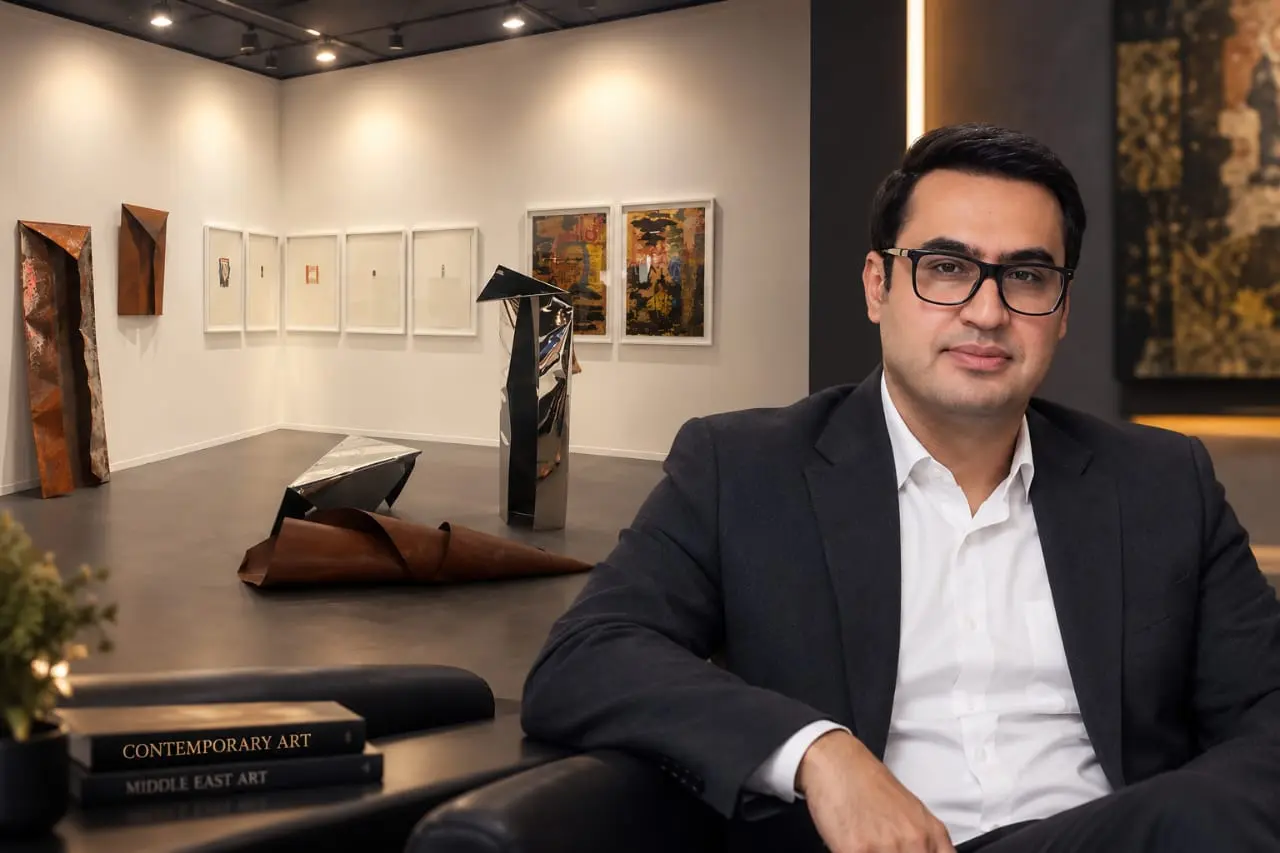
What truly sets a market in motion is the establishment of institutions capable of generating trust among its various participants. This requires everything from professional systems of art appraisal and the documentation of artworks' provenance and histories to ownership regulations, insurance, specialised transportation, financial transparency, and open access to market information.
For this reason, the art economies of developed countries are built less on advertising than on credibility.
Established galleries spend decades earning the trust of collectors. Museums enhance artists' reputations through research, documentation, and exhibitions. Auction houses ensure the security of transactions by adhering to professional standards, while specialised media contribute to market transparency through continuous criticism, analysis, and reporting. Each of these links forms part of the intangible capital underpinning the art economy.
In recent years, the importance of trust has grown even further. The expansion of online sales, the emergence of digital platforms, the increase in cross-border transactions, and the introduction of new technologies have transformed the art market into an increasingly global environment.
Under these circumstances, a buyer may purchase an artwork from thousands of kilometres away without ever meeting the artist or the seller. Here, too, what makes the transaction possible is trust in the available information, the authenticity of the artwork, the seller's reputation, and the institutional support provided by professional organisations.
From an economic perspective, trust reduces transaction costs. The greater the level of trust, the faster capital circulates, the lower the risks associated with investment, and the greater the market's capacity to attract larger amounts of capital.
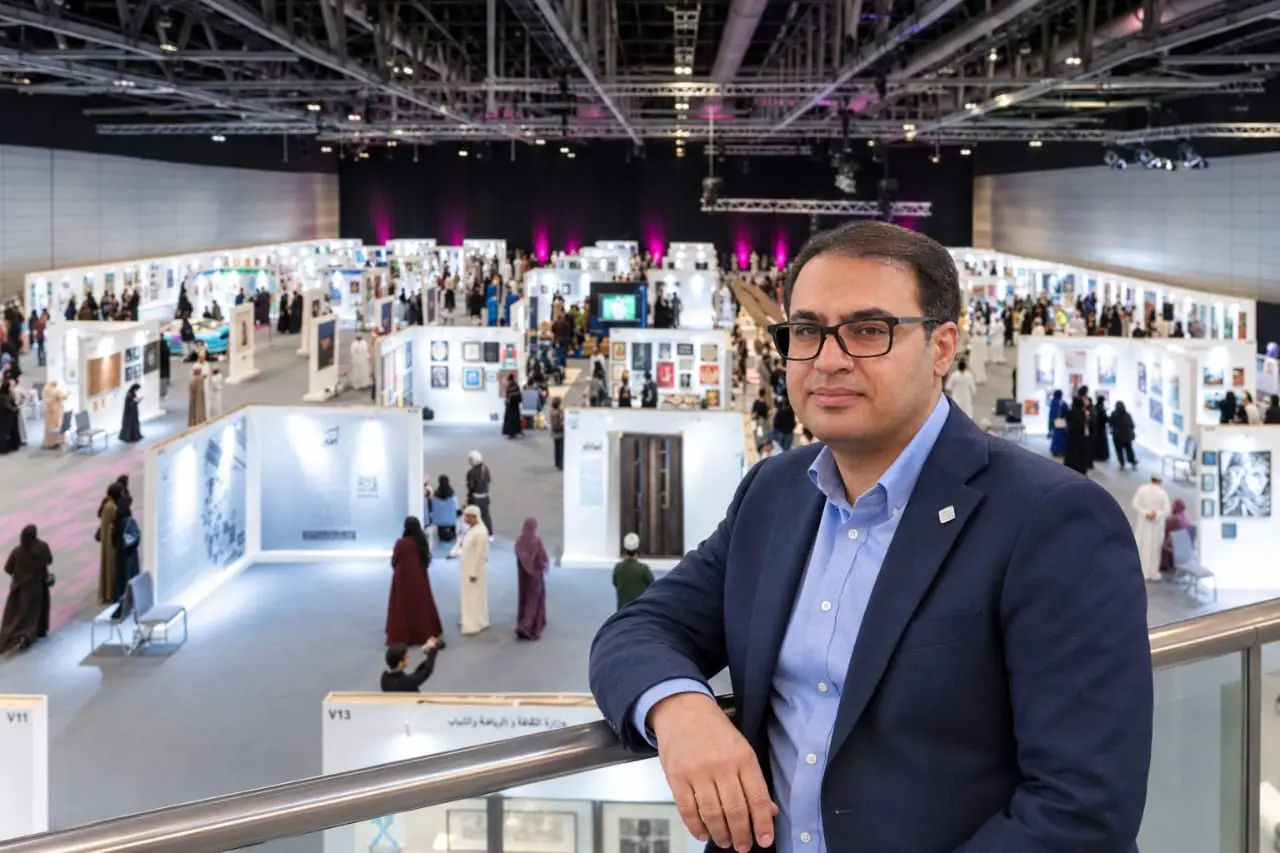
This is why countries that have succeeded in establishing transparent and professional institutions now command a larger share of the global art market, even when their historical track record in art production may be shorter than that of other countries.
Another important point is that trust does not benefit investors alone; it also serves artists. An artist working within a professional structure has greater opportunities to gain visibility, enter prestigious collections, exhibit in museums, and access international markets. Under such conditions, the value of their work is shaped not by short-lived market excitement, but by a professional trajectory that can be assessed and evaluated.
Today, the economics of art is more closely aligned than ever with the knowledge and information economy. Before making a purchase, collectors examine exhibition histories, artists' CVs, the quality of research, published critical reviews, and the standing of galleries.
Investing in art is no longer merely an emotional choice; it is an economic decision grounded in data, analysis, and credibility.
For this reason, the future of the global art market will not be determined solely by countries with greater financial resources. Those most likely to strengthen their position will be the countries capable of establishing trustworthy institutions, transparent regulations, independent specialised media, and effective professional networks. Financial capital can build museums or organise art fairs, but trust cannot be bought. It is earned through continuity, transparency, and professional performance.
Perhaps the most significant transformation in the art economy of the twenty-first century lies precisely in this shift in perspective: moving from "selling artworks" to "building an ecosystem of trust."
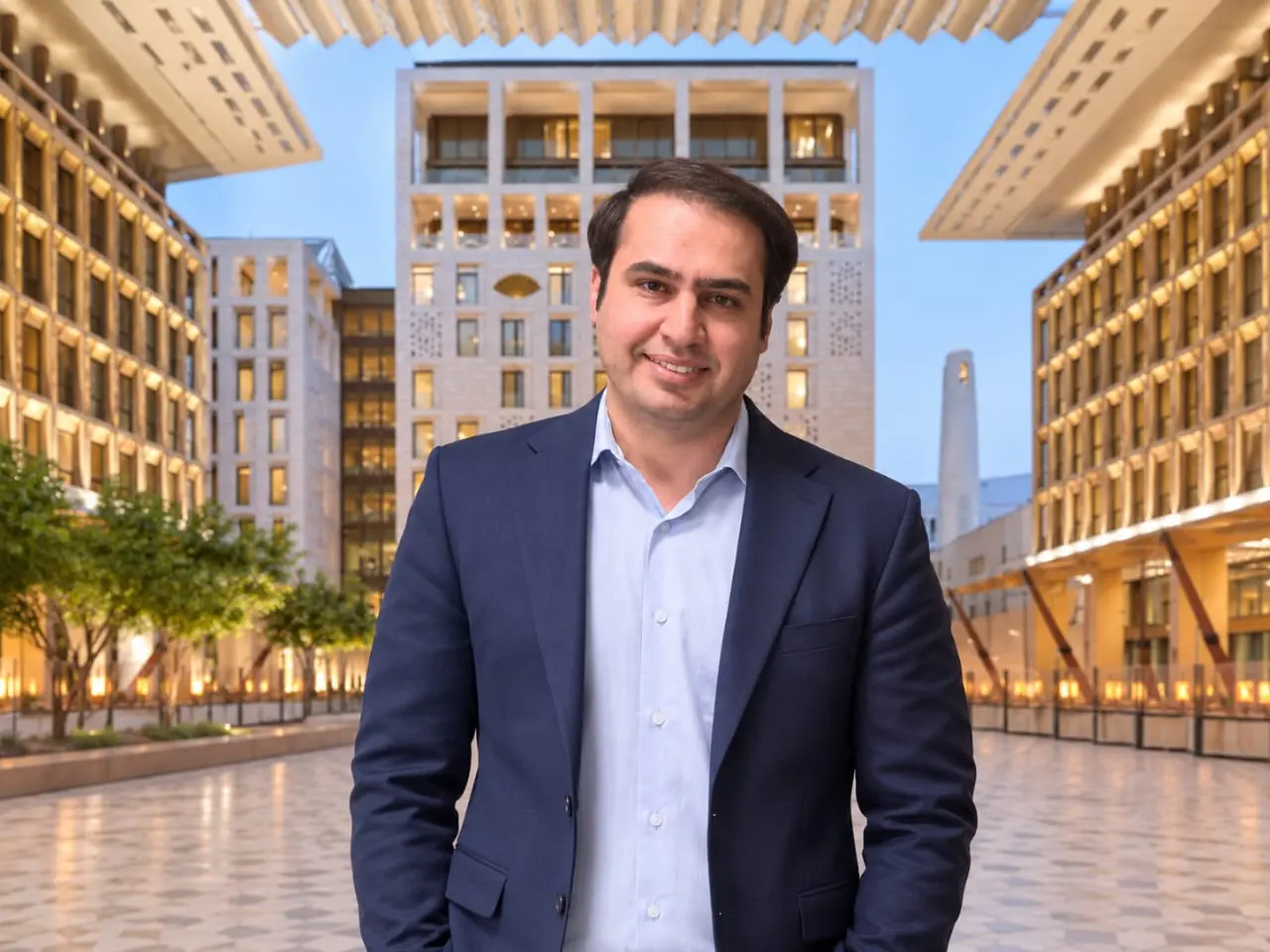
Within this model, the artwork is merely the final product of an extensive chain. This chain begins with education, research, and artistic production, continues through galleries, museums, media, collectors, and specialised institutions, and ultimately leads to a sustainable international market.
The greatest asset of the global art market is not its most expensive paintings or sculptures, but the trust that has developed over the years among its participants. Any country capable of creating and preserving this invisible capital will not only secure a larger share of the global art economy but also consolidate its cultural standing and soft power on the international stage.
Art, before it is a market for artworks, is a market of trust. And the future of this economy will depend, above all, on the quality of that trust.
LEAVE A RELPY