
Khashayar Farhat and the Portrait: How Far Can a Portrait Remain a Portrait? at Mojdeh Gallery, Tehran
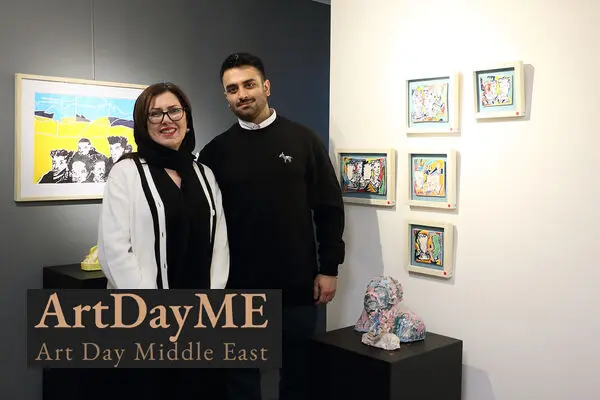
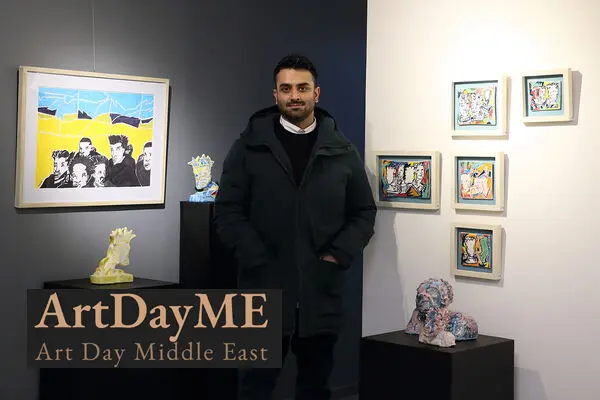
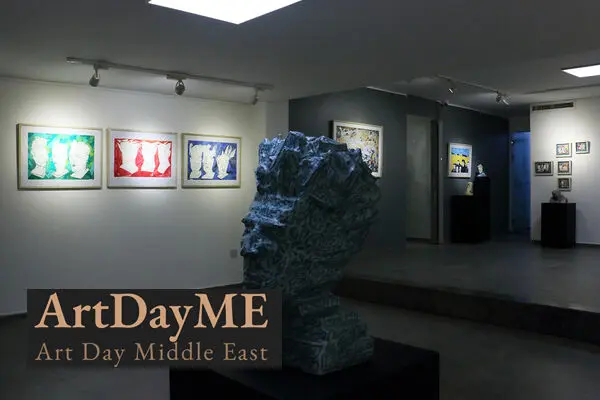
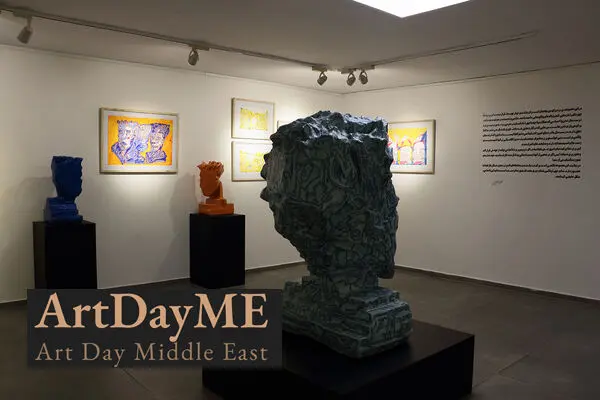
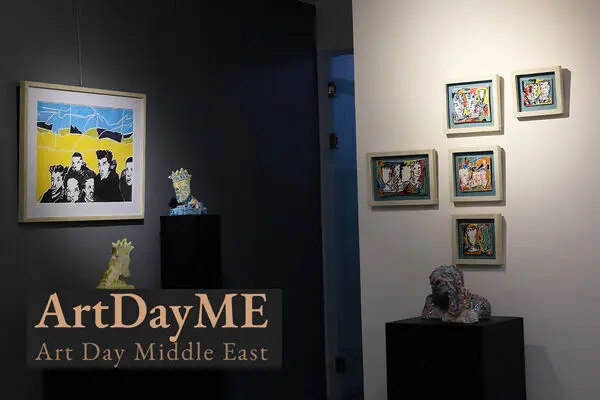
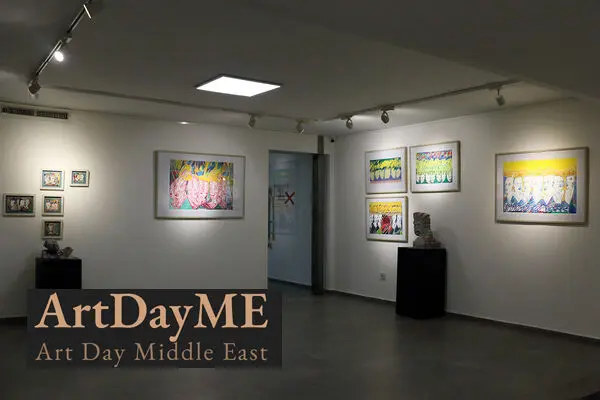
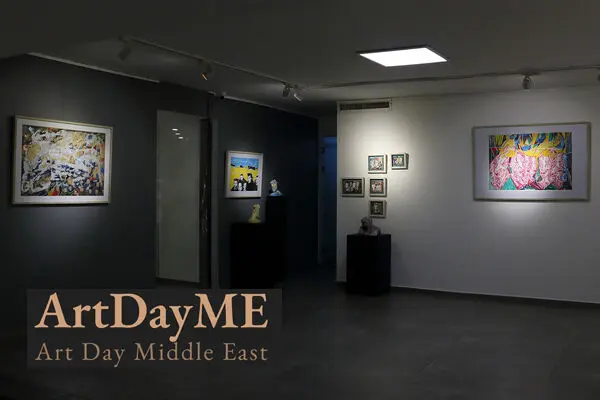
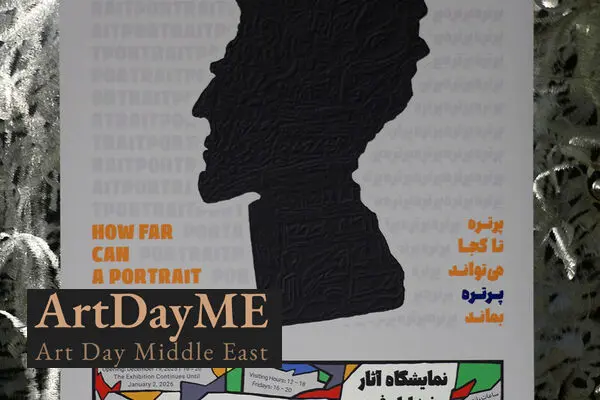
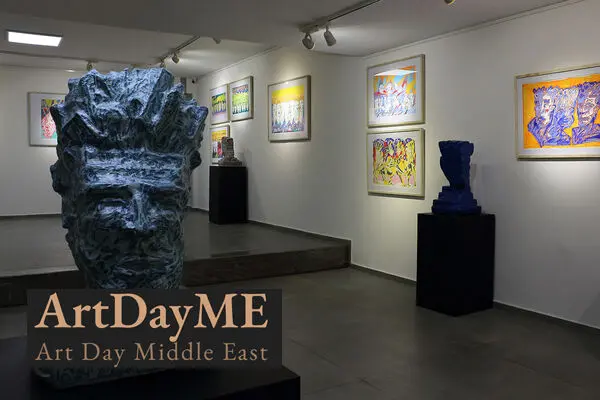
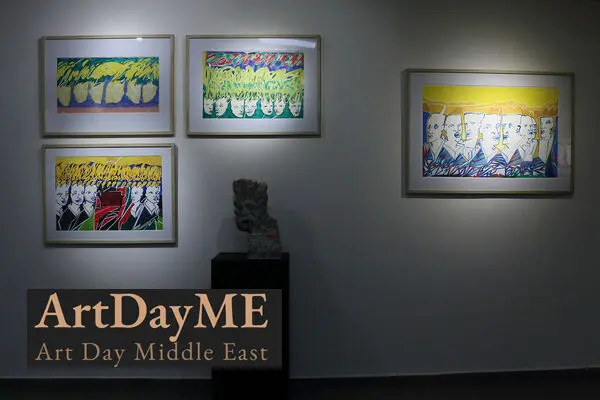
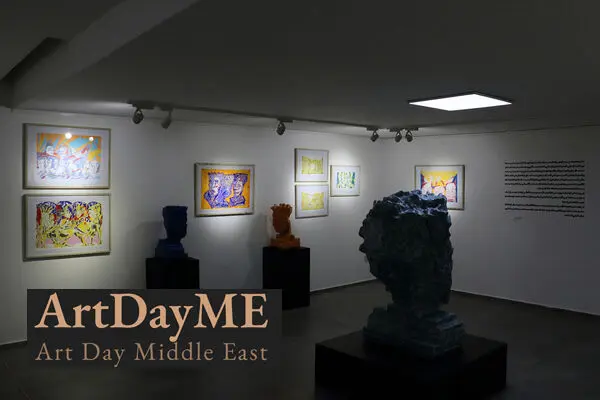
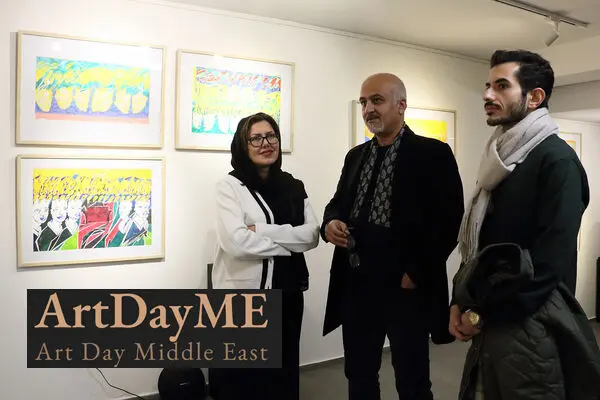
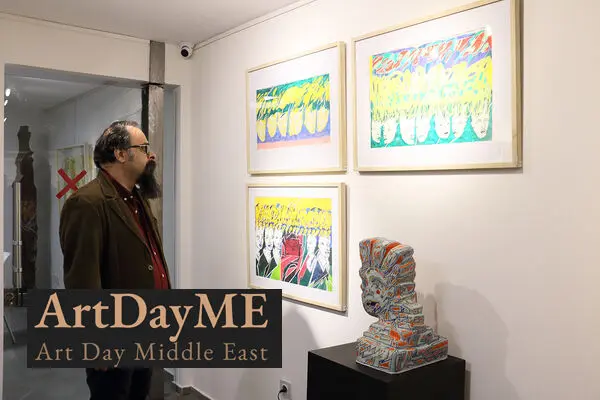
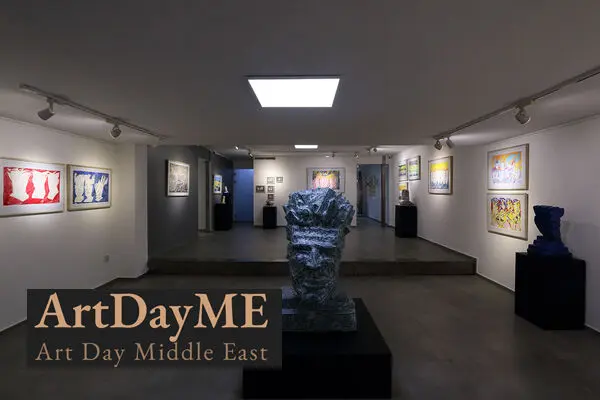
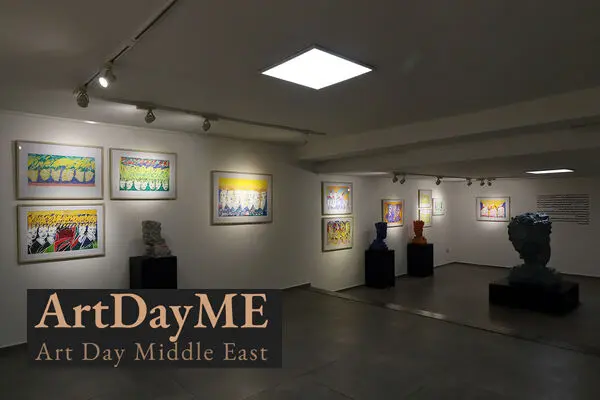
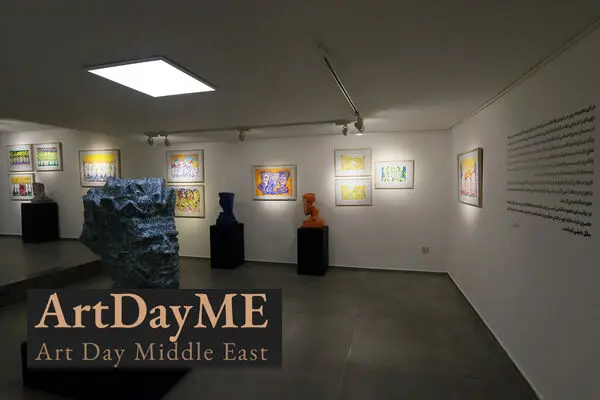
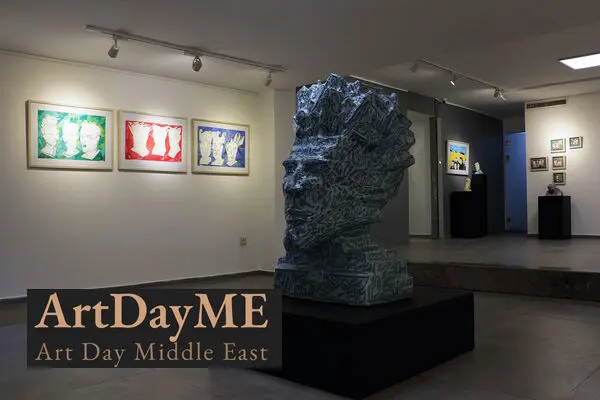
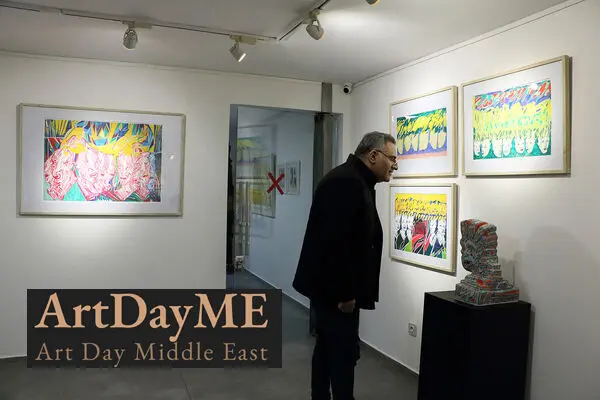
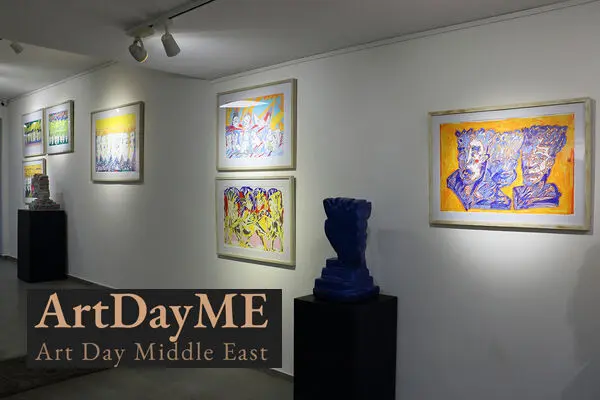
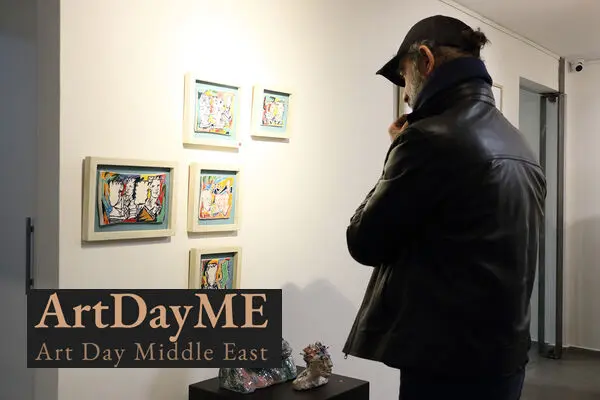
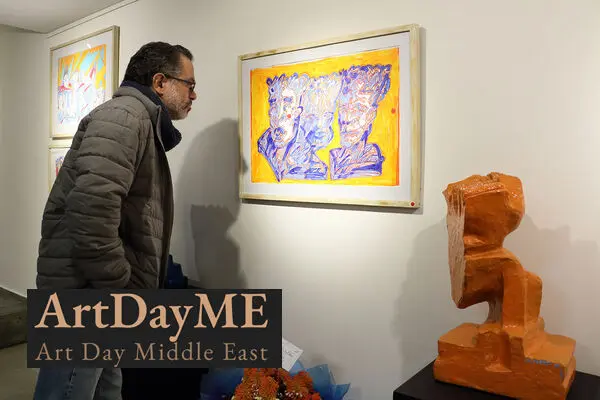
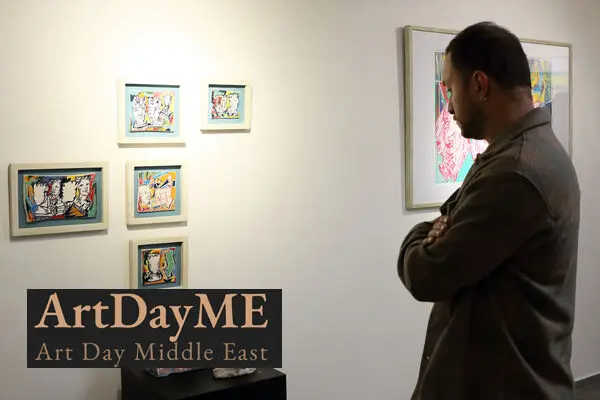
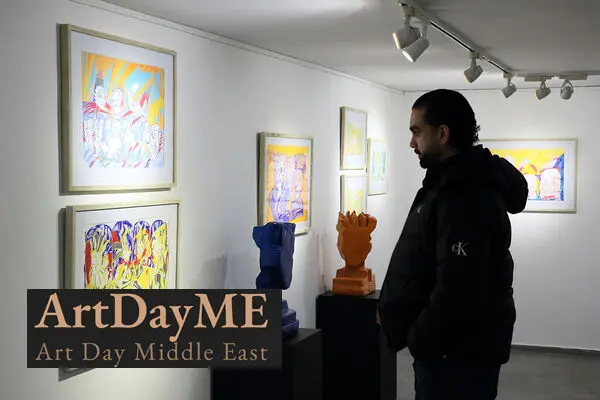
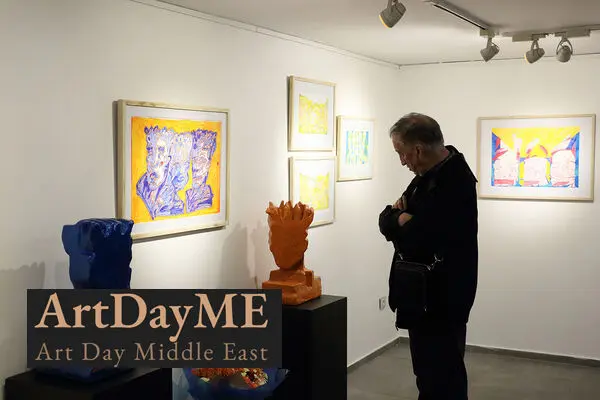
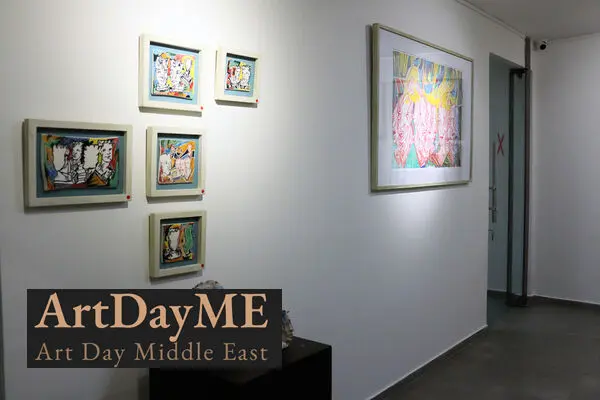
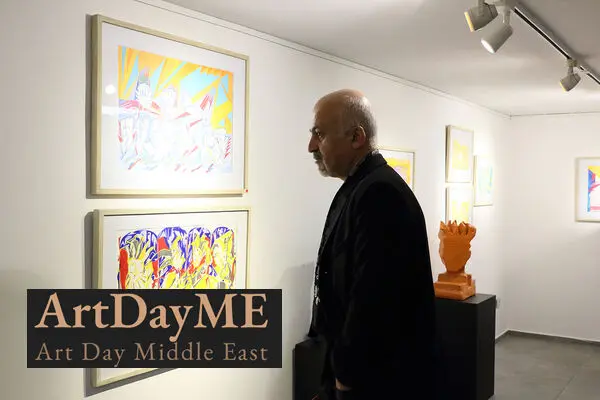
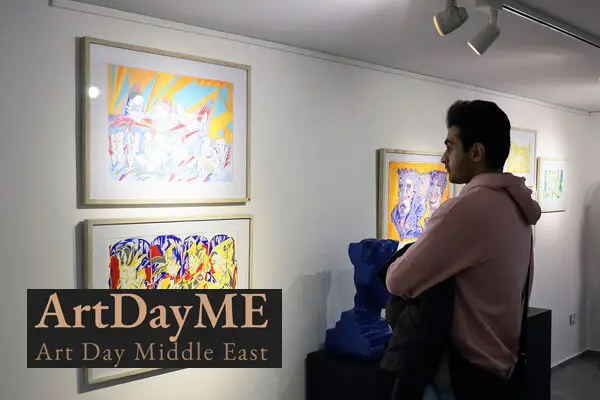
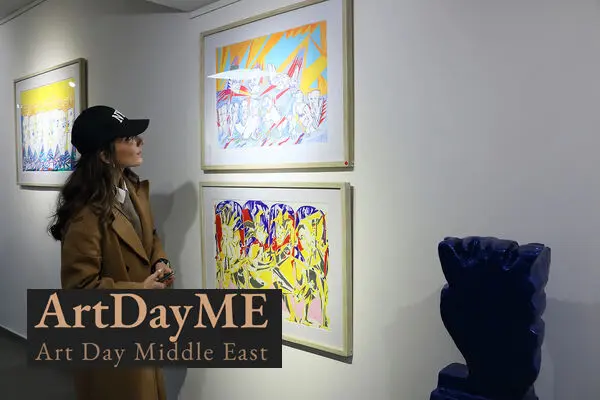
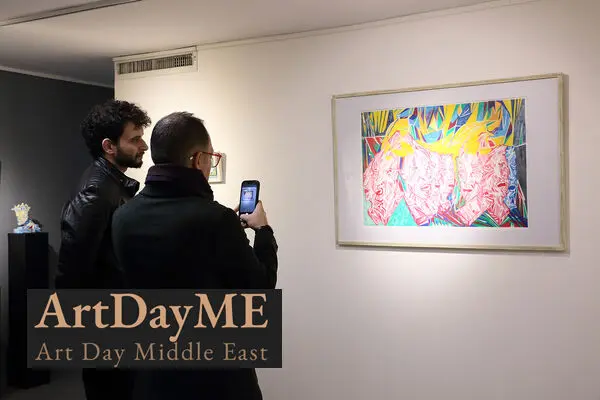
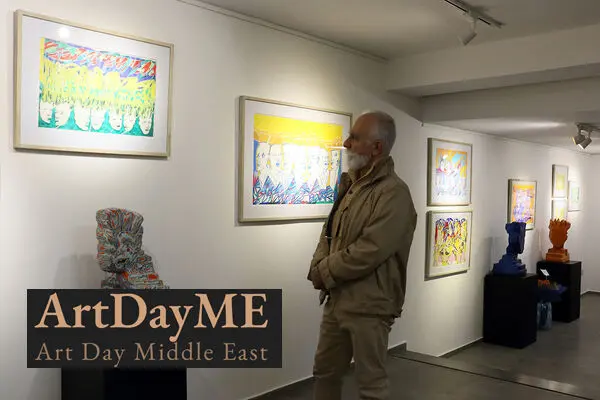
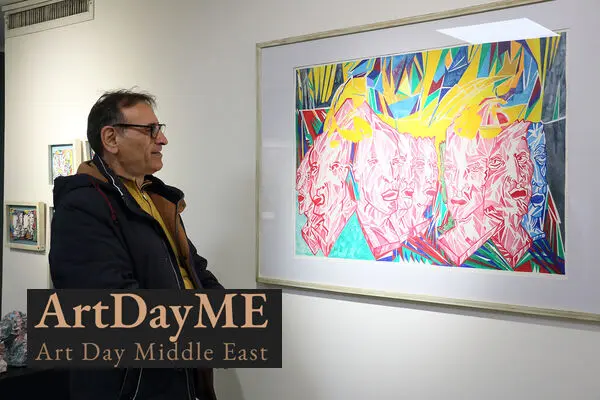
ArtDayMe: Khashayar Farhat, a contemporary painter and sculptor, presents his latest body of work at Mojdeh Gallery in Tehran following a series of notable successes in Italy and Russia. This exhibition, centered on portraiture, is shaped around a fundamental question that challenges the genre itself: How far can a portrait remain a portrait?
Born in Tehran in 1993, Khashayar Farhat is a painter, sculptor, and illustrator who holds a bachelor’s degree in Sculpture from the Faculty of Fine Arts at the University of Tehran. A multidisciplinary artist with a distinct visual language, Farhat does not impose boundaries on his creative process. To materialize his ideas, he freely employs a range of media including painting, sculpture, and video art.
His works draw upon a wide spectrum of concepts and themes such as mythology, religion, tradition, human relationships, portraiture, shamans and magic, society, and the tools of modern life—often infused with a subtle sense of humor. Recurring subjects in Farhat’s practice are humans and animals placed in unusual, unfamiliar situations, inhabiting a world suspended between dream and reality.
Farhat’s works have been exhibited internationally in countries including France, Italy, and Russia. In parallel with his fine art practice, he is also active in painting on garments and fashion design, having participated in events such as Toronto Fashion Art, Caspian Fashion Week, and Russian Fashion Week.
He is the recipient of the First Prize in Sculpture and Creativity at the Arte Oltre Confine Festival at the Omero Tactile Museum in Italy, and has also been awarded the International Art Prize from the Omero Museum (Farnesina Collection). In 2015, Khashayar Farhat was selected in Russia as a Promising Artist Under Thirty, and his works were exhibited alongside a collection of watercolors by Salvador Dalí.
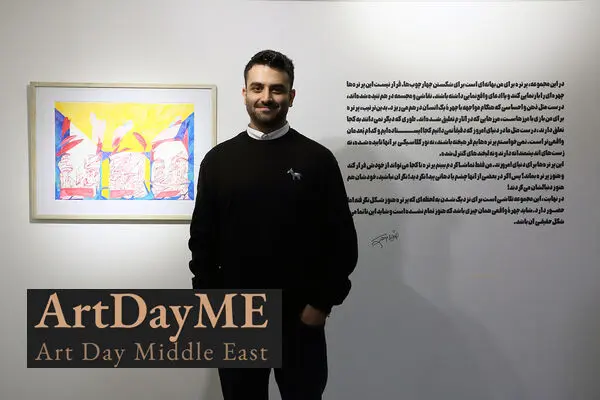
For the exhibition “How Far Can a Portrait Remain a Portrait?” at Mojdeh Gallery, Tehran, Farhat has released the following artist statement:
“In this collection, portrait is an excuse for me to break the framework. These portraits are not meant to represent a face or claim to be real. Painting and sculpture are intertwined, just like the mind and emotion that are disrupted when confronted with a human face. In this way, portrait is a game with boundaries for me, boundaries that are suspended in my works. In a way that they no longer know where they belong, just like us in today’s world where we don’t know exactly where we stand and which dimension of ourselves is more real. I didn’t want my portraits to be cultured, with no classical light shining on them, no thoughtful gestures, no controlled smiles. These portraits are for today’s world. I just watched to see how far a portrait could escape itself and still remain a portrait? So if you didn’t find any eyes or mouths in some of them; Don't worry, they're also still looking for them!
Ultimately, this collection is an attempt to approach the moment when the portrait is not yet formed but is present. Perhaps the true face is what is not yet finished, and perhaps this incompleteness is its true form.”
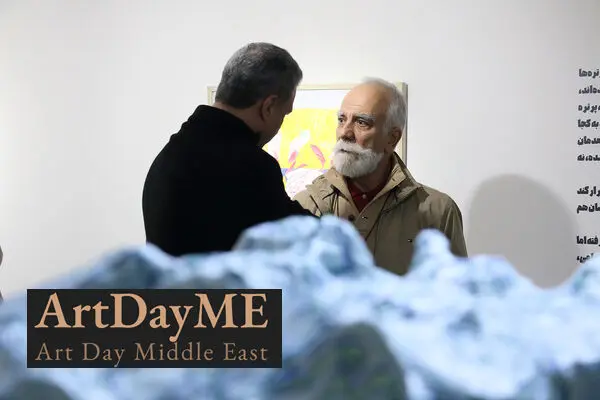
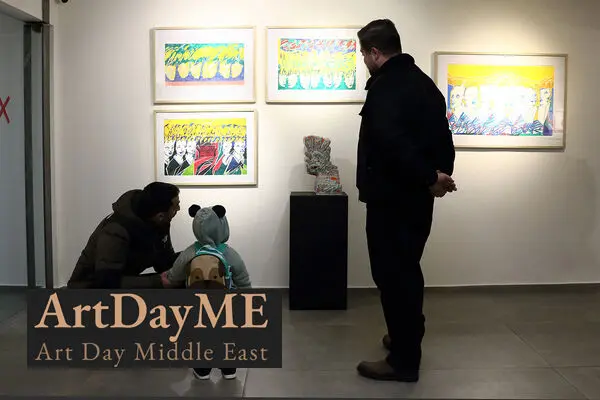
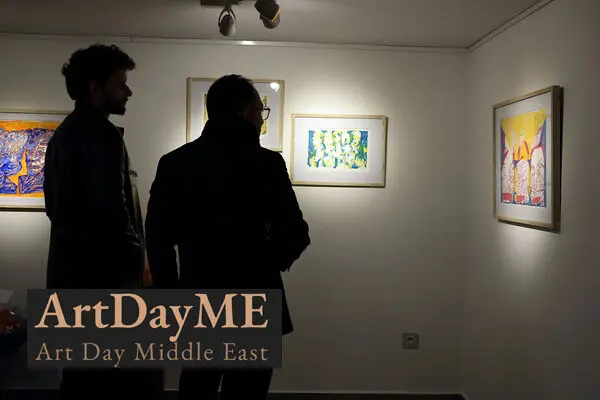
Mojdeh Gallery, Tehran, is presenting this exhibition both in its physical space—located at No. 27, 18th East Street, Allameh North Street, Saadat Abad, Tehran—and simultaneously online via mojdehart.gallery.
The physical exhibition will be on view until January 2, 2026, while the virtual exhibition will remain permanently accessible.
Photos: Siamak Zomorodi Motlagh
LEAVE A RELPY