
Hamidreza Shafiei and the Mythic Narrative of Behzad Shishegaran’s Portraits of Ahmad Shamlou
ArtDayMe — Hamidreza Shafiei (Director of VestaColor):
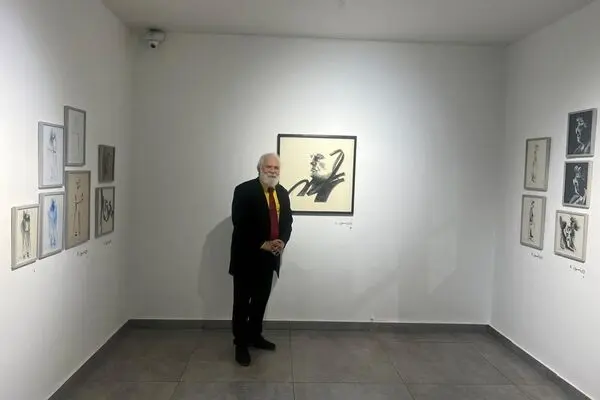
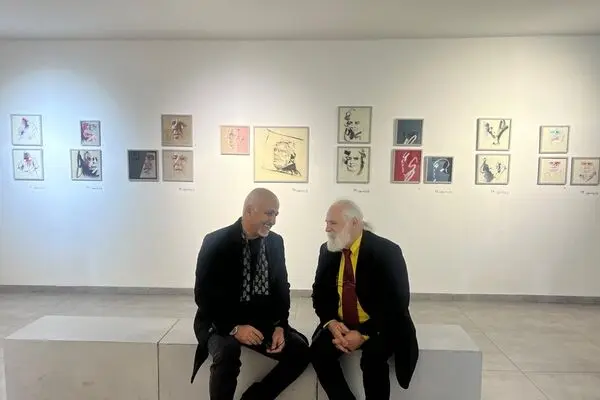
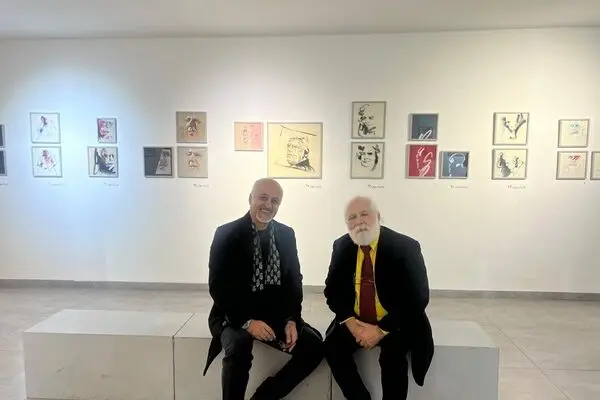
The exhibition Shamlou: One Hundred Portraits by Behzad Shishegaran—renowned Iranian graphic designer and painter—held at Dena Gallery, was compelling from multiple perspectives. Dedicated to Ahmad Shamlou (December 12, 1925 – July 23, 2000), one of Iran’s greatest poets, the exhibition gained special significance as the artist had devoted more than three decades to this visual project, and its final presentation coincided precisely with the centenary of Shamlou’s birth.
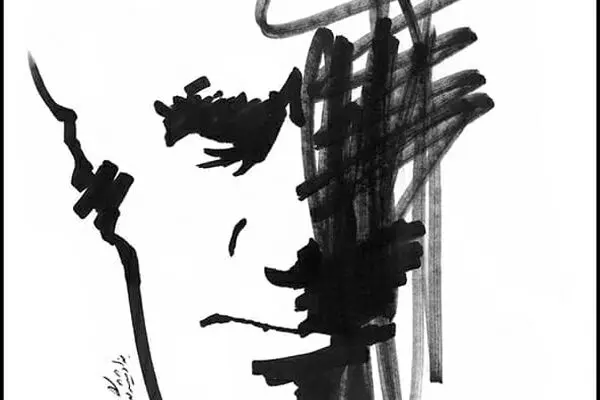
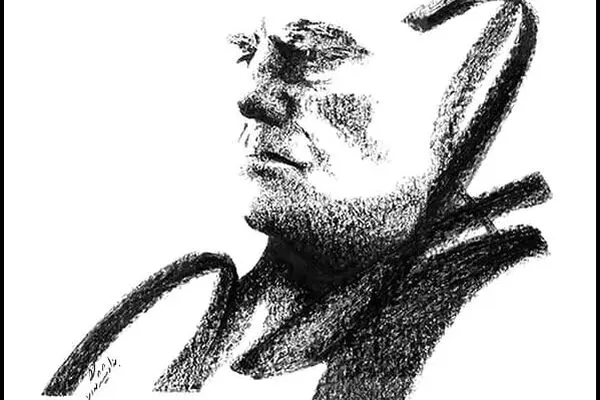
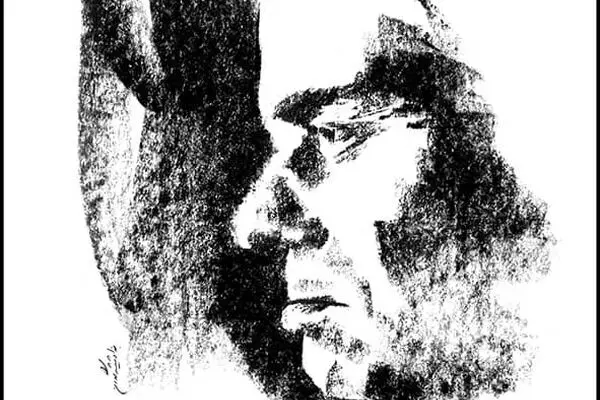
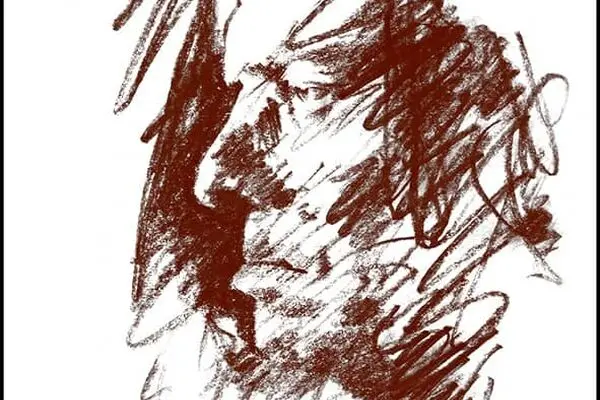
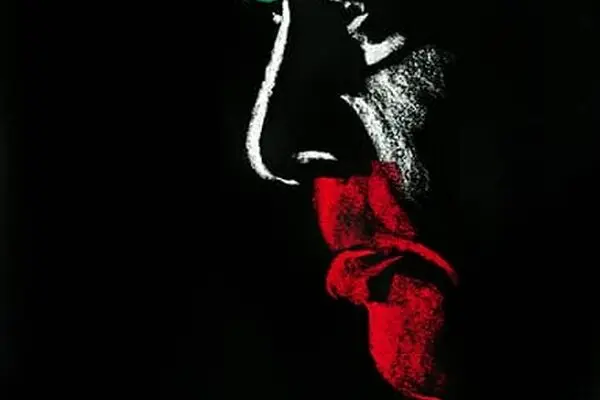
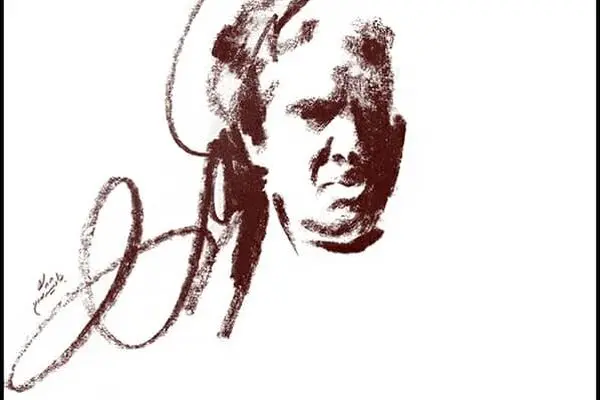
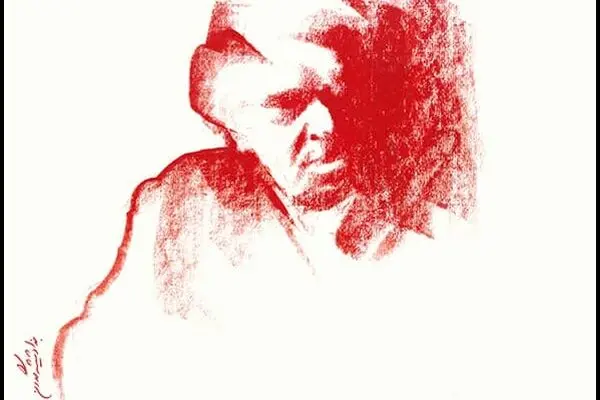
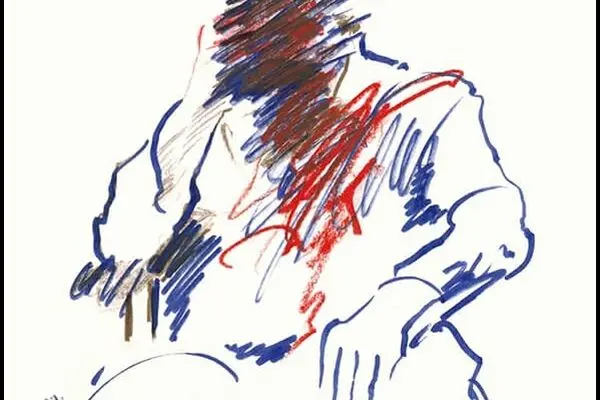
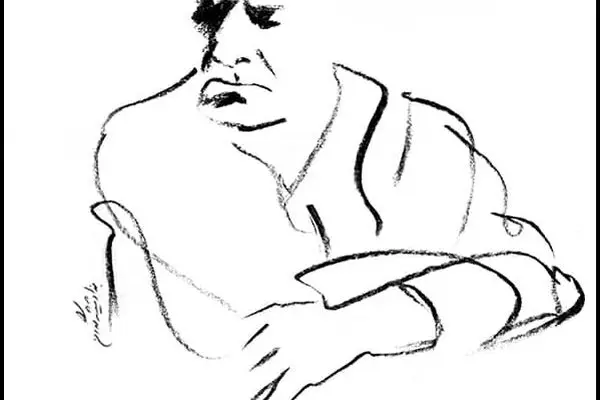
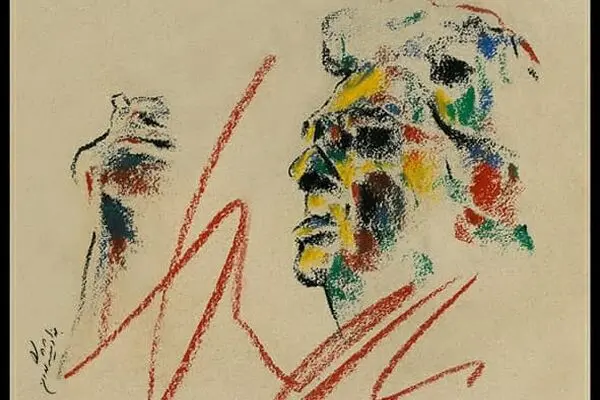
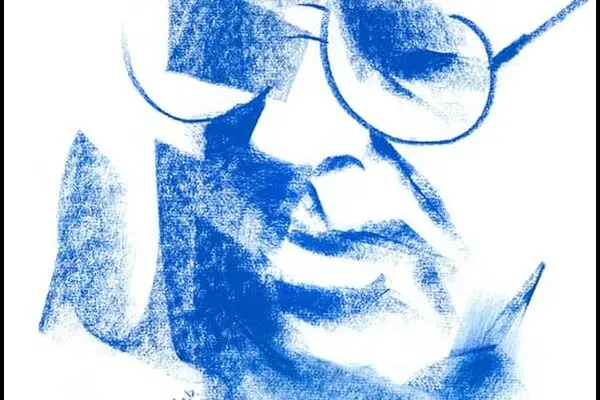
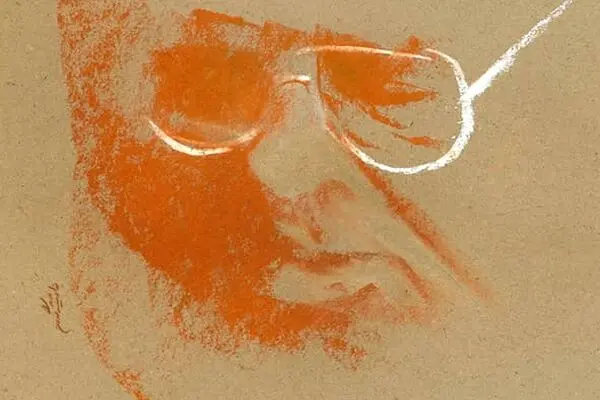
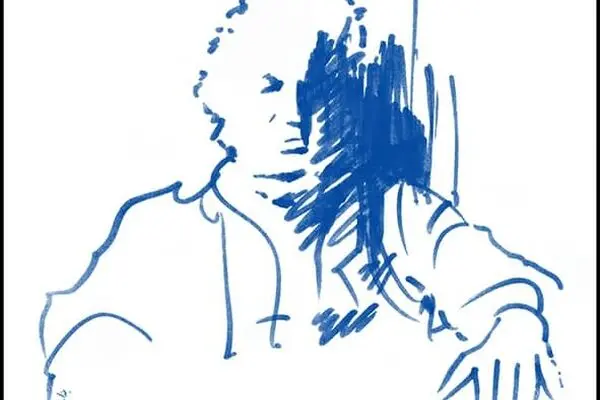
In these works, Shishegaran does not attempt a physical likeness of Shamlou; rather, he seeks to recreate the poet’s “presence”—a presence oscillating between poetry, protest, collective memory, and image. Shishegaran’s mastery lies in his ability to construct a multilayered mythic figure through shifts in line, color, and intensity of expression: a Shamlou who is simultaneously an individual, a historical force, an act of resistance, and a repository of memory.
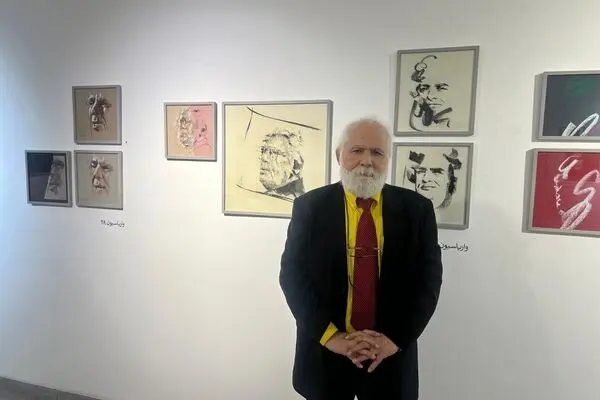
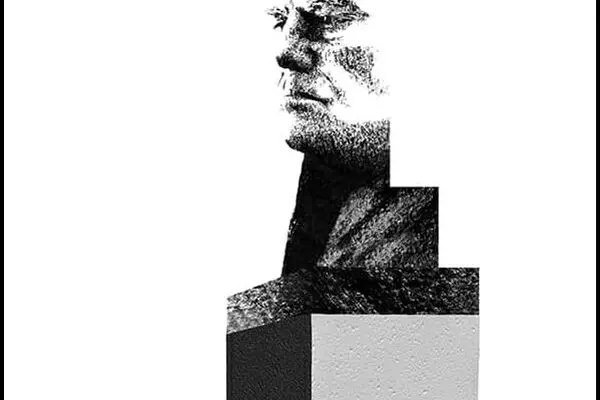
These works are less portraits in the conventional sense and more visual narratives of cultural identity—forms of “image-poetry,” where painting performs what Shamlou’s poetry achieved through the enduring power of condensed language. From a conceptual standpoint, the One Hundred Portraits project underscores the idea that a major cultural figure cannot be reduced to a single image. Each portrait therefore becomes a new interpretation of Shamlou.
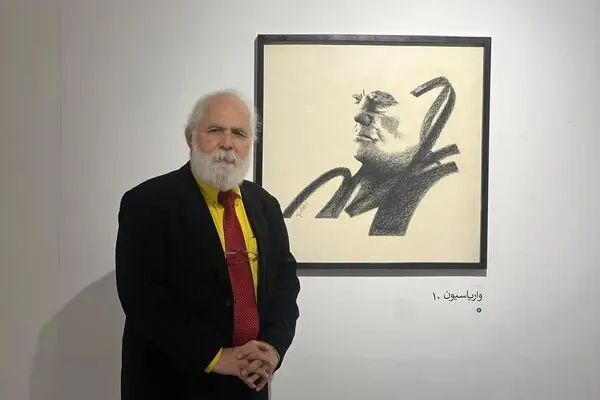
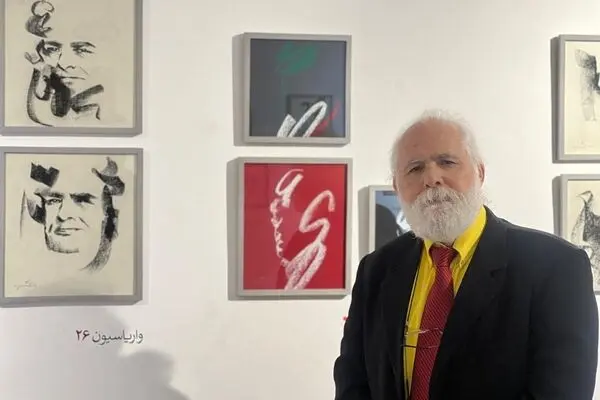
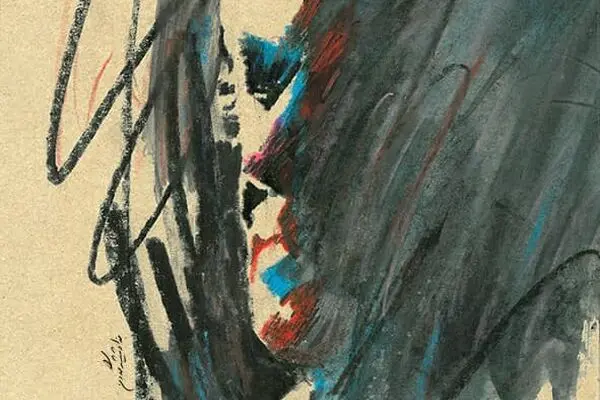
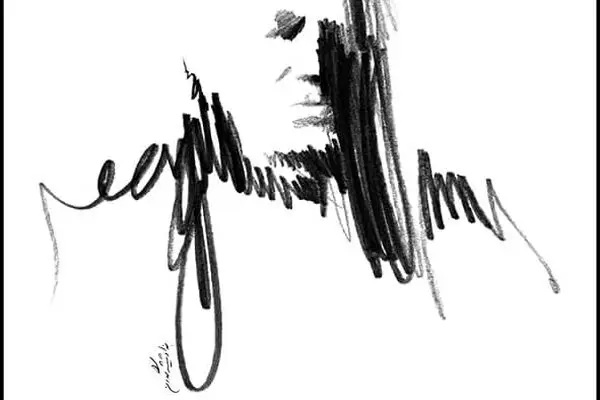
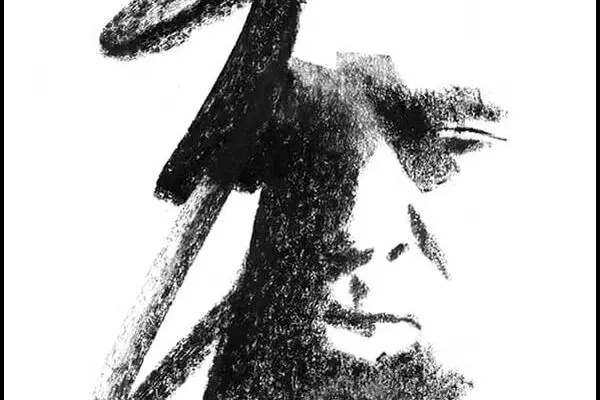
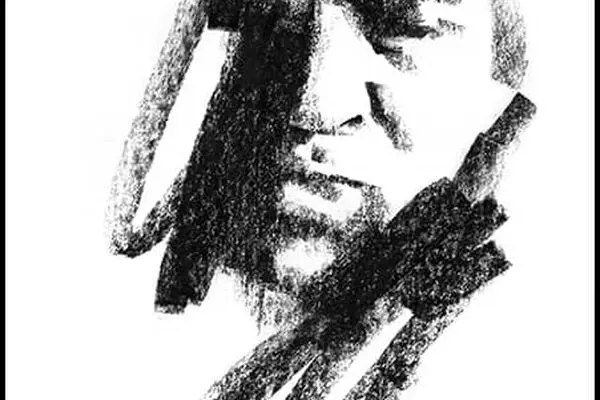
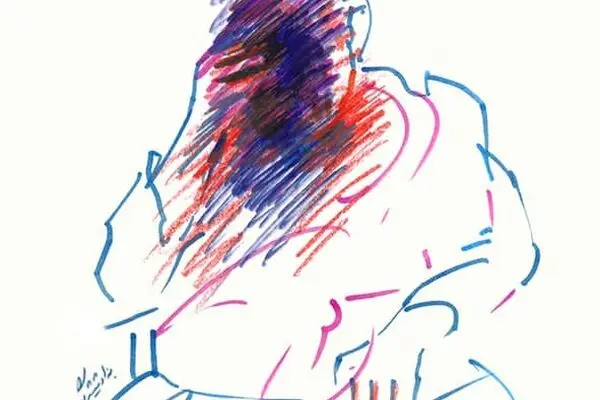
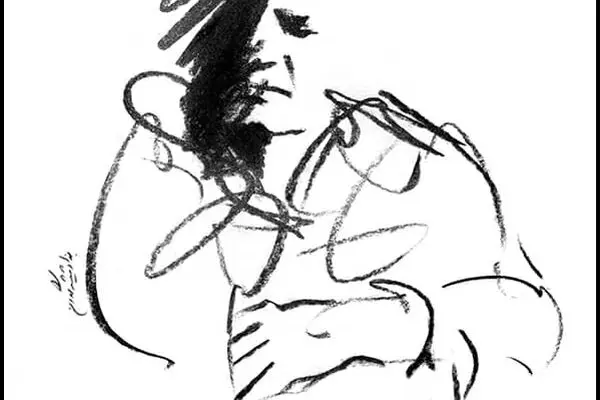
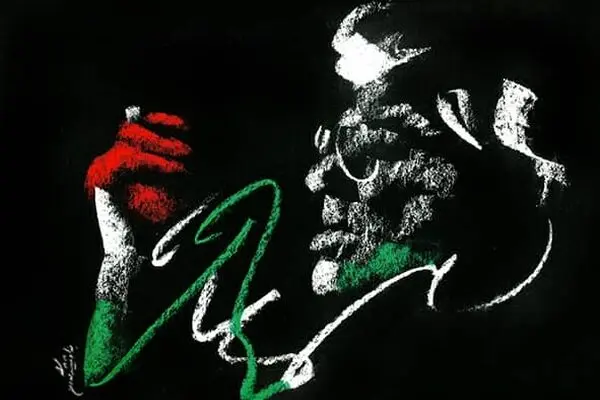
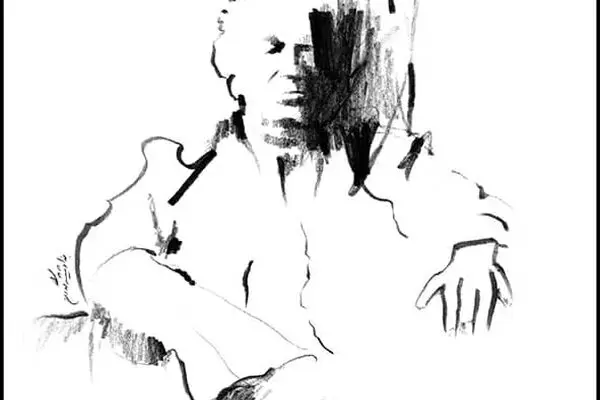
Formally, line is the dominant element across the series: a free line—at times calm, at times harsh and fractured—moving between drawing and writing. These lines do not merely delineate facial boundaries, nor do they remain faithful to them; instead, they resemble traces of sound or echoes of speech. In these works, Shamlou’s face is more often “written” than “drawn,” a quality that directly references his identity as a poet, as if the portrait itself emerges from language.
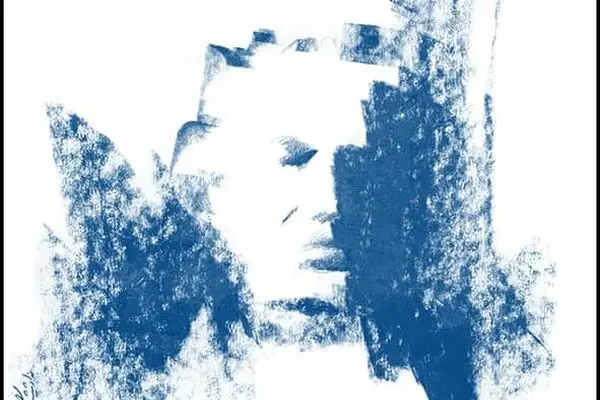
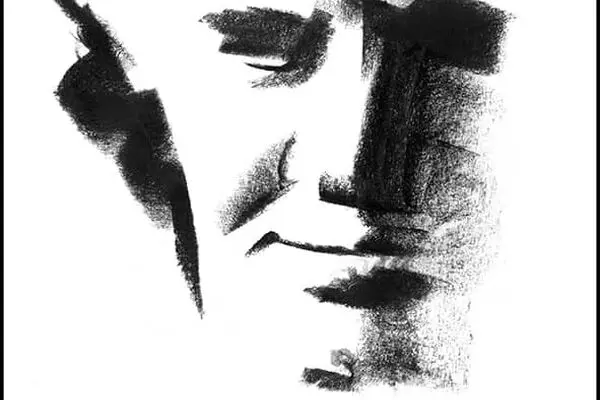
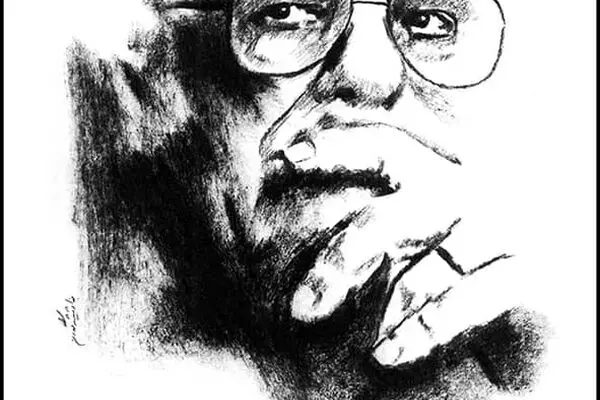
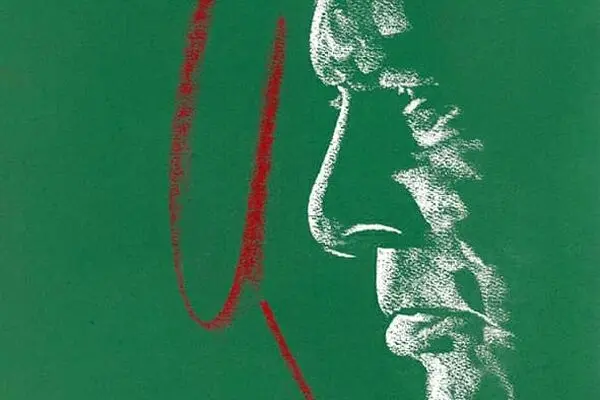
In terms of composition and spatial treatment, the deliberate elimination of details and the focus on profiles or incomplete faces create a sense of defamiliarization. The empty spaces surrounding the faces—especially in the black-and-white portraits—function like visual silences in which Shamlou’s words resonate. Through this conscious reduction, Shishegaran compels the viewer to complete the image mentally, much as poetry does not impose meaning but opens it up.
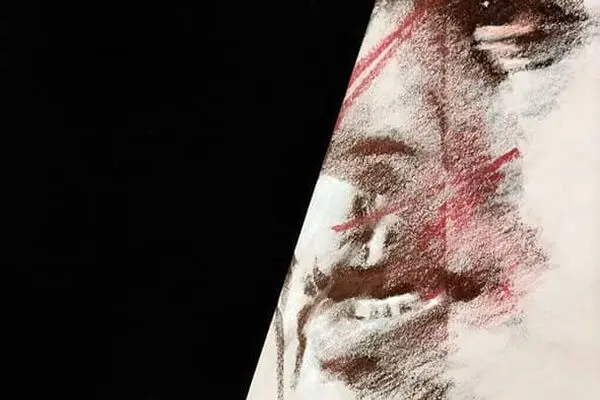
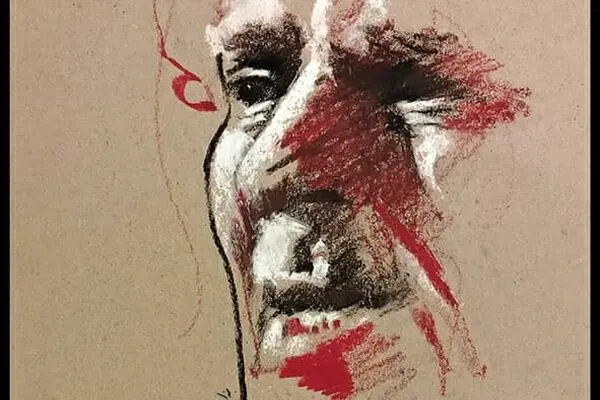
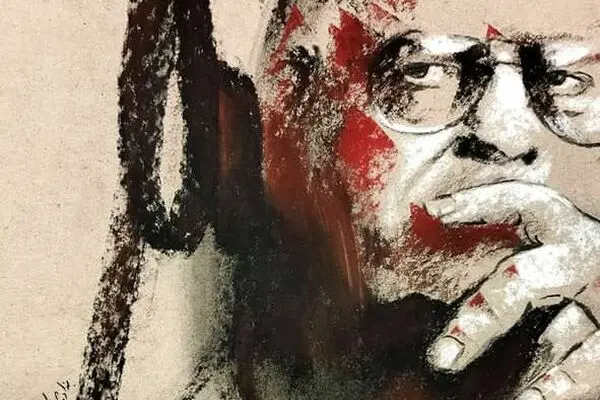
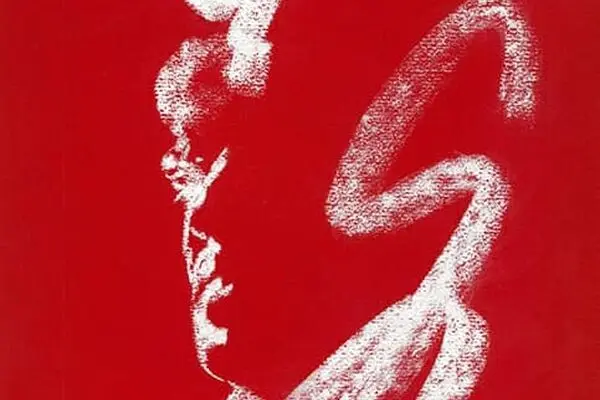
Color plays a symbolic and ideological role in the series. In some portraits, the three colors of the Iranian flag appear prominently, emphasizing Shamlou’s deep attachment to his homeland. In works with red backgrounds, color manifests as passion and resistance—red evoking both political protest and the emotional intensity of Shamlou’s poetry. These portraits clearly activate Iran’s contemporary collective memory, elevating Shamlou’s image from that of a literary figure to a historical and social signifier.
From the perspective of expression and image psychology, the faces are often intentionally ambiguous, shadow-like, and in a state of becoming. This visual strategy is deliberate: Shamlou is represented not as an individual defined by fixed facial features, but as a “voice,” a “stance,” and an “awakened conscience.” The gazes—particularly in the black-and-white works—are introspective, heavy, and contemplative, conveying a sense of silent resilience.
The works are primarily executed using pastel, charcoal, pencil, and mixed media on cardboard. This material combination reflects the emotional depth and rebellious spirit of Shamlou; broad surfaces and rapid touches suggest movement and firmness. Moving beyond superficial resemblance, this approach emphasizes the poet’s intellectual and spiritual dimensions through layers of matte and glossy textures, conveying his inner world with remarkable mastery. The multiple variations allow for an exploration of Shamlou’s emotional and social transformations from diverse angles.
The visual impact of repetition and variation across more than one hundred portraits creates an artistic dialogue with time and thought, transforming aesthetics—through contrasts of black-and-white and color—into a tribute to Shamlou’s enduring legacy.
Behzad Shishegaran (born 1952, Tehran) is an Iranian contemporary designer, painter, and graphic artist. Trained academically, he has pursued art professionally since the age of twenty. In addition to creating iconic posters, logos, and graphic identities, he has held successful exhibitions in France, the United Kingdom, Italy, China, Bangladesh, Malaysia, Switzerland, and beyond.
LEAVE A RELPY