
Mohamadali Vadood: A Beautiful Sculpture Lives in Every Dead Tree / “Forever a Tree,” the Signature of Mohamadali Vadood / 60 Photos
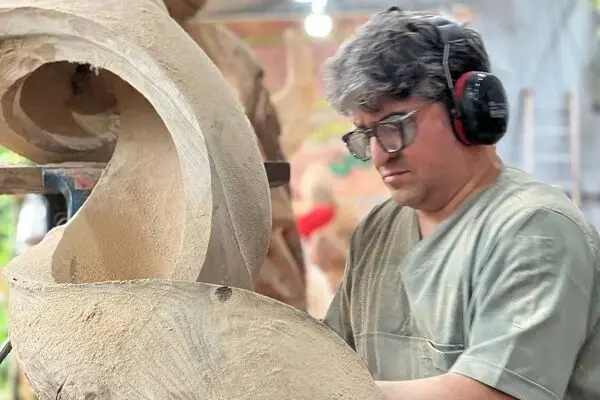
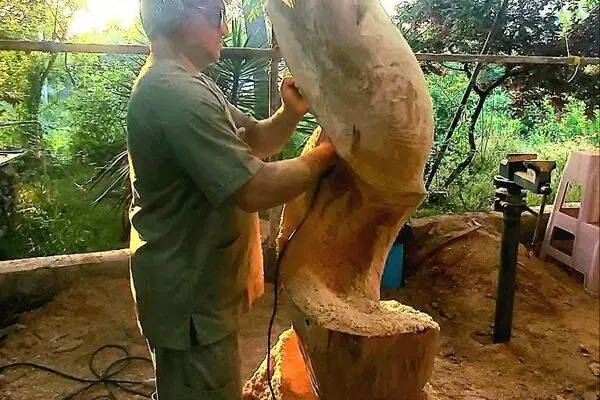
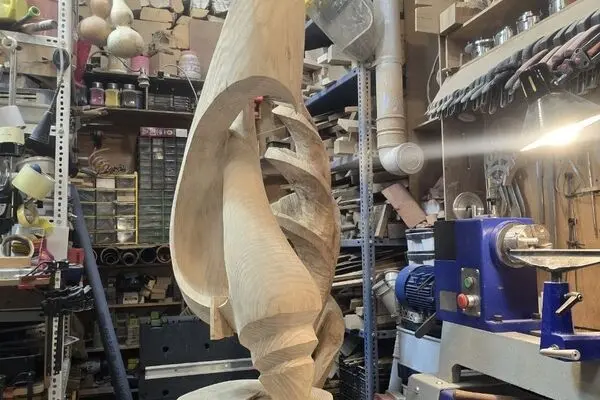
“Forever a Tree” is Mohamadali Vadood’s compelling project that gives a new life to dead or felled trees.
ArtDayMe:
Tracing the journey of an artist who transforms a dead tree trunk from “wood” into “memory,” and from death into renewed life
In the history of contemporary Iranian wood sculpture, the experience of Mohamadali Vadood can be viewed as part of a trajectory in which the tree is not merely a material for making sculpture, but the very subject of the artwork: a trunk that, before reaching the artist’s hands, has lived, grown, endured wounds, and carried within itself a natural and human memory.
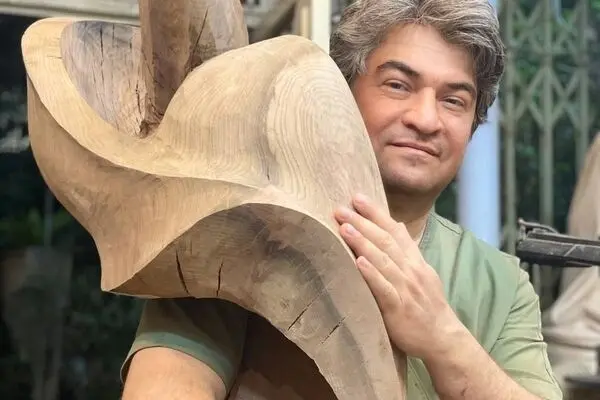
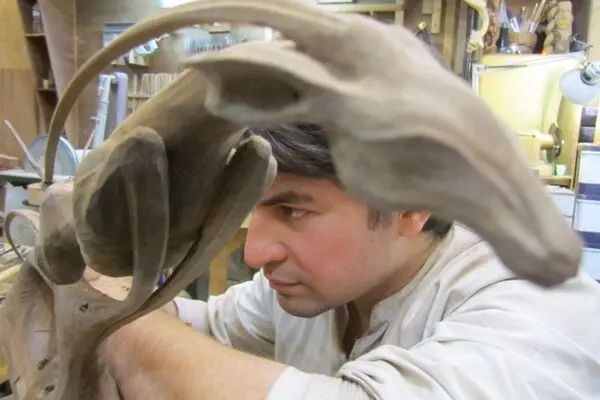
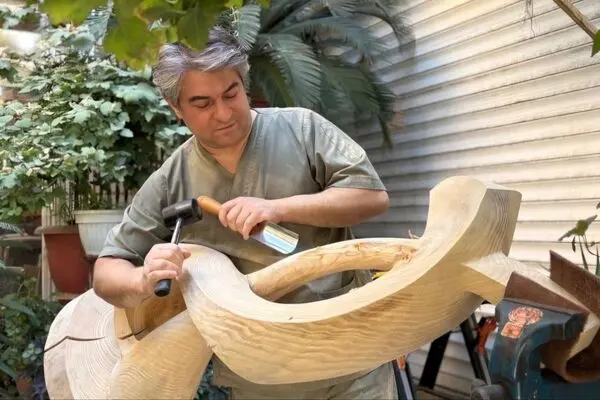
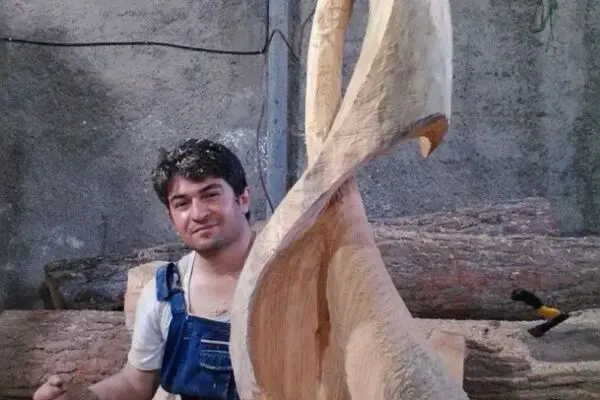
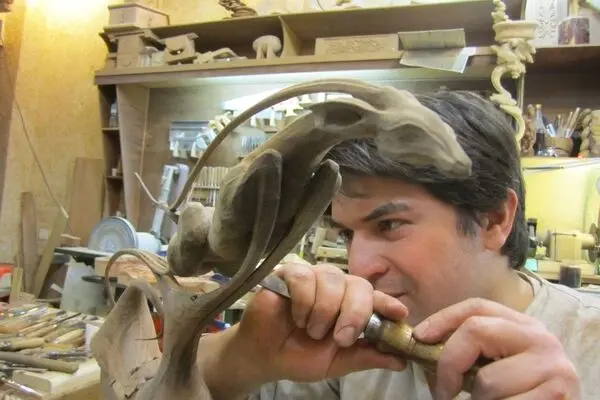
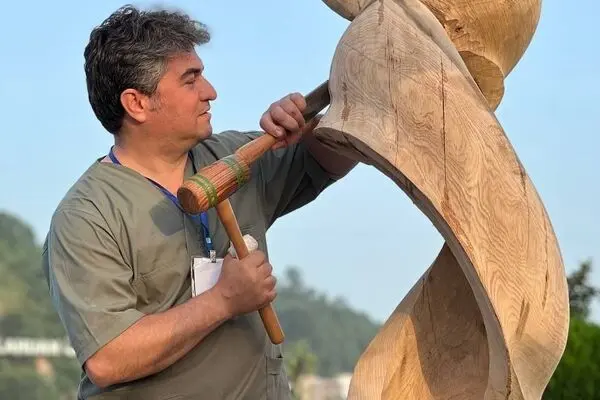
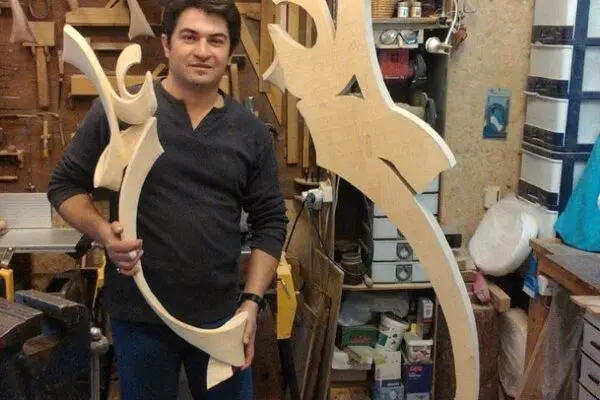
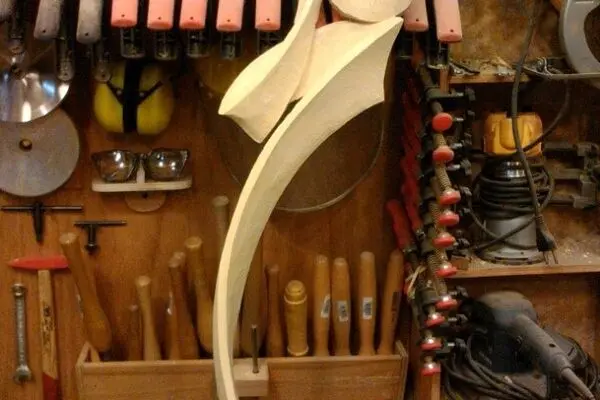
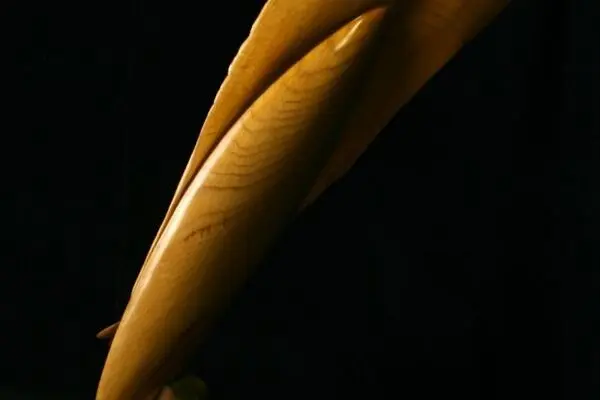
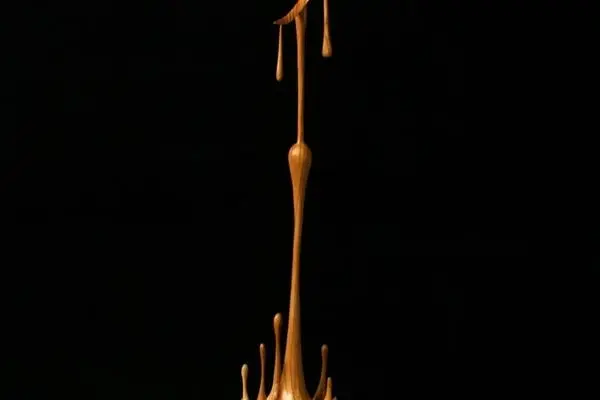
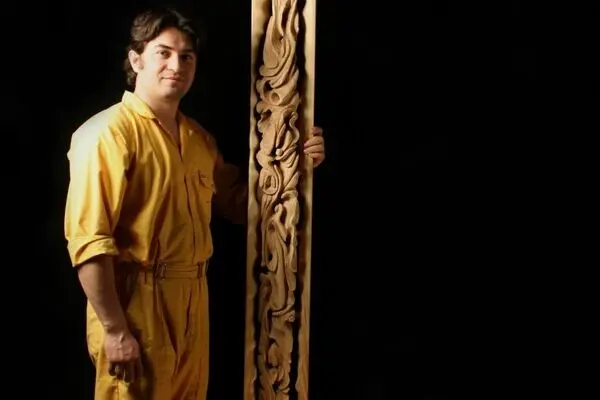
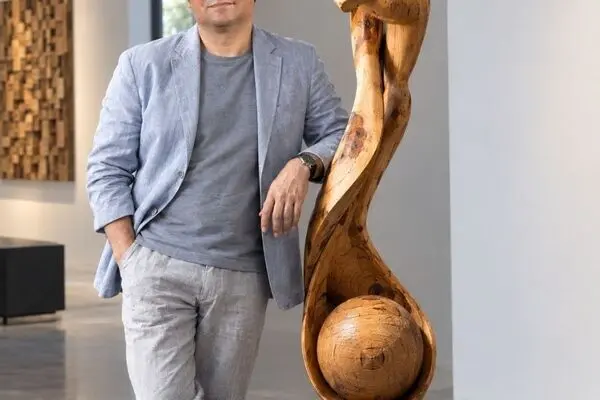
Mohamadali Vadood is among the artists who have devoted a significant part of their professional practice to creating monolithic sculptures from dead or felled tree trunks—an approach that for him is not merely a technical method, but a particular way of considering the relationship between human beings, nature, death, memory, and the possibility of living again.
This perspective emerged as a coherent artistic concept in the “Forever a Tree” project; a concept founded on the belief that the end of a tree’s natural life does not necessarily mean the end of its existence, and that art can give its fallen body another possibility of continuing to live.
A Defining Encounter; 1998
Mohamadali Vadood’s first experiences creating monolithic sculptures from tree trunks date back to 1998, when he was around twenty years old and had returned home after completing his military service.
Trees had been cut down in his father’s garden—trees that, as he recalls, had grown alongside him because they had been planted at the same time as his birth.
He remembers the scene vividly: pine trees had fallen, yet their colorful cones and fresh green needles still retained their vitality, while the scent of pinewood filled the air. Amid this melancholic scene, a timber dealer arrived to buy the trees and offered a negligible sum.
Mohamadali Vadood recalls:
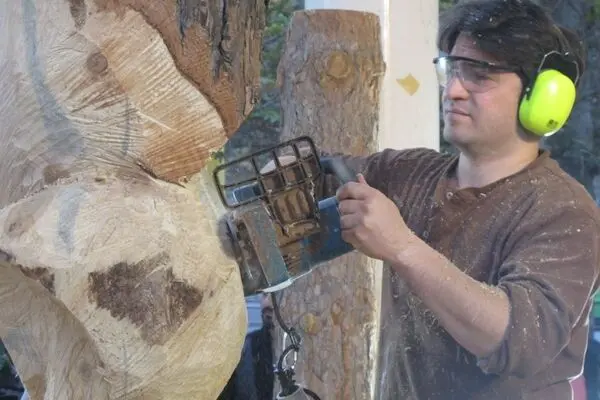
“Something boiled inside me, and a passion surged through my hands. I reached for the chainsaw…”
But this time, the saw and axe were not being used to bring the tree’s life to an end; they were to become tools for defining a new kind of life for the fallen body of the tree.
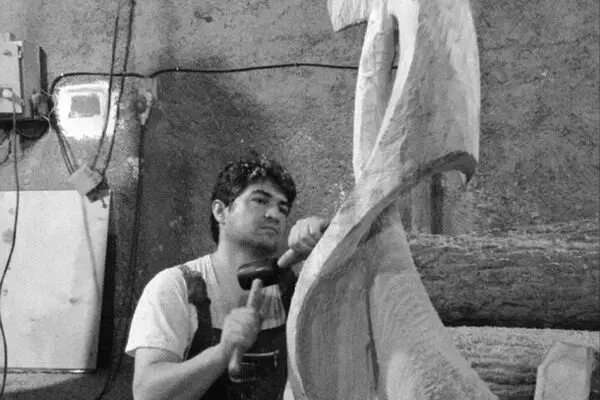
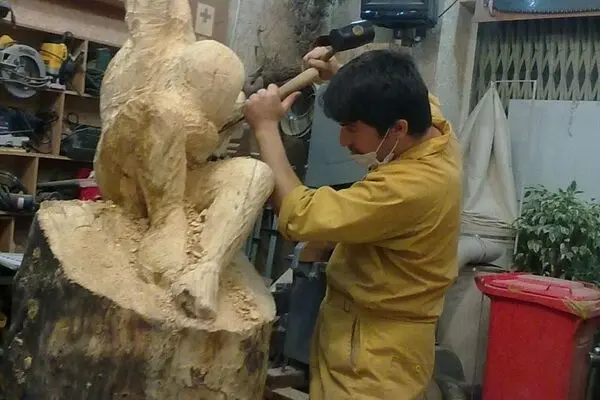
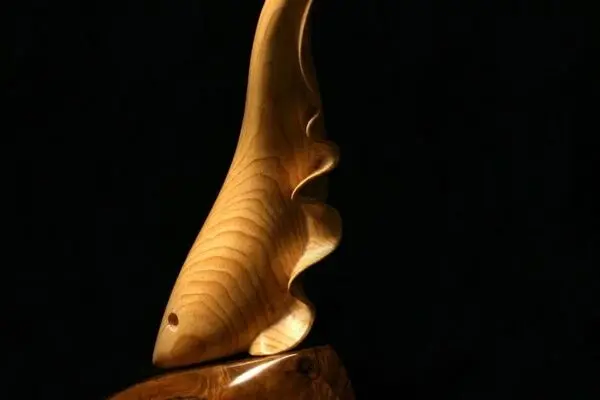
The first result of this experience was a woodpecker sculpture, carved from the trunk of that same tree. Vadood subsequently continued creating monolithic sculptures, and in 1999, he carved the approximately two-meter-tall abstract work “Effect” from a single piece of wood—a work concerned with birth, life, and what comes after.
“When the City Lost Its Trees”
The second major turning point in this journey took place in Tehran.
During the years when Mohamadali Vadood was working at the Research Institute of Traditional Arts, he would usually walk from Azadi Square to his workplace—a route whose memory was intertwined with the shade of plane trees and evergreen pines.
One day, the trees along this route had suddenly disappeared.
Vadood recalls:
“That day, I was stunned… Of all those massive, mature trees, nothing remained but wounded stumps and wood shavings.”
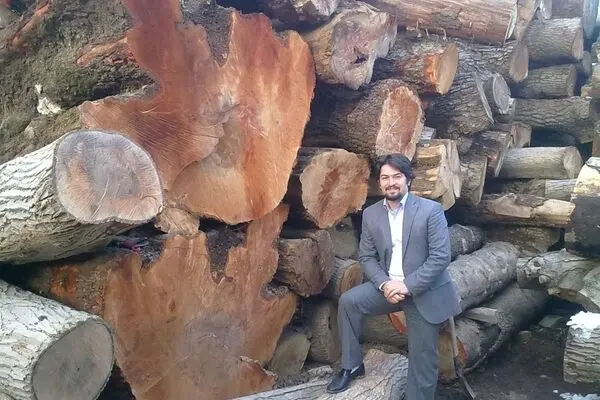
His inquiries revealed that the trees had been cut down to create a Bus Rapid Transit (BRT) route. His search to discover what had happened to the wood eventually led him to Davoud Chenari, a longtime Tehran timber merchant.
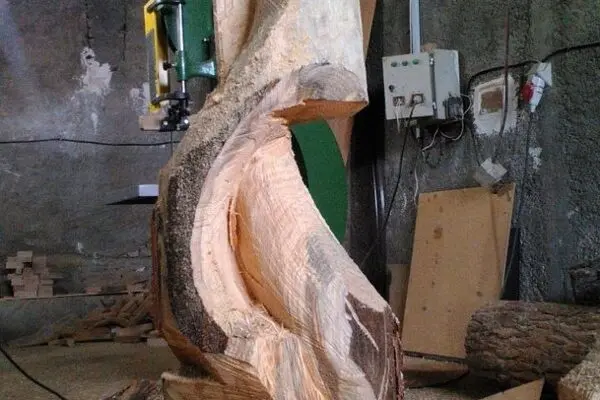
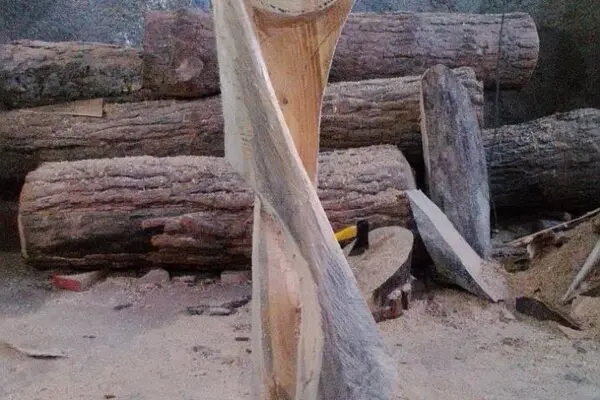
Vadood purchased some of the remaining wood and decided to make the trees “trees” once again.
It was from this decision that the “Forever a Tree” project emerged: an attempt to allow a tree lost to the city to be reborn through art.
Twenty Days; Ten New Trees
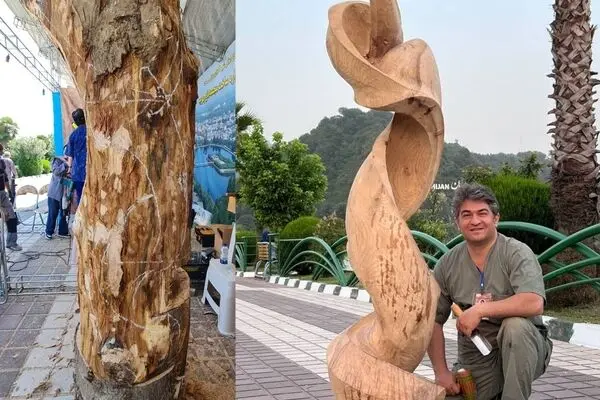
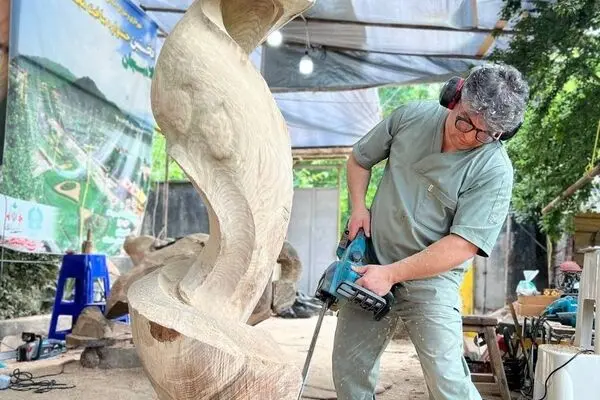
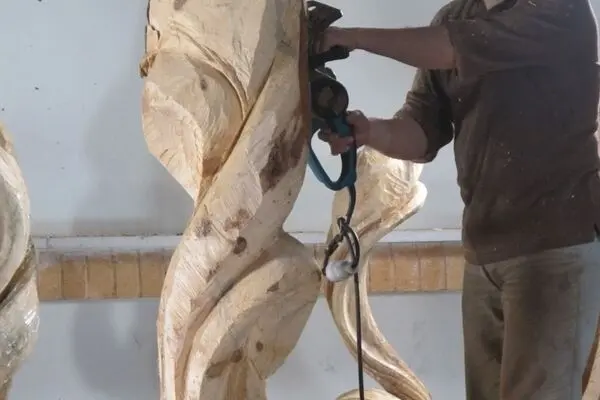
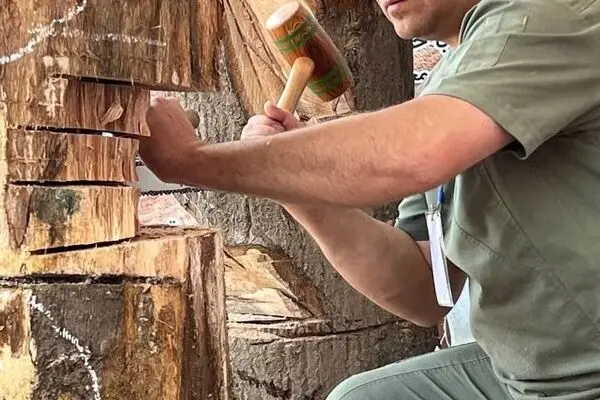
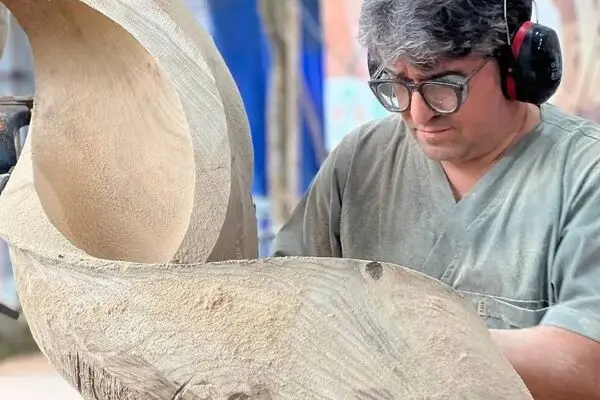
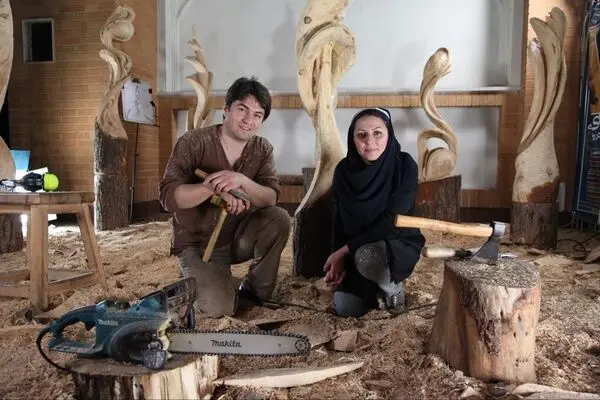
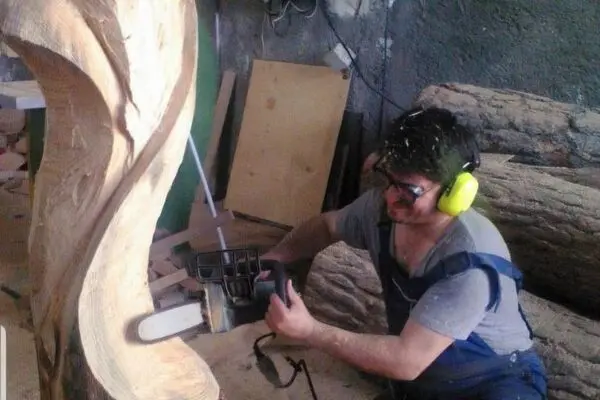
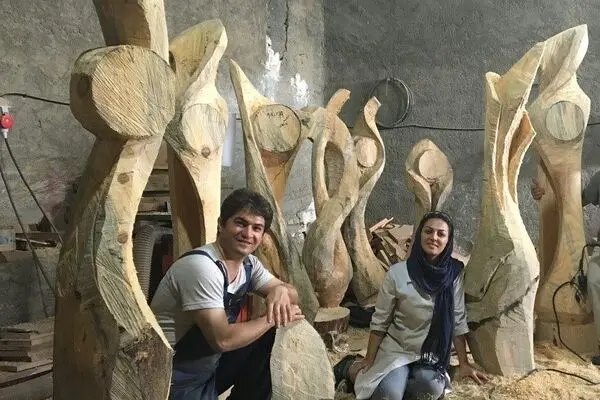
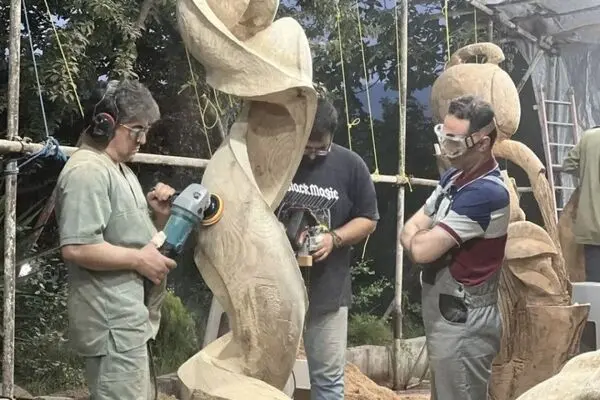
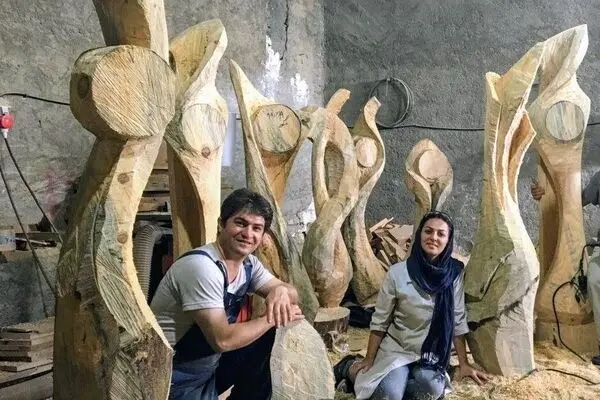
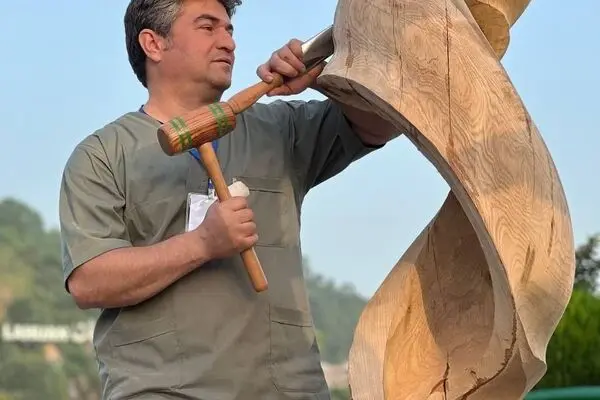
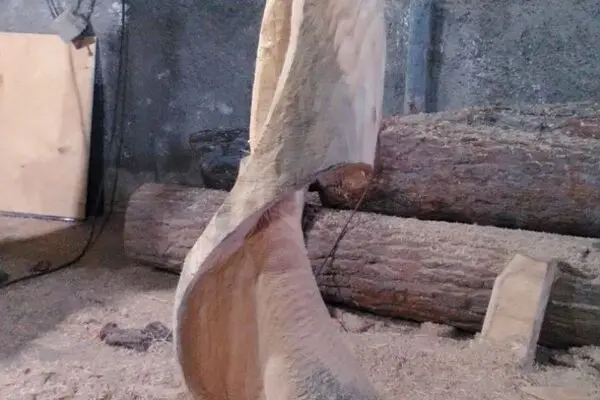
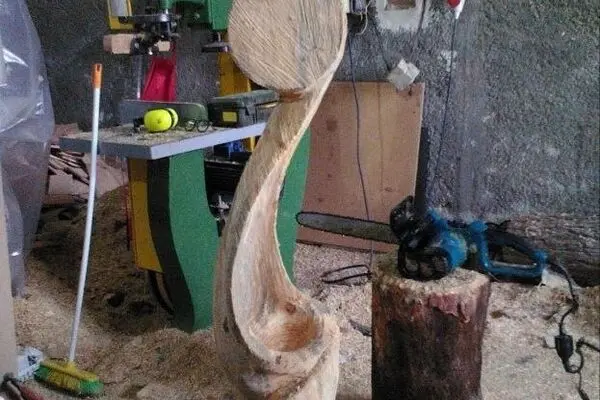
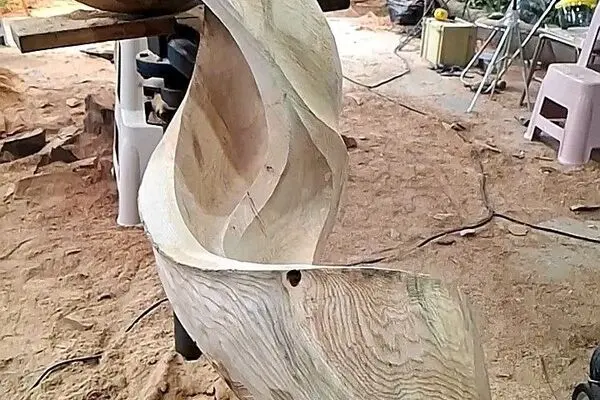
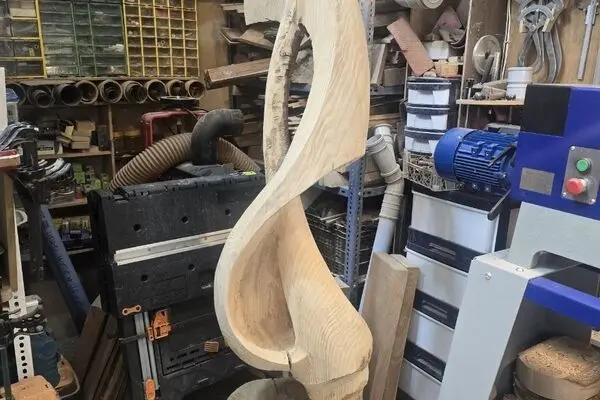
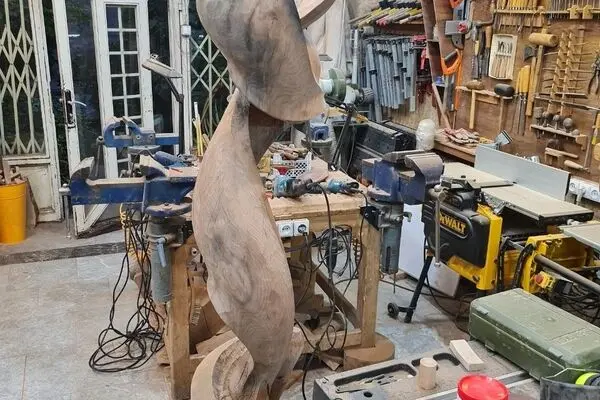
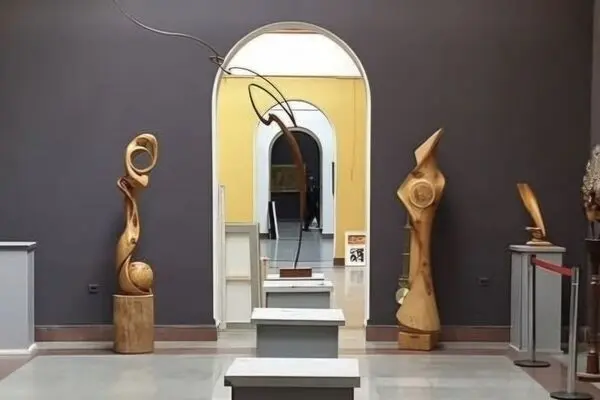
In 2012, this idea developed into an extensive live art experience at the Ravaq of the Academy of Arts. Over approximately 20 days of live artistic execution, Mohamadali Vadood created a series of 10 abstract works, allowing both the process of carving and the process of reviving the fallen trunks to become visible to the audience.
Here, the sculpture was not merely the final product; the transformation of a fallen trunk into an artistic entity was itself part of the artwork.
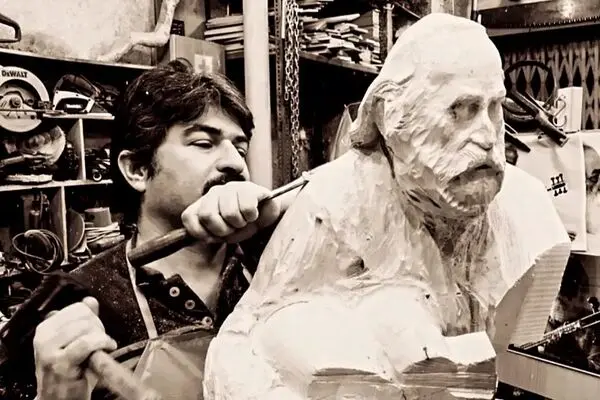
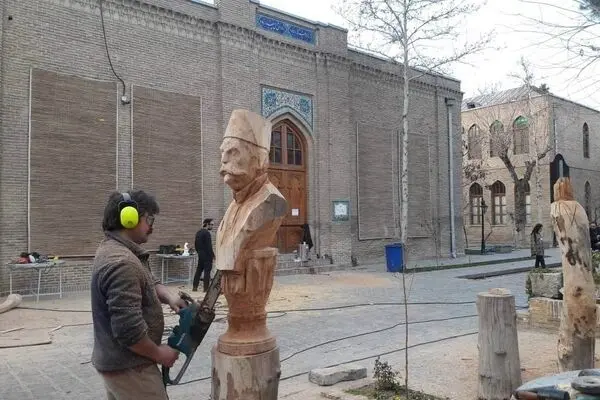
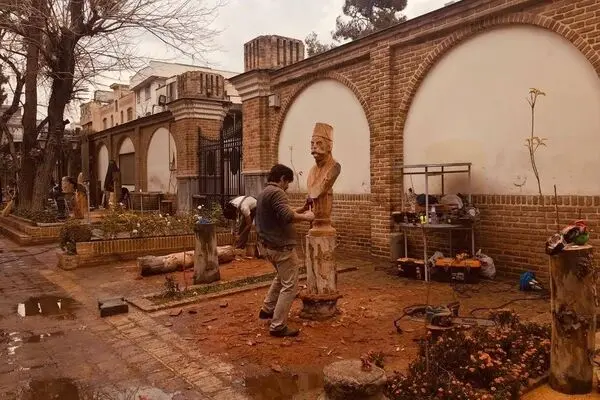
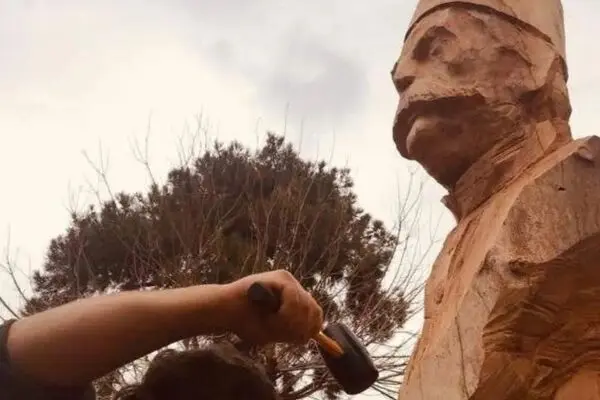
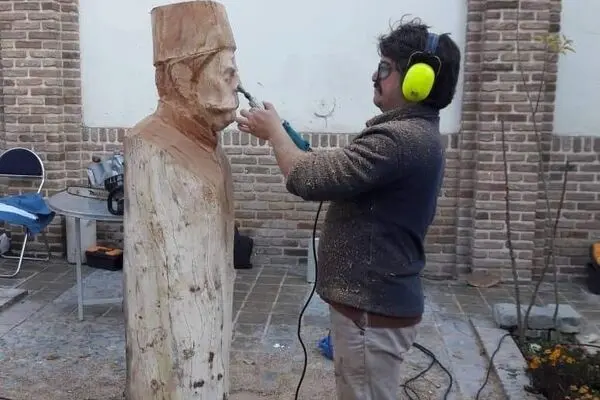
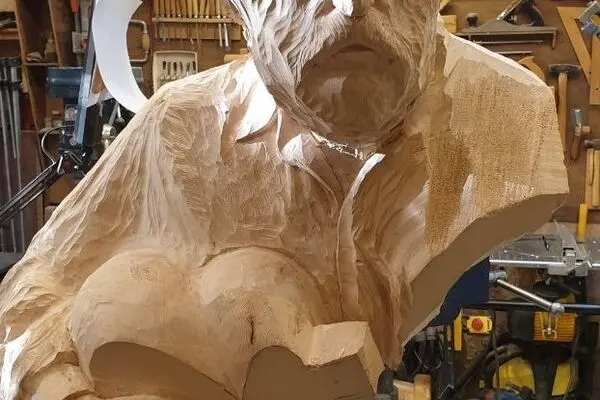
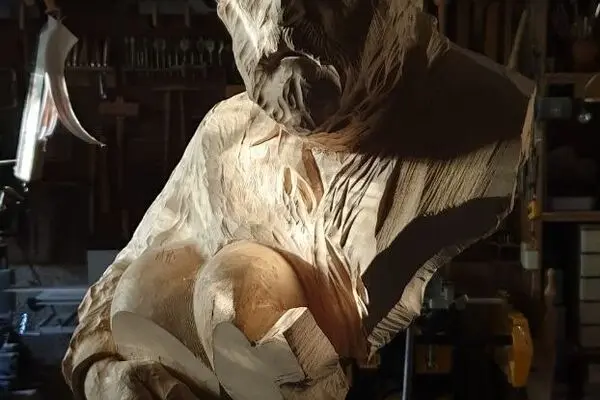
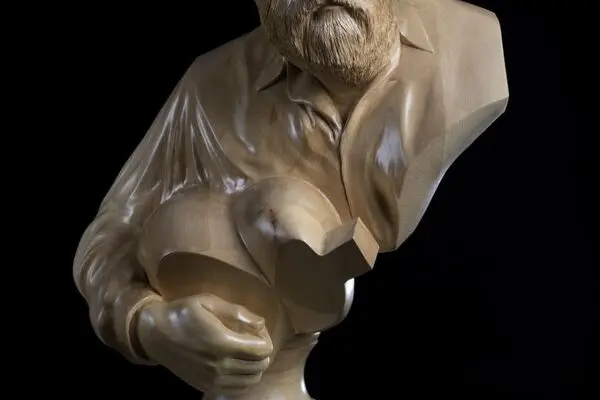
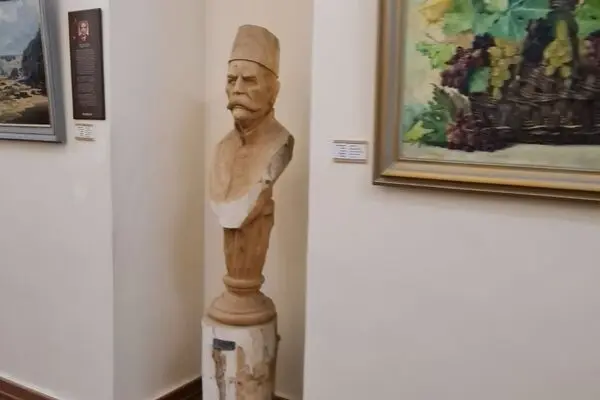
Later, during the Second Wood Sculpture Symposium at Negarestan Garden, Mohamadali Vadood also used the trunk of a dead plane tree from this historic complex to begin creating a symbolic bust of Kamal al-Molk. The work remained unfinished for reasons unrelated to its artistic process, but it was not lost and is now preserved at the Kamal al-Molk School Museum.
Reviving Trees in Private Collections
Mohamadali Vadood’s artistic journey in creating monolithic works from tree trunks has not been limited to the “Forever a Tree” project. Some of his works are now held in private collections and public spaces, each representing a continuation of his dialogue with wood, form, humanity, and nature.
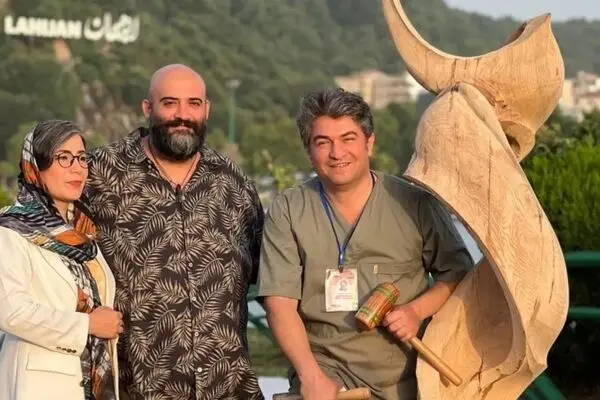
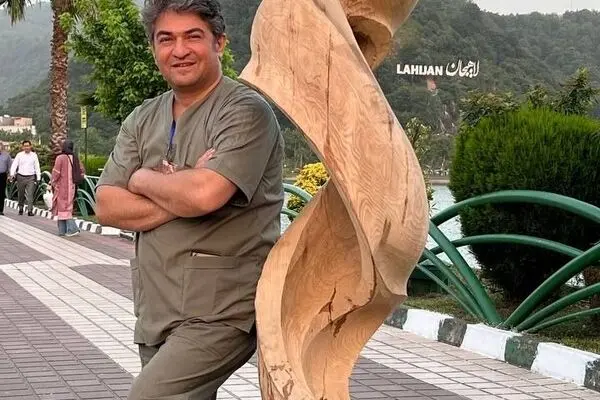
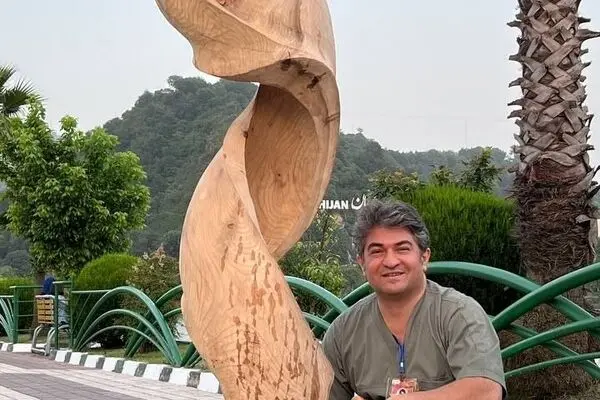
Among these works are the unfinished bust of Kamal al-Molk at Negarestan Garden and the Kamal al-Molk School Museum; the tree sculpture “Embrace” at Arasbaran Cultural Center in Tehran; “Figure,” held in the private collection of Dr. Farrokh Mohajerin; the sculptural work “The Third Line,” commissioned by the Municipality of Lahijan; and the abstract sculpture “The Joy of Growth,” held in the private collection of Professor Giv Sharifi.
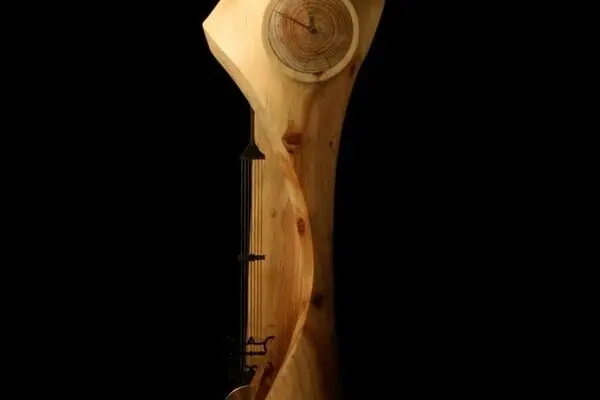
Alongside these works, experiences such as “The Last String,” a sculpture of a kamancheh player, demonstrate how Vadood transforms the natural trunk of a tree into a platform for human narratives and, at times, surreal interpretations.
The Death of a Tree Is Not the End of the Tree
What makes Mohamadali Vadood’s trajectory compelling is not simply his use of whole or dead tree trunks, but the definition he offers of art’s role in confronting nature.
For him, every tree trunk is, before becoming the raw material for a sculpture, part of a life. The knots, cracks, twists, and variations in the color of the wood are traces of time that cannot be separated from the artwork.
From this perspective, the artist does not necessarily create something from zero; rather, he continues a journey that nature itself has begun.
Vadood regards art as a kind of elixir—an elixir capable of taking a dead or felled tree out of the cycle of consumption and bringing it into the cycle of culture and memory.
A tree may fall in nature, but through art, it can rise again.
Perhaps the philosophy of “Forever a Tree” can be summed up in this sentence:
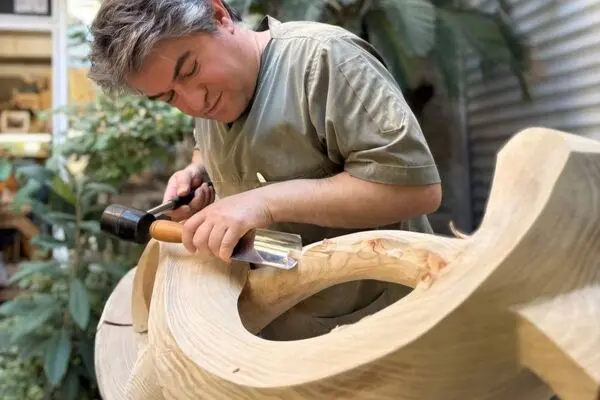
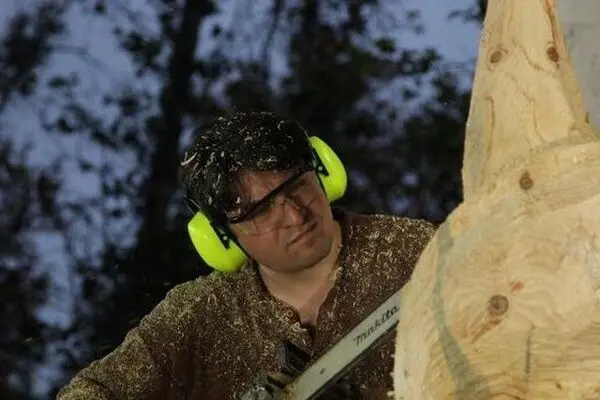
For more than two decades, Mohamadali Vadood has traveled part of this path with saws, axes, and his own hands—a path in which the dead trunk moves beyond “wood,” becomes “sculpture,” and ultimately transforms into a cultural memory of the tree.
Trees that may no longer have roots in the ground can nevertheless remain alive forever in culture, art, and human memory.
The Market Value of Mohamadali Vadood’s Works
Over the years, Mohamadali Vadood has developed a growing audience and market for wood art through a distinctive and recognizable artistic language—a trajectory whose traces can now be seen both in private collections and in auction records.
At Kavian Auction 2026, a 30 × 60 cm work created using his Naqshbandi technique, and selected in the Fine Arts category of the A’ Design Award in Italy, achieved a hammer price of $8,800.
The wooden sculpture “The Bird of Heaven,” from the “The Thirty and That One Bird” series, created collaboratively by Vadood and Shadi Habib and awarded the Bronze Medal for the Best Selected Designs of 2019 in Italy, sold at the 25th Tehran Auction in 2026 for IRR 1.65 billion, equivalent to approximately $9,700.
These figures, together with his International Creative Hand Award, the title of Man of the Year 2022 at the International Crafts Award in India, the title of Top Wood Art Master of Asia and the Pacific in 2026, several titles and selections at the A’ Design Award in Italy and Kioskedia Awards, lifetime membership in the Global Designers Consortium, membership in the Arts Council of the National Elites Foundation and the Specialized Traditional Arts Group of the Academy of Arts, as well as the First-Degree Artistic Medal, form part of the symbolic capital of the artistic brand Vadood has built over the years.
Another important dimension of this artistic brand can be seen in the journey of his works after their creation. Works by Vadood are held in the Digital Collection of the MOOD Museum in Italy, the Museum of the Research Institute of National Arts, Ministry of Cultural Heritage, and the University of Art of Tabriz, as well as in private collections belonging to Giv Sharifi, Abbasi Gallery, Hassan Golchinpour and Masnegar Gallery, Esmail Ghods, Farshid Bozorgi, and Meysam Moradimanesh, among others.
LEAVE A RELPY