
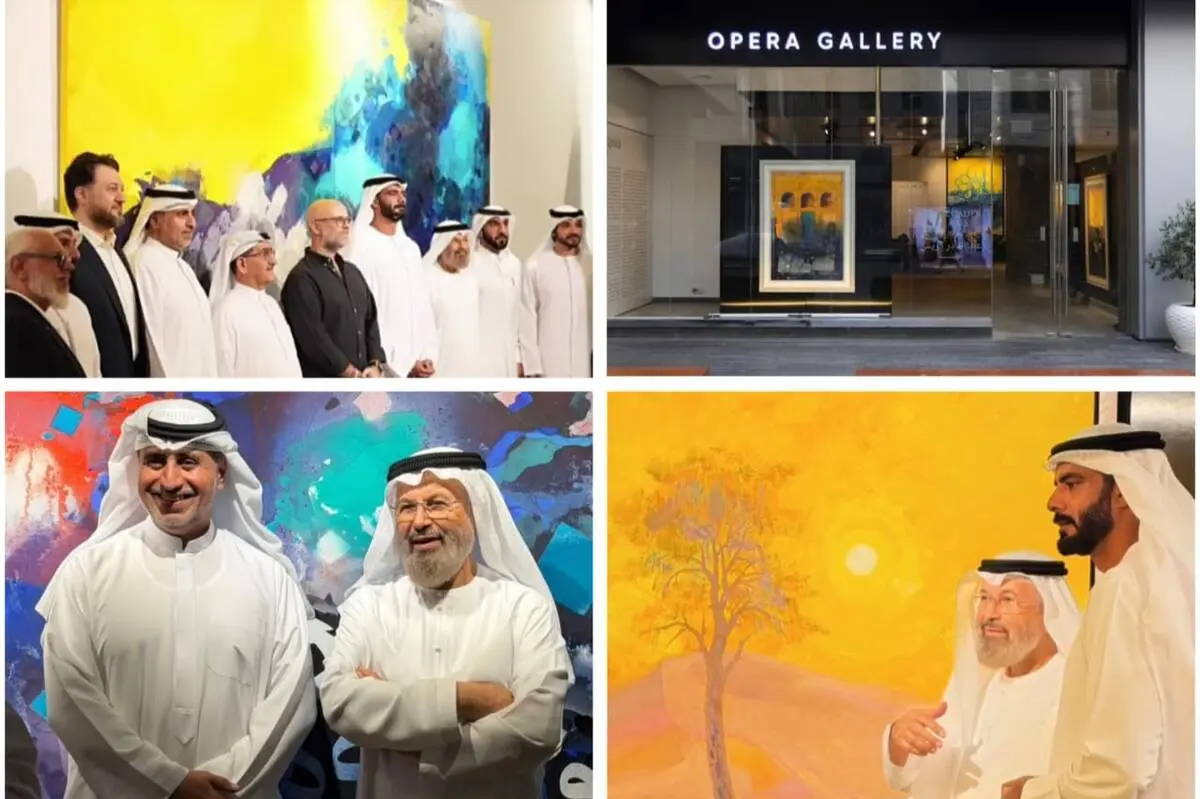
Abdulqader Al Rais: Five Decades of Painting at Opera Gallery Dubai
Opera Gallery Dubai presents Al Nayed, an exhibition exploring the artistic journey of a painter who has spent more than five decades interpreting the UAE’s changing landscape, cultural memory and spiritual identity.
ArtDayMe : A door can be more than an entrance. An old wall can hold more than the marks of time. And a collection of floating squares can suggest something that cannot be seen, yet somehow remains present.
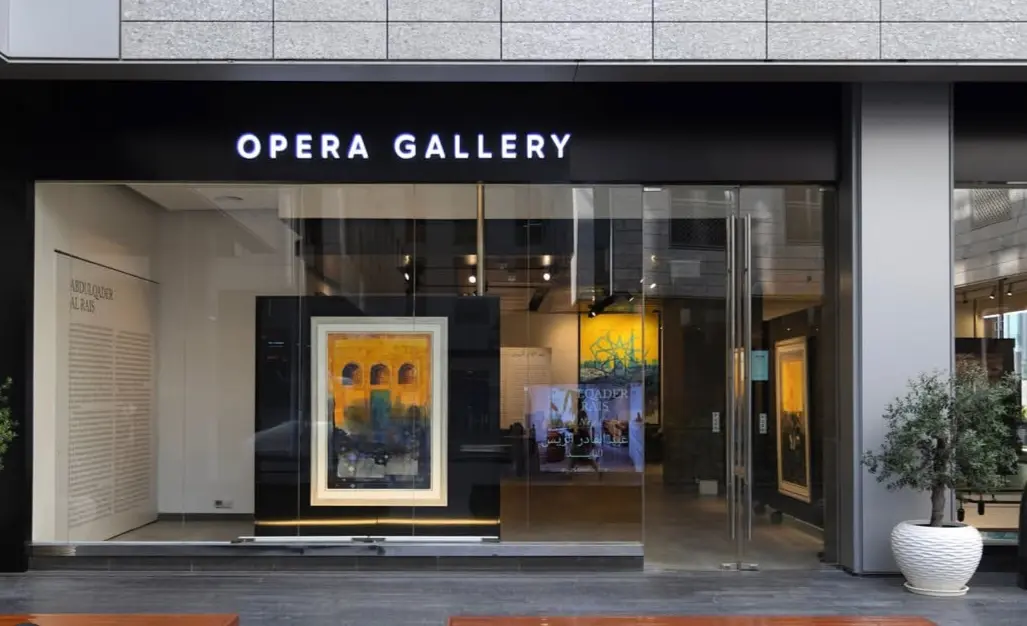
These are some of the quiet mysteries that make Abdulqader Al Rais’s paintings distinctive. Throughout a career spanning more than five decades, the Emirati artist has returned to the architecture, landscapes and cultural traditions of his homeland, gradually transforming familiar subjects into a personal visual language that moves between realism, abstraction and spirituality.
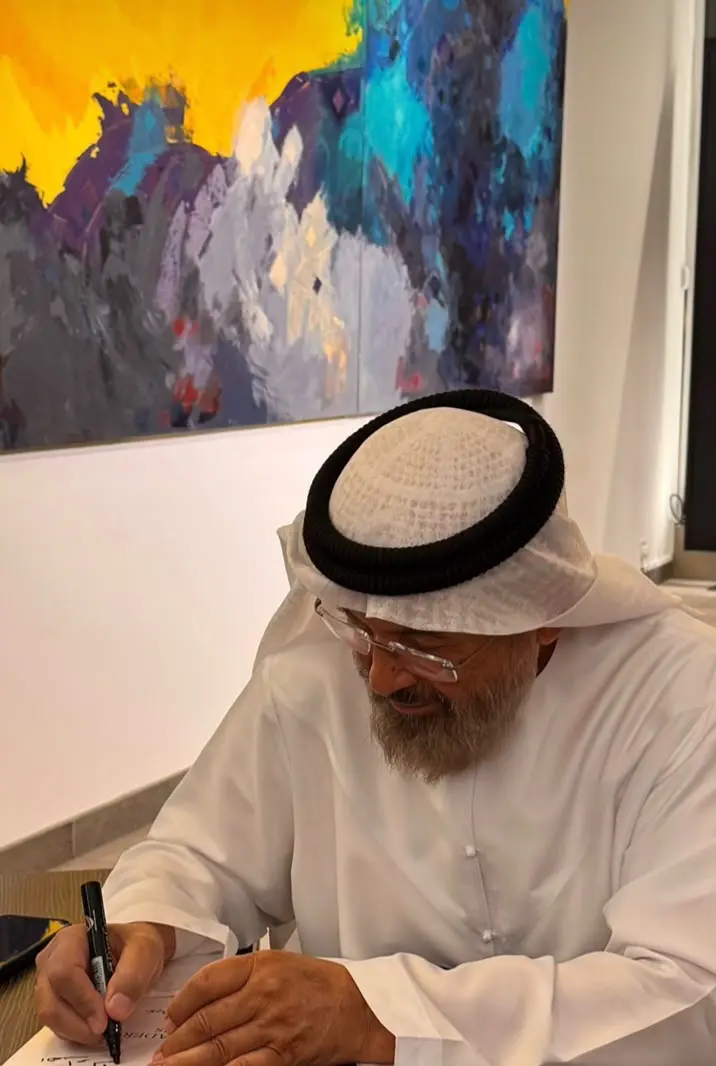
His work is rooted in the United Arab Emirates, but its concerns reach beyond geography. Memory, change, belonging and the relationship between the visible world and its deeper meanings run through his paintings, connecting the physical character of a place with the experiences and emotions attached to it.
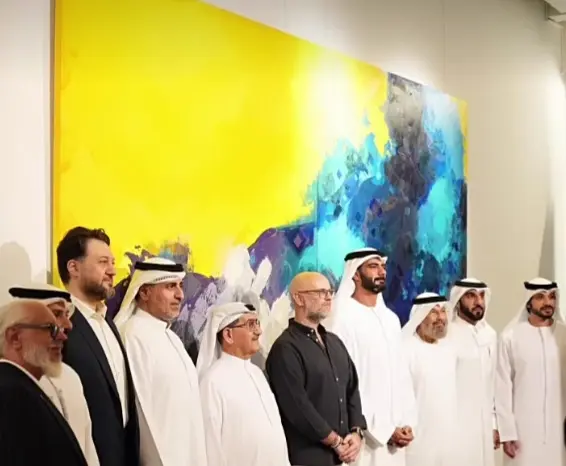
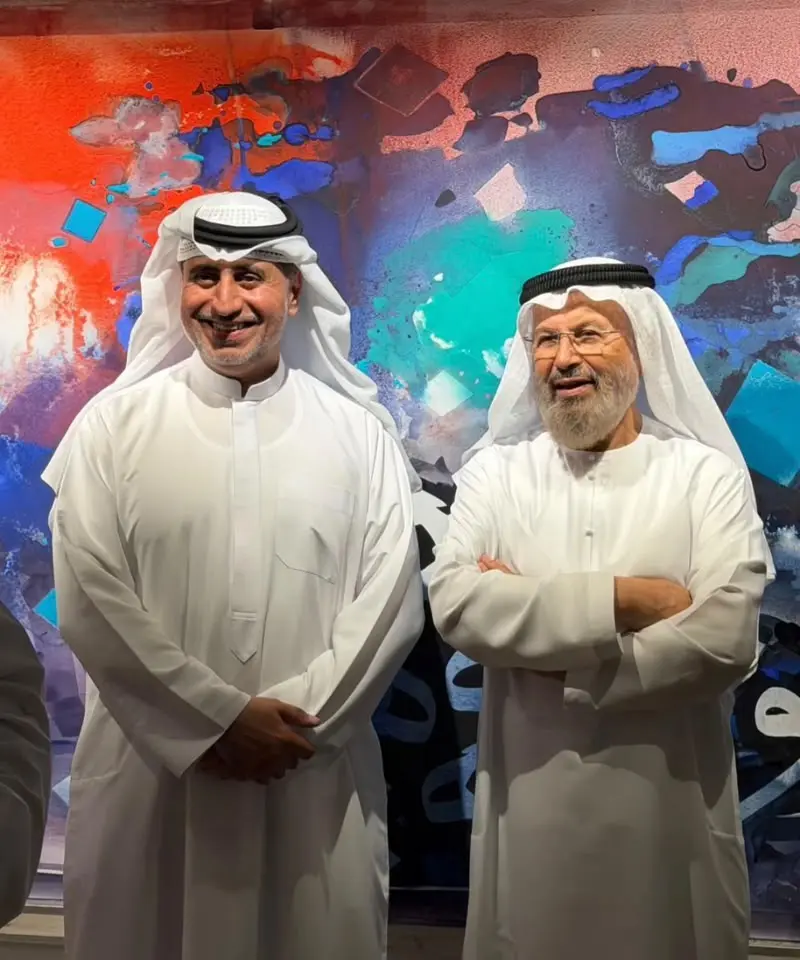
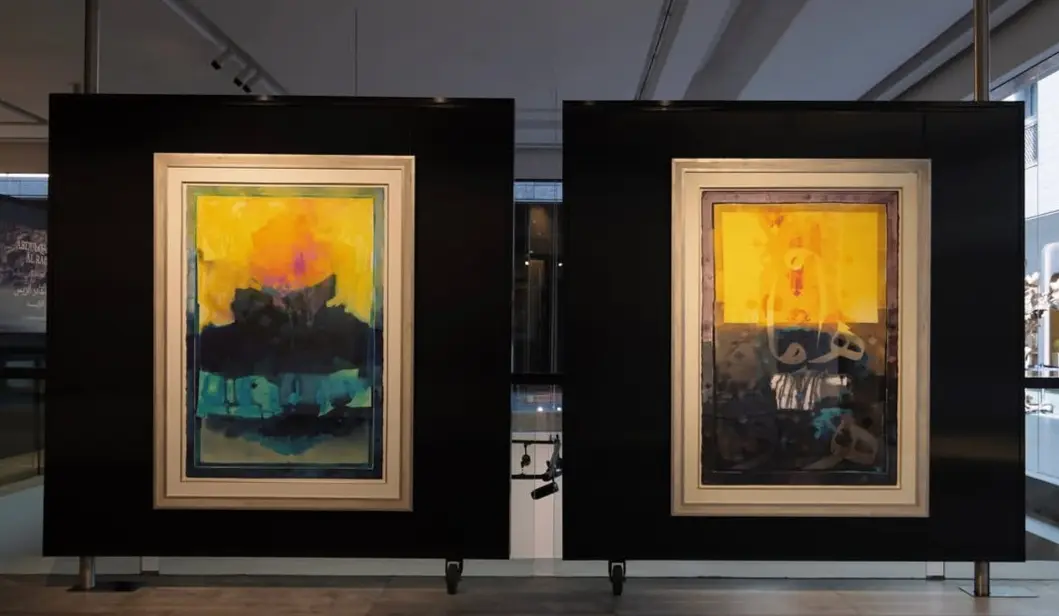
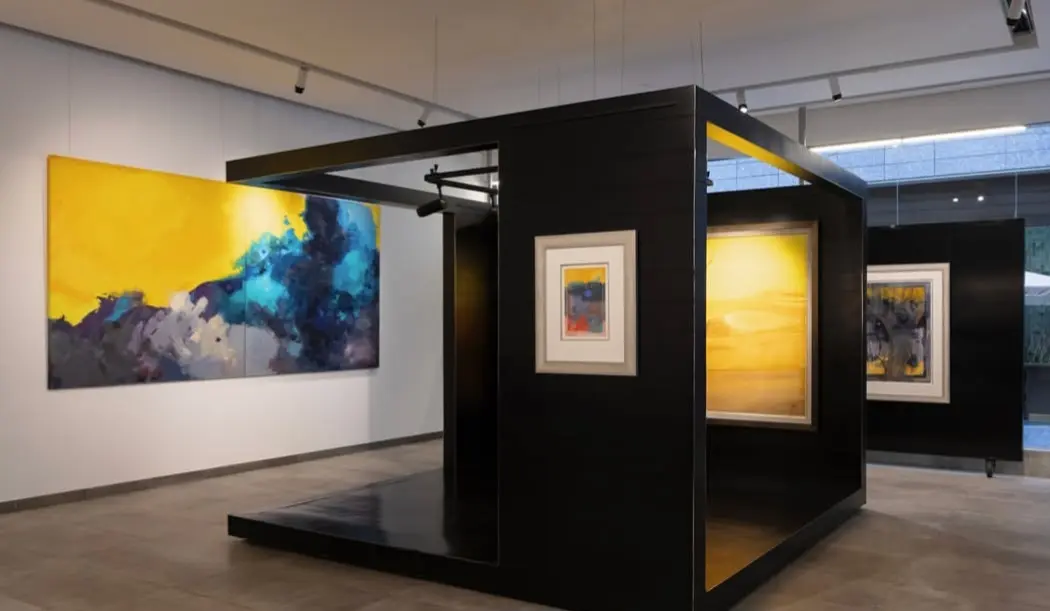
From 8 to 25 October 2026, Opera Gallery Dubai presents Al Nayed, a retrospective exhibition bringing together works from significant periods of Al Rais’s career, pieces from his private collection and paintings created specifically for the occasion.
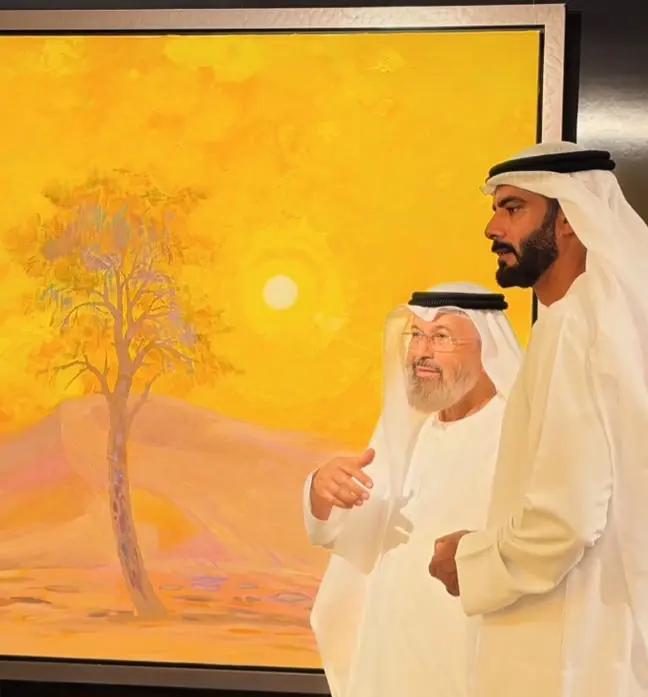
Rather than presenting a career as a sequence of completed chapters, the exhibition offers an opportunity to consider how a distinctive artistic language develops over time—and how an artist can remain connected to his origins while continuing to explore new possibilities.
_The Memory of a Place
Born in Dubai in 1951, Abdulqader Al Rais began his artistic journey in the early 1960s, when the city’s traditional neighbourhoods and surrounding landscapes formed a very different environment from the international metropolis known today.
The transformation of the UAE would become an important context for his work. Yet Al Rais’s paintings are not simply records of a disappearing architectural world. His interest in traditional buildings, doors, windows and wind towers extends beyond their historical appearance to the human experiences they suggest.
An old doorway may carry traces of lives that can no longer be seen. A weathered wall may preserve the character of a neighbourhood that has changed beyond recognition. A familiar architectural detail may evoke a way of life through its texture, proportions and relationship with light.
In these paintings, architecture becomes a form of memory.
There is often a sense of absence in Abdulqader Al Rais’s treatment of traditional buildings, but absence does not necessarily mean emptiness. The spaces seem to retain something of the people who once inhabited them. Their significance lies not only in what remains visible, but also in what the viewer imagines, remembers or feels.
This is one reason his architectural paintings continue to resonate. They speak to the experience of living in a place that changes rapidly, where the physical environment can be transformed within a generation while its emotional significance remains.
Al Rais does not present the past as an idealised world to which the present must return. Instead, he allows inherited forms to exist within a contemporary artistic language, making memory an active part of the creative process.
_A Language That Evolved With Time
Al Rais’s artistic development reflects a sustained interest in finding new ways to interpret the world around him.
His early work included portraiture and still life, before he moved towards landscapes and architectural subjects. His studies in Kuwait in the late 1960s introduced him to additional artistic influences and techniques. Later, his practice expanded into impressionistic painting, abstraction and Arabic calligraphy.
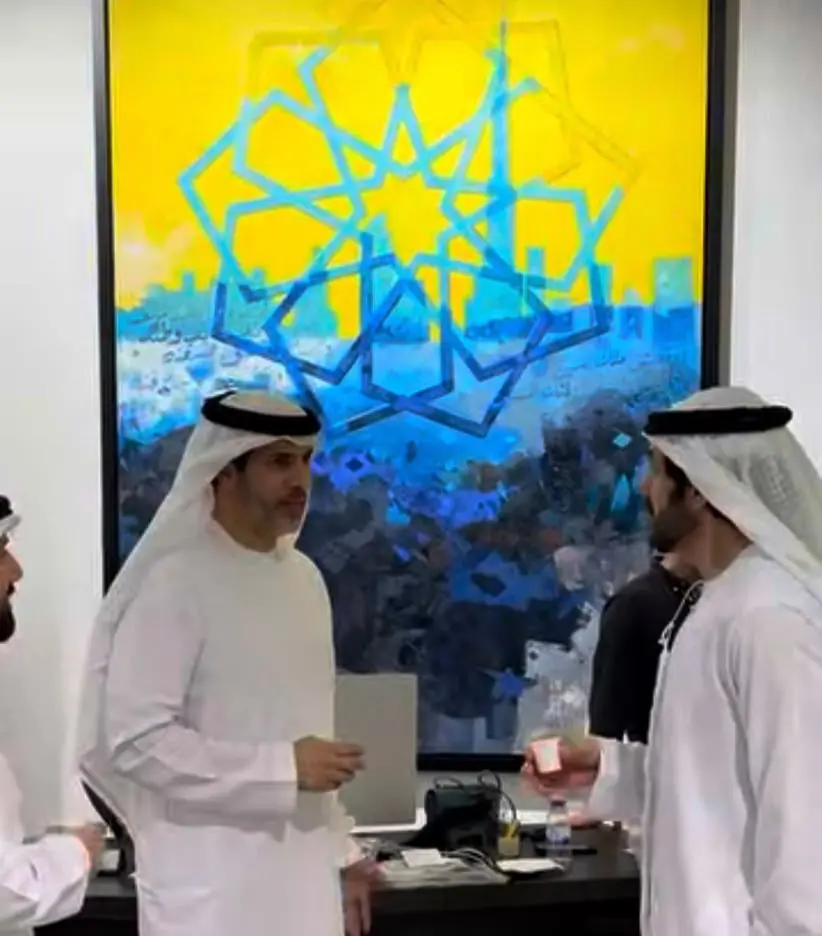
These developments were not simply changes of style. They represented a gradual shift in how he approached the relationship between an object and its meaning.
In more observational works, the subject provides the structure of the painting. Architecture is recognised through its details, while colour and composition help communicate the character of a particular place.
As his work developed, these elements became less dependent on literal representation. A wall could be reduced to colour and texture. A building could become a series of geometric relationships. A landscape could retain its emotional atmosphere without reproducing every detail of the visible scene.
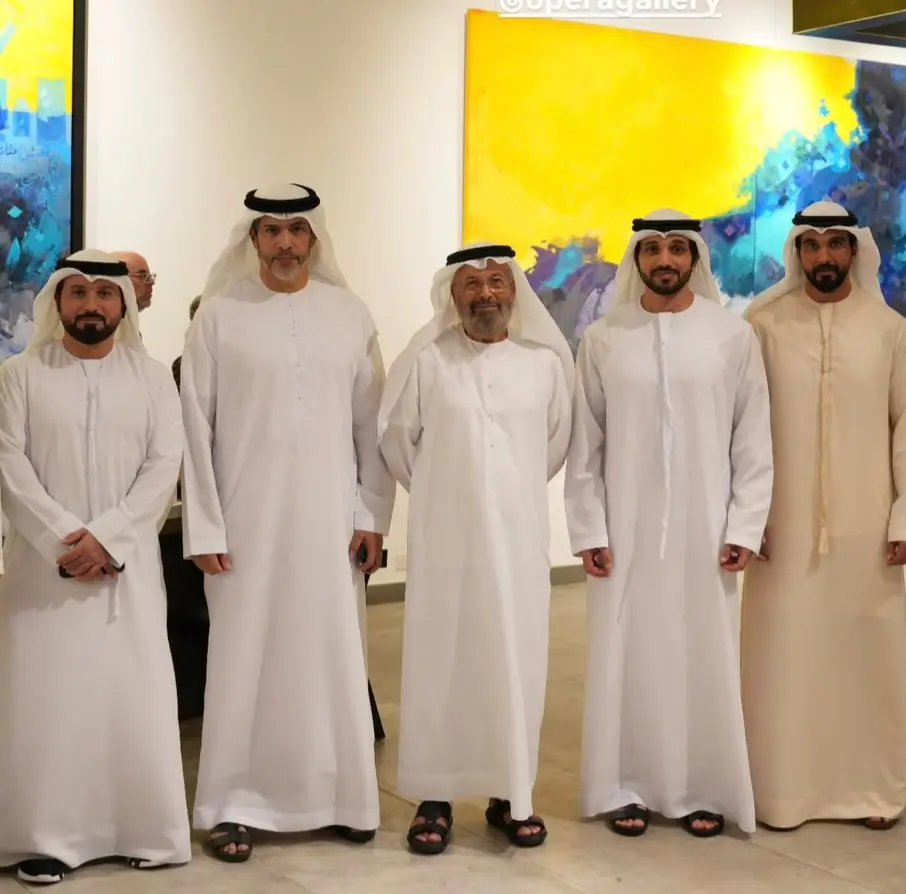
Abstraction gave Abdulqader Al Rais the freedom to explore what representation alone could not fully express.
Yet his movement towards abstraction did not sever his connection with the physical world. The forms in his paintings continue to carry traces of architecture, landscape and cultural experience. Even when the subject becomes less immediately recognisable, the sense of place remains.
This balance between familiarity and transformation is central to his artistic identity. His work demonstrates how a local visual heritage can become the foundation of a contemporary language without being reduced to illustration or historical documentation.
_Beyond What the Eye Can See
There is a recurring sense in Abdulqader Al Rais’s work that the visible world is only part of the story.
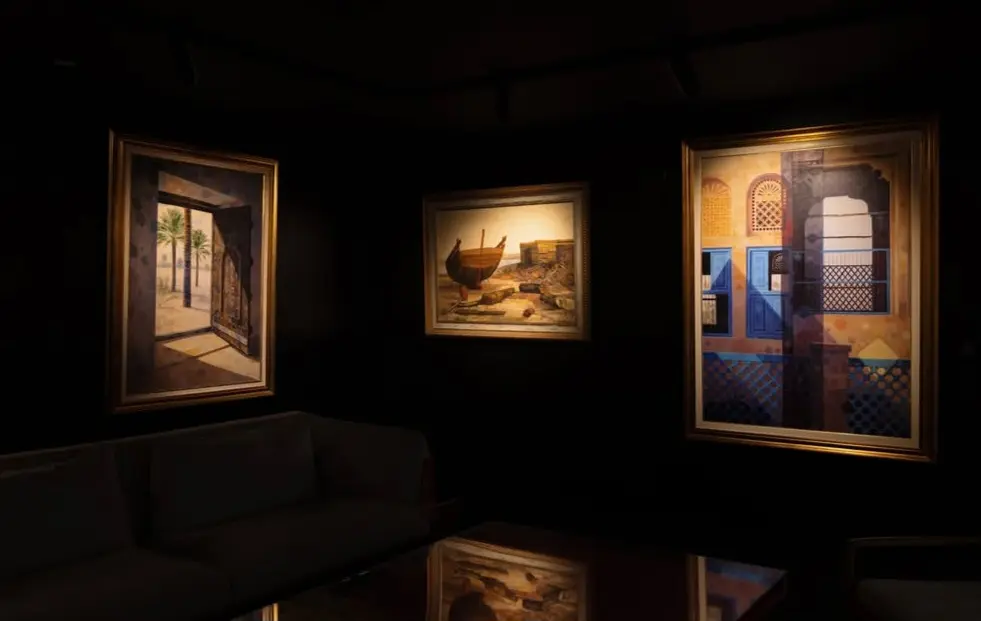
His interest in doors is particularly revealing. A door is a practical architectural object, but it also marks a boundary between spaces. It separates inside from outside, privacy from public life, presence from absence.
In Al Rais’s paintings, doors can acquire an almost dreamlike quality. Their significance lies not simply in their physical form, but in the possibilities they suggest: the lives behind them, the spaces they connect and the memories associated with their existence.
Through painting, these objects move away from everyday functionality and enter a more ambiguous realm. They become carriers of associations rather than merely things to be observed.
Watercolour provides another means of achieving this transformation. Its transparency allows forms to emerge through delicate layers of colour, creating a sense of lightness that differs from the solidity of the structures being depicted.
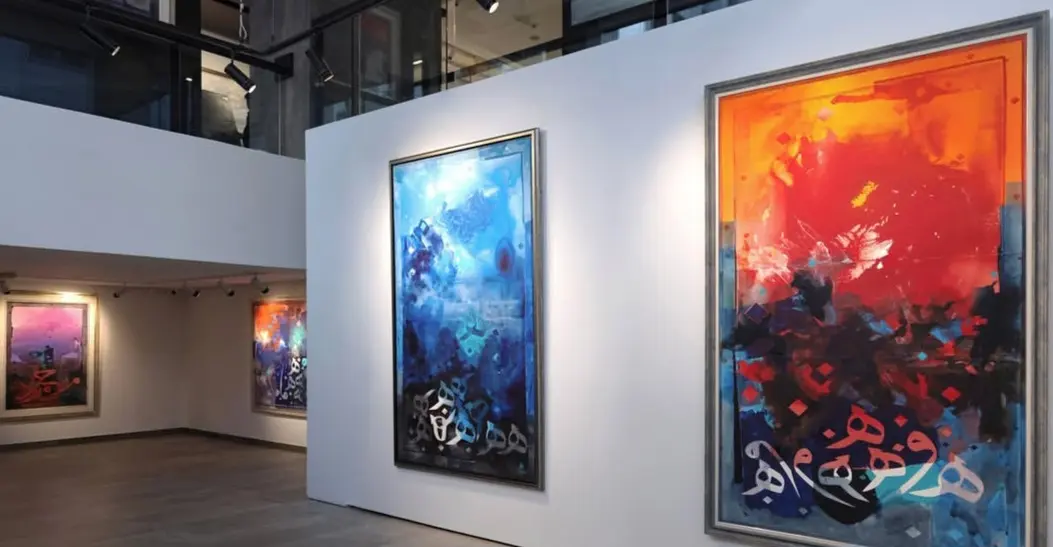
The result is not an escape from reality, but a reconsideration of it. Al Rais’s paintings suggest that our experience of a place is shaped as much by memory and emotion as by its visible characteristics.
This is also why abstraction plays such an important role in his practice. It allows him to approach the atmosphere of a place without relying entirely on its physical appearance.
A painting can preserve the feeling of a landscape, the rhythm of a wall or the presence of a doorway while leaving the viewer free to discover meanings beyond the immediate subject.
_An Artist and the Visual Identity of the UAE
Abdulqader Al Rais’s career forms part of the wider development of modern art in the United Arab Emirates. His generation helped establish a space for artistic expression at a time when the country was undergoing profound social, cultural and architectural change.
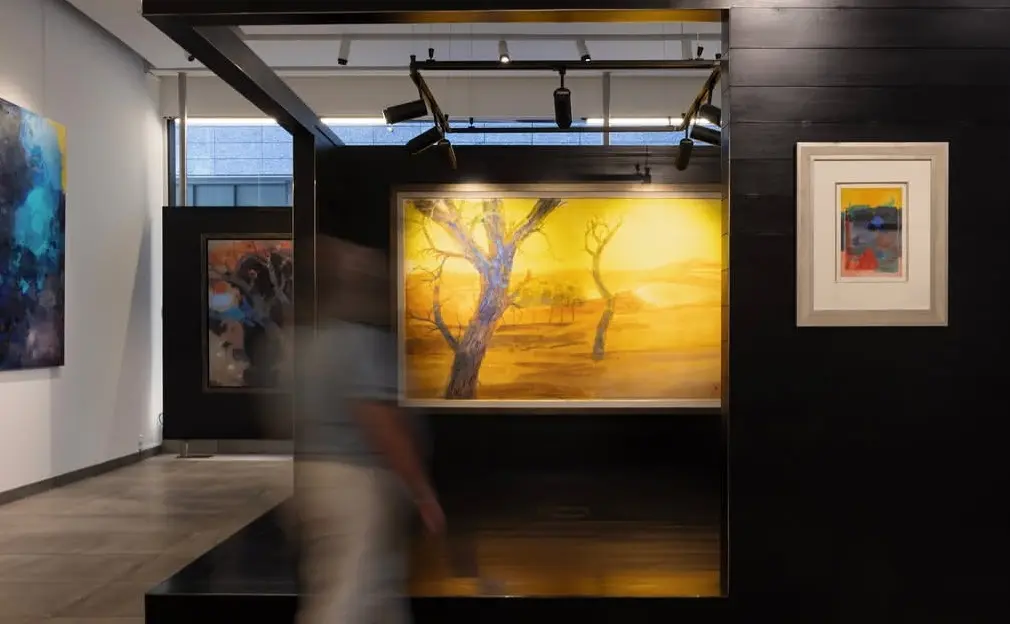
His work has contributed to a visual language through which local experience can be expressed in forms that engage with broader conversations in Arab modernism and contemporary art.
In 2015, Al Rais participated in the Venice Biennale alongside 14 other Emirati artists, in a presentation curated and commissioned by Hoor Al Qasimi and the Salama bint Hamdan Al Nahyan Foundation. The event brought Emirati artistic practices into an international setting.
That same year, reproductions of some of his works appeared on Dubai Metro trains during the city’s art season, allowing his imagery to reach audiences beyond the conventional gallery environment.
These moments reflect an important aspect of his career: the movement of art between private contemplation and public experience.
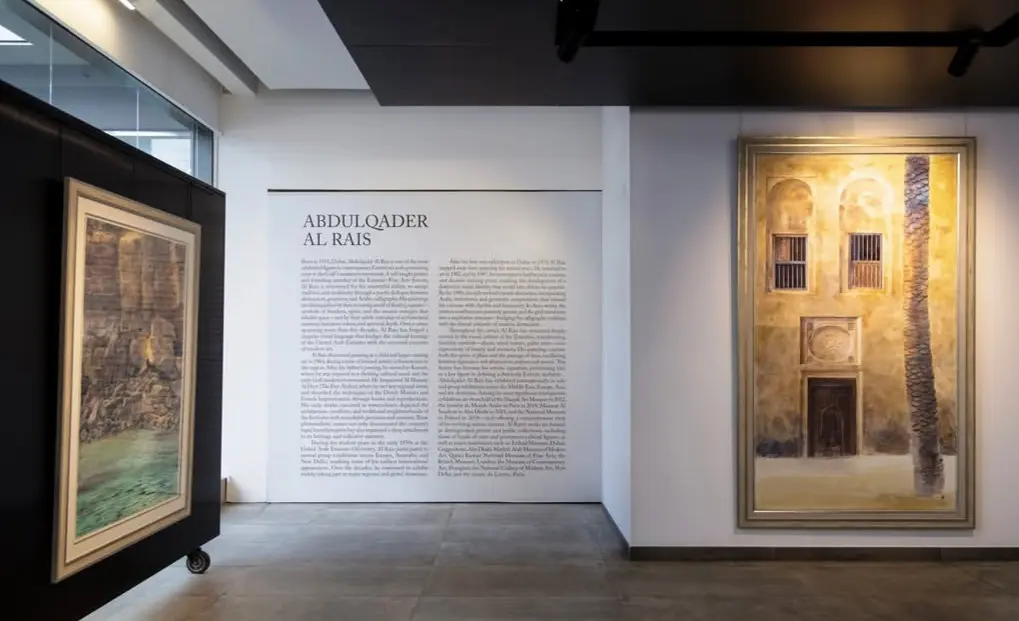
His paintings can be encountered as intimate studies of architecture and memory, as part of institutional collections or through their presence in the wider urban landscape. Across these different contexts, they maintain a connection with the cultural history of the UAE while demonstrating the potential of that history to generate new artistic expression.
Al Rais’s contribution is therefore not limited to preserving images of the past. He has also helped transform those images into a contemporary visual language through which the country’s changing identity can be explored.
_Al Nayed: Looking Back Without Standing Still
A retrospective can easily become an exercise in looking backwards. Al Nayed, through its combination of works from different periods, offers an opportunity to consider something more complex: the relationship between an artist’s history and his continuing creative life.
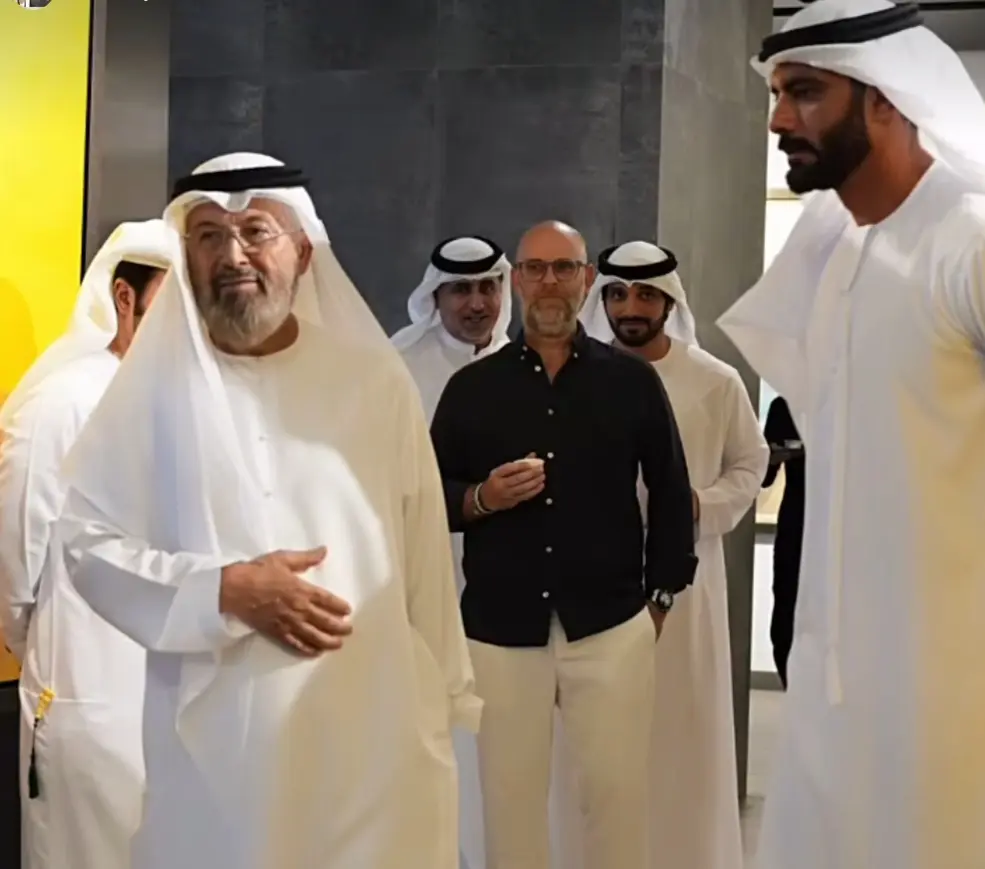
The presentation of established series alongside works from Abdulqader Al Rais’s private collection and paintings created specifically for the exhibition allows viewers to trace the development of his visual language while recognising the questions that continue to connect his practice.
Architecture, geometry, calligraphy and landscape are not separate territories in this work. They are interconnected ways of exploring memory, identity and the relationship between the material world and the experiences that give it meaning.
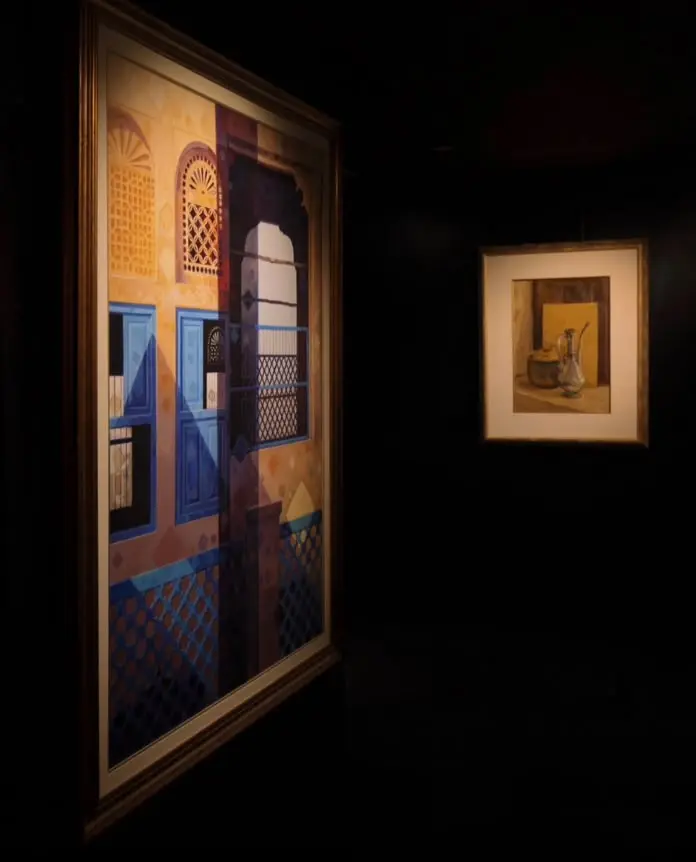
Abdulqader Al Rais’s work reminds us that a place is never defined entirely by its physical appearance. Its identity also resides in the memories it holds, the lives that have passed through it and the meanings that continue to emerge long after the visible world has changed.
LEAVE A RELPY