
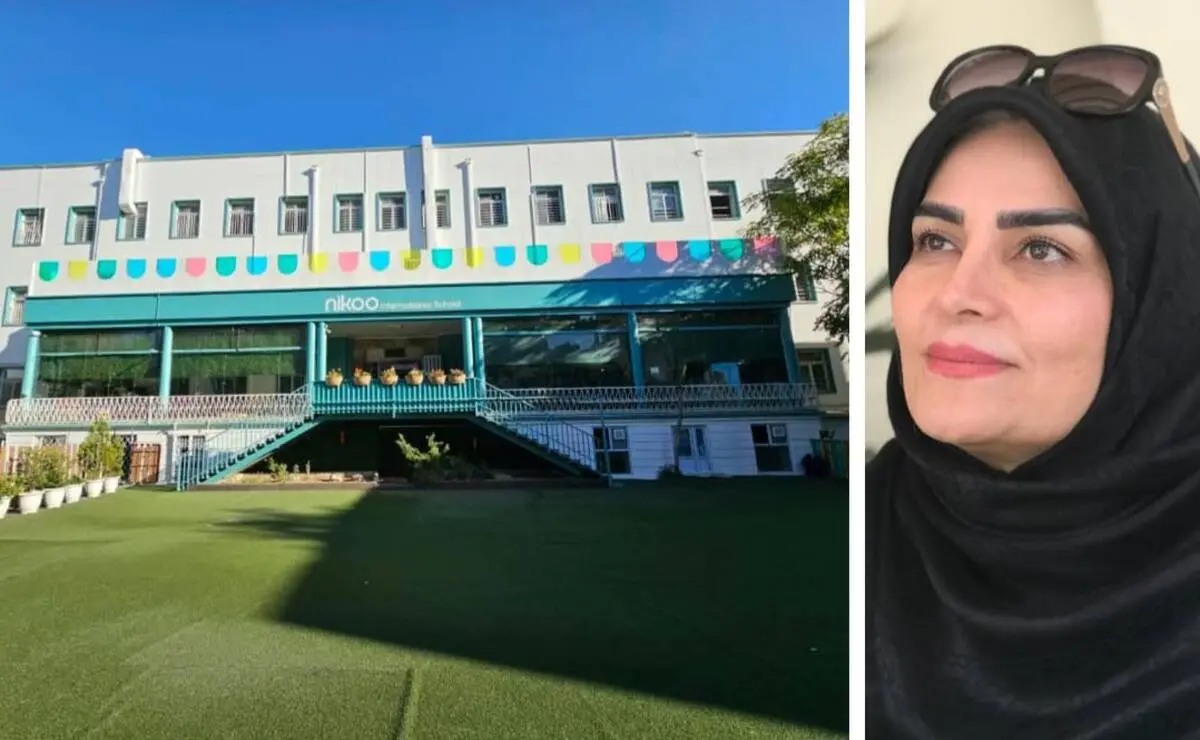
Maryam Delavar on International School Standards: Global Citizenship, Awareness, and Intercultural Communication Skills
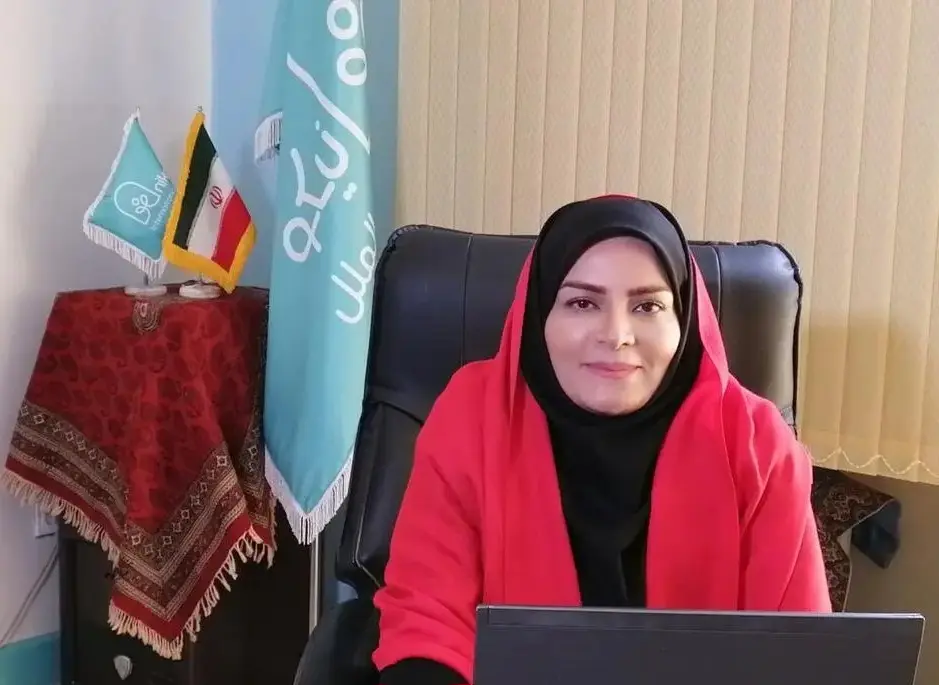
Maryam Delavar, Founder and Director of Nikoo International School in Tehran, explores the essential elements that define a truly international school, from educational excellence to the development of global citizens. These include the qualities that shape a school's true identity and distinguish it as a high-quality educational institution. The success of an international school cannot be measured solely by the name of its curriculum, the language of instruction, its physical facilities, or the university destinations of its graduates. What matters is how students think after years of education, how they communicate with others, how they respond to challenges, and how well prepared they are to make independent and responsible decisions.
ArtDayMe : Dr. Maryam Delavar, Founder and Director of Nikoo International School, says: “When we speak of international schools in the Middle East, particularly in the Gulf countries, we are looking at one of the region’s most significant areas of educational transformation. This landscape is shaped by growing student populations, cultural and linguistic diversity, and rising family expectations, all of which make the need to focus on the actual quality of education more important than ever.
According to an April 2025 report by ISC Research, the number of international schools in West Asia reached 2,311, serving approximately 2.14 million students. These figures reflect the regional definition of West Asia used in the report and should not be attributed exclusively to the Gulf countries. Nevertheless, they highlight a fundamental question: among the many schools operating across this region, what qualities make an international school truly high-standard, high-quality, and forward-looking?”
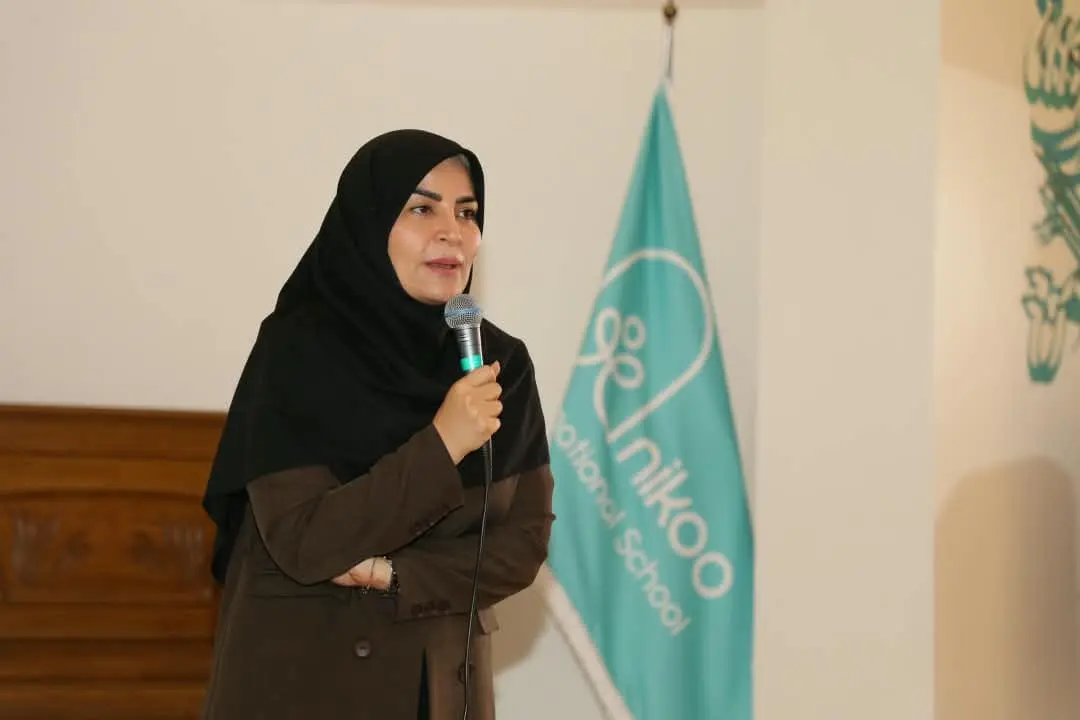
_ International Identity: Beyond the Language of Instruction and the Curriculum
Maryam Delavar adds: “In my view, a school’s international identity cannot be determined solely by its language of instruction, the use of foreign textbooks, or the names of the qualifications it offers. What gives a school its international character is the quality of the experience students encounter every day, from teaching methods and teacher-student relationships to opportunities to think, experiment, and learn alongside people from different backgrounds and with different perspectives.
A credible, forward-looking curriculum is one of the essential pillars of this journey. However, its true value becomes evident when it fosters critical thinking, creativity, problem-solving, independent learning, and the ability to apply knowledge in real-life situations.
“At a standard international school, the objective is not simply to transfer a prescribed volume of information or achieve high grades. Students should be able to ask questions, discuss ideas, connect different subjects, and find solutions to emerging challenges. Combined with strong English-language instruction and opportunities to learn other languages, this approach prepares students for further education, life, and professional activity in a complex and constantly changing world,” says the founder of Nikoo International School in Tehran.
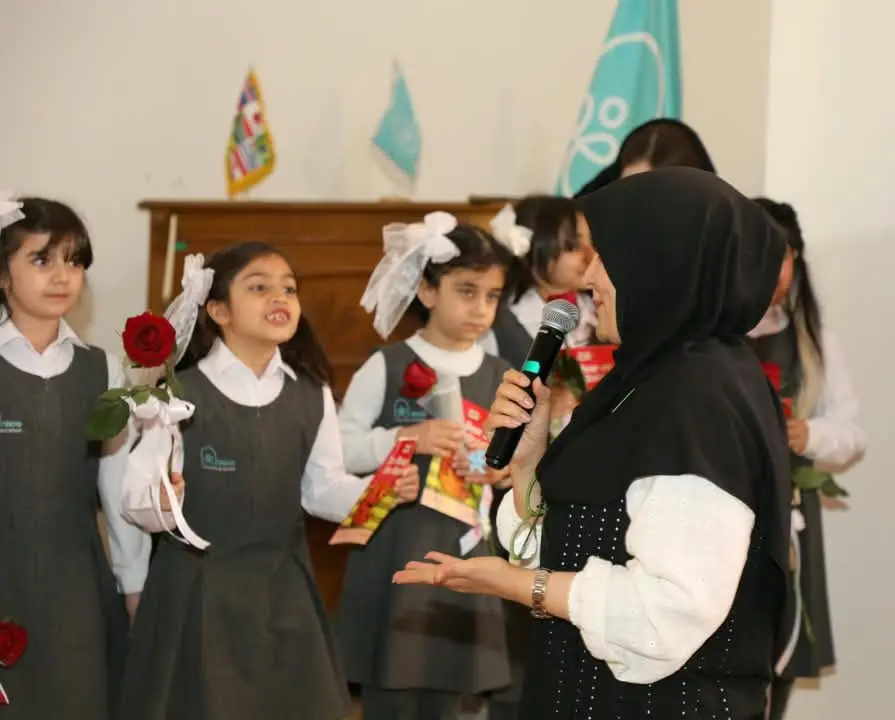
_The School Environment and Skilled Teachers: The Beating Heart of Educational Quality
Dr. Maryam Delavar believes: “Even the best curricula and educational resources cannot deliver the desired outcomes without knowledgeable, dedicated teachers who are committed to continuous professional learning. At a high-standard school, teachers are not merely transmitters of knowledge; they guide the learning process and must be able to recognise individual differences, educational needs, and variations in students’ learning pace.
Ongoing professional development, the use of diverse teaching methods, and the ability to create an environment that encourages dialogue and participation are among the most important indicators of educational quality.
“In such a classroom, students should feel comfortable asking questions and expressing different viewpoints. Making mistakes is a natural part of learning, while academic competition gives way to personal progress, collaboration, and deeper understanding. A school that genuinely values student development must be able to assess each learner’s progress in relation to their starting point, abilities, and individual needs.
“At the same time, the overall atmosphere of an international school is the most fundamental environment in which all these progressive educational practices can take shape.”
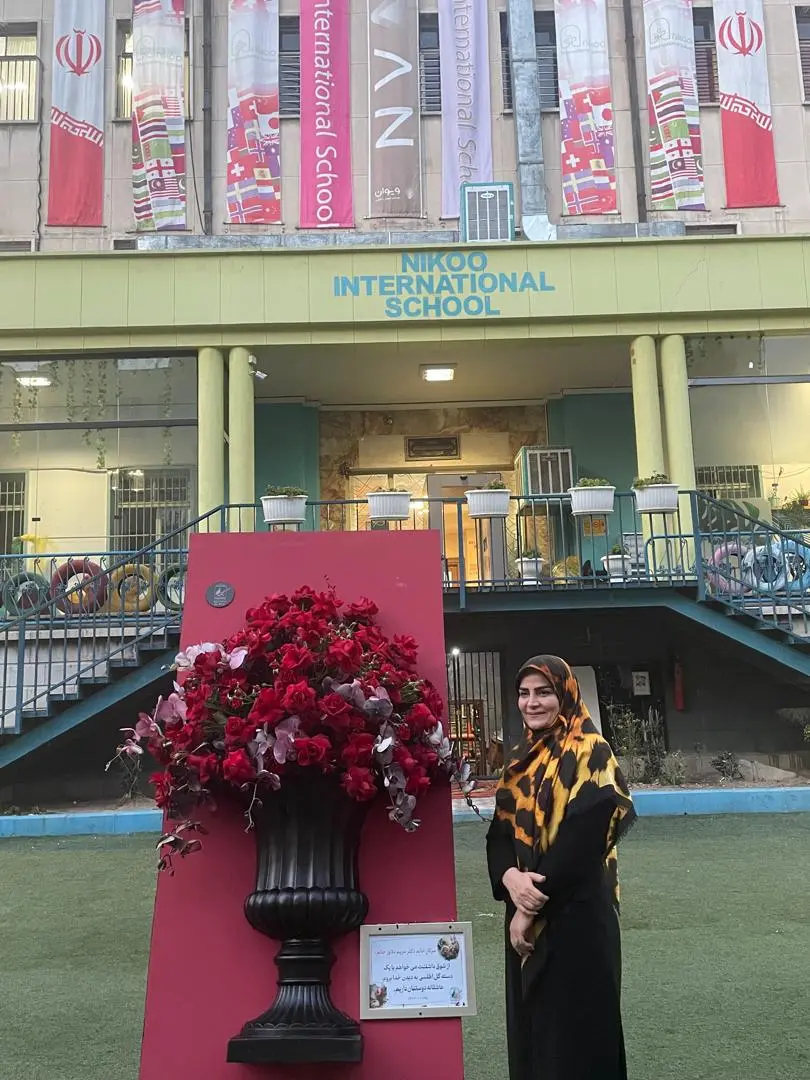
_Cultural Diversity: An Opportunity to Develop Global Citizens
The Director of Nikoo International School emphasises: “International schools, particularly in the Gulf countries, where societies are multicultural and multilingual, provide valuable opportunities for students to become familiar with different ways of living and thinking. Differences in language, culture, family experience, and personal interests should not become barriers to learning. Instead, they can provide a foundation for empathy, mutual respect, and a deeper understanding of the world.
“Being a global citizen does not mean distancing oneself from one’s local identity. On the contrary, students can establish meaningful relationships with the wider world when they understand their own cultural roots while respecting other cultures and perspectives.
“Developing social responsibility, intercultural dialogue, and the ability to collaborate with people whose backgrounds and experiences differ from their own is an inseparable part of the mission of a high-standard international school,” Delavar stresses.
_Psychological Safety and Student Well-Being: Essential Conditions for Effective Learning
Dr. Maryam Delavar says: “A school’s quality extends far beyond its classrooms and academic curriculum. Physical and psychological safety, the protection of children’s rights, the prevention of bullying and discrimination, and attention to students’ emotional well-being are fundamental pillars of a healthy educational environment.
“A student who fears being ridiculed, making mistakes, or being excluded cannot fully engage their learning potential. Respect, fairness, a sense of belonging, and access to support tailored to individual needs must therefore be integral to everyday school life rather than remaining principles confined to regulations and official school profiles.
“Inclusive education also means that a school has clear strategies for addressing individual differences and ensures that every student has genuine opportunities to learn and progress in accordance with their needs.”
_Technology and Artificial Intelligence: Tools for Smarter Learning
The founder of Nikoo International School notes: “Rapid technological developments, particularly the expansion of artificial intelligence, have placed new responsibilities on schools. A forward-looking school must prepare students to use these tools knowledgeably and responsibly.
“Ignoring or denying the world beyond the school environment can seriously undermine students’ intellectual development and outlook. Media literacy, the ability to assess the credibility of information, an understanding of the limitations of technology, respect for privacy, digital ethics, and the preservation of intellectual independence are therefore among the approaches that an effective international school must prioritise.
“The objective, of course, is not to use more technology at any cost, but to apply it thoughtfully to deepen learning and expand educational opportunities,” the education leader explains.
“Alongside this approach, continuous assessment is equally important. Student progress should not be measured solely by final examination results. Constructive feedback, project-based performance reviews, assessments of individual skills, and evidence of learning can provide a more accurate picture of each student’s development. This information also helps teachers and school leaders identify strengths and educational needs and refine their programmes accordingly.”
_A High-Standard School: An Accountable Institution Committed to Continuous Growth
The Director of Nikoo International School says: “Effective educational leadership, transparent management, adherence to ethical principles, and meaningful family engagement complete the framework of school quality. Communication between home and school becomes effective when it goes beyond exchanging information and develops into genuine collaboration in support of student growth.
“Families should understand the educational journey their children are undertaking, the areas in which they have progressed, and the plans in place to address any challenges they may encounter.
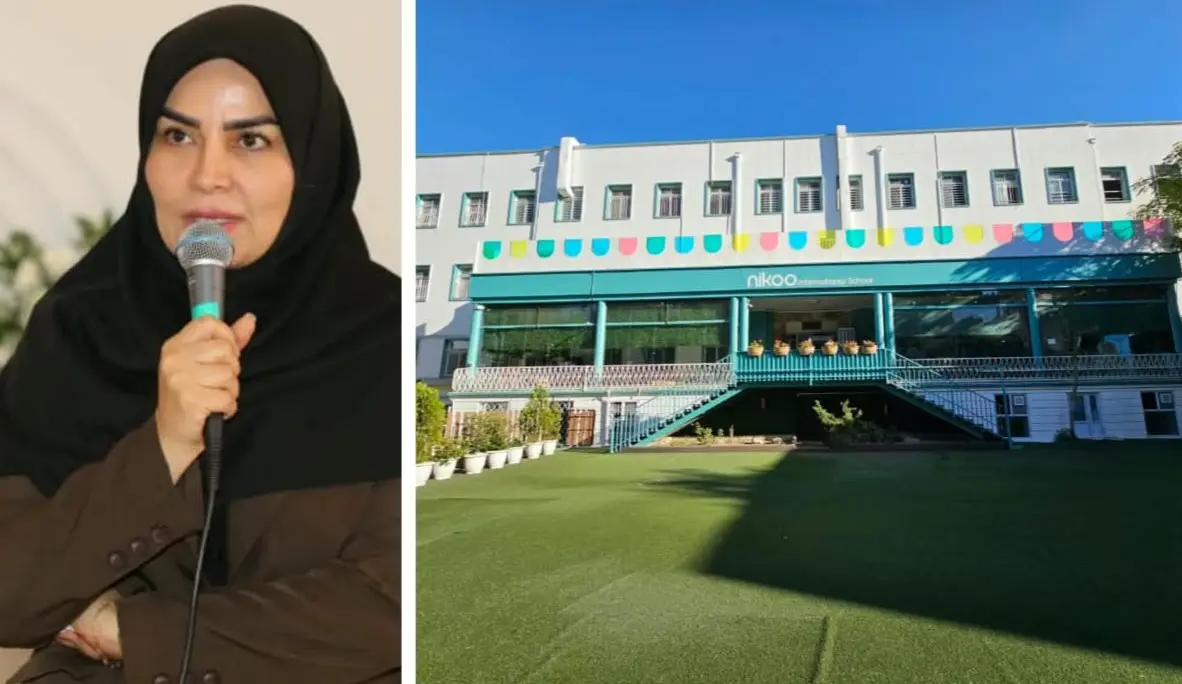
“Legal authorisation, compliance with official educational requirements, and adherence to recognised international frameworks are also important. However, these factors must be assessed alongside the actual quality of teaching, the well-being of the school environment, and student learning outcomes.
“A school committed to high standards continually evaluates its performance, listens to feedback from students and families, and develops clear plans for teachers’ professional growth and the improvement of educational practices.”
In conclusion, Maryam Delavar emphasises: “At Nikoo International School, defining strategies for educational quality and for engaging with students who encounter an increasingly interconnected world of ideas and influences begins with a simple institutional question: Does what we do at school every day genuinely contribute to our students’ growth?
“Answering this question requires an honest perspective, continuous evaluation, and a willingness to learn and improve.
“In my view, the success of an international school cannot be measured solely by the name of its curriculum, the language of instruction, its physical facilities, or the university destinations of its graduates. We must look at how students think after years at school, how they communicate with others, how they respond to challenges, and how prepared they are to make independent and responsible choices.
“A leading international school is an institution that does more than prepare students for further education. It equips them with the ability to live, learn, collaborate, and participate responsibly in a diverse and constantly changing world.”
Nikoo International School website:
LEAVE A RELPY