
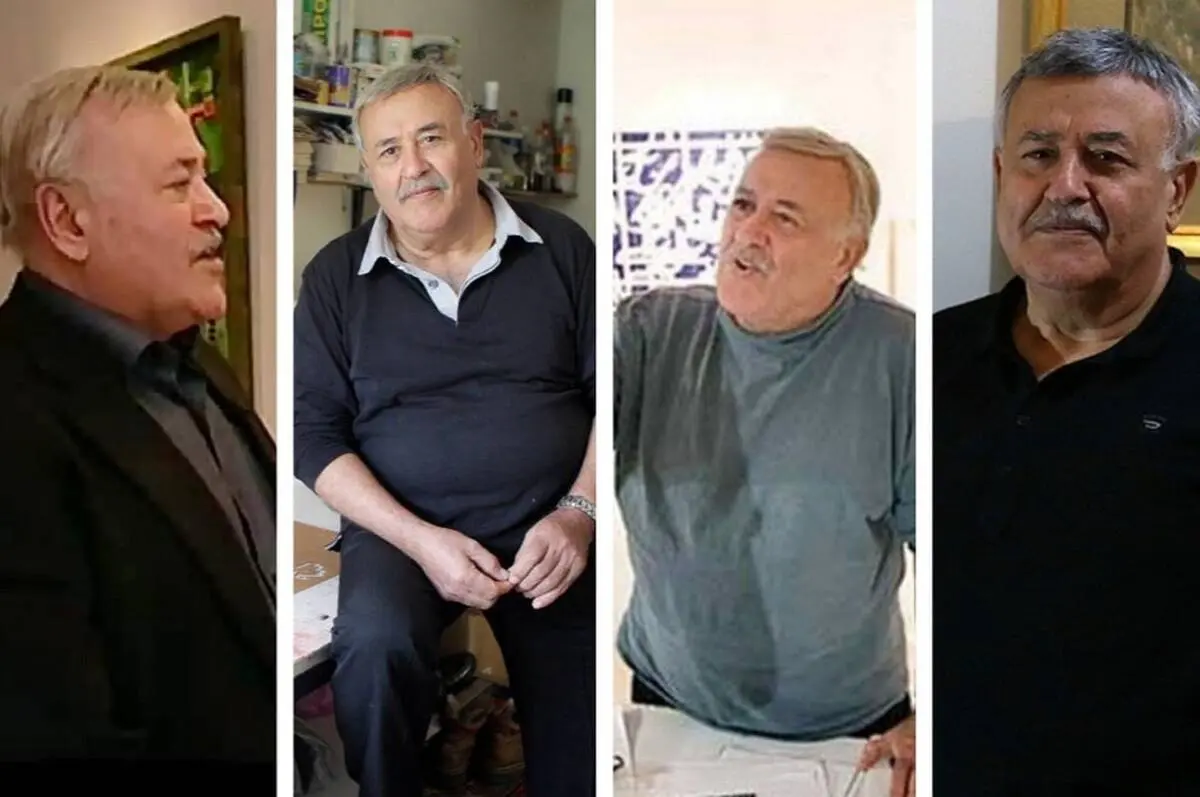
Sadegh Tabrizi: Five Remarkable Sales Across Three Tehran Auctions in 20 Days / From Tehran Auction to Baran Auction and Kavian Auction
Sadegh Tabrizi: Five Remarkable Sales Across Three Tehran Auctions in 20 Days / From Tehran Auction to Baran Auction and Kavian Auction.
ArtDayMe : The late master Sadegh Tabrizi (1938–2017), whose appearances at international auctions have now reached triple digits, following his first auction appearance in 1973, featured with five works across three Tehran auctions over the past 20 days. All five works sold, achieving a 100% sell-through rate and setting new benchmarks for his market.
Between 16 October and 6 November 2026, Tehran hosted three consecutive auctions, with works by Sadegh Tabrizi forming a common thread throughout all three events.
Tehran Auction presented two works, Baran Auction offered two, and Kavian Auction featured one. All five sold above their initial estimates, following notable competition among art collectors.
The highest-priced sale was a celebrated work by Sadegh Tabrizi offered at Baran Auction, from his Horsemen series. The image of this work has been reproduced on a wall along Tehran's Chamran Expressway and was also published in the limited-edition book dedicated to the master, released by MMBOOKLI. The work achieved a hammer price of 16 billion tomans.
The other four works also achieved prices ranging from 4 billion to 14.3 billion tomans, reflecting a significant rise in the market value of this renowned Iranian artist's work.
- Two Works at the 26th Tehran Auction
On 16 October 2026, the 26th edition of Tehran Auction took place, presenting two outstanding works by Sadegh Tabrizi to collectors.
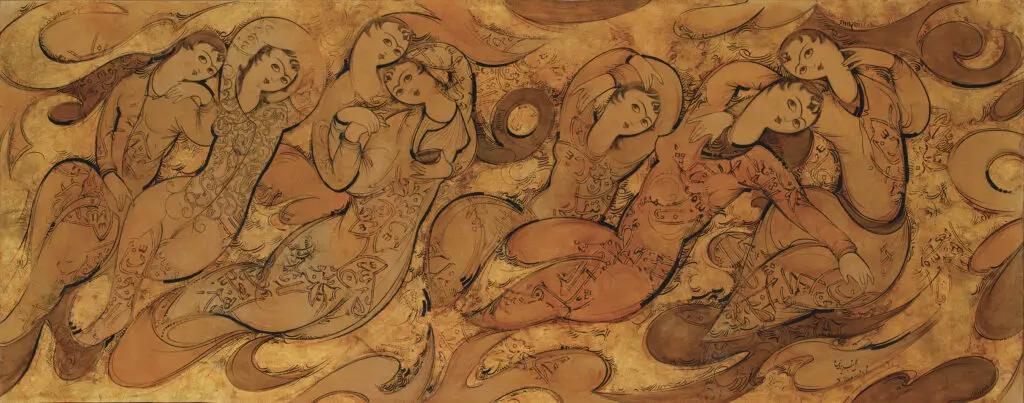
The first was an untitled work, popularly known as Angels, from the Lovers series. Executed in mixed media on canvas, measuring 175 × 70 cm and dating to around 1966, it achieved a hammer price of 14.3 billion tomans.
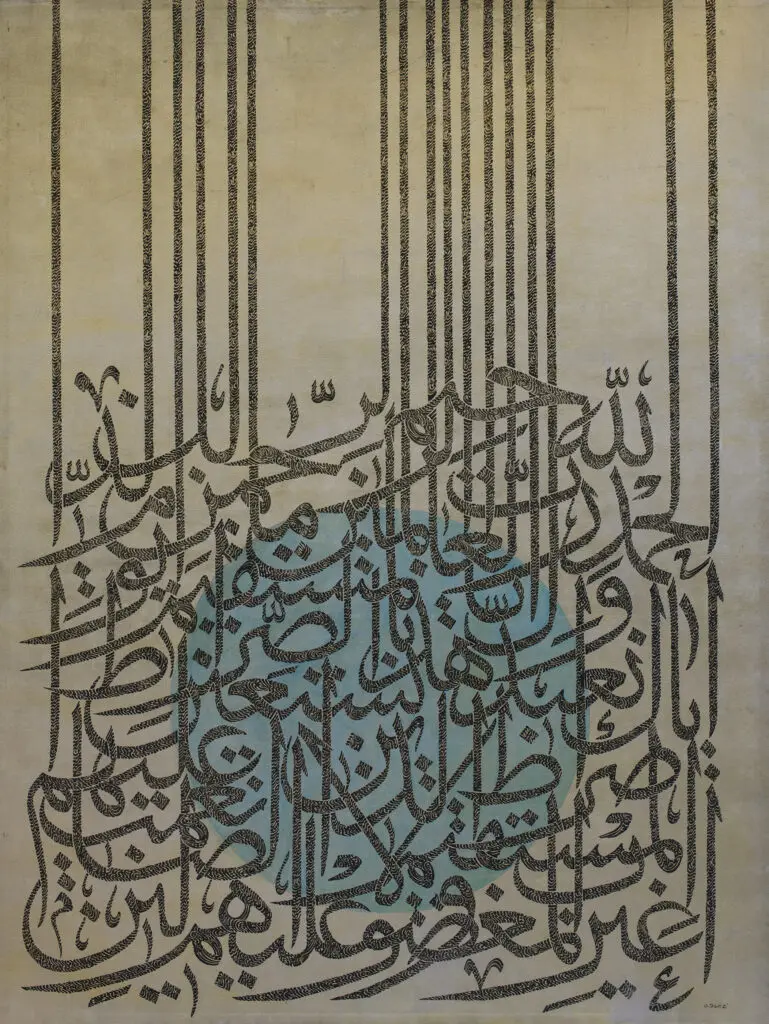
Later that same evening, another untitled work, commonly known as Quranic Calligraphic Rhythm, was sold for 7.15 billion tomans. Created in 2012, the work measures 148 × 246 cm and is executed in acrylic and gold leaf on canvas.
_Two Works at the Fifth Baran Auction
On 30 October 2026, the fifth Baran Auction was held, bringing two celebrated works by sadegh Tabrizi under the hammer.
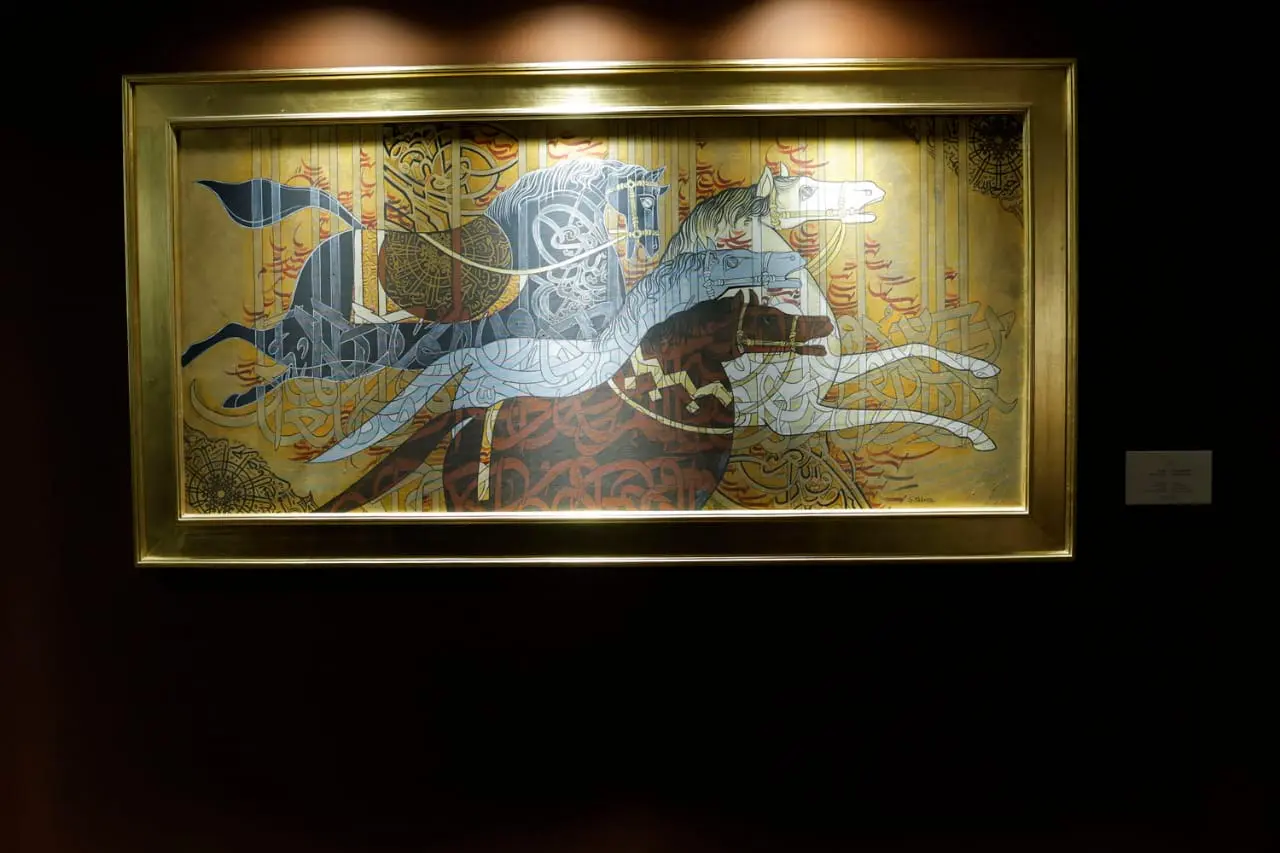
A work from the master's Horsemen series, whose image has been reproduced on a wall along Tehran's Chamran Expressway, achieved a hammer price of 16 billion tomans.
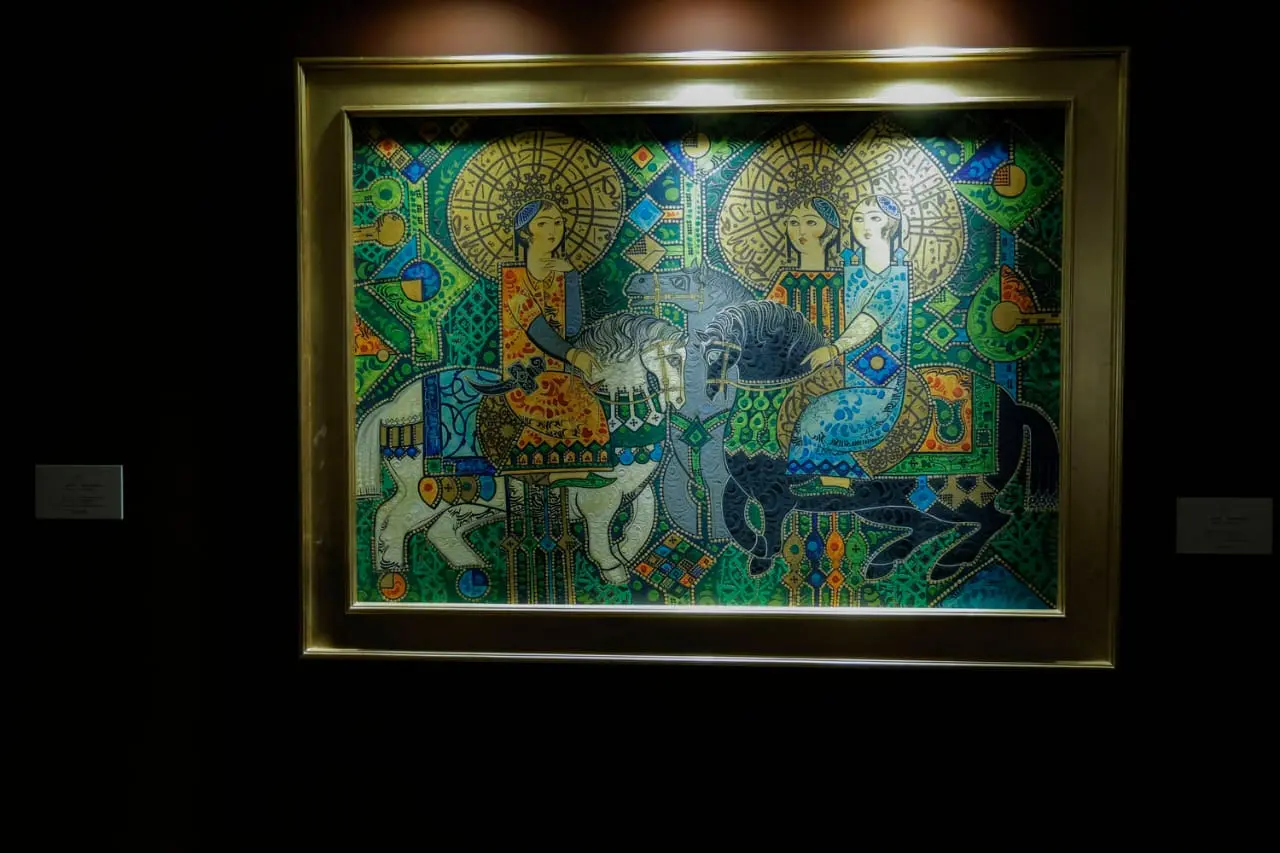
Later in the same auction, another work by this influential Iranian artist, from his Horsemen of Lovers series, sold for 12 billion tomans.
_One Work at the Second Kavian Auction
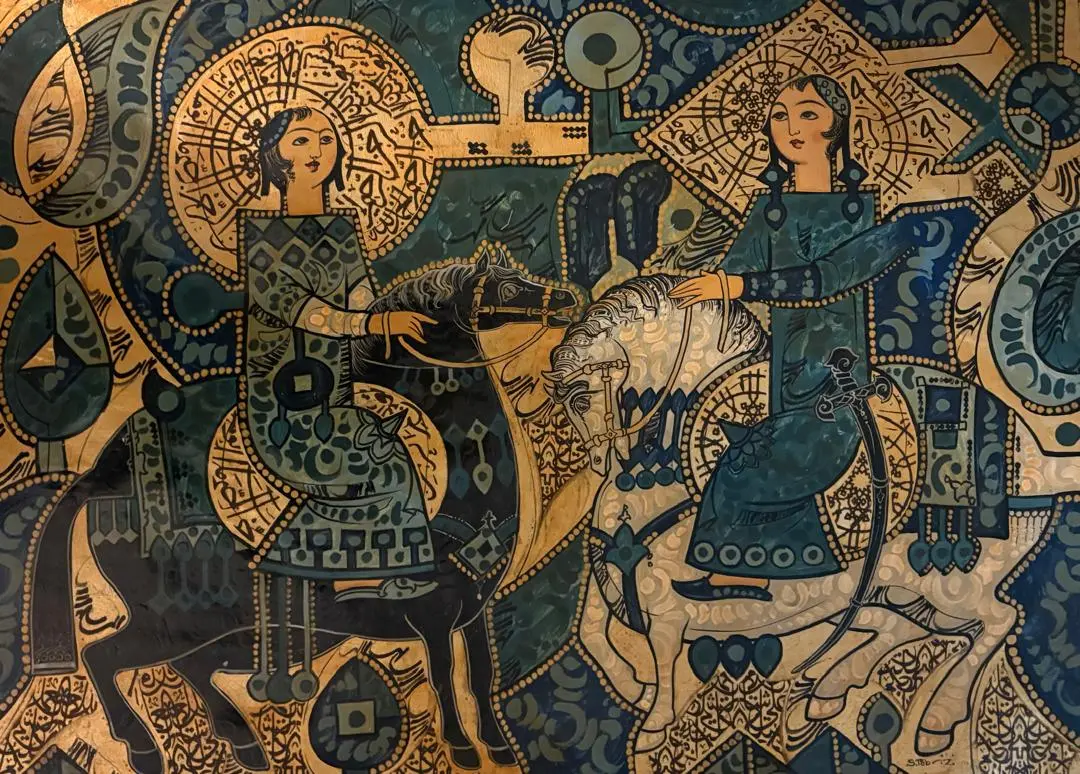
On 6 November 2026, the second Kavian private auction took place. With only 23 works offered, the event included a particularly beautiful, smaller-scale work by the late Sadegh Tabrizi from his Horsemen of Lovers series.
Measuring 69 × 49 cm and executed in acrylic on canvas, the work achieved a hammer price of US$15,000.
_ Sadegh Tabrizi: A Lasting Influence on Iranian Art History
In the history of Iranian art, only a handful of artists are recognised as pioneers who have left a lasting impact on artistic movements. Sadegh Tabrizi is undoubtedly among them.
Beginning in the 1960s, through his bold combination of calligraphy, Iranian motifs and a modern abstract visual language, he pioneered an artistic direction that would later become an important part of what is recognised as the contemporary visual identity of Iran. He was not merely reinterpreting tradition; he was building a new bridge between Iranian cultural heritage and a global artistic sensibility.
Sadegh Tabrizi first attracted the attention of professional art buyers in 1973, when his works appeared at the first Tehran auction. Over the following five decades, his works were regularly presented at approximately 160 prestigious regional and international auctions, including Christie's, Sotheby's, Bonhams, Phillips and Millon, among others, attracting considerable interest from collectors. Such an extensive auction record is shared by only a limited number of prominent artists of his generation.
_ The Paris Turning Point: When Tapié Declared, "This Is Sublime Art"
Sadegh Tabrizi's 1971 exhibition, held when he was 33, at Galerie Cyrus in Paris proved to be a genuine turning point in his career. It was there that Michel Tapié, the influential critic and leading theorist of Art Informel, offered an exceptionally generous assessment of his work, describing it as "sublime art".
This recognition not only drew European attention to Iran's modernist art scene but also gave Sadegh Tabrizi greater confidence and artistic conviction to pursue a direction that would eventually become an important pillar of modern Iranian art.
Sadegh Tabrizi cannot be confined to a single artistic framework or school. He continually reinvented himself. His thoughtful return to Persian miniature painting, mythology, Qajar aesthetics, popular iconography and calligraphy, combined with his refined technical approach, gave his work a distinctive position even within broader reassessments of Iranian art history.
From New York to China and Switzerland, his works are held in distinguished museums and private collections, offering fresh interpretations of Iran and its cultural moment.
The art market has also affirmed Sadegh Tabrizi's significance. Over recent decades, his works have not only maintained a consistent presence at leading auction houses but have frequently exceeded their pre-sale estimates, establishing remarkable records throughout his career.
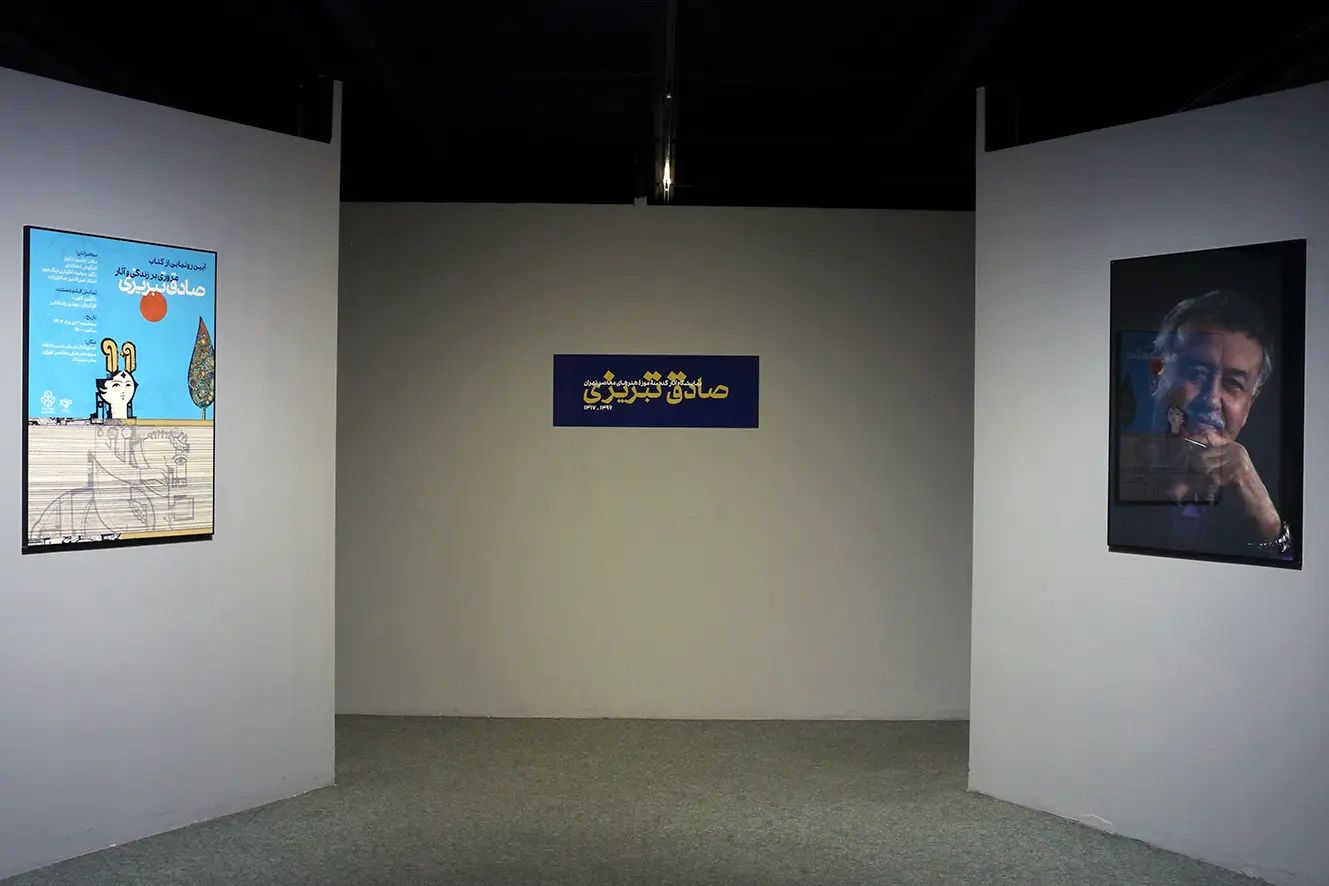
Finally, it is worth noting that recent reports have emerged concerning the establishment of the Sadegh Tabrizi Foundation, an initiative reportedly being pursued by the artist's family in collaboration with Mehrdad Fallah, the family's official representative.
LEAVE A RELPY