
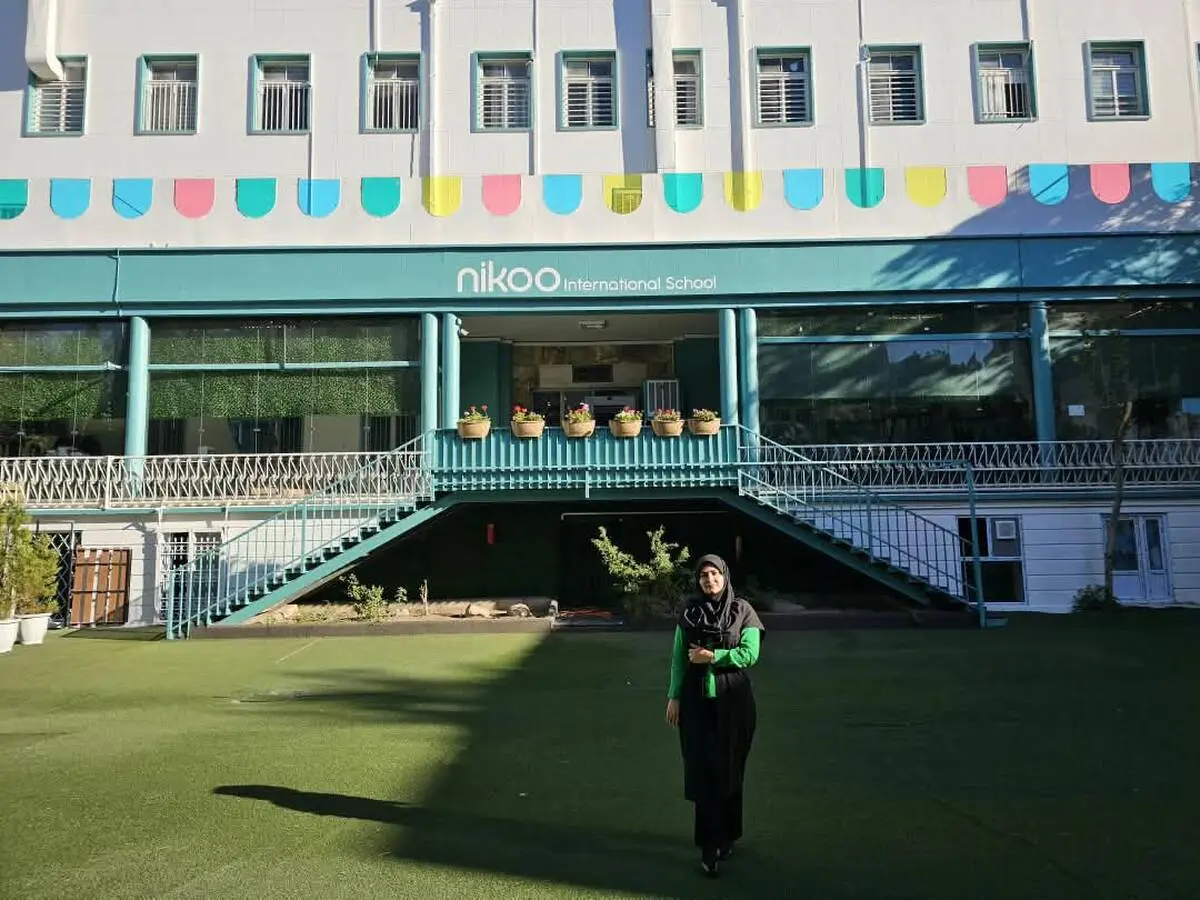
Maryam Delavar: Nikoo, a School for a Generation That Thinks Differently
Founder and Director of Nikoo International School: “We are facing a questioning generation that is aware of its surroundings and, perhaps, of global events, while being immersed in technology. Under these circumstances, I believe schools, too, must embrace contemporary and innovative approaches in their educational thinking and pedagogical practices.”
ArtDayMe : Dr. Maryam Delavar, Founder and Director of Nikoo International School in Tehran:
The new academic year has arrived, and the educational New Year has brought a different color to the city.
Even for me, after three decades of working in Iran’s educational sector, these days remain full of excitement and hope. Yet this year—and indeed over the past few years—we have been facing a fundamental change.
The classrooms are the same classrooms, the schoolyard is the same schoolyard, and the school bell still carries the sound we have heard for years. But the children entering the school are no longer the same children of a few years ago.
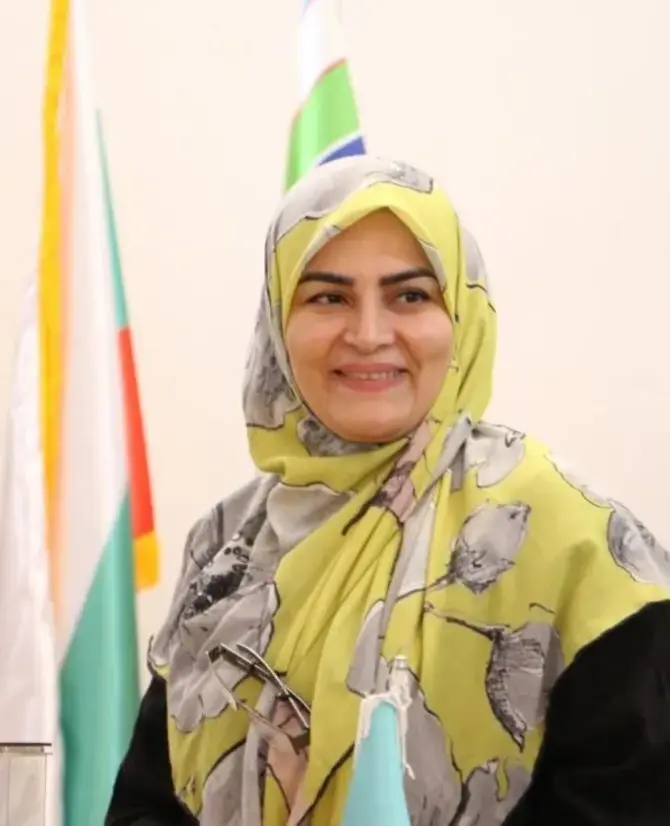
Today’s generation is growing up in a different world—a world in which the pace of change is far faster than it was in the past, and where children are exposed from an early age to an enormous volume of information, images, communication, and choices. At times, even more than we adults imagine.
I believe we are facing a questioning generation, one that is aware of its surroundings and, perhaps, of global events, while being immersed in technology.
Under these circumstances, I believe schools, too, must embrace contemporary and innovative approaches in their educational thinking and pedagogical practices.
Today’s generation can access a sea of information with just one or two clicks, and schools must consciously prepare themselves for this emerging phenomenon.
Building companionship and friendship with children while maintaining educational principles; creating a sense of calm; fostering a lively and joyful environment; and providing a space for empathetic dialogue alongside academic instruction must be among our highest priorities.
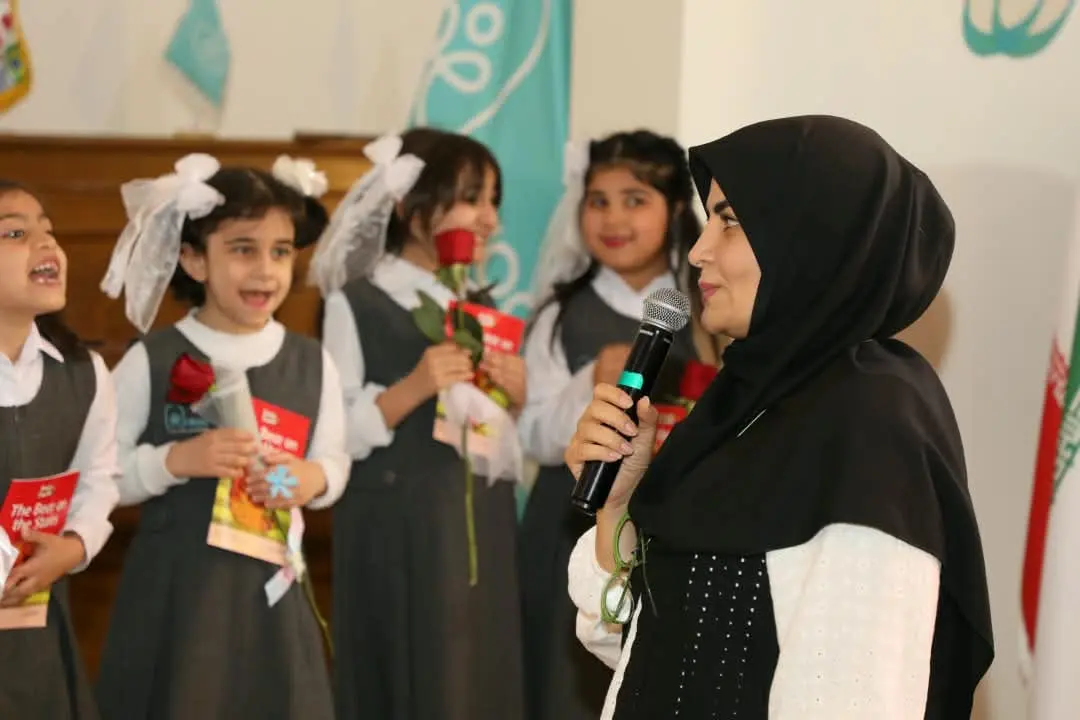
Mryam Delavar and New Manifestos of Nikoo School
I founded Nikoo School based on these contemporary approaches, and I continuously recalibrate it in response to the living pulse of society. Yet the educational and developmental principles rooted in human values remain the manifesto of Nikoo.
For example:
I have always believed that a school is successful when students feel that they are seen—not merely as a grade, a report card, or a name on a class list, but as individuals with their own unique characteristics, interests, concerns, and abilities.
Children are not meant to be alike, nor are they all meant to follow the same path.
One child may excel in mathematics, another in art, one in sports, another in problem-solving, while another may not yet have discovered any of their talents properly. And that is completely natural. A child who has not yet found themselves needs an opportunity, not a label.
In my view, one of the most important things a school can do is give children opportunities to experience—to try something, succeed, fail, start again, and gradually discover what gives their lives meaning.
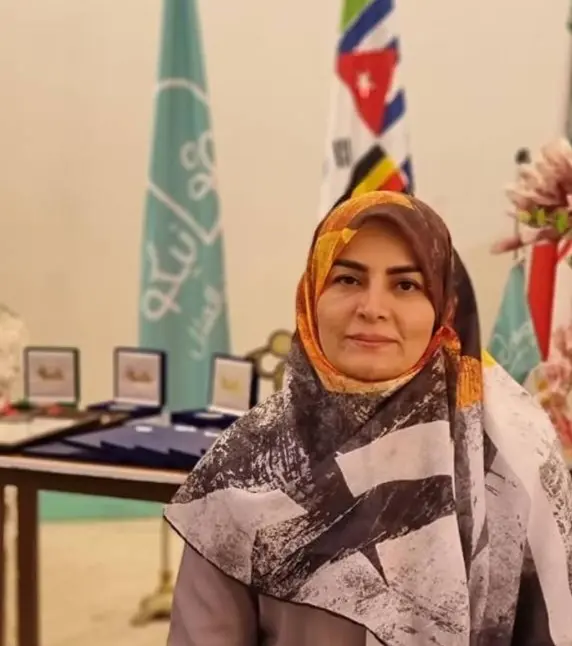
At the same time, we cannot expect today’s children to learn in the same way we did when we were young. The world has changed, and learning methods must change accordingly. Technology and new tools, including artificial intelligence, are part of this generation’s lives. Our responsibility is not to distance them from this world; it is to help them use it wisely, ask the right questions, avoid believing everything they encounter, and develop the ability to distinguish and evaluate information amid an overwhelming abundance of it.
But alongside all of this, there is something no technology can replace: human connection.
No program can replace a teacher who truly knows their student. No educational tool can replace a conversation in which a child feels that what they are saying is genuinely being heard.
Perhaps that is why I still believe that some of the most important moments of every school day are the simple interactions between a teacher and a student: a question, a conversation, a smile, an encouragement, or sometimes even a timely reminder.
We are not expected to solve all of the problems in children’s lives at school. But we can create an environment in which they learn to understand themselves better, respect others, take responsibility for their actions, and work toward what they genuinely care about.
And perhaps we adults need to trust children a little more along the way.
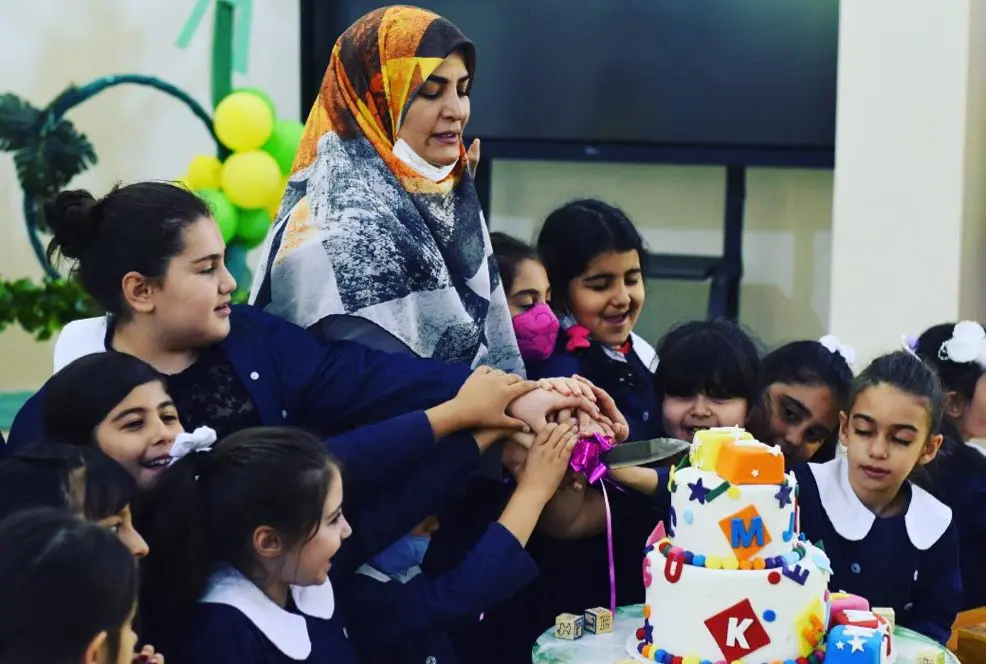
Sometimes we become so concerned about children’s futures that we forget that the future will ultimately belong to them. We can guide them, share our experience with them, and look after them; but ultimately, we must give them the opportunity to think for themselves and make their own choices.
We begin the new academic year with this perspective—with the hope that school will be more than a place where children simply study. It should be a place where they feel safe, where their questions are taken seriously, where they discover their talents, and where they gradually develop a deeper understanding of themselves.
For me, the beginning of each academic year is not simply the beginning of a new educational program; it is the beginning of a new opportunity.
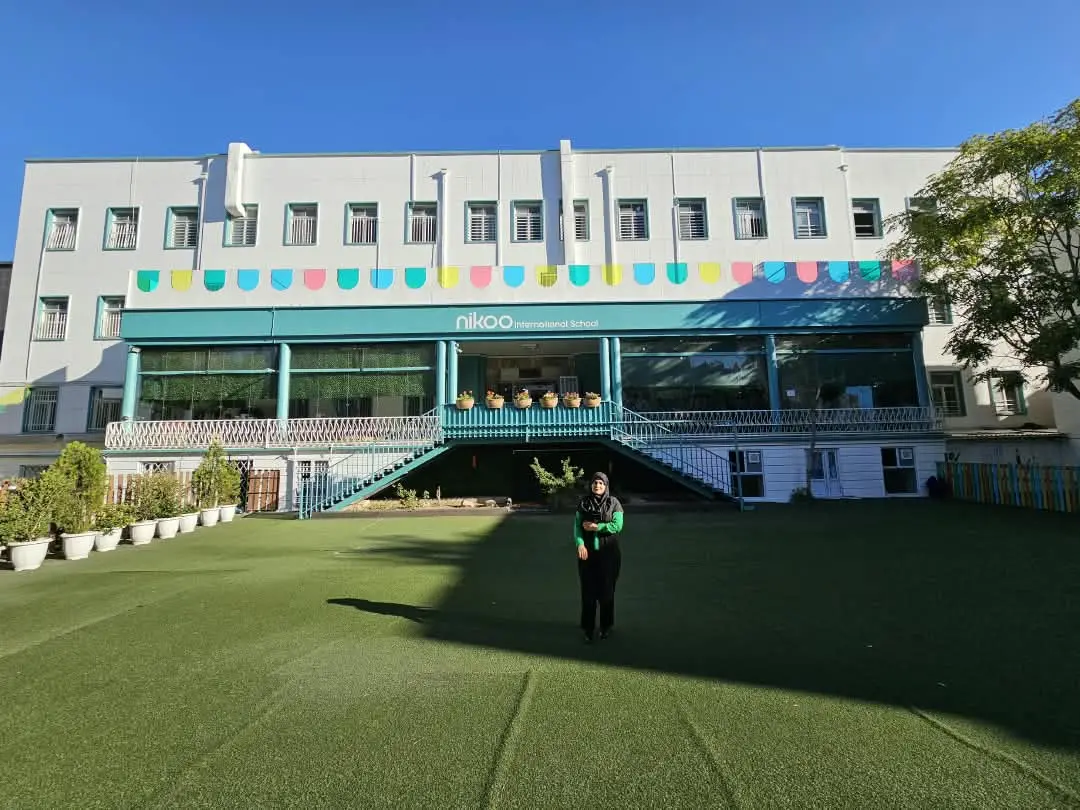
An opportunity to learn once again how to come closer to this generation, how to listen to them better, and how to grow alongside them.
Here’s to a year in which both children and we adults learn new things from one another.
Happy New Academic Year—with hopes for days filled with learning, experience, dialogue, and growth.
LEAVE A RELPY