
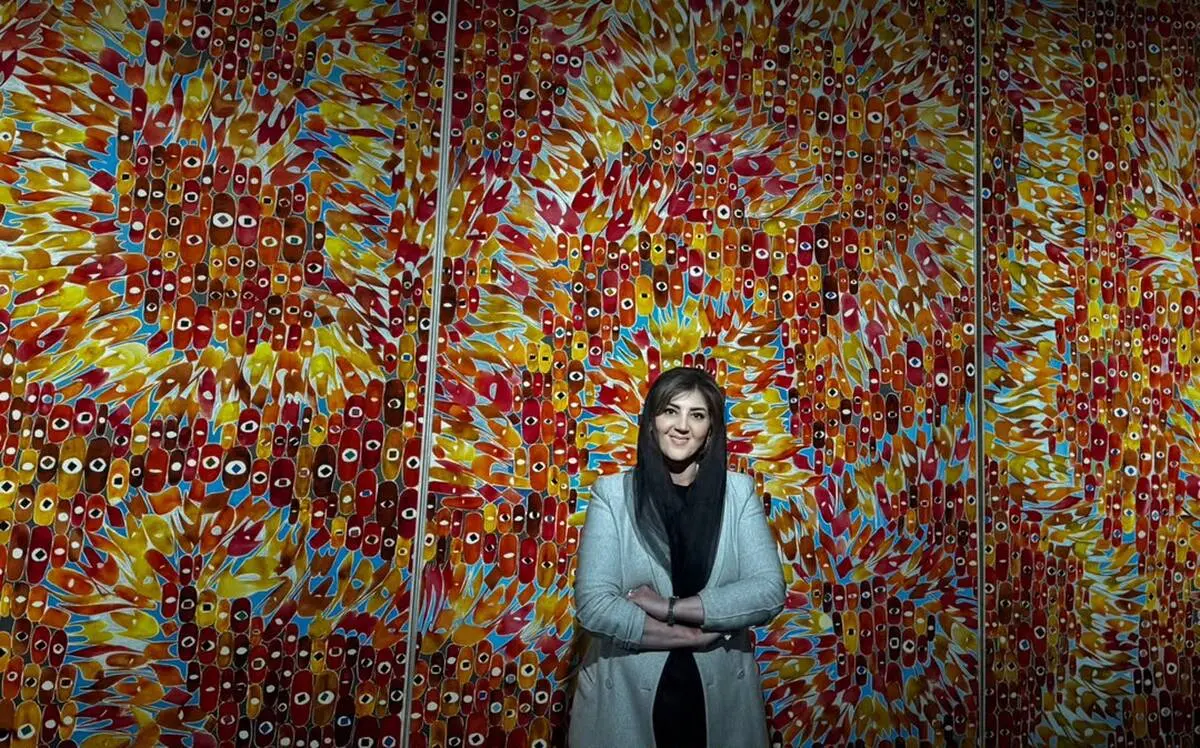
Zohreh Mehraban: The Wall Street-ification of Art and the Emergence of a New Era of Investment in Artworks
Zohreh Mehraban, Founder and Director of Maad Gallery, discusses emerging investment models, fractional ownership of masterpieces, and the expansion of art-backed banking facilities in the context of changes in the global art economy and the integration of artworks into financial markets. These developments are ushering the role of art into a new phase within the global investment system.
ArtDayMe :Referring to structural changes in the global art market, Zohreh Mehraban, Founder and Director of Maad Gallery, said that the expansion of financial instruments backed by cultural assets, the emergence of specialized art exchanges, and the entry of major banks into art-backed financing have created a new outlook for the art economy.
According to the gallery director, within this evolving structure, artworks can function as investment assets, become subject to shared ownership, and even serve as collateral for obtaining bank loans.
Zohreh Mehraban pointed to one of the most notable examples of art entering capital markets: the public offering of shares linked to Three Studies for a Portrait of George Dyer, a triptych by the renowned British painter Francis Bacon. Created in 1963, the work entered public trading in 2024 through the specialized art exchange ARTEX.
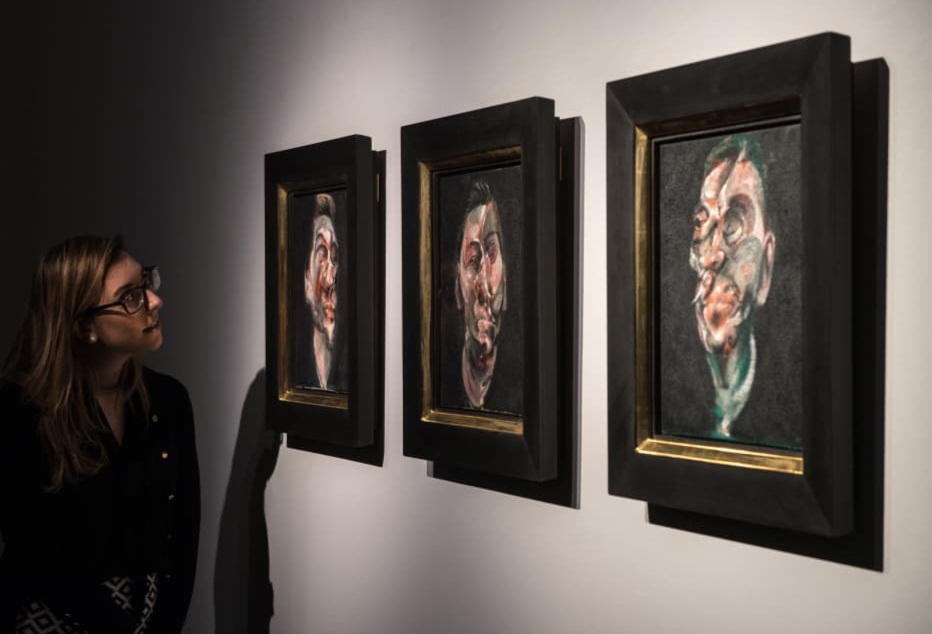
The founder of Maad Gallery in Tehran explained that the artwork was valued at approximately $55 million, with shares offered to investors at a nominal price of €100 each. This mechanism opened the door to financial participation for individuals who had previously found the purchase of an artwork of such value virtually inaccessible.
According to Mehraban, under this model, a Luxembourg-registered company holds legal ownership of the artwork, while shares in the company are offered through the ARTEX trading platform. The platform's collaboration with Euroclear, a reputable international securities settlement and custody infrastructure, has further strengthened the financial credibility of this structure.
Francis Bacon's work was also made accessible to the public through its presentation at the National Museum of History and Art of Luxembourg (MNHA), highlighting the connection between private investment and public access to significant works of art.
- Fractional Ownership of Artworks: A New Investment Opportunity in the Art Market
Continuing her analysis, Zohreh Mehraban explained the concept of Fractional Ownership, describing it as one of the emerging approaches to investment in high-value assets. Under this model, the value of an asset is divided into smaller units, allowing individuals with different levels of capital to participate in its economic ownership.
The Director of Maad Gallery noted that this approach has attracted attention in sectors such as real estate, collectible assets, and fine art. Within the art market, fractional ownership can broaden the investor base and enable a greater number of people to participate in the ownership of valuable artistic assets.
Mehraban added that the development of such models requires active secondary markets, transparent pricing mechanisms, and clearly defined investor rights.
The authenticity of an artwork, its provenance, physical condition, historical significance, the artist's standing, and the level of market demand are among the key factors influencing its valuation. Furthermore, maintenance, insurance, and ownership-transfer costs must be clearly specified within the framework of each investment scheme.
_ Zohreh Mehraban on the Role of Banks in Art-Backed Financing
In another part of her analysis, the Founder and Director of Maad Gallery addressed the expansion of banking services backed by art collections, stating that art-backed financing represents one of the most significant channels connecting the art market with the international financial system.
These services enable collectors to leverage the value of their artworks to secure the financial resources they need while retaining ownership of their collections.
Referring to Citibank's history in this field, Zohreh Mehraban said that Citibank was among the pioneers of specialized financial services related to art. In 1979, the bank established its Art Advisory service within its private banking division and subsequently expanded its art-backed lending services.
She explained that under the Art Lending model, paintings, sculptures, drawings, and photographs can be used as collateral for bank loans following expert examination, authentication, market valuation, and credit risk assessment.
According to the gallery director, banks and financial institutions consider several factors when determining the amount of credit to be extended, including an artwork's marketability in international markets, liquidity, the artist's reputation, the quality of ownership documentation, and maintenance costs.
The Director of Maad Gallery also emphasized that these services have considerable economic significance for collectors and business owners. Financing business expansion, acquiring new artworks, managing cash flow, and diversifying investment portfolios are among the principal applications of this financing model.
_ Blockchain Technology and Tokenization: A New Direction for the Art Economy
Zohreh Mehraban went on to examine the impact of emerging technologies on the ownership and trading structures of artworks, explaining that Real-World Asset Tokenization (RWA Tokenization) is one of the major developments at the intersection of technology and capital markets. It enables the registration and management of economic rights associated with assets through digital platforms.
The art exhibition curator added that artworks are among the asset classes for which the application of this technology is being explored. The digital registration of ownership information, authenticity documentation, transfer histories, and records relating to the preservation of artworks can help increase transparency and traceability in the art market.
Emphasizing the importance of trust in art transactions, Zohreh Mehraban stated that the credibility of documentation, authentication, and transparency in ownership records are fundamental components of the art economy. New technologies, provided they operate within reliable legal and operational frameworks, have the potential to strengthen the transactional infrastructure of this market.
She also referred to Deloitte's specialized Art & Finance reports, which in recent years have examined subjects including art-backed wealth management, financing art collections, loans secured against artworks, and emerging technologies.
_ The Role of Galleries in Developing the Art Economy and Investment Markets
Explaining the role of cultural institutions in developing the art market, the Founder of Maad Gallery said that establishing a professional art economy depends on cooperation among a range of institutions and specialists. Galleries, auction houses, independent experts, specialized media outlets, insurance companies, banks, art storage facilities, and trading platforms each constitute part of this market's value chain.
Zohreh Mehraban added that galleries contribute to the economic credibility of artworks by identifying and introducing artists, documenting their works, creating content, developing markets, building relationships with collectors, marketing artworks, and establishing a professional track record for artists.
Accurate information about the artist, the date of creation, authenticity, exhibition history, and ownership records also plays an important role in the expert examination and financial valuation of artworks.
Highlighting the potential of the Middle Eastern art market, the Director of Maad Gallery stated that the growth of private collecting, the increasing participation of galleries in international events, the development of cultural institutions, and expanding regional economic connections have created new opportunities for the emergence of professional art markets.
She identified the establishment of reliable databases of artists and artworks, the development of independent appraisal systems, the introduction of transparent valuation mechanisms, ownership registration, and the consistent presentation of artists through contemporary content production as essential requirements for the development of this market.
_ The Future of Art Investment: From Collecting to Global Financial Markets
Concluding her analysis of structural changes in the global art market, Zohreh Mehraban said that the art economy is moving towards a multilayered model in which direct art sales, fractional ownership, securities-based transactions, art-backed financing, and digital technologies coexist.
She noted that the development of these instruments could bring new groups of investors into the art market and create more diverse opportunities for economic participation. Realizing this potential, however, depends on the establishment of credible legal, financial, and professional appraisal infrastructures.
The Founder and Director of Maad Gallery concluded by emphasizing that the connection between artistic production, collecting, and investment is one of the important pathways for developing the art economy in the contemporary world. The more professionally cultural and economic institutions establish and manage this relationship, the greater the potential for artists to thrive, collecting practices to expand, and more sustainable art markets to emerge.
LEAVE A RELPY