
Dubai Design Week 2026 at d3: 300 Brands from 50 Countries Come Together in Dubai
Bringing together more than 50 countries, 300 international design brands and over 40 installations, Dubai Design Week returns to Dubai Design District for its 12th edition, transforming the city into a meeting point for contemporary design, cultural memory and new creative possibilities.
ArtDayMe : Dubai Design Week opened its 12th edition on 4 November 2026 at Dubai Design District (d3), bringing together designers, architects, artists and creative practitioners from around the world for a programme that explores the evolving relationship between design, culture and everyday life.
Held under the patronage of Her Highness Sheikha Latifa bint Mohammed bin Rashid Al Maktoum, Chairperson of Dubai Culture & Arts Authority, the 2026 edition features more than 40 installations, exhibitions, commissions and activations, alongside talks, workshops and public experiences. Participants from more than 50 countries contribute to a programme that reflects both the international reach of contemporary design and the growing influence of the region’s creative communities.
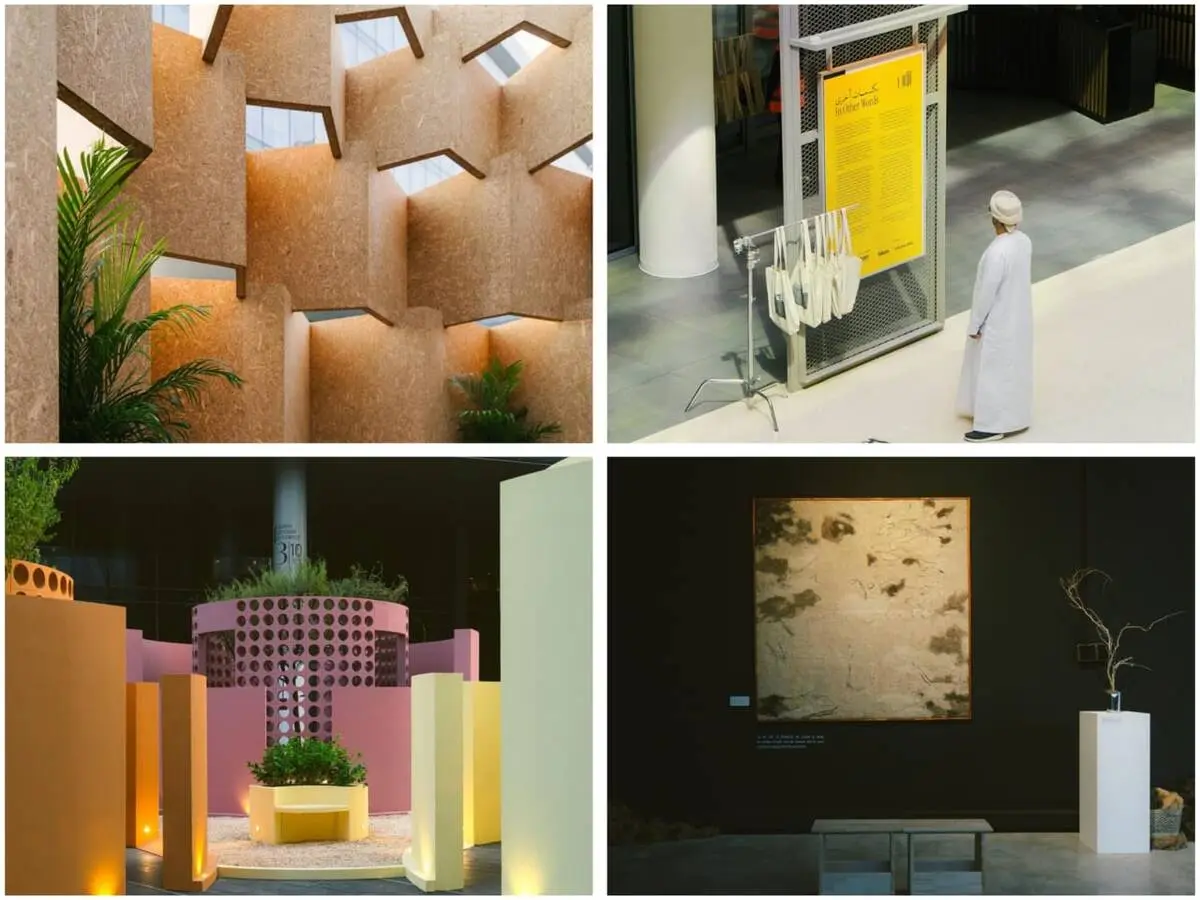
This year’s programme places particular emphasis on the relationship between cultural heritage and contemporary practice, examining how traditional knowledge, materials and collective memory can inform new approaches to architecture, product design and public space. From experimental installations and architectural interventions to emerging design practices, the festival considers design not simply as an aesthetic discipline, but as a means of shaping how people interact with their surroundings.
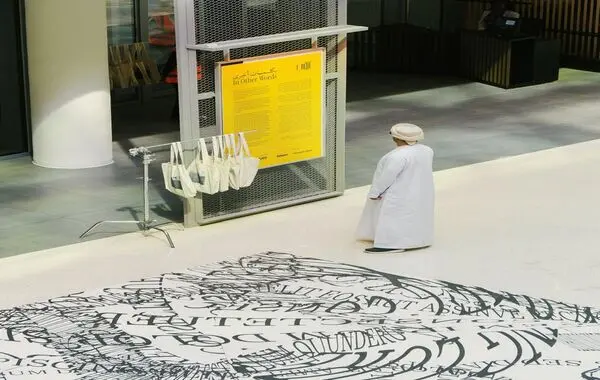
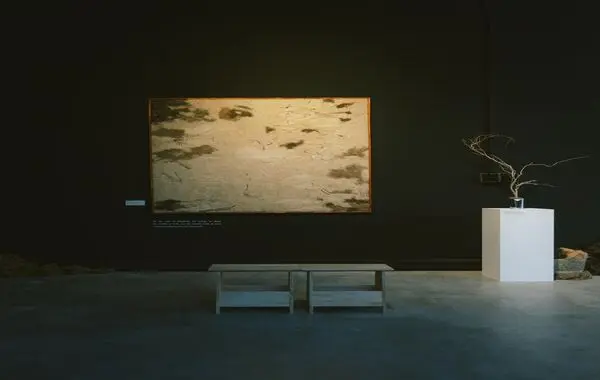
One of the central developments of this edition is the introduction of a new format for Abwab, Dubai Design Week’s commissioning programme supporting creative practitioners from West, South, Southeast and East Asia and Africa. Under the title In Other Words, the programme moves away from its traditional individual pavilion format for the first time, presenting five newly commissioned works within a shared indoor exhibition. The participating practices explore how language, material and spatial expression communicate knowledge, identity and memory.
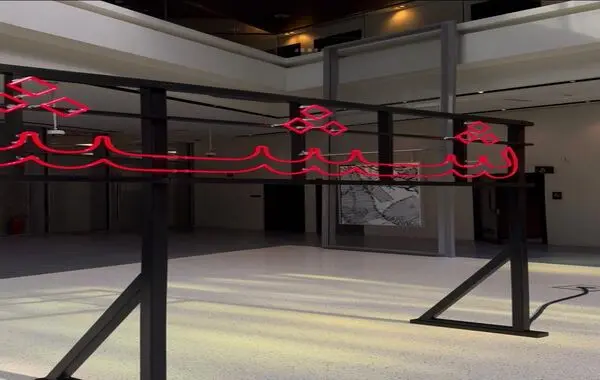
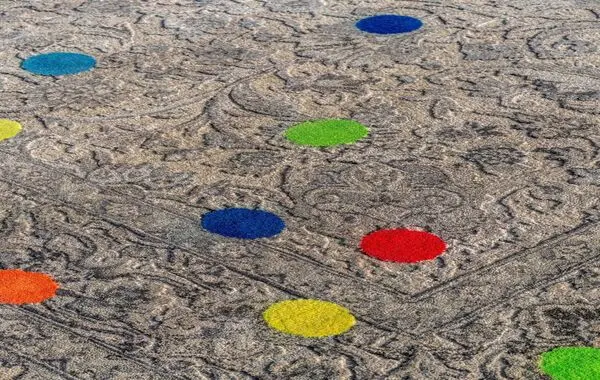
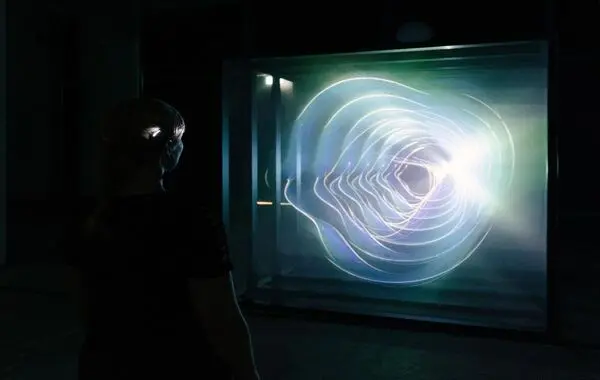
Among the featured works is Dalia Rafeh’s Shhhhhhhh, a seven-metre installation using red light to transform the Arabic letter ش into a visual expression of silence. Grace Shieh’s A Library of Paper Memories investigates handmade paper as a carrier of memory, while VARUSSI’s Taleem draws inspiration from the coded visual language of Kashmiri carpet and Kani shawl making. Other contributions by Kanaka Raghavan and UBIK examine the construction of letterforms and the shifting meanings of language through textiles and translation.
The relationship between tradition and contemporary design also takes centre stage at the UAE Designer Exhibition. Supported by Dubai Culture and conceived by architect and designer AlZaina Lootah, the exhibition presents 30 UAE-based creatives under the theme Inherited Futures. The works explore how traditional craftsmanship, regional customs, natural resources and everyday cultural rituals can be reinterpreted through contemporary design.
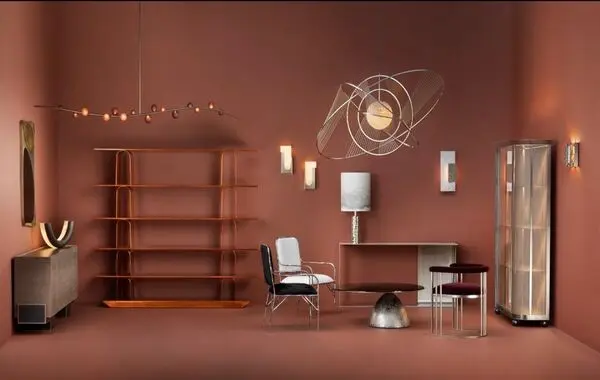
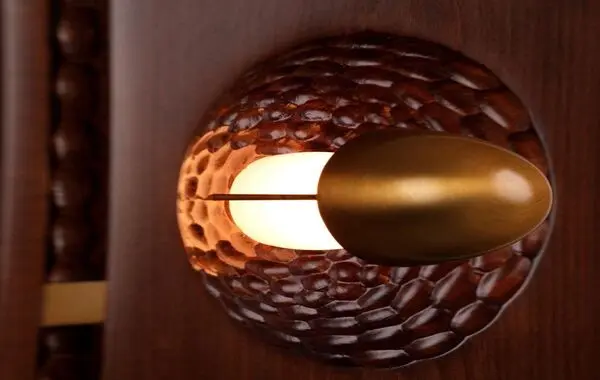
Furniture, lighting, textiles and objects demonstrate a range of material approaches, including agricultural waste, locally sourced clay and reclaimed wood. References to Arabic calligraphy, traditional dressmaking and the majlis reveal how cultural practices can become starting points for new forms of creative expression.
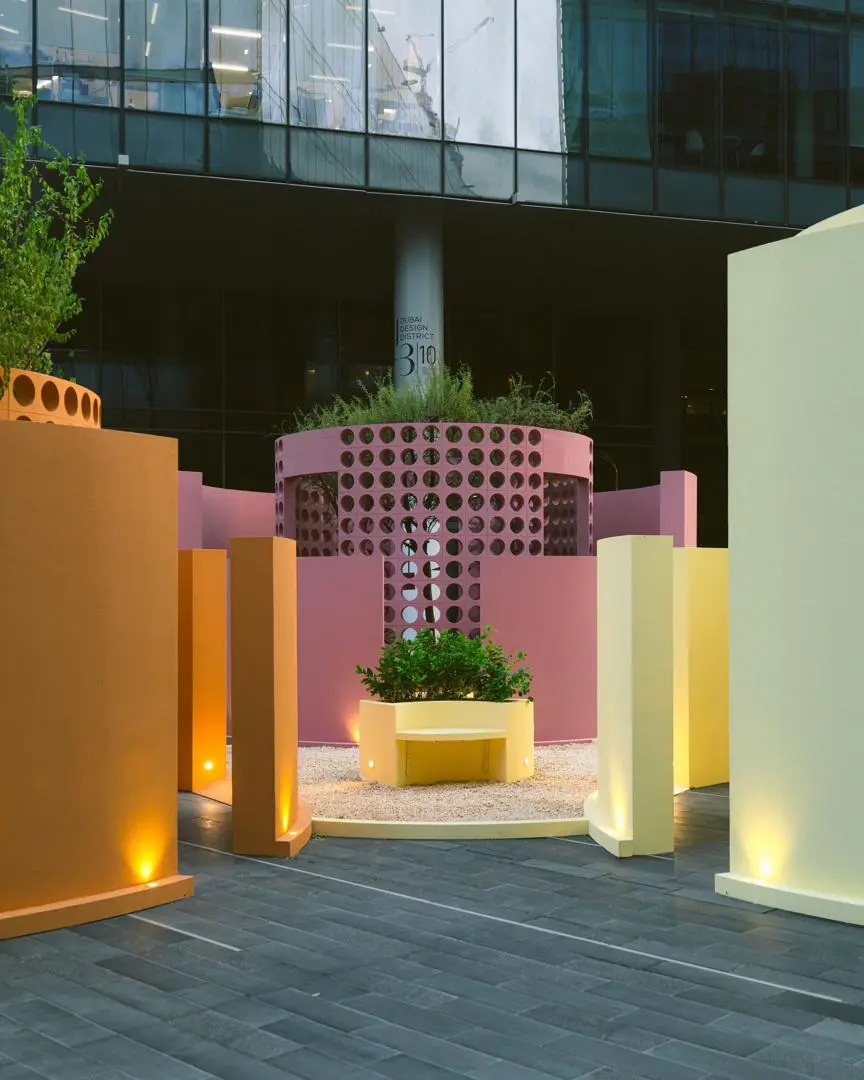
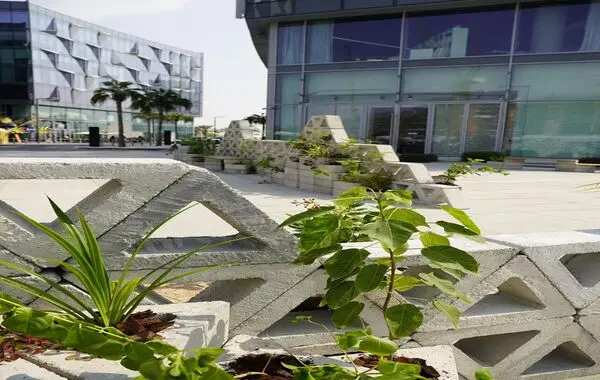
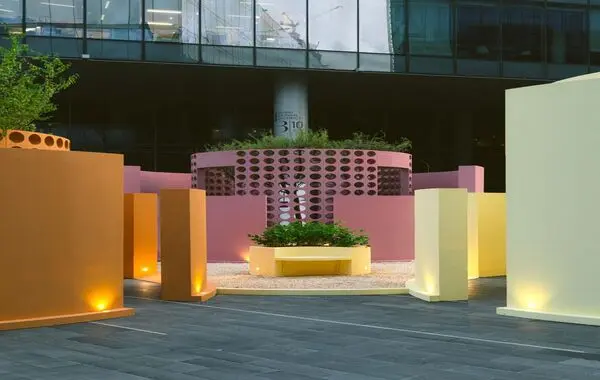
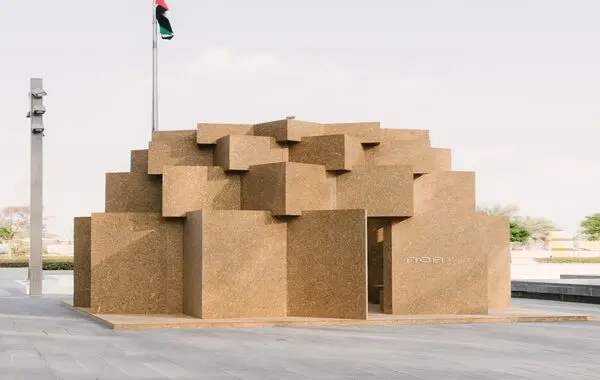
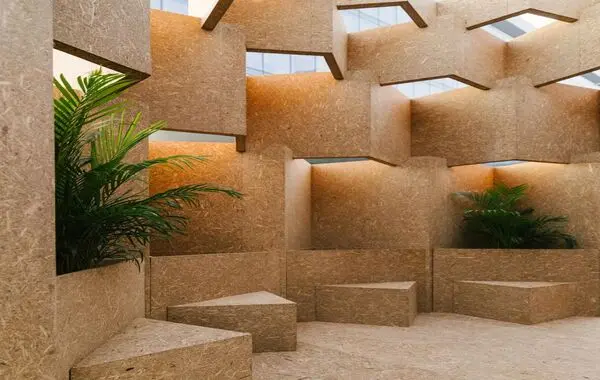
In the public realm, Urban Commissions 2026 explores the sensory and emotional dimensions of architecture through the theme Atmospheres. This year’s winning project, Three Gardens and a Room, by Dubai-based NAO Architects, founded by Reem Nassour, considers how planting, shade, light, temperature and materiality influence the experience of shared spaces.
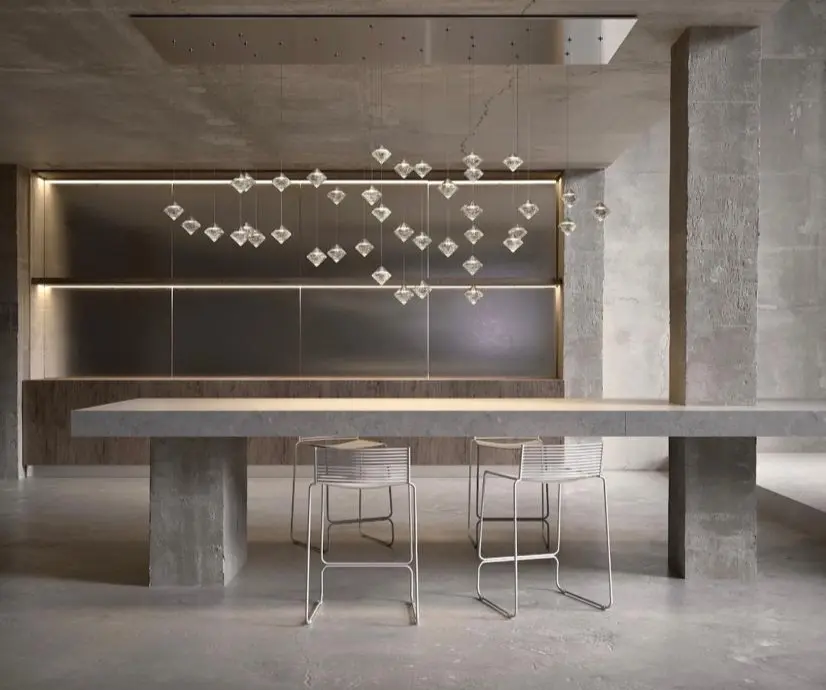
Organised around a central gathering area, the installation brings together three distinct gardens and a shared architectural room. Through the interplay of foliage, filtered light and different spatial conditions, the project investigates how relatively simple architectural elements can create environments that encourage interaction, rest and connection.
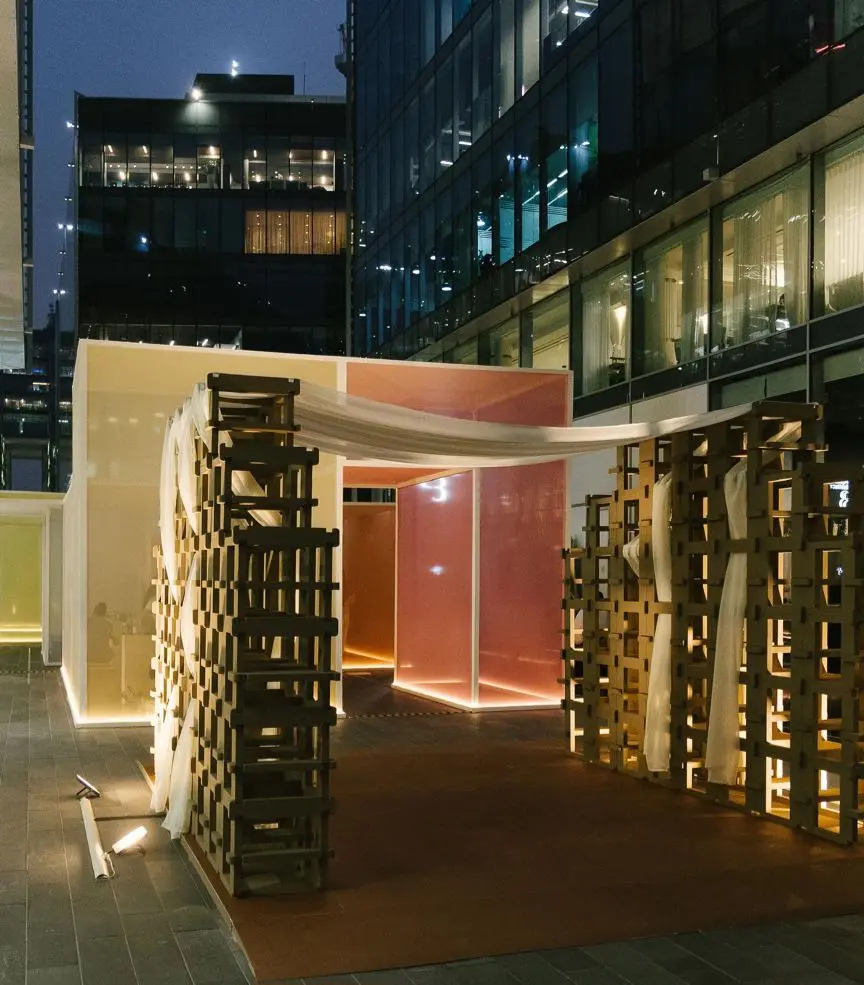
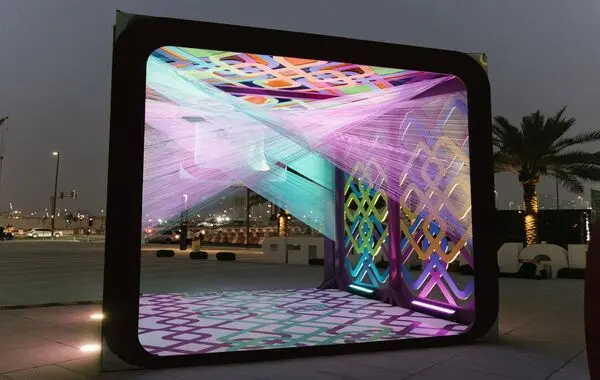
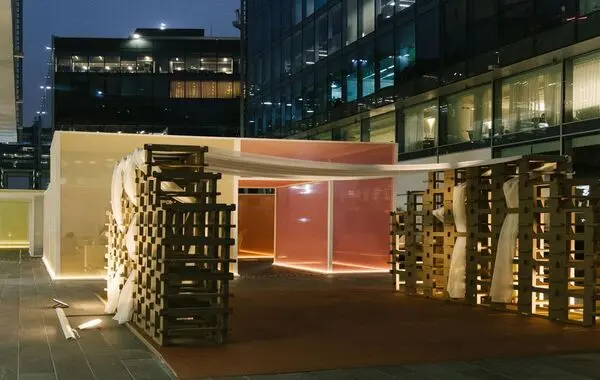
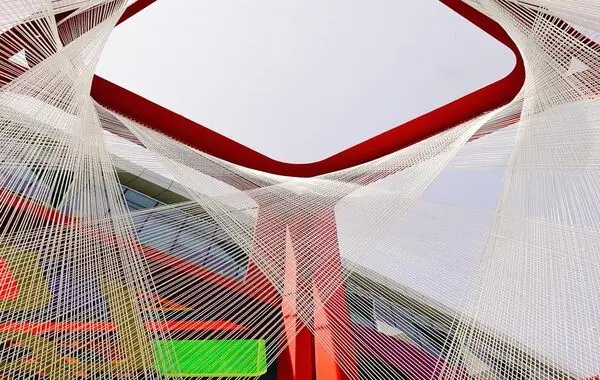
Beyond the commissioned works, more than 25 installations transform Dubai Design District into an open-air gallery. International and regional architecture practices explore subjects ranging from environmental responsibility and collective identity to cultural memory and the future of public space.
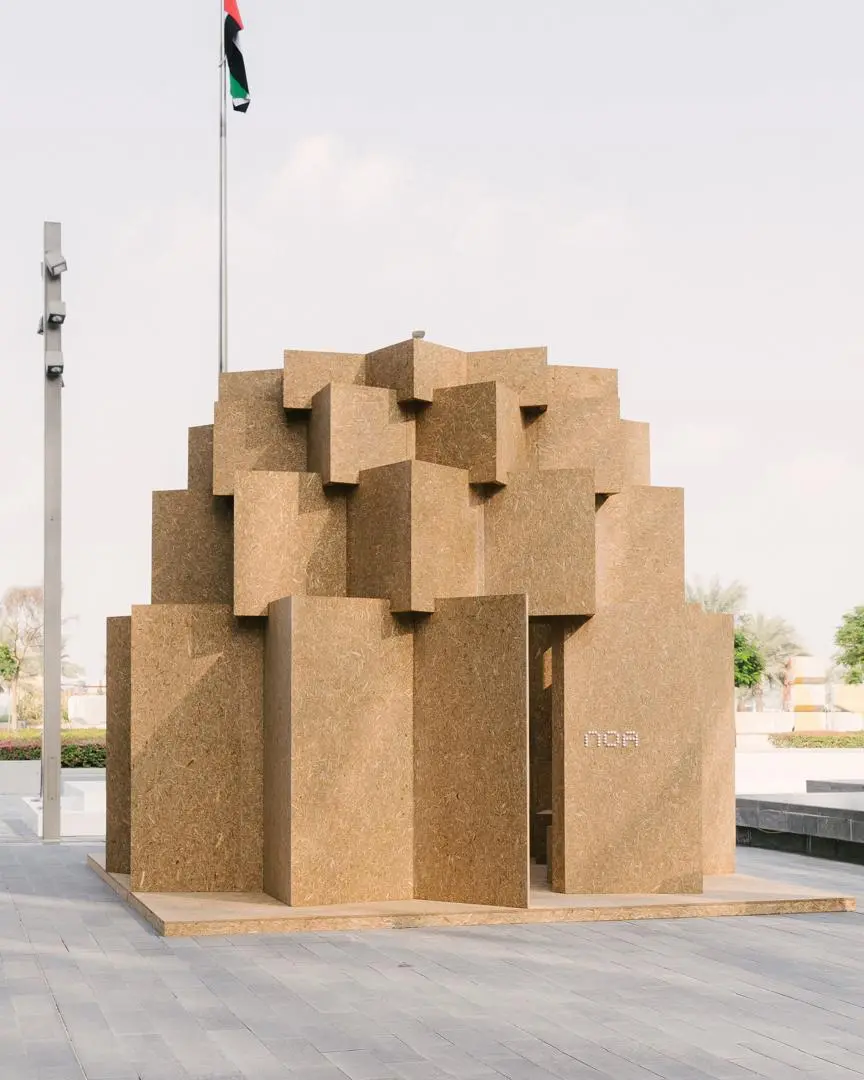
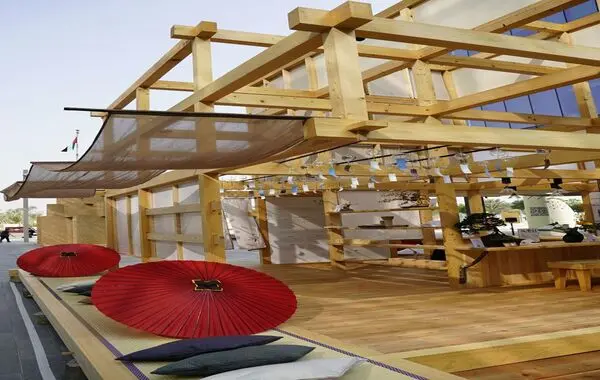
Highlights include CHATAI 2.0 by Japanese practice Nikken Sekkei in collaboration with SOBOKUYA, Peek, Pivot, Play! by US-based Arquitectonica, and The Pleated Garden by Nordic Office Architects. Regional contributions include Resonance by Kart Group, which reimagines the Ghaf tree as a setting for sound and gathering, and In Between What Was and What Will Be by ae studio, exploring resilience, memory and reconstruction through an architectural structure.
The programme also features projects addressing sustainability, accessibility and material innovation. Taqleem by Rasha Saffarini investigates the potential of discarded palm fronds in contemporary construction, while A Seat at the Table, developed by Dubai Holding Entertainment in collaboration with Canadian University Dubai, ImInclusive and Rumett, offers a multisensory experience celebrating the creativity and perspectives of People of Determination.
Downtown Design: An International Platform for Contemporary Design
Running alongside the festival, Downtown Design, the Middle East’s leading fair for high-quality contemporary design, opens with more than 300 brands and designers from over 35 countries.
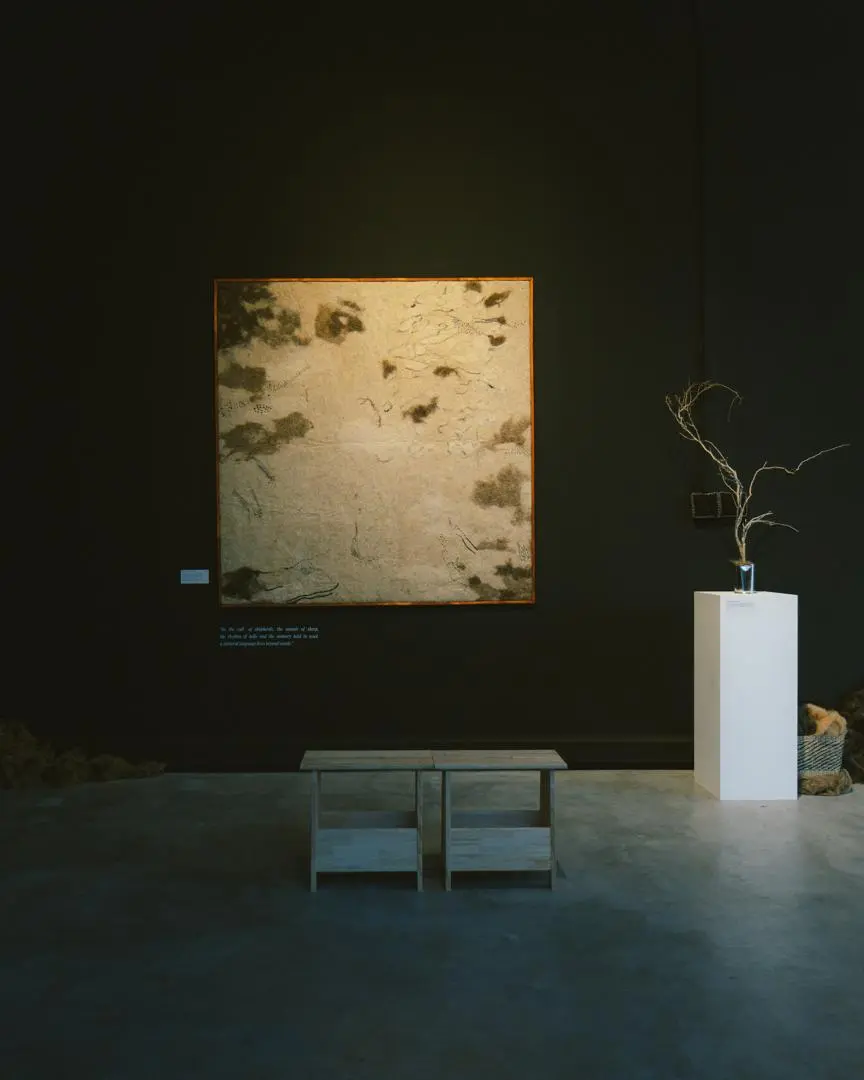
The fair presents new collections from established international names, alongside regional studios and emerging creative practices. Participants include Gaggenau, Kohler, Venini, Ethimo, Lasvit, Jaipur Rugs, Porada and Maison Pouenat, as well as large-scale presentations by HMA Living by Alshamsi, Caspaiou, the Italian Trade Agency and IF HUB.
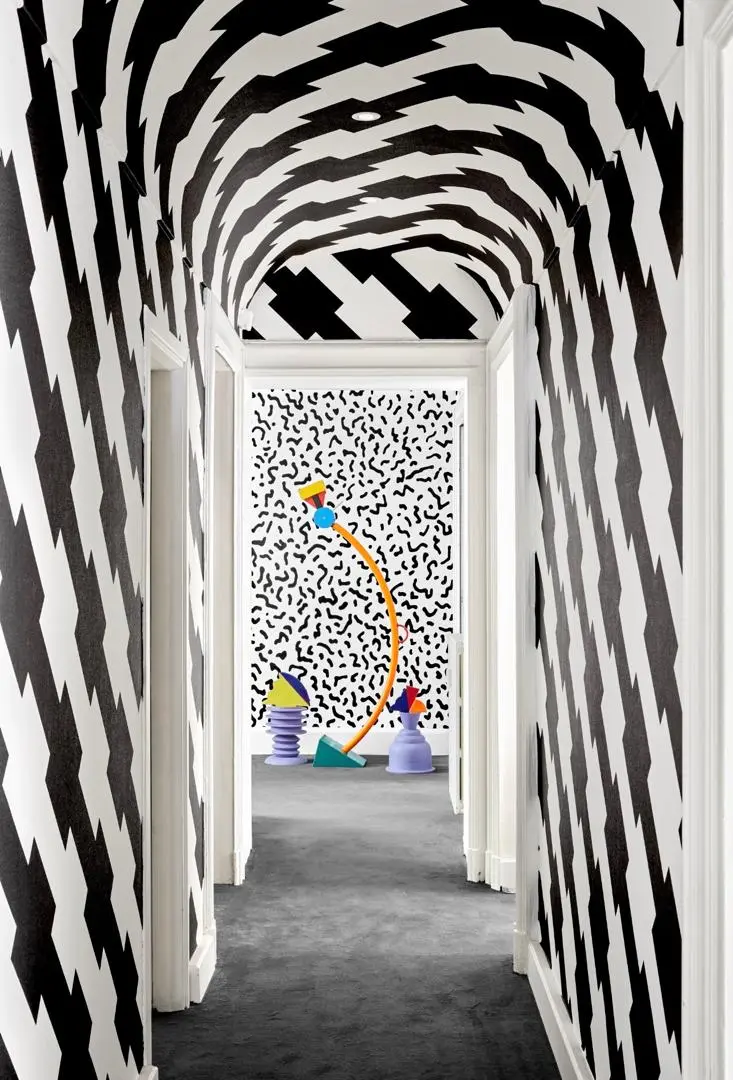
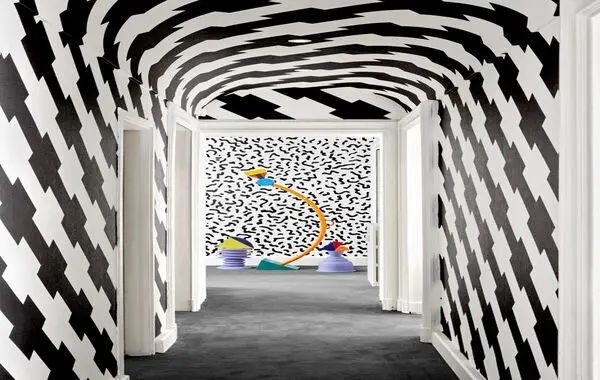
Special collaborations further expand the programme’s relationship with art, fashion and design. HMA Living presents a dedicated exhibition of Memphis Milano, featuring iconic works by Ettore Sottsass and other defining pieces from the movement. Italian Maison Buccellati collaborates with British artist and designer Luke Edward Hall on Aquae Mirabiles, while British-Nigerian artist Yinka Ilori designs the Clicquot Café under the theme Chasing the Sun.
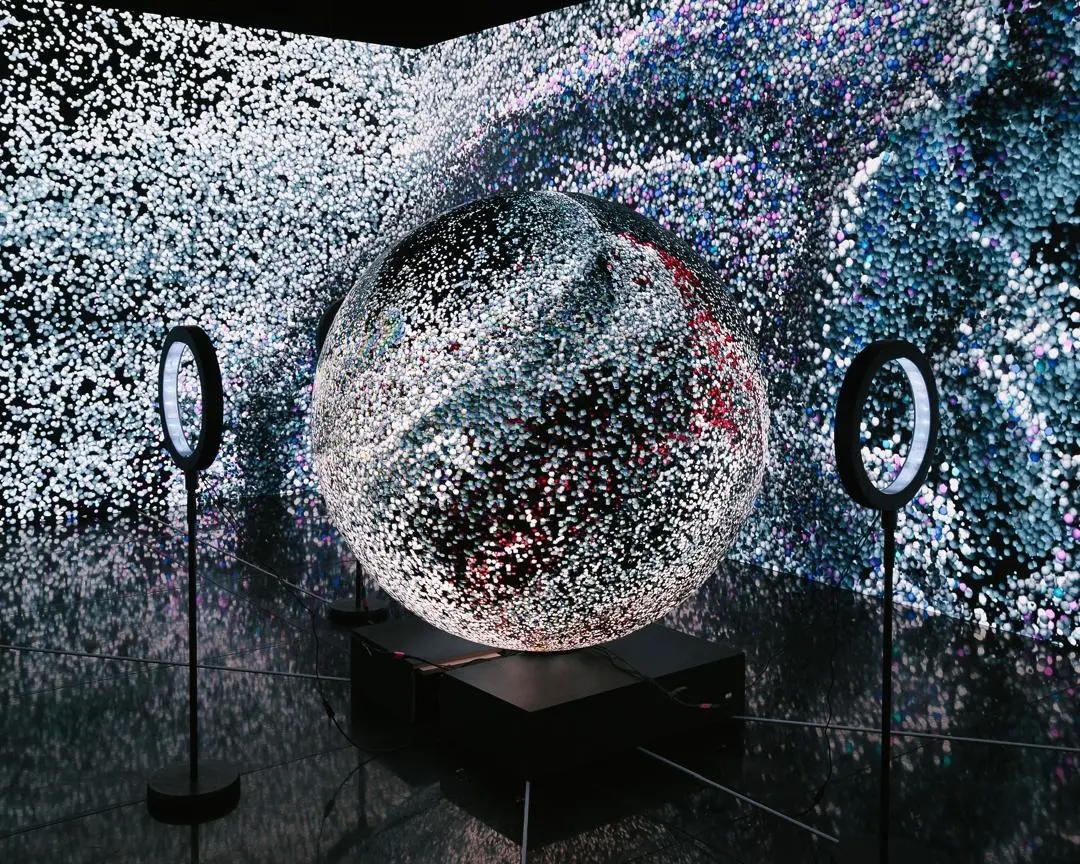
Regional participation remains an important part of the fair. Tashkeel’s Tanween Design Programme presents works by emerging UAE-based designers, while the Athath Fellowship by MAKE in Abu Dhabi showcases furniture prototypes developed by its 2026 cohort. Iwan Maktabi also presents new works by UAE-based designers Nadine Kanso and Omar Al Gurg, drawing on Arabic calligraphy, cultural symbolism and memories of the traditional majlis.
Conversations on the Future of Design
Discussion and knowledge exchange form another important dimension of this year’s edition. The Forum at Downtown Design brings together more than 30 international and regional practitioners for keynote presentations and panel discussions addressing craftsmanship, materiality, innovation and the changing needs of the built environment.
Among the speakers are French interior architect Tristan Auer, currently leading the restoration of the Burj Al Arab, British interior designer Katharine Pooley and Laura Kohler. Their contributions explore the relationship between heritage, contemporary living and the evolving possibilities of design.
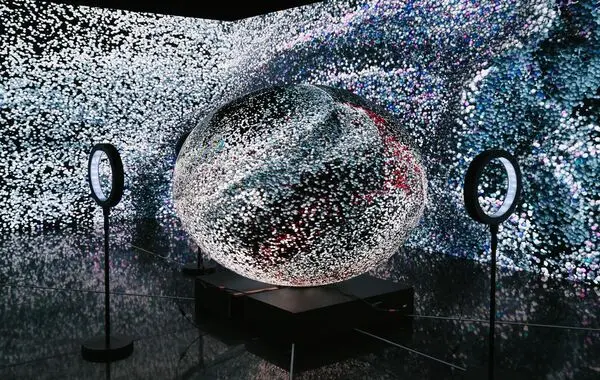
Elsewhere, exhibitions examine the intersection of technology, architecture and human experience. Woods Bagot presents Worlds Ahead: 25 Years of Design, Place and Impact in the Middle East, reflecting on the practice’s regional presence and exploring the future of architecture through artificial intelligence, robotics and sustainability.
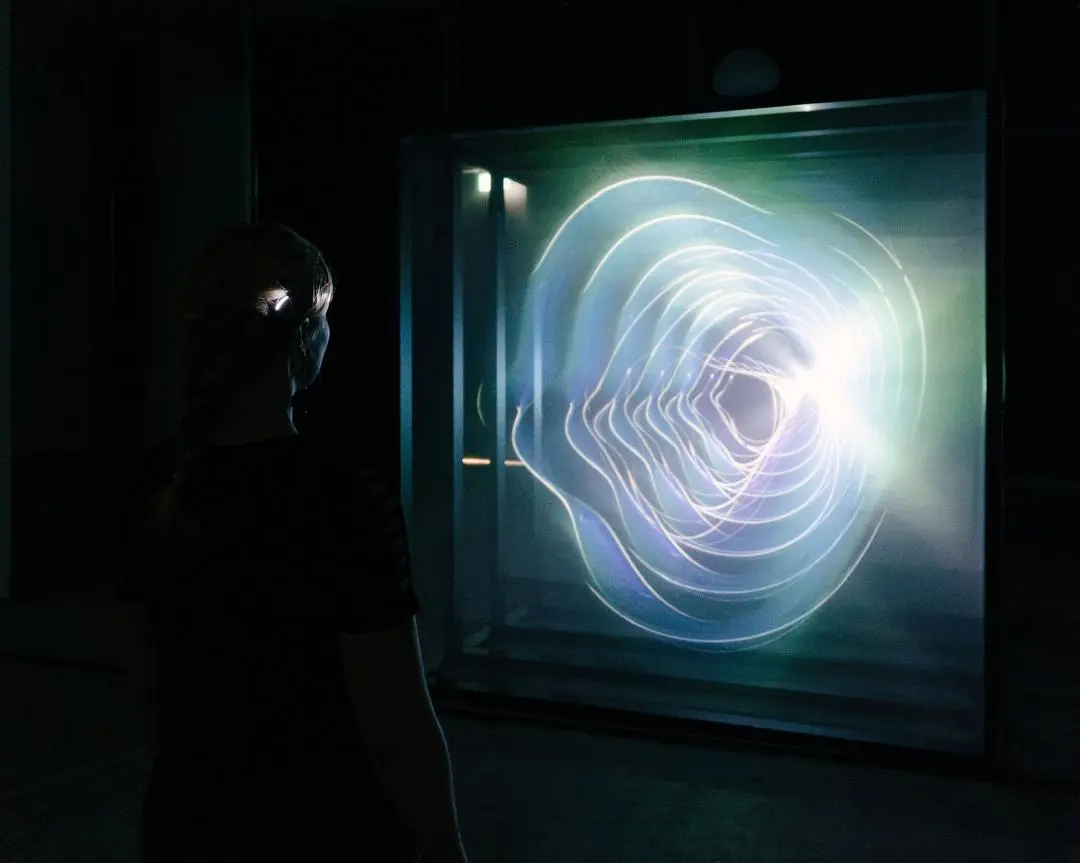
The Dubai Institute of Design and Innovation (DIDI) contributes What remains human?, an exhibition examining the decisions designers face in an increasingly technology-driven world through five themes: Feel, Remember, Choose, Connect and Care.
Making Design Accessible
Public participation remains central to Dubai Design Week’s identity. The Maker Space, made by MillerKnoll, returns with more than 50 workshops and creative sessions led by designers, artists, educators and industry professionals.
Spanning ceramics, photography, typography, textiles and product design, the workshops invite visitors of different ages and experience levels to engage directly with creative processes. Highlights include Grace Shieh’s papermaking sessions, risograph printing workshops by Tashkeel, pinhole photography and cyanotype sessions by Analog The Room, and Atmosphere of the Stitch by Tatreez Therapy.
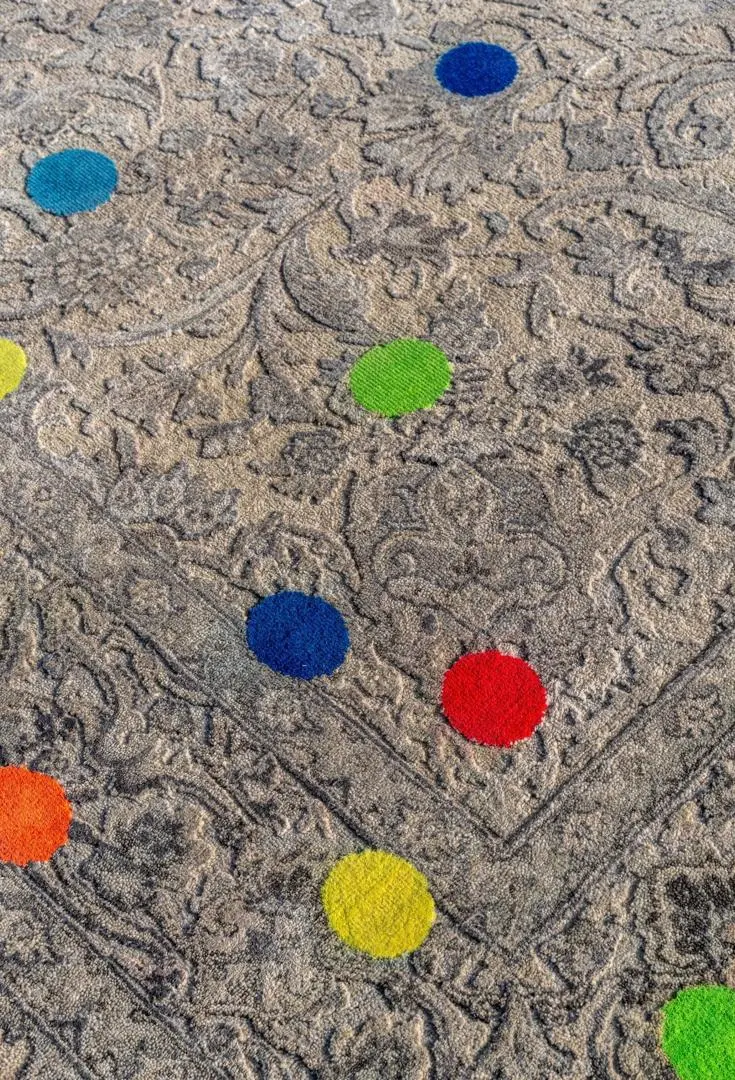
The Dubai Design Week Marketplace, taking place on 7 and 8 November, will further extend this engagement through a curated outdoor retail experience featuring more than 80 independent makers, artisans and creative businesses from the UAE and wider region.
Across its 2026 programme, Dubai Design Week reflects a creative landscape increasingly interested in the connections between local identity and global design conversations. Its emphasis on traditional knowledge, material experimentation, environmental awareness and public participation suggests a broader understanding of design as a cultural practice that extends beyond objects and interiors into the spaces, relationships and experiences that shape everyday life.
LEAVE A RELPY