Search Result : Raha Gallery Collection

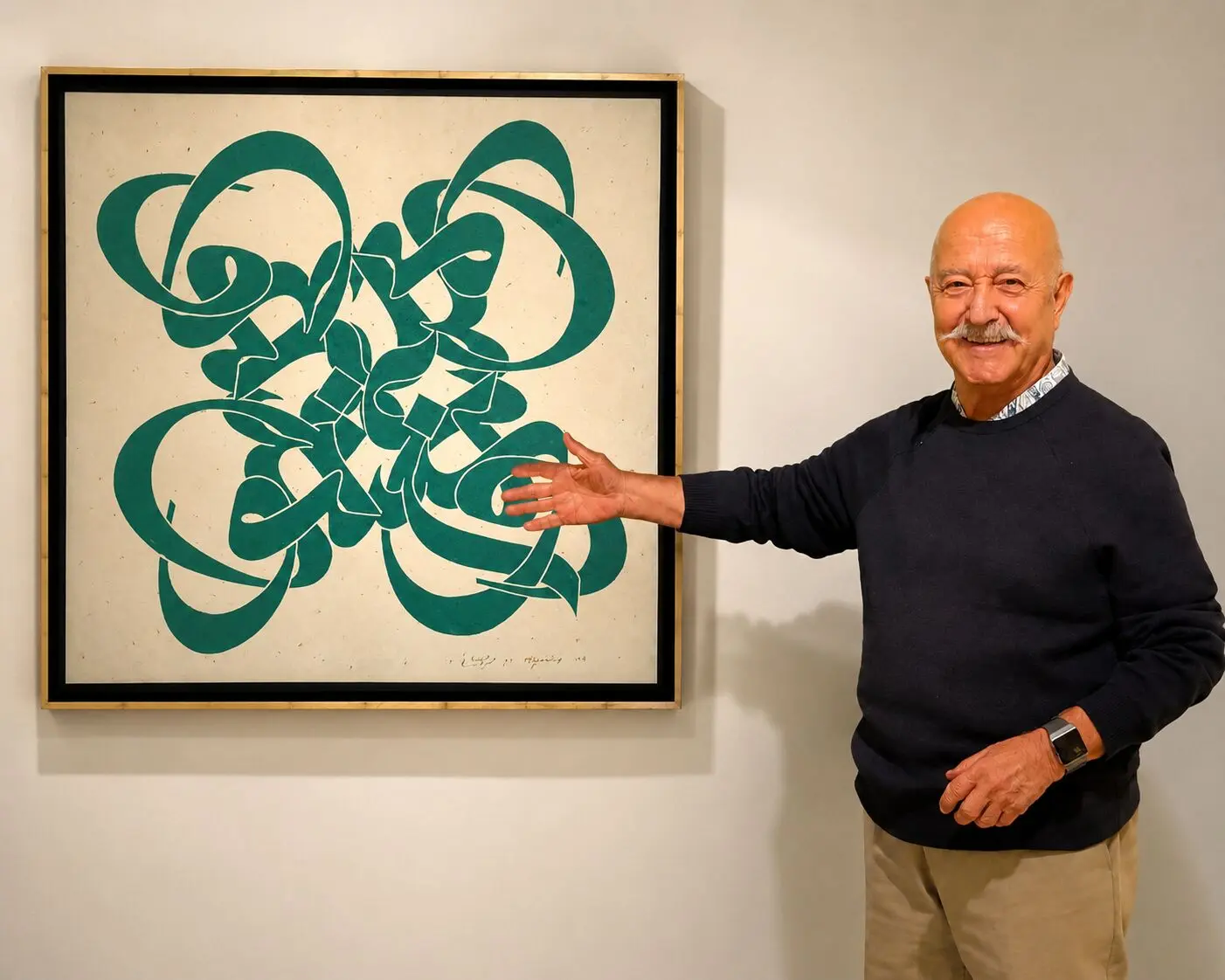
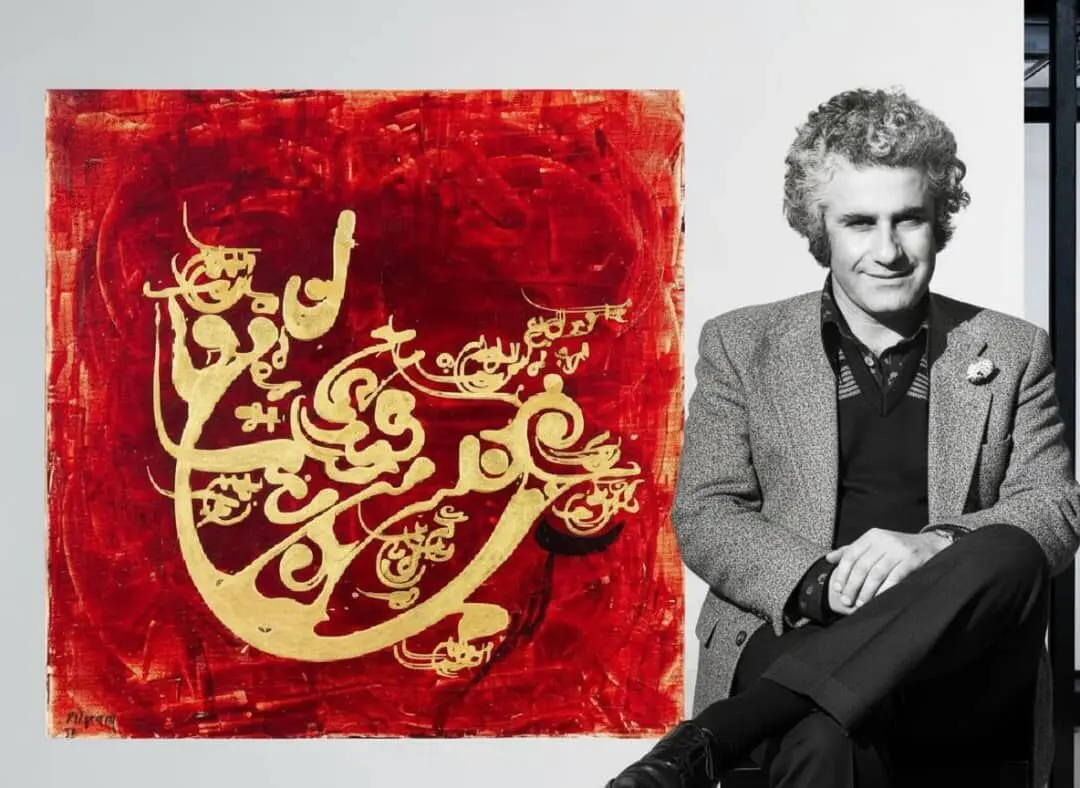
  • This painting by the late master Faramarz Pilaram is a rare example of the fusion of script, color, rhythm, texture, and ritual in modern Iranian art. It demonstrates how Pilaram transformed the language of calligraphy into a painterly one—a language neither textual nor purely abstract, but one that preserves Iran’s cultural memory within the framework of modernism.

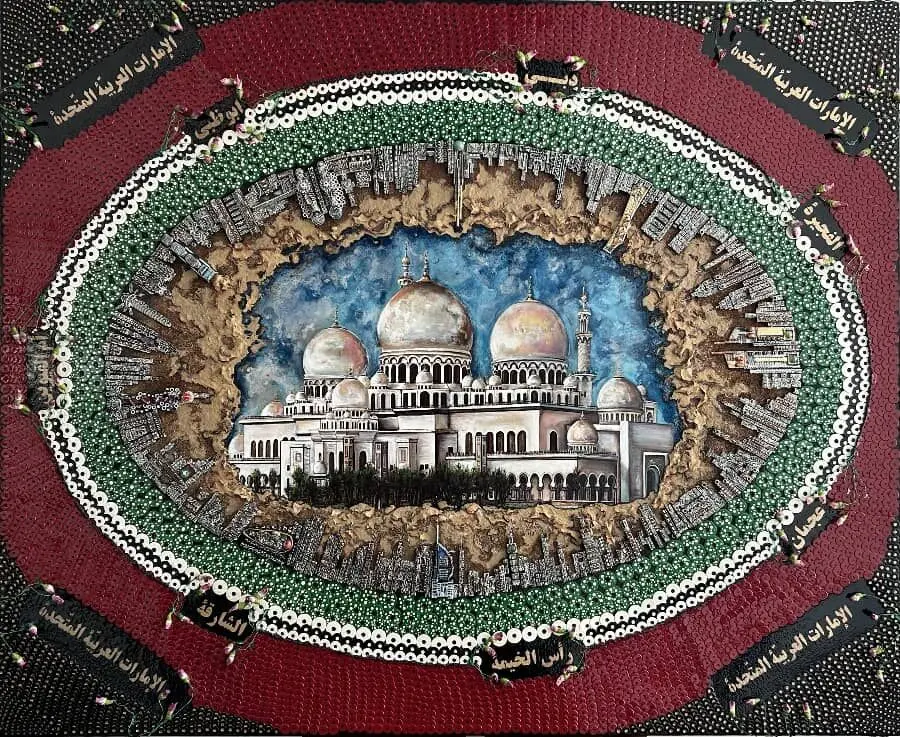
  • The fusion of the Abu Dhabi mosque (tradition) with the towers (modernity) re-creates a visual discourse of Emirati identity—an identity rising from the earth and reaching toward the sky. Bita Vakili’s painting, housed in the Raha Gallery Middle East Collection, illustrates that today’s UAE is the result of the coexistence of tradition and technology, faith and development, Islamic architecture and global innovation—a nation looking toward the future while never forgetting its roots. Beyond…

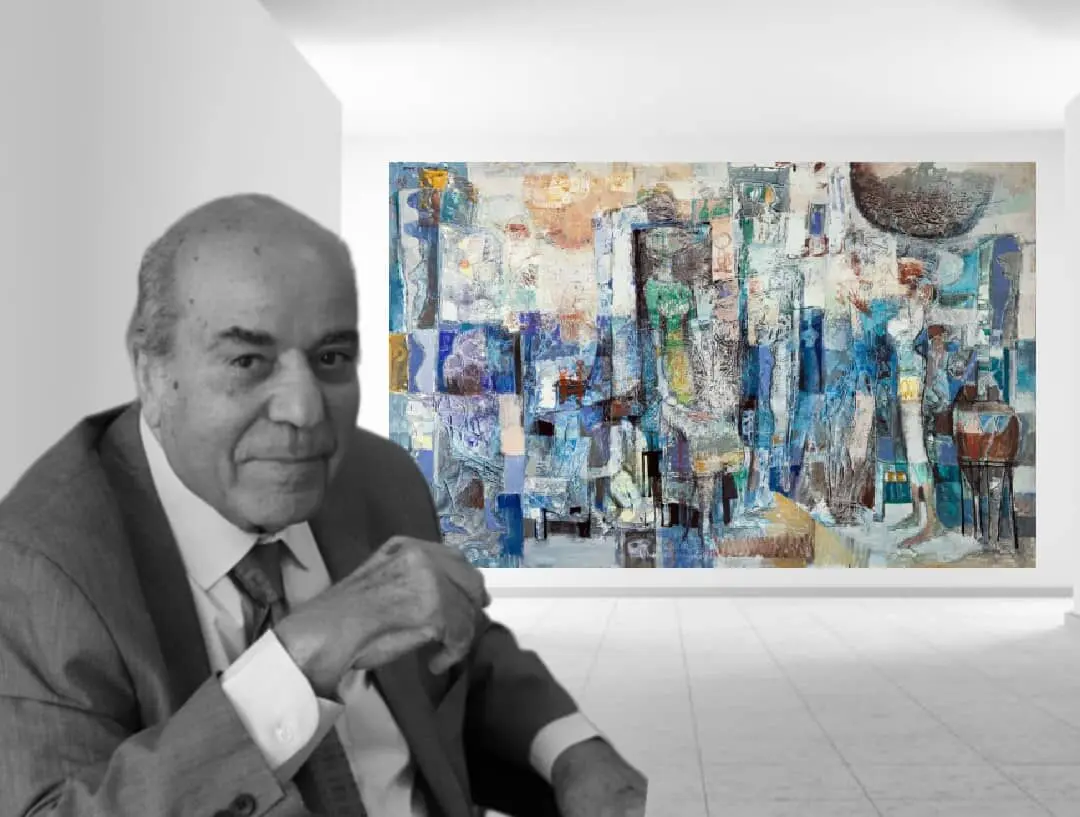
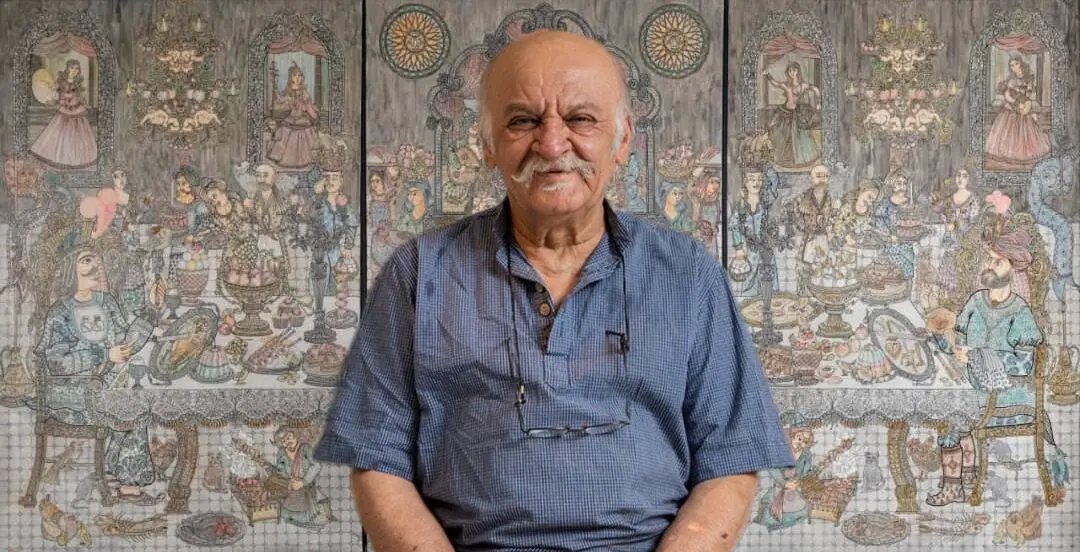
  • On the occasion of the 88th birthday of Master Ali Akbar Sadeghi, we revisit one of his magnificent triptychs, preserved today in the Raha Gallery Middle East Collection. This dazzling three-panel painting is not merely a banquet scene; it is a distilled vision of Sadeghi’s reflections on humanity, history, and social rituals. In Sadeghi’s world, celebration is always intertwined with a profound question: Is this a feast of being—or a feast of pretending? It is this very duality that…

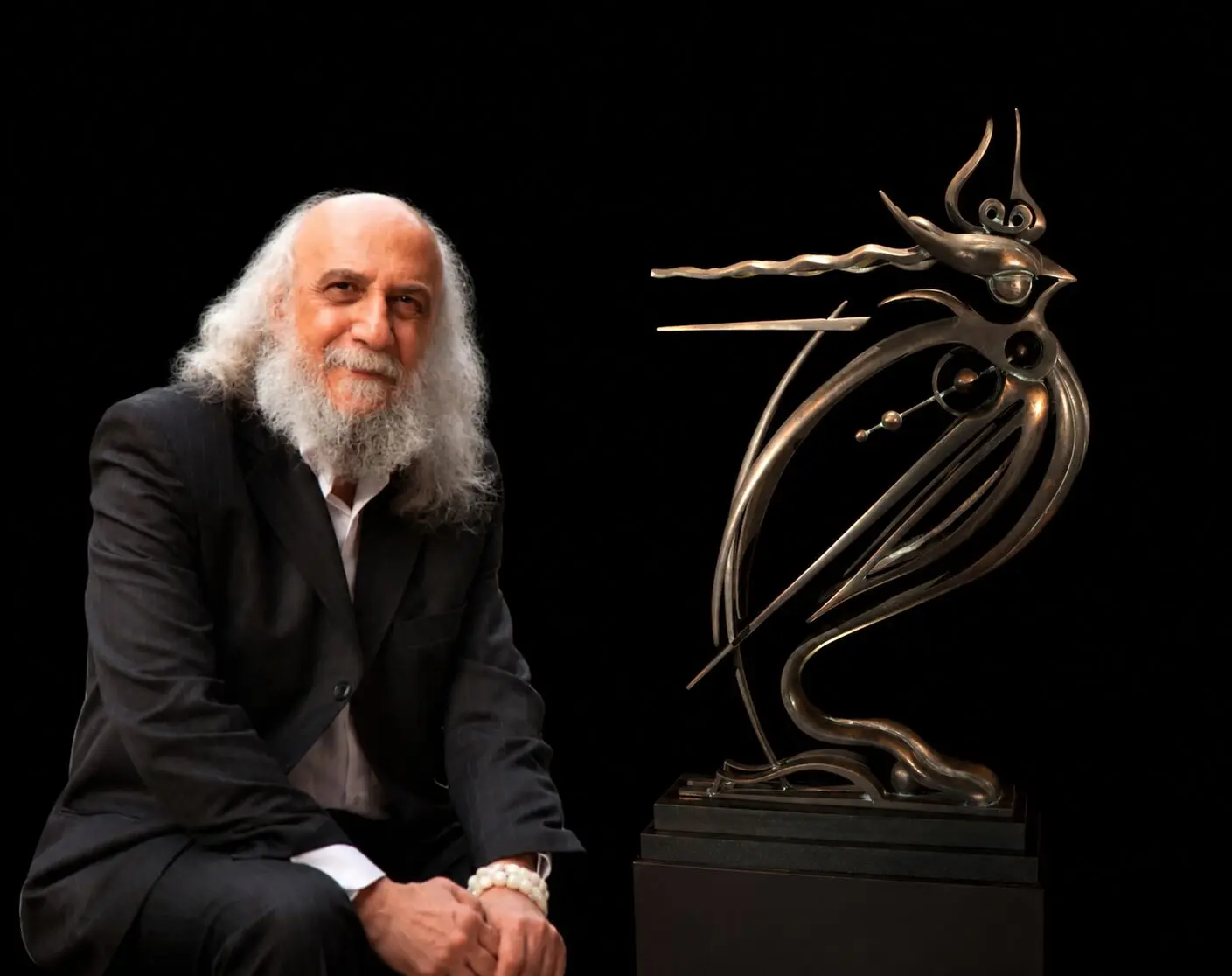
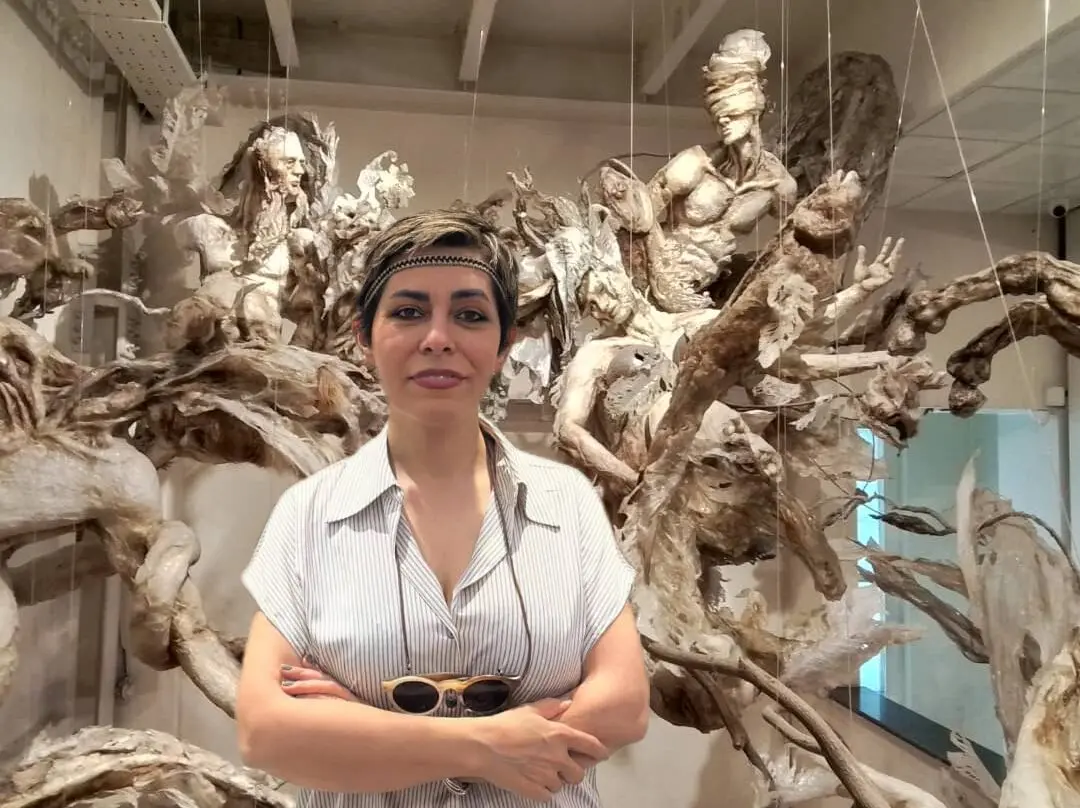
  • The sculpture Vohuman occupies the uppermost position in the vast and astonishing installation Bundahishn—placed precisely above the figure of Ahura Mazda. It is not merely one among the 82 sculptures constituting the work; it bears a distinct philosophical reading: a figure with closed eyes, holding a fish to its chest. Fallahi’s Vohuman is the wounded guardian of life—an entity that, in a chaotic world, brings forth good thoughts not by force, but through an embrace.

  • Wahed Khakdan, the distinguished Iranian painter, passed away a few days ago, on October 23, at the age of 75. In tribute to this eminent artist, we examine one of his remarkable and thought-provoking works preserved in the Raha Gallery Middle East Collection — a seminal painting in which Khakdan, the master painter, creates a poetic and melancholic dialogue between childhood and violence, between beauty and destruction. Each component of the painting carries a visual memory that, when…

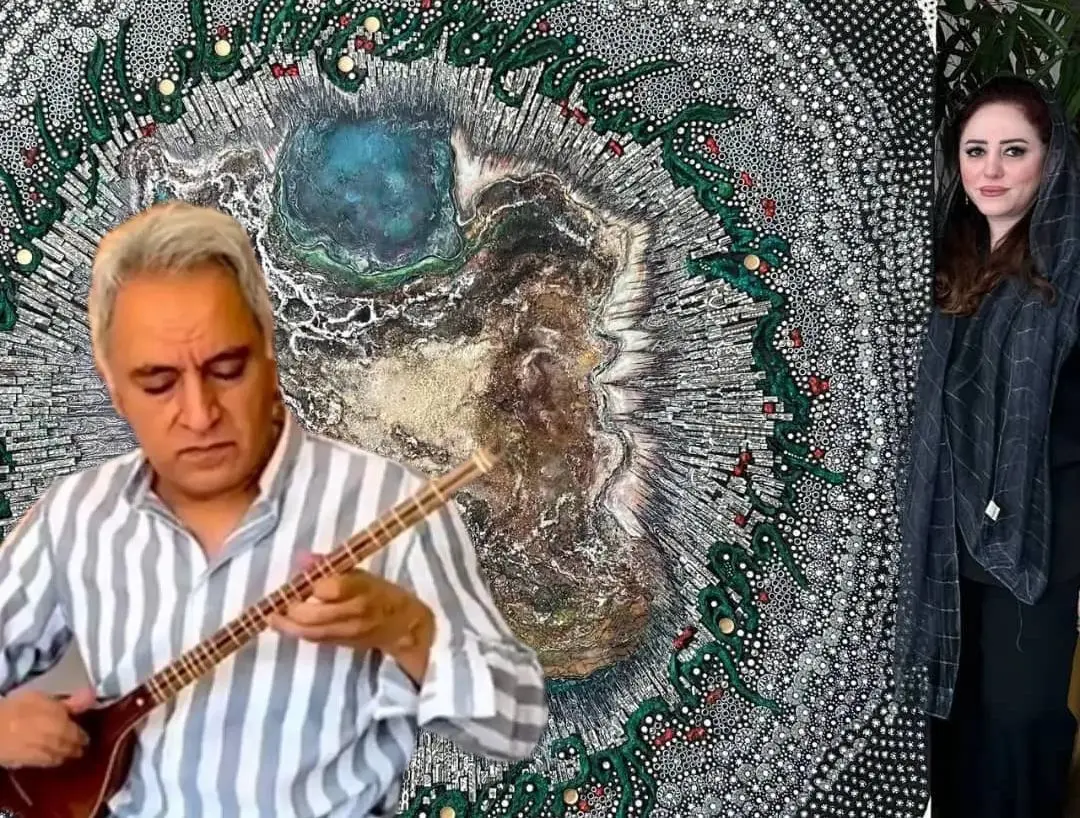
  • This painting by Bita Vakili, accompanied by an original composition and lyrics, reinterprets national identity through a contemporary, multimedia perspective. Combining material science, cartography, and conceptual art, Vakili portrays Iran not as a geographical territory but as a living, dynamic, and multilayered being. In her vision, metals flow like the veins of civilization through the body of the earth, and every washer and bolt carries traces of labor, endurance, and history. Here,…

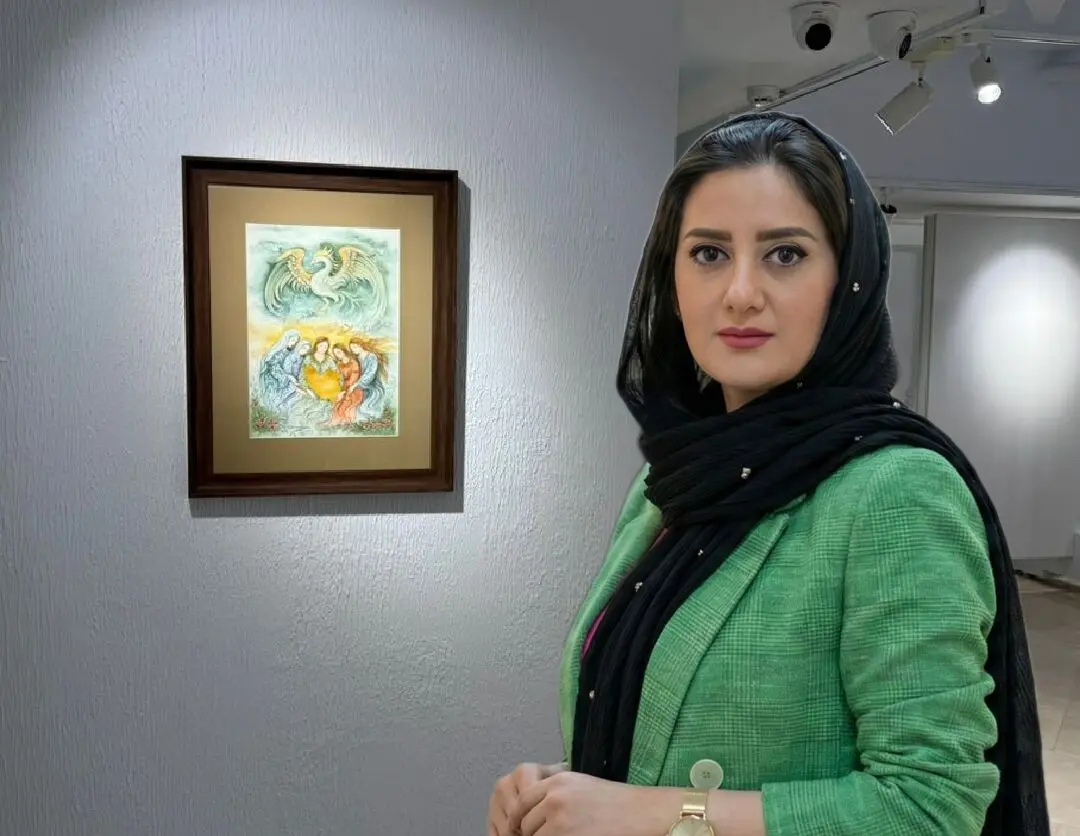
  • This painting is a remarkable example of the enduring tradition of Persian miniature painting in the modern era—an artwork that poetically and vividly reimagines Iran’s epic and mythological past through a precise and expressive visual language. While remaining faithful to classical forms, Zaviyeh infused the work with his own rhythm, palette, and composition, creating a piece that is both a reflection of history and a mirror of the Iranian aesthetic spirit.

  • The traces of goats on the painted ceramics of ancient Susa find their way into the gazelles of Persian poetry and Iranian miniature in this painting, which has endured for more than half a century. The fusion of the “mythical animal” with “geometric abstraction” embodies a quest for identity—one that remains distinctly Eastern and Iranian, yet resonates in dialogue with international modern art.

  • The 53-year-old work Variation Tendre Tourmaline by Hossein Zenderoudi bears a French title meaning “Tender Tourmaline,” a poetic reference to a semi-precious stone. The name infuses the composition with a sense of preciousness and delicacy, enhancing the gem-like quality of its calligraphic lines. The painting is a visual–spiritual experience: letters swirl like particles of energy, inviting viewers to contemplate both meaning and form.

  • Massoud Arabshahi, the eminent Iranian painter, was born on September 10, 1935, and passed away on September 16, 2019. On the occasion of his birthday, we revisit one of his remarkable works housed in the Raha Gallery Collection. This painting stands as a clear example of Arabshahi’s enduring approach to mythic abstraction. Throughout his career, such works reflected his lifelong concern with reimagining the visual language of ancient Iran in a contemporary form. In terms of both scale and…