
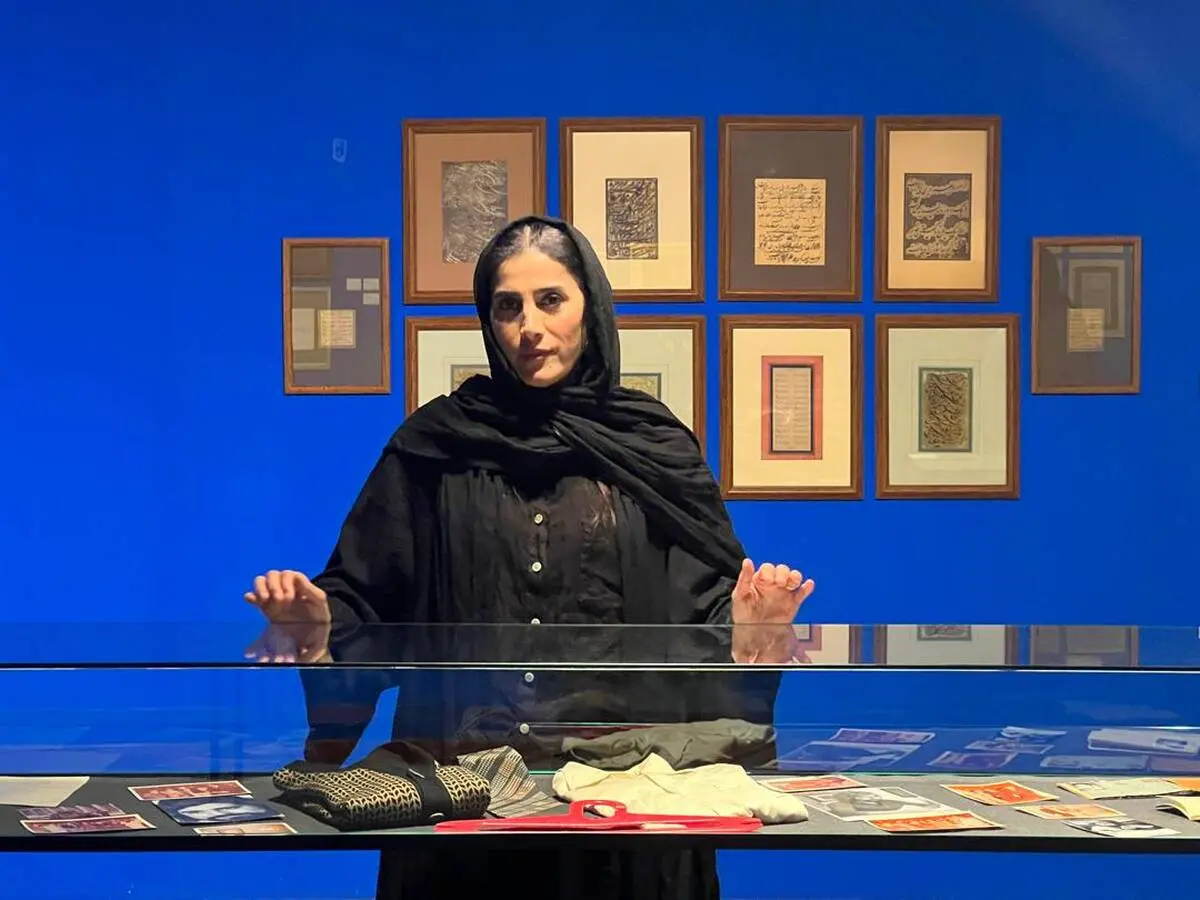
Mahboubeh Kazemi, Reza Mafi and the Tehran Museum of Contemporary Art: A New Reading of the Artist as a Human Being
Reza Mafi lived for only 39 years, yet within that short life, his unique innovation and genius brought about one of the most significant and fundamental transformations in contemporary Iranian calligraphy and calligraphic painting. Mahboubeh Kazemi, founder and director of Taraneh Baran Gallery, offered a fresh perspective on Mafi and his work through the curation of a research-based exhibition at the Tehran Museum of Contemporary Art.
ArtDayMe : Sometimes an exhibition becomes something far greater than a presentation of artworks. The arrangement of works and diverse objects on a museum’s walls can serve as an opportunity to recall something beyond art itself: an artist, a historical period, an intellectual vision obscured by the passage of time, and even a society’s failure to safeguard its cultural heritage. It can also remind us of a present generation that lacks sufficient awareness of its own past.
The research-based art exhibition A Selection of Works by Reza Mafi [November 26, 1943–September 26, 1982], curated by Mahboubeh Kazemi, founder of Baran Auction, specialising in calligraphy, Persian calligraphy, and Iranian-Islamic art, was organised through the efforts of Taraneh Baran Gallery at the Tehran Museum of Contemporary Art. It was an exhibition of precisely this kind.
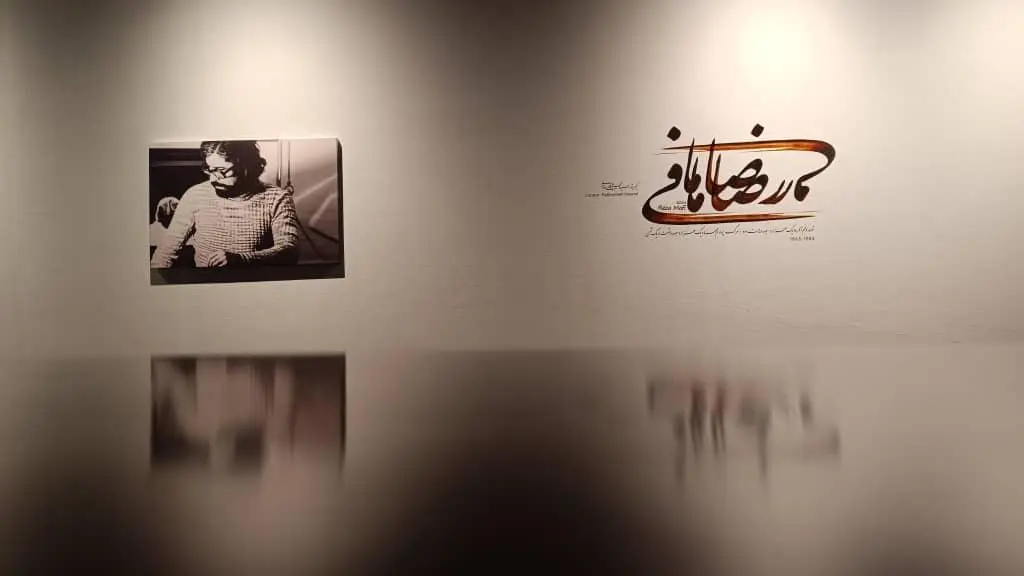
Held across six galleries at the museum from May 14 to June 30, 2024, the exhibition presented 162 significant works, bringing together a rare and seldom-seen collection of calligraphic works, calligraphy, calligraphic painting, handwritten texts, practice sheets, personal belongings, and items from the late artist’s personal collection.
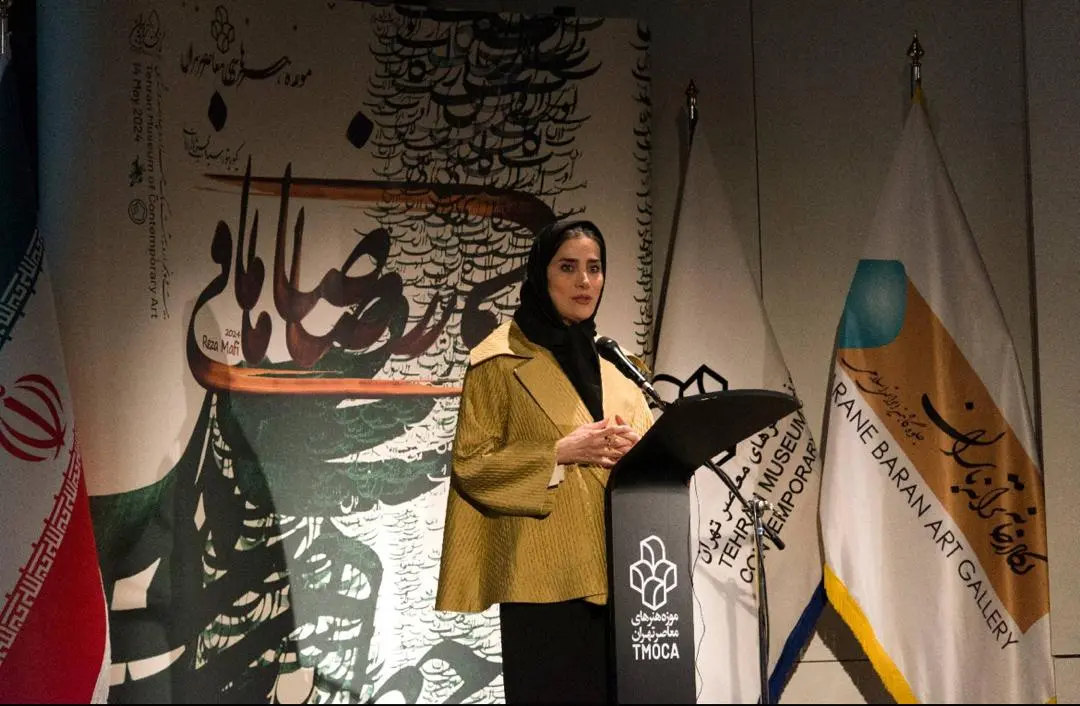
Yet the true significance of this event cannot be reduced to the number 162. The story becomes particularly compelling when we realise that the exhibition was not the result of a sudden decision to organise an unconventional event. The idea of creating a research-based art exhibition worthy of Reza Mafi—one of contemporary Iran’s most influential artists, whose innovation and genius transformed the course of calligraphic painting—had taken shape years earlier.
Taraneh Baran Gallery had previously organised projects centred on Reza Mafi, including events in 2017, on International Museum Day, and in 2019. In 2020, the gallery also established a space entitled the Reza Mafi Museum at the 12th Fajr Visual Arts Festival, held at the Iranian Academy of Arts. In addition to artworks, the space featured the artist’s tools, documents, press clippings, and objects associated with his life.
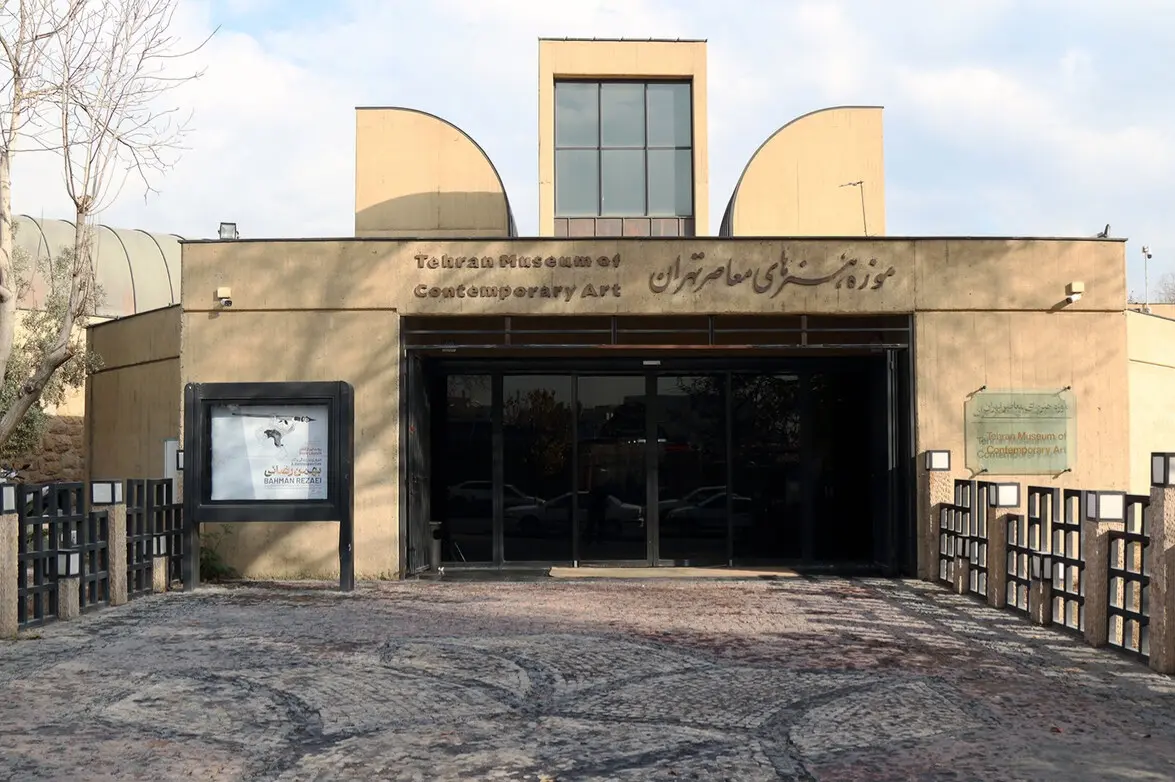
What took place at the Tehran Museum of Contemporary Art was therefore the culmination of a multi-year project involving the museum, Mafi’s contemporaries, collectors, and the invaluable, wholehearted cooperation of his family, particularly his brother. This distinction is crucial.
_ Keeping Mafi’s Legacy Alive: The Artist Who Died at 39 and Left Behind a Profound Question
In art history, artists endure not solely because of the quality of their work. Their lasting presence also depends on a network of museums, collectors, researchers, galleries, critics, publishers, artists, and curators—people who carry a name from one generation to the next. An artist who loses access to this network may gradually disappear from public consciousness, even when their work remains significant.
Reza Mafi lived for only 39 years, yet within that short life, his unique innovation and genius brought about one of the most significant and fundamental transformations in contemporary Iranian calligraphy and calligraphic painting.
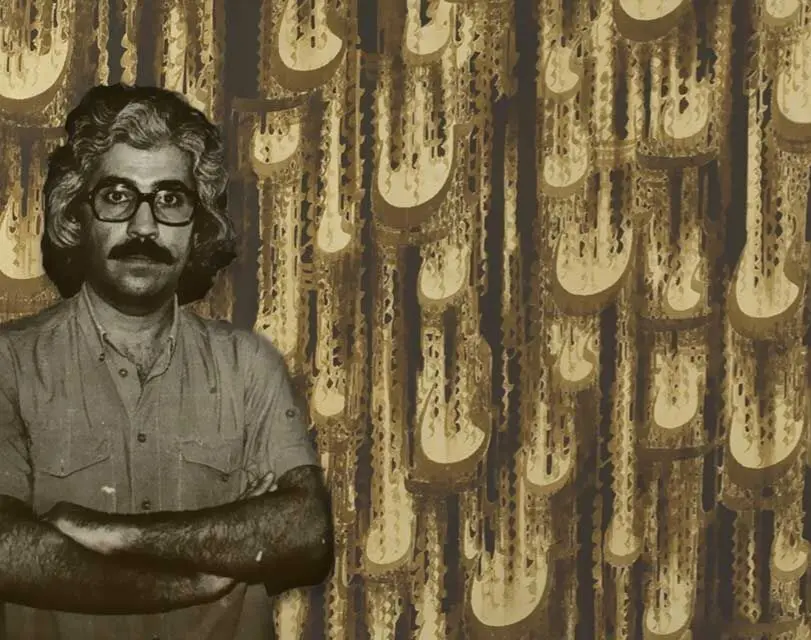
Mafi belonged to that group of influential artists who explored the relationship between calligraphy and painting from within the tradition of Persian calligraphy. In the surviving art-historical documents concerning his work, he emphasises the primacy of calligraphy over painting, approaching painting through the lens of calligraphic tradition.
Perhaps this is why Mafi’s work extends beyond artistic aesthetics to address a much larger question: How can a long-established tradition be preserved without reducing it to a repetition of forms inherited from the past?
This was a question that the late Mafi himself contemplated. His handwritten notes reveal concerns with preserving civilisational history and Iranian identity, alongside a critical engagement with the influence of Western art.
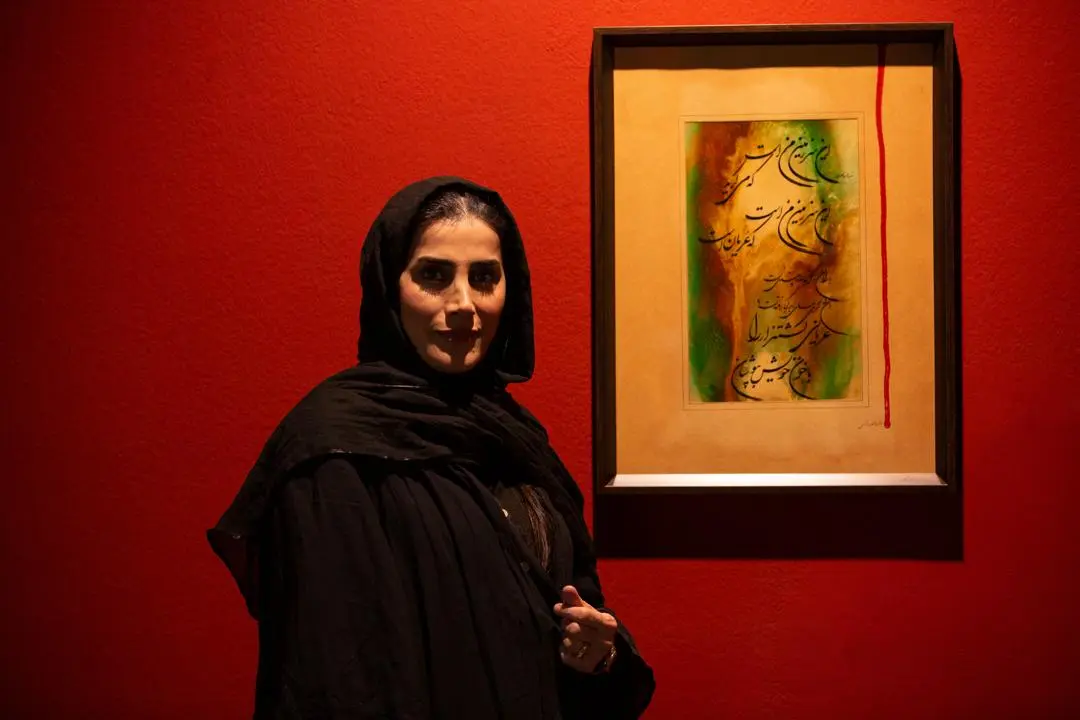
Mahboubeh Kazemi’s research-based interpretation of Mafi likewise emphasised this dimension of his thinking, addressing his understanding of Iranian identity and his concerns about the creation of art devoid of identity. The project’s appeal lies precisely here: the exhibition’s curatorial approach sought not merely to introduce Mafi through his artworks, but to bring him back into the museum as an artist and a human being deeply engaged with the questions of his time.
The narrative developed for Taraneh Baran Gallery’s exhibition at the Tehran Museum of Contemporary Art was built directly around the statement From Reza Mafi’s Perspective. Drawing on surviving conversations with Mafi and the available documents, it reflected the artist’s intellectual trajectory and worldview.
As part of this approach, the documentary film Majnoon-e Qalam (The Pen’s Madman) was produced by Mahboubeh Kazemi. Screened on the opening day at the museum’s Cinematheque, the film presented a reading of a page from Mafi’s handwritten notes, alongside footage documenting his artistic process, innovations, and creative genius.
Furthermore, the display of Mafi’s handwriting, photographs, and personal belongings, made possible through the cooperation and support of his family, allowed visitors to encounter not merely a historical image of the artist, but a much broader picture of his life and personality.
From both curatorial and research perspectives, this approach is particularly worthy of consideration.
_ Reza Mafi Beyond the Frame of Art
A museum usually separates an artwork from everyday life and places it within the framework of art history. In Mahboubeh Kazemi’s curatorial vision for this exhibition, however, personal objects, handwritten texts, and documents became integral components of the museum narrative. As a result, visitors could see the distance between the “historical artist” and the “real person” within a single frame.
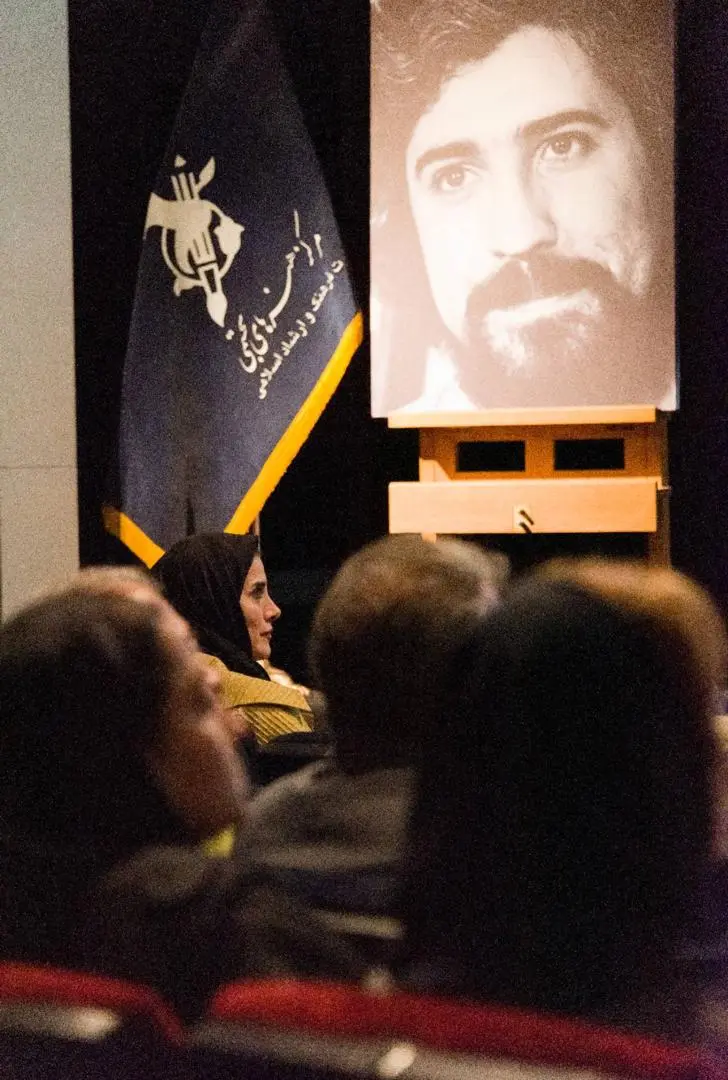
In keeping with this curatorial concept, even an old commemorative photograph could acquire significance comparable to that of an artwork. One example was a photograph of Reza Mafi alongside Ali Hatami, the renowned Iranian filmmaker.
The photograph is more than a personal memory; it opens a window onto Iran’s cultural history. Mafi and Hatami shared a deep friendship, and Mafi’s name is also associated with Hatami’s major television series Hezardastan, written and directed by Hatami. The series remains a landmark in Iranian film and television, celebrated as a masterpiece rooted in the country’s ancient cultural traditions.
In certain scenes, Hatami documented Mafi’s calligraphic practice, showing not only his calligraphic compositions but also his hands, his grip on the pen, and the physical gestures through which he created his work.
Here, Mafi becomes more than a name in the history of calligraphic painting. He emerges within a network encompassing cinema, literature, calligraphy, popular culture, and the visual arts. This multilayered perspective in Mahboubeh Kazemi’s curatorial approach may well be one of the defining strengths of this research-based art exhibition at the Tehran Museum of Contemporary Art.
_The Art Market Cannot Flourish Without Art History
The research-based exhibition also conveyed an important message about the structure of Iran’s art world: the private sector, collectors, and artists’ families can work in a mutually reinforcing partnership with official institutions to create and reconstruct cultural narratives.
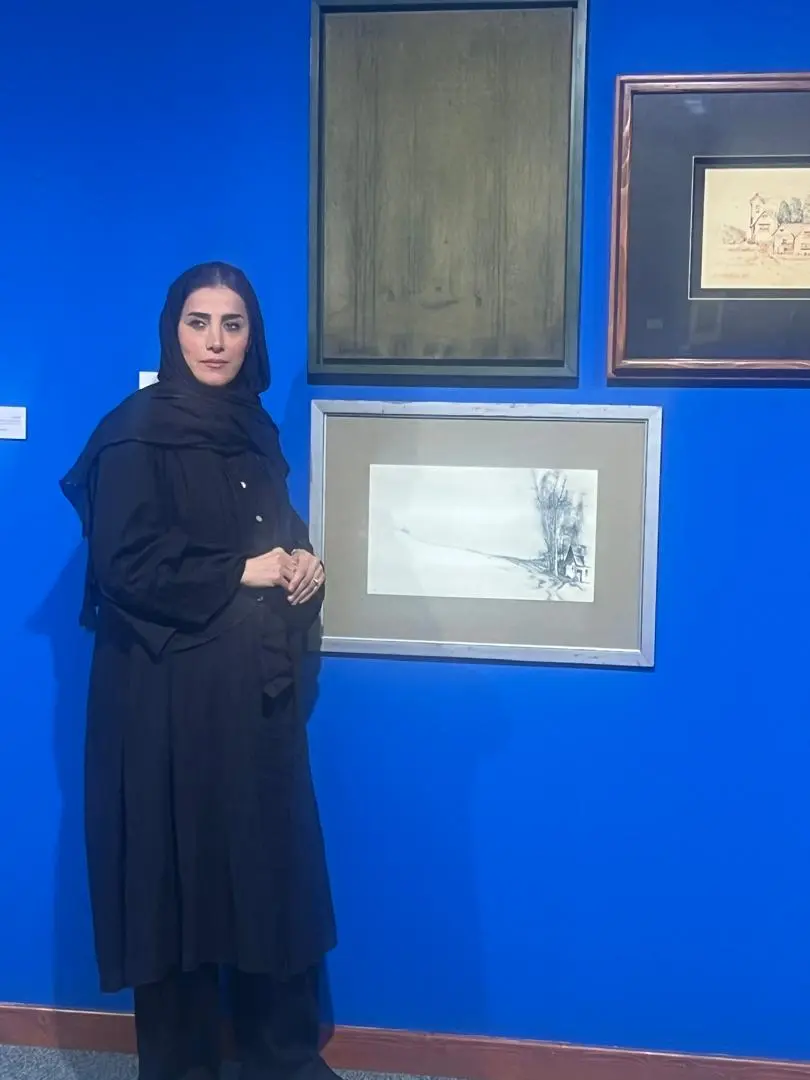
At the time of the exhibition, Manouchehr Lotfi, chairman of the Association of Iranian Collectors, emphasised that organising the event after more than four decades was an innovative initiative. He also highlighted the role of the Tehran Museum of Contemporary Art in undertaking such projects in collaboration with the private sector. He stressed that cultural initiatives should not depend exclusively on government institutions taking the lead, and that cooperation among collectors, art enthusiasts, and museums could open the way to new developments.
This point is equally important for the art market.
In today’s art world, a gallery is no longer merely a place to buy and sell artworks. A forward-looking cultural organisation can also function as an archive, publisher, researcher, curator, documentary producer, museum-building partner, and even a creator of cultural history.
When an art institution works with an artist over many years, brings together dispersed works from different collections with the help of the artist’s family, searches for documents, produces a documentary, reconstructs the artist’s narrative, and ultimately presents that narrative within a museum in collaboration with the institution, it is effectively building cultural infrastructure for that artist.
Ultimately, this infrastructure can also translate into economic value.
The art market cannot flourish without art history. No serious market can establish an artist’s long-term value through everyday supply and demand alone. Lasting value emerges when an artist’s name is supported by research, archives, museum exhibitions, documentation, books, collecting, and a well-established historical narrative.
From this perspective, the Reza Mafi project can be understood as a notable example of creating cultural value before economic value.
The first step is to bring the artist back into public view. The next is to examine their genius and historical significance. Their work can then enter serious discussions among collectors and researchers, ultimately allowing the market to reassess its true value.
This is precisely the path followed by many of the world’s more mature art markets: museums, research, and collecting become interconnected, while galleries are no longer merely sellers but active contributors to the wider ecosystem.
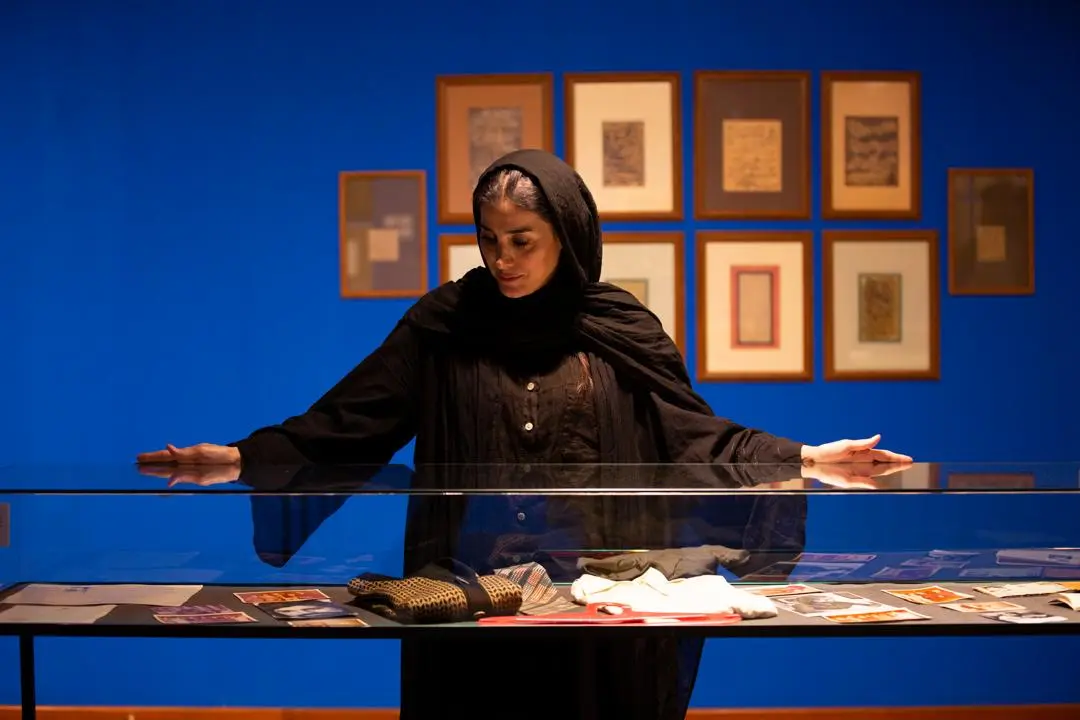
Seen in this light, Reza Mafi’s return to the Tehran Museum of Contemporary Art, initiated by Mahboubeh Kazemi , founder and director of Taraneh Baran Gallery, was far more than a commemorative event. The exhibition posed a serious question to Iran’s art world: How many other influential artists are there whose works still exist and have been preserved by collectors and their families, yet whose stories have not been meaningfully incorporated into public understanding?
Perhaps the more important question is this: How many of these artists need research-based curatorial projects to reclaim their place in Iranian art history, rather than simply another conventional exhibition?
The Reza Mafi exhibition demonstrated that the distance between oblivion and rediscovery can sometimes be bridged not by a new artwork, but by renewed determination and comprehensive collaboration across the art world.
A gallery can initiate the process. A curator can develop a different narrative. An artist’s family and collectors can bring works and documents out of private collections. A museum can open its doors. And after more than four decades, audiences can encounter once again an artist who left the scene far too early.
At the conclusion of the exhibition, Mahboubeh Kazemi also announced plans to compile and publish a comprehensive book on Reza Mafi as a lasting legacy and a reference for future research.
This book, which will complement the exhibition’s research and the documentary Majnoon-e Qalam, has the potential to establish the project’s most significant achievement not merely in the 162 works displayed, but in the creation of a lasting scholarly reference for the study of Mafi’s innovations.
Reza Mafi died at the age of 39. Yet perhaps the central issue today is no longer the brevity of his life. It is this: Why did we have to wait more than four decades for one of contemporary Iran’s most influential artists to return meaningfully to the official and public narrative of art history?
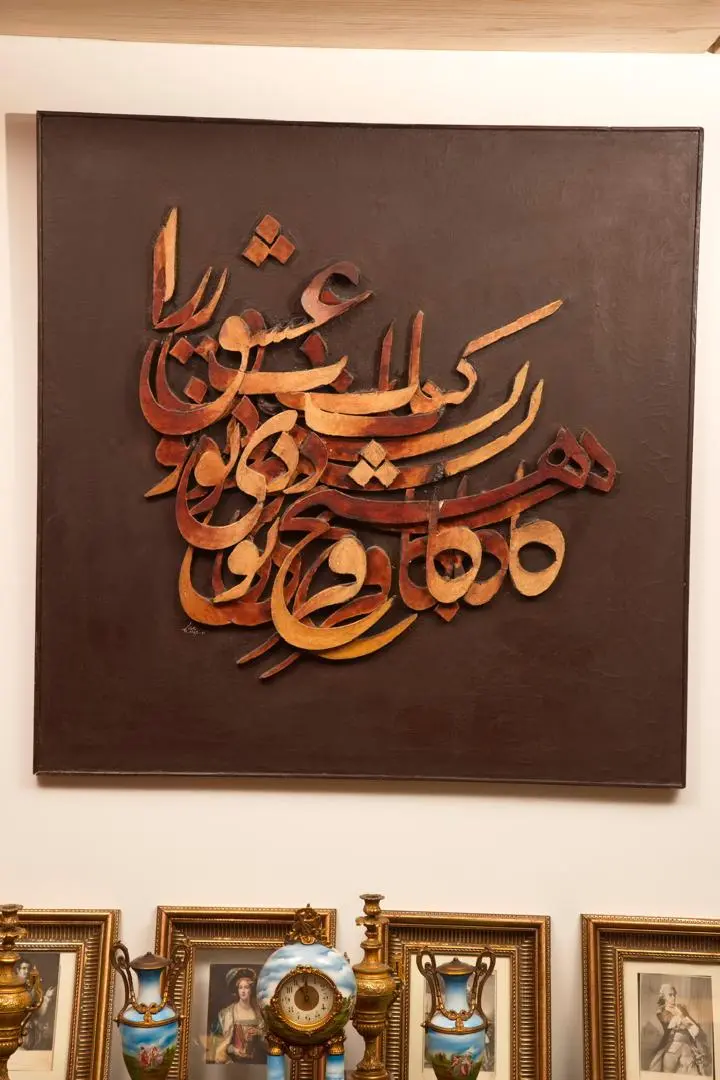
From this perspective, Taraneh Baran Gallery’s exhibition at the Tehran Museum of Contemporary Art was not simply a presentation of Reza Mafi’s works.
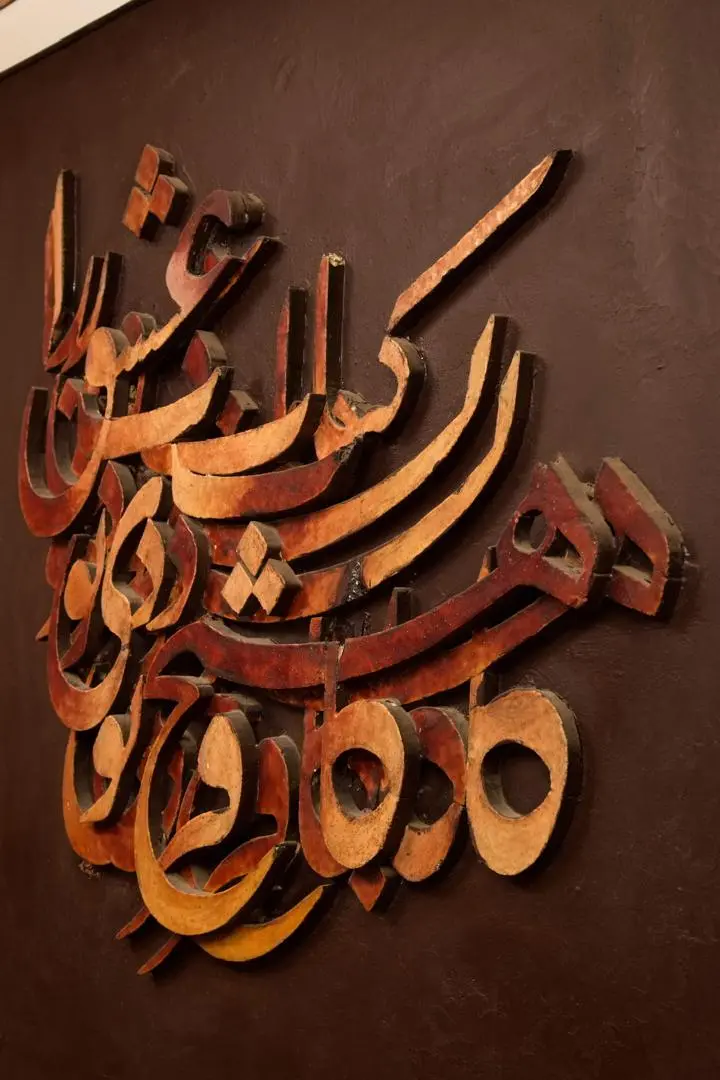
It was an examination of artistic understanding itself, the recovery of cultural narratives, and the reassessment of an artist’s position in Iranian art history. It raised questions about who decides which artists we remember, who can build bridges between private collections and museums, and why, in the art economy, the most valuable contribution one can make to an artist is sometimes not the sale of a work, but a fresh interpretation of their legacy, the presentation of research-based documentation, and a renewed understanding of their place in art history.
LEAVE A RELPY