
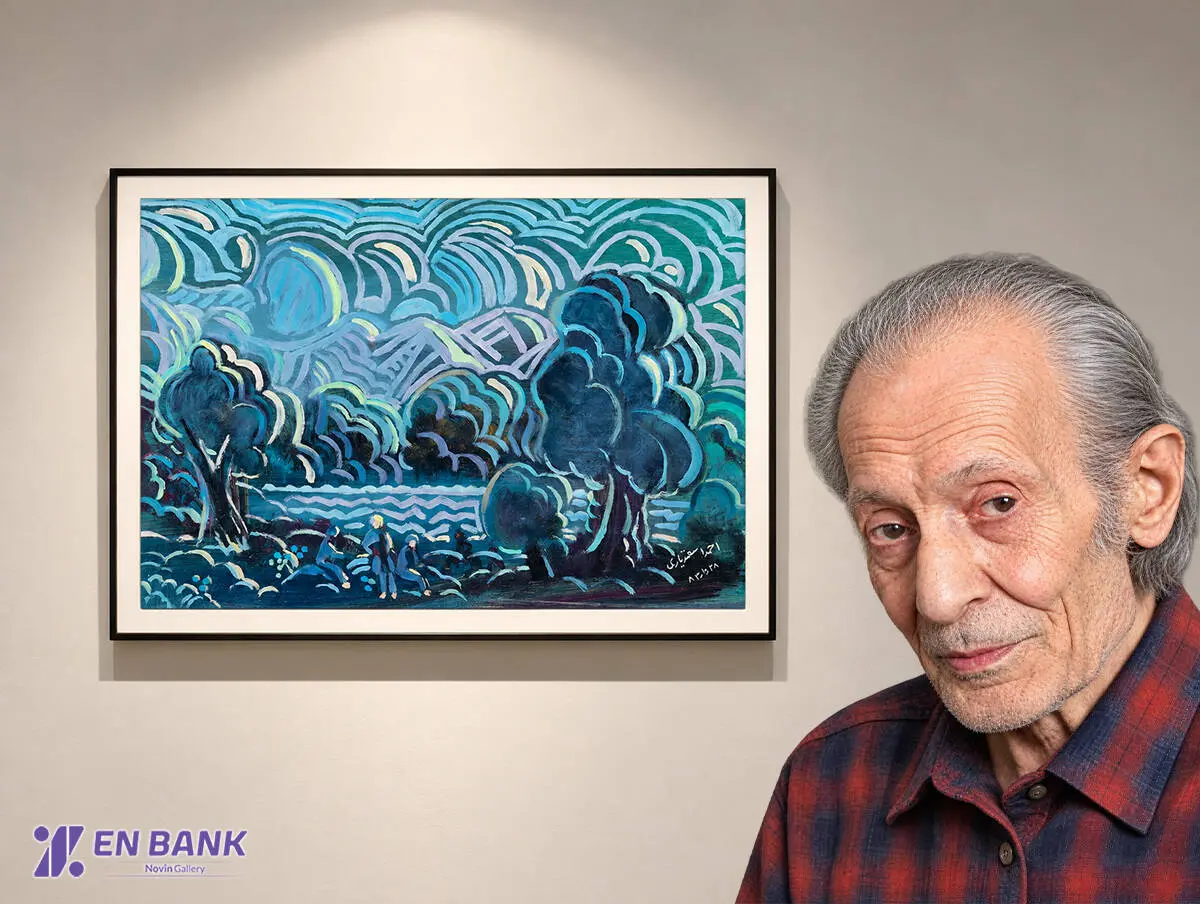
Novin Gallery of Eghtesad Novin Bank: Ahmad Esfandiari, The Painter of Blues
Ahmad Esfandiari, with his nature-inspired compositions shaped by colour, movement, poetic geometry, and the captivating allure of blue, is a distinguished figure among the first generation of modern Iranian painters.
ArtDayMe : Since its establishment, Eghtesad Novin Bank, Iran’s first private bank, has maintained a prominent presence in the country’s art scene. Through the formation of a distinguished art collection and the establishment of Novin Gallery, the bank has taken a pioneering role in presenting the richness and diversity of Iran’s artistic landscape.
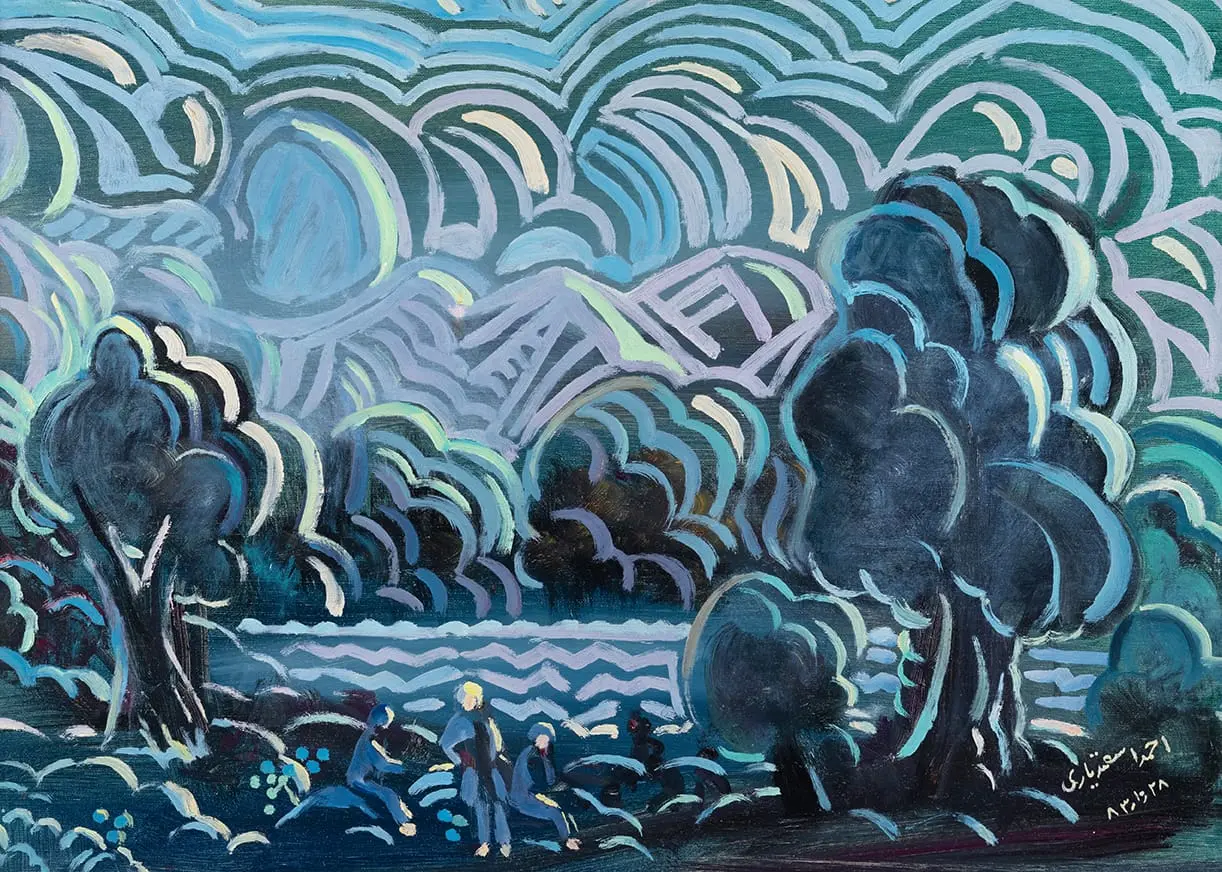
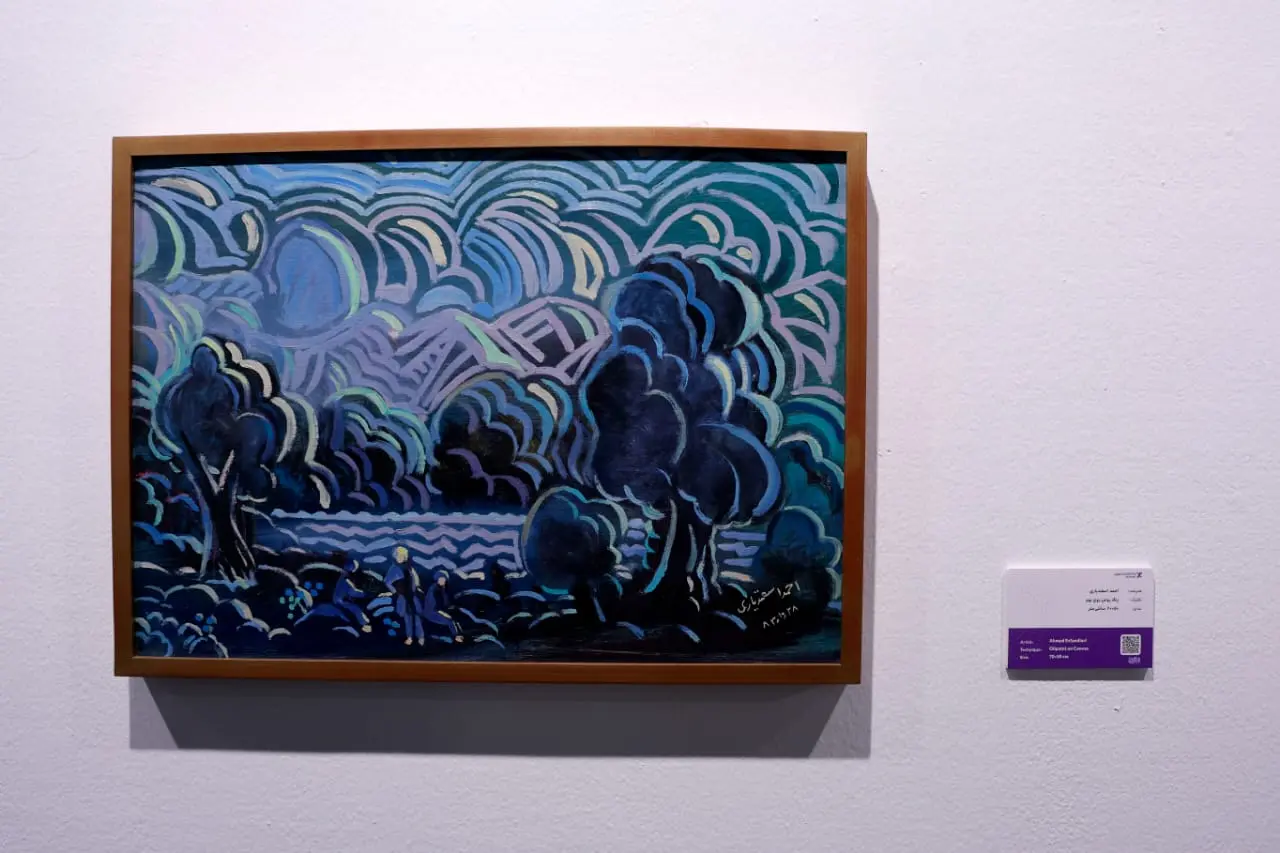
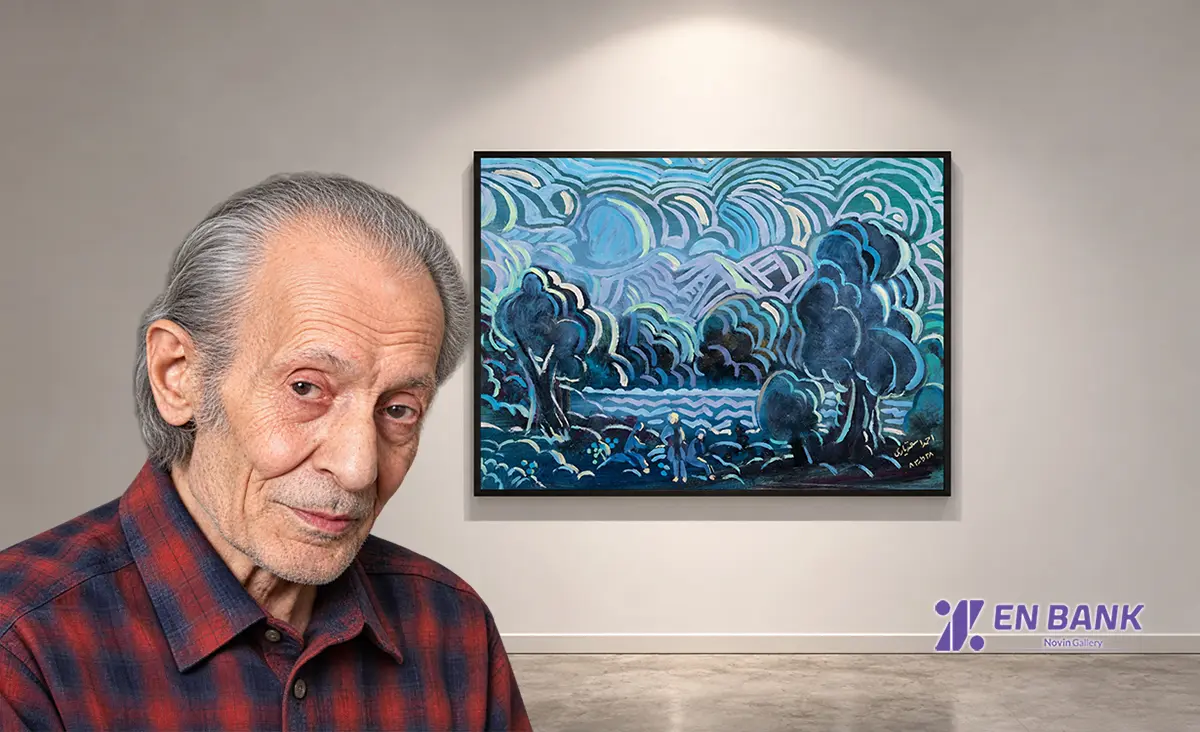
Among the works preserved in the Eghtesad Novin Bank Collection is an eye-catching painting by the late master Ahmad Esfandiari. Executed in oil on canvas, the work measures 50 × 70 cm.
Ahmad Esfandiari (1923–2012) was one of the pioneers of modern Iranian painting. He initially studied painting under one of the students of Kamal-ol-Molk before entering the Faculty of Fine Arts at the University of Tehran in 1945. He eventually graduated with a bachelor's degree.
Esfandiari had a particular passion for painting nature. Owing to the predominance of cool colours, especially blue, throughout his work, he became known as The Painter of Blues.
The painting by the late Ahmad Esfandiari, now housed in the Eghtesad Novin Bank Gallery Collection, belongs to one of his best-known series. As is characteristic of his artistic approach, it presents a distinctive encounter with nature. Through the window of his paintings, viewers are not simply invited to observe familiar landscapes. Rather, natural elements become a means of exploring colour, movement, rhythm, and the reorganisation of visual reality.
In this work, Esfandiari moves away from the realistic representation of nature, creating an image-world in which natural forms acquire independent structures and distinct aesthetic identities.
The result is a landscape that remains rooted in the observation of nature while simultaneously following the free and inventive logic of modern painting.
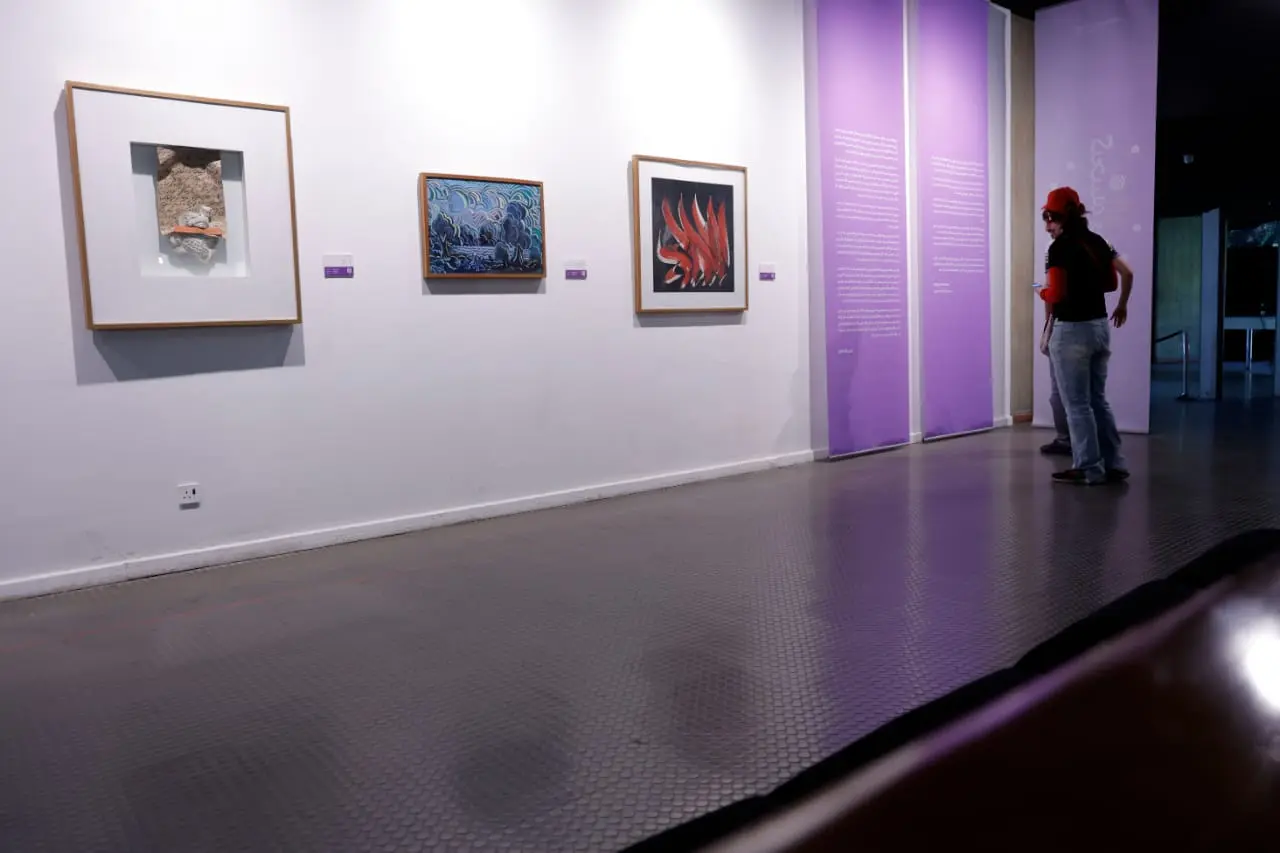
1. Composition: The Fluid Architecture of Natural Elements
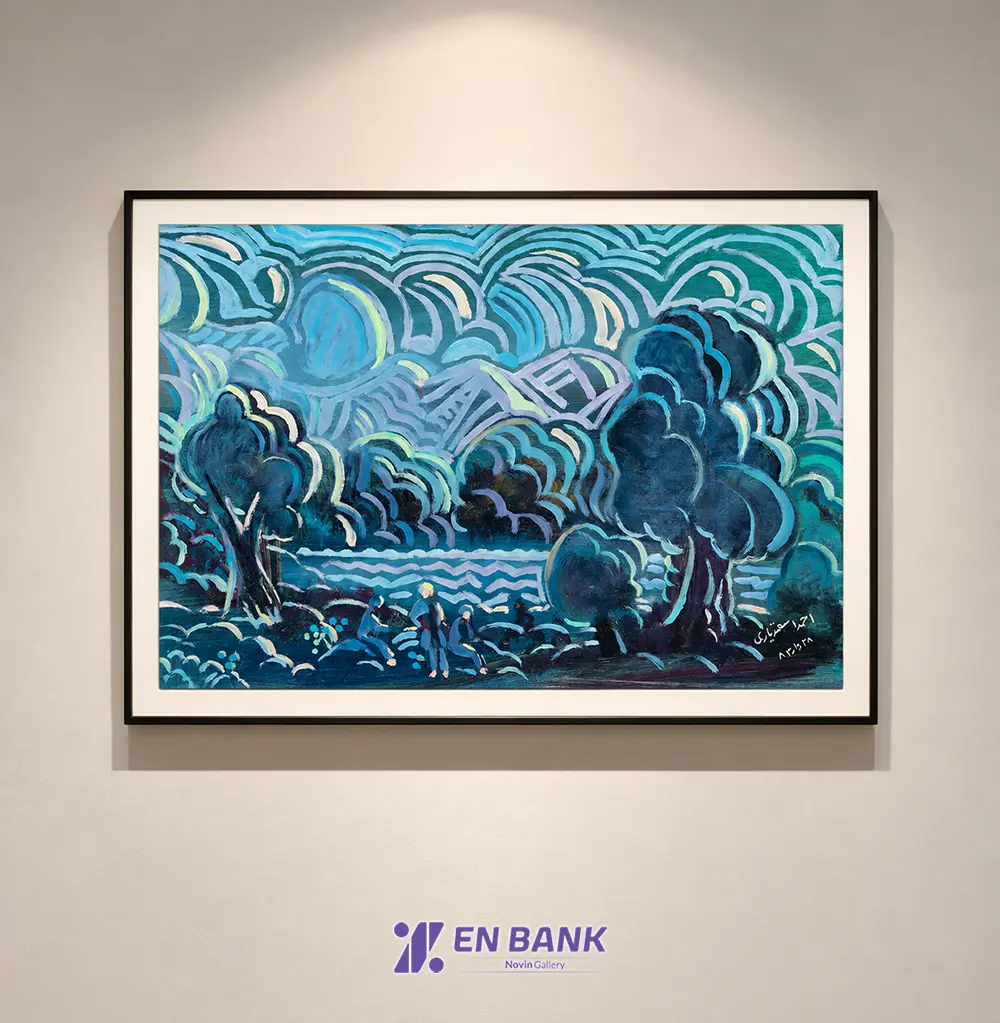
One of the most striking features of Ahmad Esfandiari’s painting is its multilayered and relatively dense composition. By positioning trees on both sides of the picture, the artist creates a kind of natural frame that directs the viewer’s gaze towards the central space and the water's surface. Although the trees on the right and left differ in size and shape, they play complementary roles in establishing visual balance. In the middle ground, a row of trees and the more open spaces between them establish the depth and spatial extension of the landscape.
In the lower section, several small human figures, particularly in comparison with the scale of the trees, highlight the relationship between humanity and nature. These figures do not constitute the central focus of the narrative; rather, they form part of the painting's overall visual organisation. By keeping the human figures small, Esfandiari emphasises the vastness and visual dominance of the natural environment.
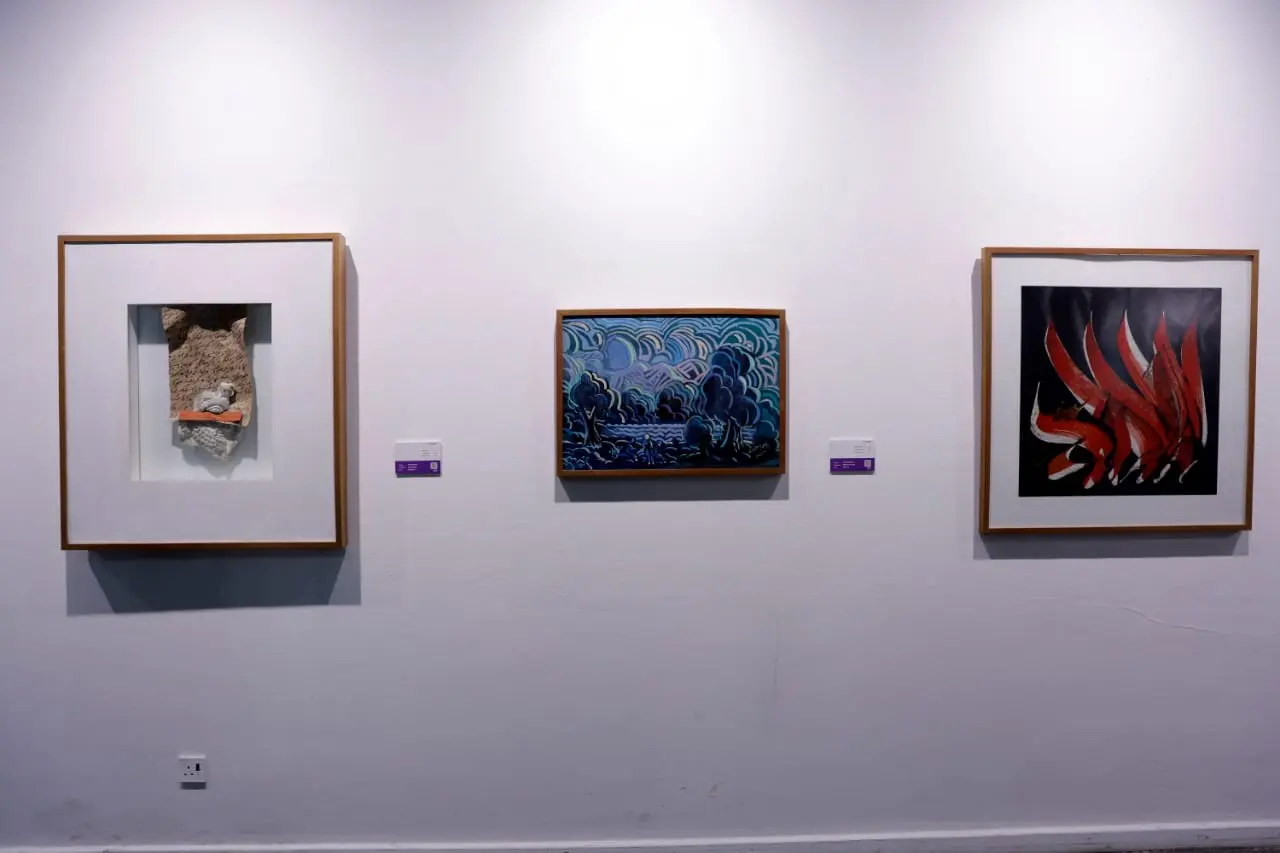
2. Colour: Blue as the Visual Identity of the Painting
Colour is the most important organising element in this painting. An extensive spectrum of blues, ranging from light blue and turquoise to petrol blue and navy, connects almost every surface of the composition, further reinforcing the distinctive signature of The Painter of Blues.
Esfandiari's chromatic choices not only create visual unity but also establish a particular emotional atmosphere that oscillates between tranquillity and dynamism.
Blue-leaning greens in the tree canopies, alongside greyish purples, creamy whites, and occasional touches of yellow, introduce a fresh chromatic energy into the composition. Particularly noteworthy is his use of complementary and adjacent colours to create controlled contrasts. The limited areas of yellow in the sky and the figures' clothing function as visual focal points against the expansive cool blue palette.
The trees are not necessarily depicted in the natural colours of their leaves, nor does the sky follow conventional rules of colour representation. Esfandiari has filtered nature through the lens of his own chromatic perception and imagination.
3. Line and Drawing: Transforming Nature into Visual Signs
One of the defining characteristics of this painting by Ahmad Esfandiari, preserved in the Eghtesad Novin Bank Gallery Collection, is its strong linear and drawing-oriented quality.
Curved and repetitive lines in the sky, tree canopies, and even the surface of the water establish a shared visual language. At times, these lines define the boundaries between forms; at others, they operate independently, generating movement and visual energy.
The trees are constructed through continuous, curved, and occasionally angular lines. This approach moves away from botanical description and towards the simplification and condensation of forms. Consequently, a tree ceases to function merely as a natural element and becomes a visual sign with its own character and structural identity.
4. Form and Structure: Between Naturalism and Abstraction
The forms in Esfandiari's painting, particularly the trees and clouds, demonstrate a degree of exaggeration and structural transformation. The tree canopies become rounded, overlapping, multilayered masses, while their trunks, rendered through relatively free and elongated lines, establish a connection between the ground and the volumes of foliage.
In the upper section of the composition, the clouds and the structure of the sky, through their recurring arches and undulating lines, approach patterns reminiscent of decorative and geometric compositions. This characteristic softens the boundary between representation and abstraction. Nevertheless, the painting maintains its connection with the natural landscape through its recognisable elements.
5. Space and Depth: A Perspective Beyond Classical Rules
In this work by Ahmad Esfandiari, depth is not created through linear perspective or a clearly defined vanishing point. Instead, it emerges from the overlapping of planes, variations in the scale of forms, and differences in colour intensity.
The trees in the foreground are larger and darker, while those in the distance occupy the middle ground through reduced intensity and subtle changes in colour quality.
The water's surface, with its horizontal bands and parallel ripples, further reinforces the spatial extension of the composition. This approach produces a flattened yet multilayered pictorial space, in which depth and surface operate alongside one another rather than in opposition.
6. Movement and Rhythm: The Hidden Music of the Landscape
The repetition of curved forms in the sky and trees, alongside the horizontal lines of the water, generates a distinctive visual rhythm. At times, this rhythm is calm and continuous; at others, it becomes dense and energetic.
The viewer's gaze travels from the tree canopies to the sky, then towards the water and finally to the human figures, following a relatively fluid and circular trajectory.
These repetitions evoke musical rhythms, as though Ahmad Esfandiari were recording not the stillness of nature but its inner vibrations and movement.
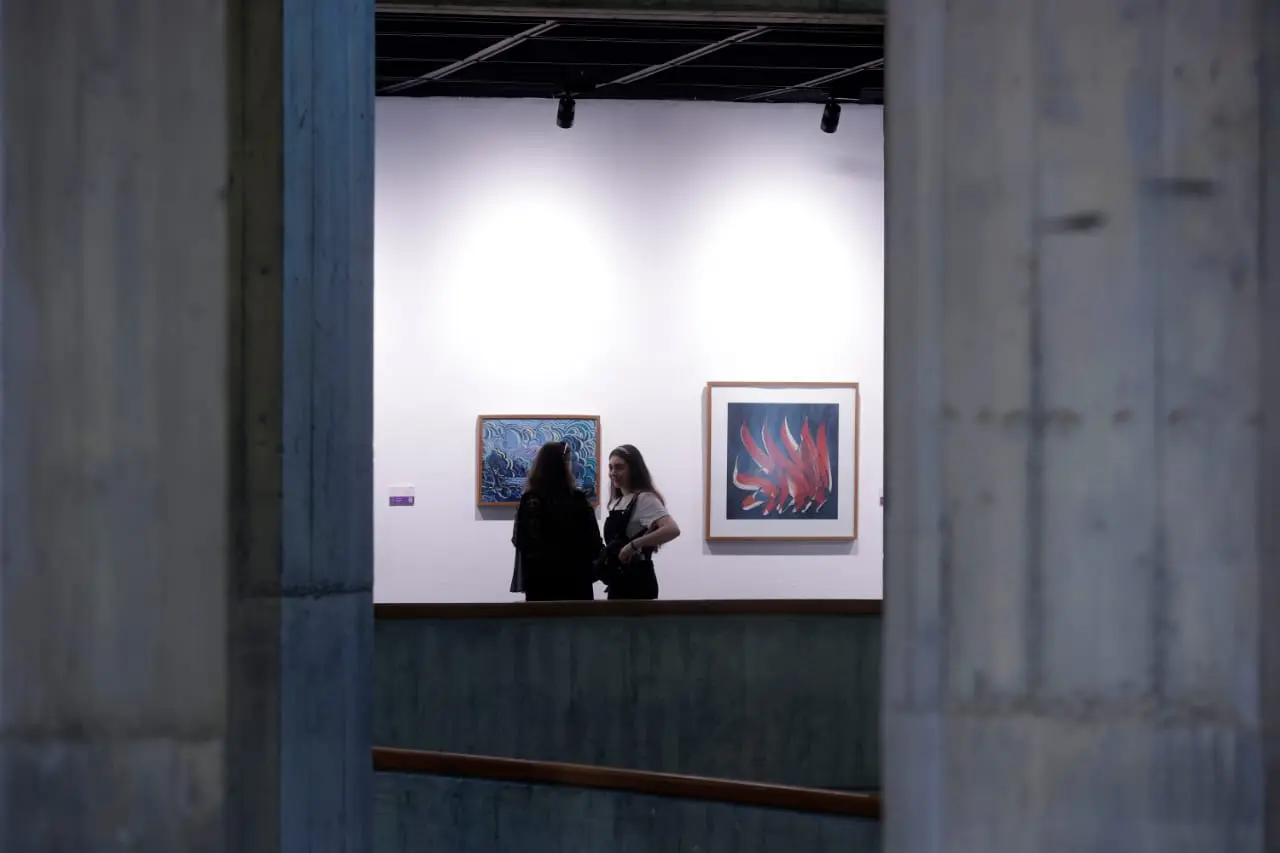
7. Technique and Painterly Expression: The Importance of Colour Application
The painted surfaces throughout the composition display a variety of textural and technical qualities. In certain areas, colour has been applied through loose, visible brushstrokes, while elsewhere, defined lines and overlapping layers of paint create a more structured surface. This diversity of execution lends the painting a lively, distinctly handmade quality.
The dark trees are given volume through bright contours and overlapping colours, without relying on realistic chiaroscuro. Light, too, is perceived primarily through the contrast between light and dark colours rather than through the depiction of a specific light source.
This approach contributes to the independence of colour from its conventional descriptive function.
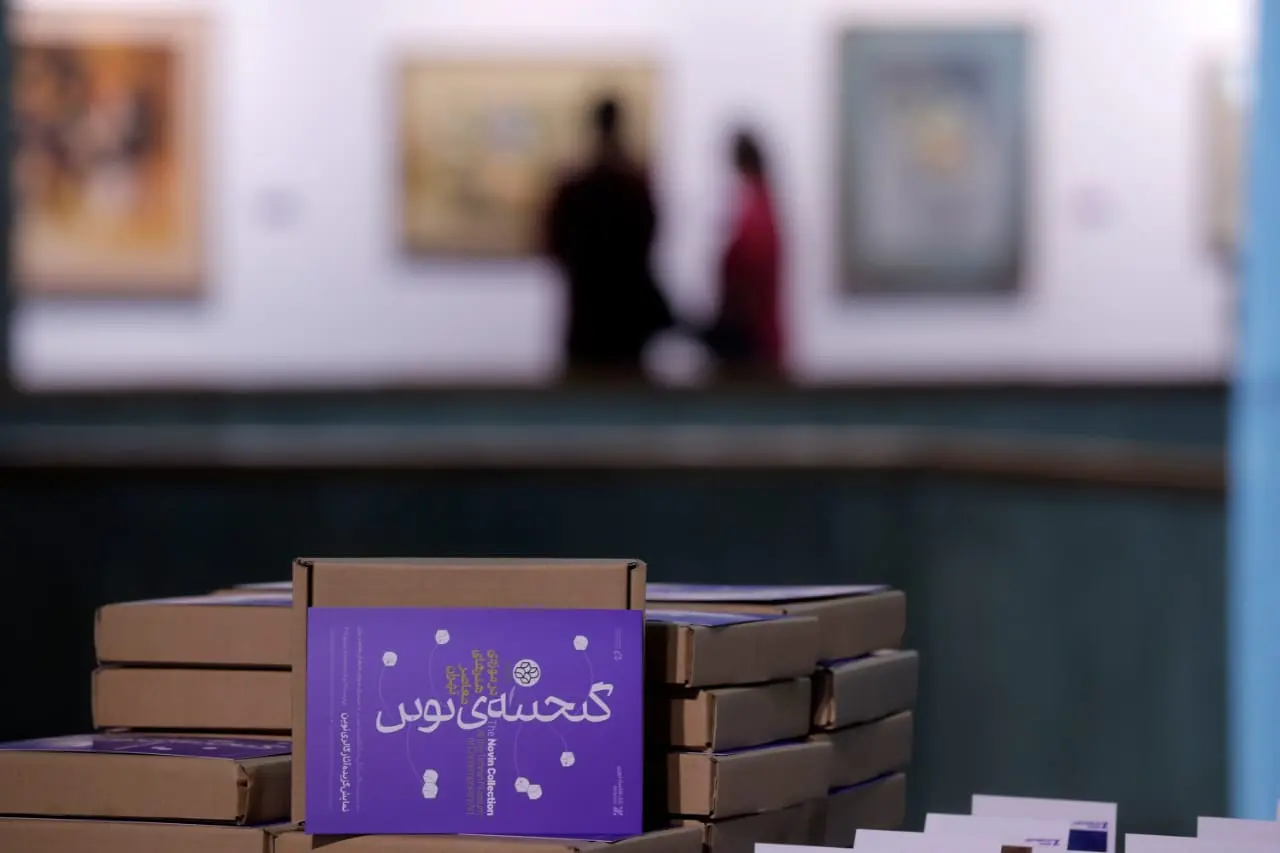
8. Humanity and Nature: Scale, Proportion, and the Meaning of Presence
The human figures in the lower part of the painting are modest in scale and rendered with a considerable degree of simplification. They occupy their place within the landscape and, rather than turning nature into a mere backdrop for human activity, become part of its overall visual unity.
This compositional decision suggests a form of visual coexistence between humanity and the natural environment.
9. The Aesthetic Significance of the Work
The significance of this painting by Ahmad Esfandiari, preserved in the Eghtesad Novin Bank Gallery Collection, lies in the way the artist transforms the observation of nature into an independent visual system.
Esfandiari neither remains committed to the precise representation of reality nor moves towards complete abstraction. Instead, he operates within the space between these two approaches. Nature remains recognisable, yet colour, line, form, and rhythm introduce new principles for seeing and interpreting it.
This work is a compelling example of an artist who regards nature not as a passive landscape to be observed, but as a living phenomenon rich in formal possibilities. In this blue world, trees become musical forms, the sky takes on a geometric structure, and water transforms into a rhythmic surface.
Esfandiari's achievement lies in creating a landscape that is more than a mere image of nature: it is an experience of seeing, feeling, and reconstructing nature through the language of painting.
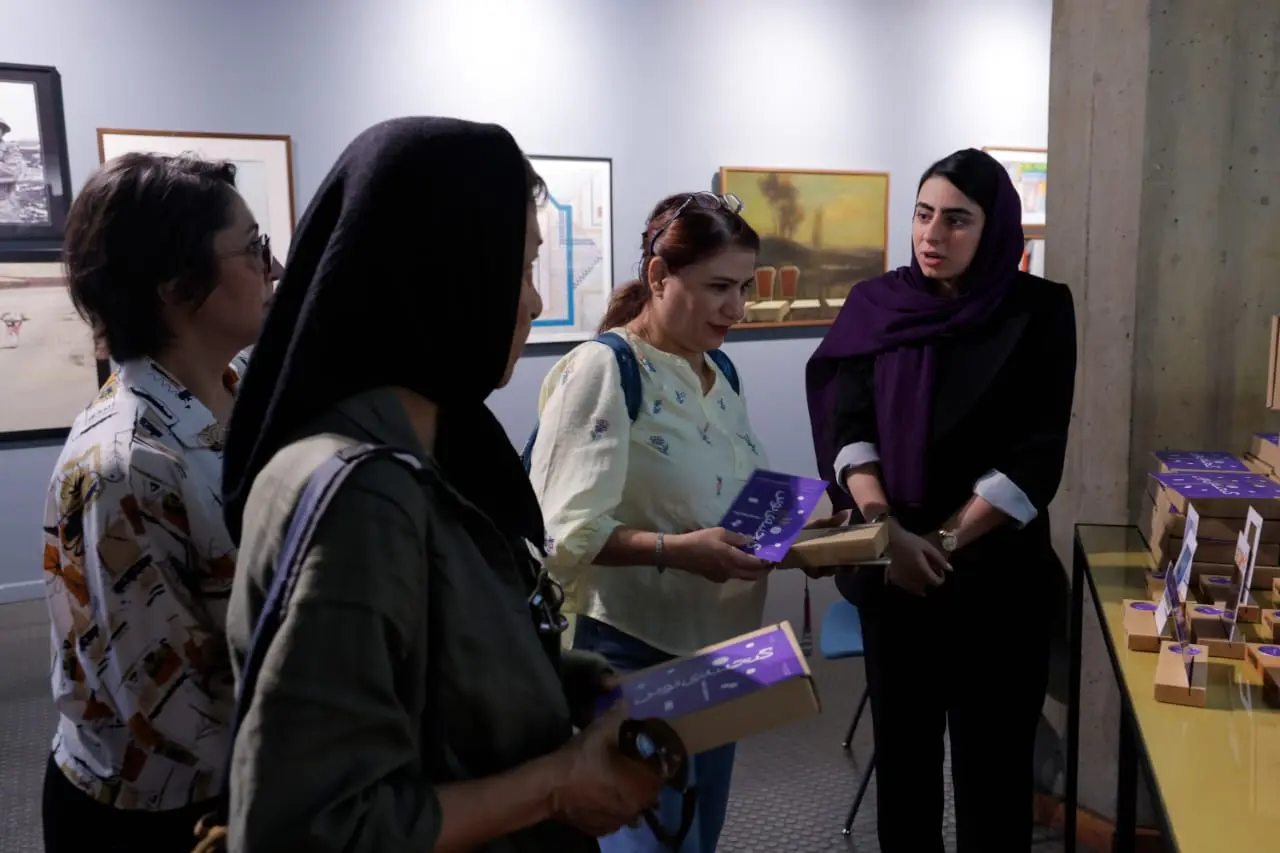
_ Novin Gallery of Eghtesad Novin Bank
Eghtesad Novin Bank — www.enbank.ir — Iran's first private bank, established in August 2001, adopted a vision of development that extended beyond conventional economic relationships from the very beginning of its operations. This vision regarded culture and art not as peripheral domains, but as integral components of the country's social and cultural capital.
Over the past two decades, Eghtesad Novin Bank has assembled a valuable collection of outstanding Iranian artworks, comprising more than one hundred works by renowned and influential figures in modern and contemporary Iranian art. This collection is more than a corporate art holding; it represents a visual narrative of an important chapter in the recent history of Iranian art.
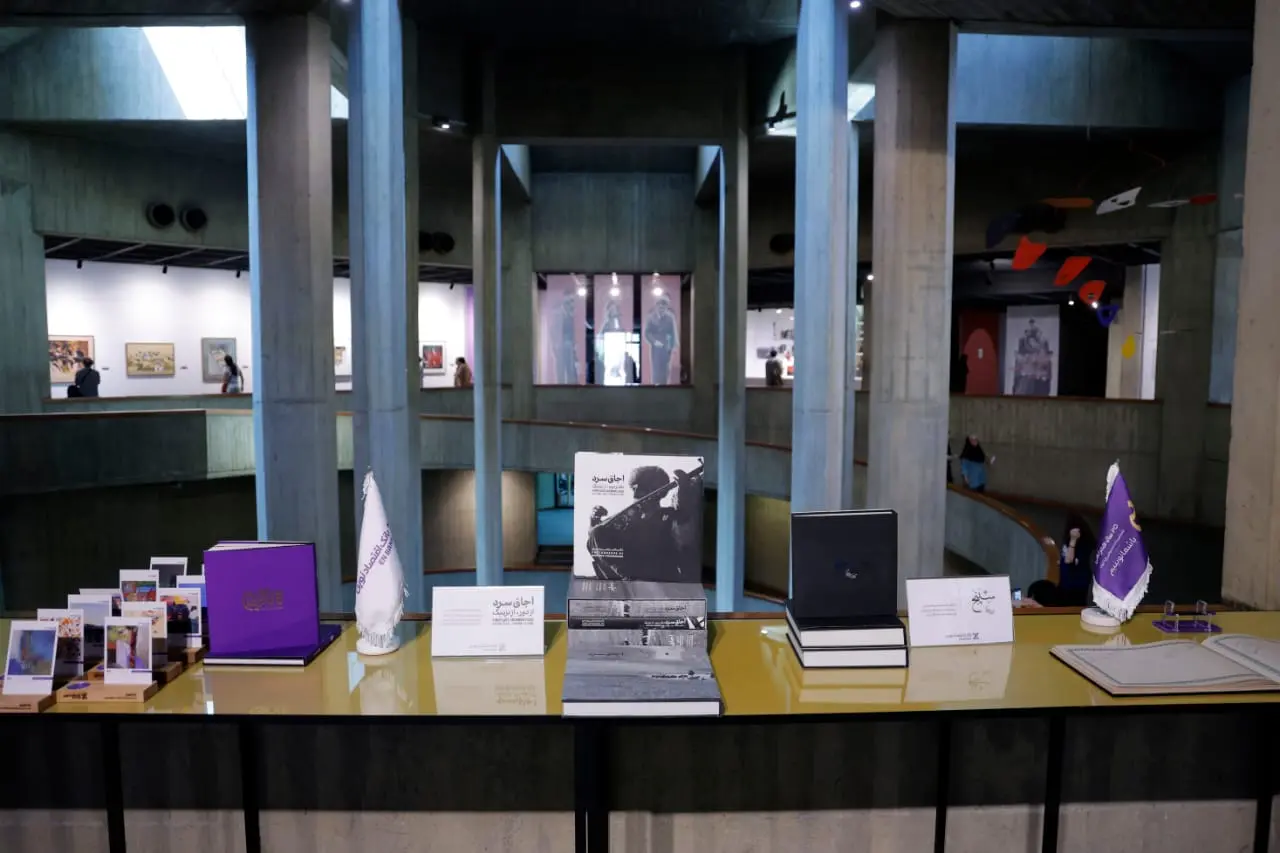
The establishment of Novin Gallery and the organisation of periodic exhibitions featuring works from this collection have demonstrated that the bank's intention in acquiring art has extended beyond preserving works in storage facilities and corporate spaces. Instead, it has sought to create opportunities for public visibility and dialogue around these works, bringing them closer to audiences and the artistic community.
At a time when many significant works of contemporary Iranian art remain inaccessible to the public in private collections, making these works available for public viewing represents a meaningful contribution to cultural circulation and to strengthening society's relationship with its contemporary artistic heritage.
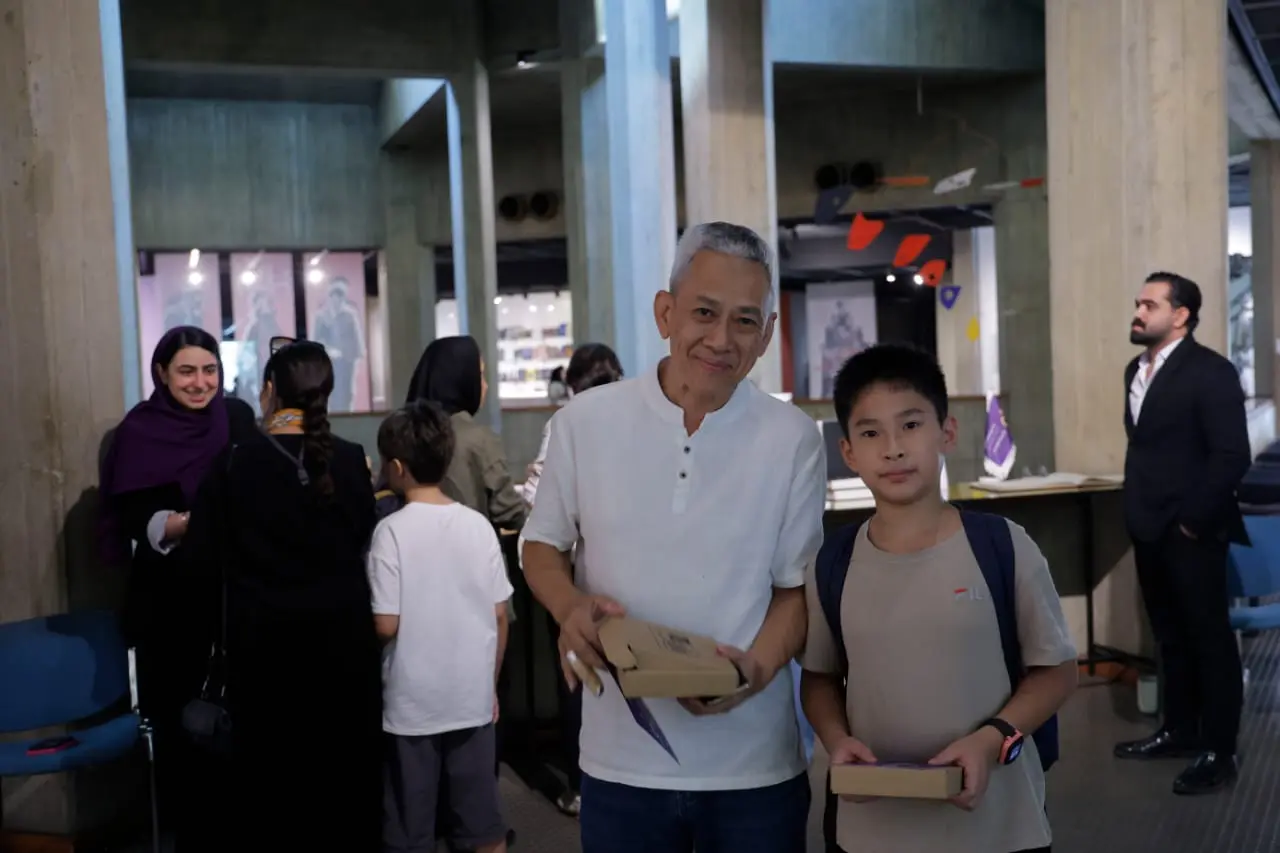
Today, major financial institutions around the world are evaluated on more than economic indicators alone. Their role in improving quality of life, advancing cultural development, and supporting creativity also contributes to their social standing and institutional reputation. The experience of many leading international banks and financial institutions demonstrates that art can serve as a bridge between the economy, culture, and society — a bridge through which financial capital can be transformed into cultural and social capital.
As Eghtesad Novin Bank approaches the twenty-fifth anniversary of its establishment, the institution stands at an important point in its history: one that could mark the beginning of a new chapter in the relationship between economics and culture.
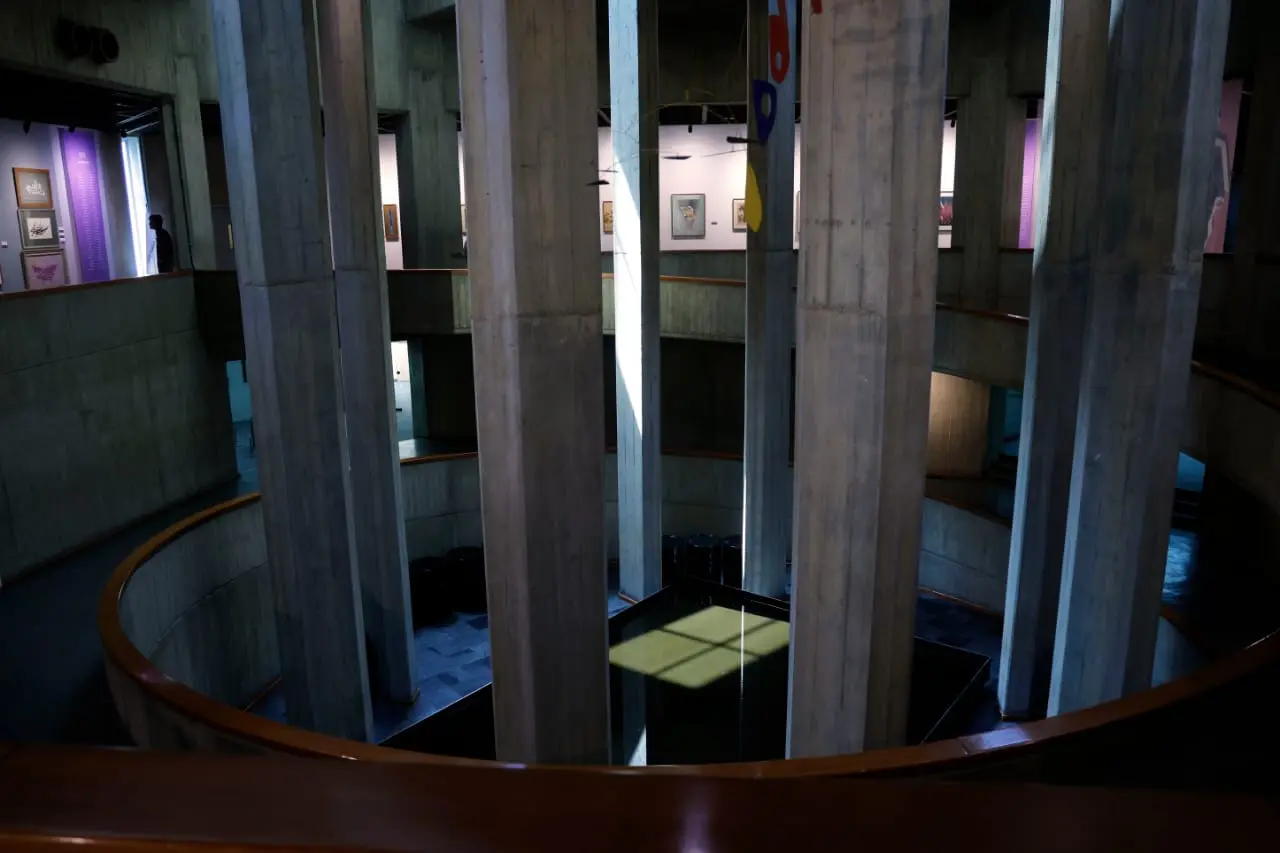
The bank's management is preparing to introduce a renewed vision of how a financial institution can participate in the arts. This vision is intended to move beyond conventional art collecting and exhibition-making, focusing instead on meaningful support for Iran's art ecosystem, strengthening the creative economy, expanding public access to art, and establishing new platforms for interaction among artists, audiences, and the private sector.
At a time when societies need cultural capital more than ever to strengthen social hope, collective dialogue, and the renewal of identity, the active and purposeful involvement of economic institutions in the arts can play a role that extends far beyond financial support. Such engagement represents an investment in the cultural future of society — a future in which economic and cultural development acquire meaning in parallel.
The bank's quarter-century of activity provides an opportune moment for Eghtesad Novin Bank to reaffirm its pioneering role, this time not only in the field of private banking but also in shaping a new model for the participation of economic institutions in Iran's cultural and artistic life.
LEAVE A RELPY